
Home › Blog › Street food and market tours
Street Food Tour in Vietnam in December: What to Expect
By the Cáo Experiences team · 2026-11-06
A street food tour in December takes you through neighborhood markets and laneway stalls where locals eat breakfast, lunch, and snacks—bánh mì, phở, bánh hoài, sugar cane juice, grilled meats, and seasonal fruits. In Hanoi, Hoi An, Saigon, and Da Nang, December brings cool dry weather (15–25°C), minimal rain, and crowds of both tourists and locals. Tours run 2.5–4 hours, usually early morning or evening, and include walking, tasting at 4–8 stops, and stories about ingredients and technique. Most street food costs the equivalent of our current quote–our current quote per dish. Cáo Experiences runs small-group and private street food and market tour sessions where we navigate stalls together, translate menus, handle orders, and explain what you're eating—beginners and adventurous eaters alike are welcome. Avoid peak tourist times (11 a.m.–1 p.m.) by starting early; wear comfortable walking shoes and bring cash in small denominations.
December street food tastes best when you know what's in season, where locals actually eat, and why a guide matters. We'll walk you through the timing, the dishes, the crowds, and how to book a real experience instead of a rushed tour bus stop.
Why is December the best month for Vietnam street food?
December brings the coolest, driest weather of the year across Vietnam—morning temperatures 15–20°C in the north, 18–25°C in the south. Rain is rare; humidity drops. Locals come out to eat outdoors without sweating through breakfast. Tourist crowds peak, yes, but street stalls run at full speed because demand is high and conditions are perfect for vendors. Cold-weather specialties appear: slow-cooked stews, grilled offal, hot broths. Fruit markets burst with winter citrus and avocados. The combination of comfort, flavor diversity, and ingredient availability makes December the ideal street food month. Book early if you want a private session or small group.
What do you actually eat on a Vietnam street food tour?
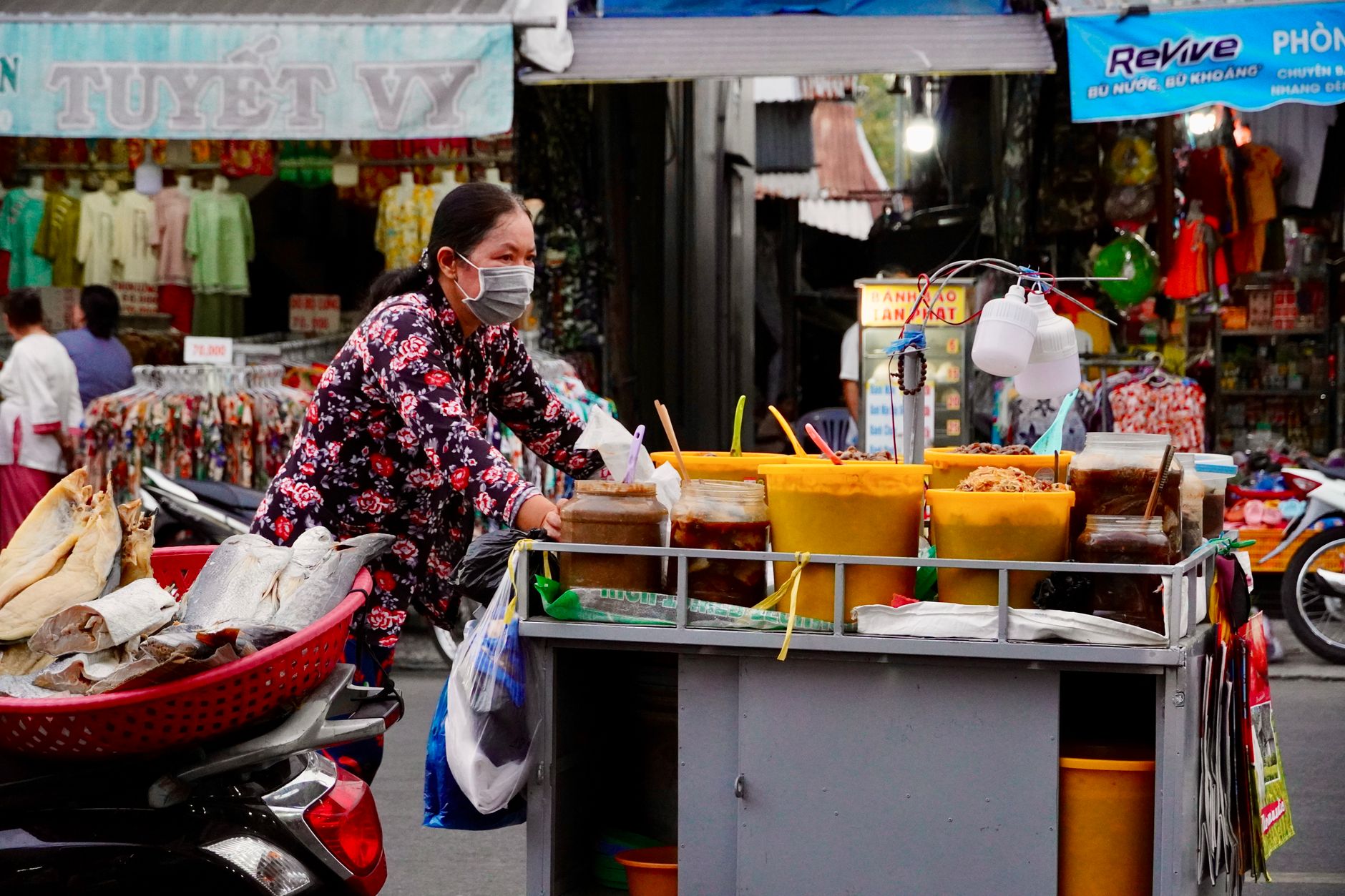
You eat what locals eat, usually in sequence from breakfast through snacks. A typical tour hits bánh mì (crispy French-style sandwich with pâté, pickles, chili), phở (beef or chicken noodle soup, herbs on the side), bánh hoài (Hoi An-style fried wonton crisp), grilled offal (heart, liver, tripe with salt and lime), spring rolls (fresh or fried), sugar cane juice (pressed fresh in front of you), and a savory or sweet snack like bánh cam (sesame pastry) or chè (sweet bean soup). Portions are small—you taste, don't overeat. We stop at family kitchens and corner stalls, never tourist restaurants. Allergies and dietary preferences are handled on booking; we locate stalls ahead and coordinate with vendors.
How crowded are street food tours in December?
December sees high foot traffic but manageable conditions if you start early (6–8 a.m.) or go evening (4–6 p.m.). Peak-hour stalls (11 a.m.–1 p.m.) can have 30–50 people queued; early morning might have 5–10. Tourist groups also increase, especially in Hoi An Ancient Town and Quang Ba flower market neighborhoods. A private tour avoids crowds entirely; a small-group session (4–6 people) moves faster than a large bus group. We book stalls we know, so even busy spots reserve space for us. Expect to stand, squeeze gently, and wait 5–10 minutes per stop.
What should you wear and bring on a street food tour?
Wear comfortable walking shoes (you'll cover 2–4 km), a light long-sleeved shirt or jacket (sun protection and cooler in early morning), and carry a small backpack or crossbody bag. Bring sunscreen, a refillable water bottle, and cash in small denominations (many vendors don't accept cards—our current quote notes help). Hand sanitizer is useful but optional. A phone and fully charged battery help you photograph dishes and navigate WhatsApp coordination with us. Wear clothes you don't mind getting splashed; street food stalls have oil, sauce, and water. Closed-toe shoes are safer than sandals in wet market areas.
How does a Cáo street food session actually run?
We start with a WhatsApp message confirming the meeting point—usually a familiar landmark like a café or corner shophouse. You arrive 10 minutes early; we give a quick brief: today's route, dietary notes, how tasting works (small portions, pace yourself), and any stall owner stories. We walk together, usually in a line of 4–8 people if it's a group. At each stop, we point out what's being made, translate the menu, negotiate price if needed, and order for everyone. You taste, we explain ingredients and technique, and we take photos. Between stops, we chat about flavors, technique, or neighborhood history. The full session runs 2.5–4 hours depending on appetite and group size. We finish at a café for reflection and questions. Rainy days: we reschedule or shorten to indoor market visits only—we'll suggest alternatives on WhatsApp.
| Tour Type | Best For | What You Get | Booking |
|---|---|---|---|
| Private group (2–4 people) | Families, couples, friends | Custom route, flexible pace, no strangers | Ask us for dates |
| Small group (5–8 people) | Solo travelers, budget-conscious | Shared costs, new friends, local rhythm | Ask us for dates |
| Early morning (6–8 a.m.) | Quiet stalls, cool weather, breakfast focus | Fewer tourists, fresher food, intimate vibe | Ask us for dates |
| Evening (4–6 p.m.) | Dinner atmosphere, local crowds | Different menu, energy, sunset light | Ask us for dates |

What happens if you have allergies or dietary restrictions?
Tell us on WhatsApp when you book. We source menus in advance and scout stalls that can omit fish sauce, peanuts, shellfish, or meat—or find vegetarian stops. We translate ingredient lists with vendors. On tour, we remind stall owners of your needs and watch the preparation. We can't guarantee zero cross-contamination in a busy street stall, so if you have a severe allergy, tell us upfront and we'll adjust the route or suggest a Vietnamese cooking class instead, where we control all ingredients in a private kitchen. Kids join tours easily; picky eaters can skip stalls or taste smaller portions. Seniors appreciate slower pacing and chair stops; we tailor duration and intensity.
Why book a guided tour instead of exploring alone?
Alone, you navigate language, menu confusion, hygiene uncertainty, and tourist-trap stalls. A guide translates, recommends, handles money, and steers you toward where locals actually eat—not Instagram spots. We know which stalls have the safest water, freshest ingredients, and best value. We can tell you the history of a dish or technique. We handle logistics, so you relax and taste. Small-group sessions also mean you meet other travelers. Private tours suit families, dietary needs, or anyone wanting a stress-free introduction.
See how a session runs
What's different about street food in each December destination?
Hanoi: Phở broth is richer; crab and snail dishes dominate; bánh cuốn (steamed rolls) are breakfast staple. Markets are packed with herbs, and street ice cream (kem) is year-round. Early morning stalls serve chè (sweet soups) and soy milk.
Hoi An: Ancient Town stalls sell bánh hoài (signature fried crisp), mực nướng (grilled squid), and white rose dumplings. Market food is milder, fish-forward, influenced by coastal supply. Smaller, more navigable than Hanoi.
Saigon: Faster, spicier, more diverse regional cuisines in one city. Bánh mì, bánh tráng nướng (grilled rice paper), and bánh canh (thick soup noodles) vary by stall and neighborhood. Late-night food is a culture.
Da Nang: Seafood stall-heavy; grilled fish, shrimp cakes, snail noodles. Smaller crowds than Hoi An; beaches visible from some stalls. Coastal freshness and relaxed pace.
We run sessions in all four cities; we can recommend based on your interests—if you want more structure, consider pairing a tour with a Vietnamese cooking class to learn prep and flavor balance in a kitchen.
What should you check before booking a street food tour?
Confirm the date and time with us on WhatsApp and check your calendar twice. Disclose allergies and dietary restrictions—no surprises on the day. Ask about the route and which neighborhoods you'll visit; some prefer quieter lanes, others want busy markets. Check what's included: Does the food cost come out of your pocket at each stall, or is it bundled? (Usually you pay vendors directly; we just guide.) Wear appropriate shoes and clothes—we'll remind you, but come prepared. Bring cash in small denominations—many stalls are cash-only. Ask about rain backup plans—we'll reschedule or pivot to indoor markets. Confirm group size and meeting point—no ambiguity on the morning.
Other ways to deepen your food knowledge: a Vietnamese coffee workshop teaches you how street coffee culture works; a farm and countryside experience shows you where ingredients come from; a group and team experiences session lets multiple friends book together.

FAQ
Is it safe to eat street food in Vietnam in December?
Yes. December is cooler, so food spoils slower. Busy stalls have fast turnover—food is fresher. We pick stalls we know and trust. Wash hands before eating; avoid ice made from questionable water. Most travelers eat street food without issue if they use common sense.
How much does street food cost, roughly?
Most single dishes (bánh mì, phở, grilled meat) cost 20,000–a quoted price (a quoted price). A full tasting tour of 6–8 stops totalsa quoted pricein food, paid directly to vendors. Guide fees are quoted separately; ask us on WhatsApp.
Can kids join a street food tour?
Yes. Kids aged 5+ enjoy it if they're adventurous or willing to taste small amounts. Picky eaters can skip stalls. We go slower with families and can shorten the walk. Ask us about adjustments when you book.
What if it rains in December?
December rain is rare but possible. We reschedule or pivot to indoor wet markets and covered stalls. Wet markets (like Ben Thanh) are dry and fun. We'll suggest alternatives on WhatsApp as soon as weather looks uncertain.
Can I book a private tour for just two people?
Yes. Private tours suit couples, close friends, or families. They cost more per person but are fully custom—route, pace, timing, dietary needs. Ask us for a private quote on WhatsApp; we'll tailor it to you.
How long is the walking part?
Expect 2–4 km spread over 2.5–4 hours, with plenty of standing and tasting time. It's not a hike; seniors and less mobile guests can manage it. Tell us if you need shorter distances or chair breaks.
Ask about dates
Tell us the city, your dates and what you would like to try. We reply on WhatsApp in English with options and availability.
FAQ
Is it safe to eat street food in Vietnam in December?
Yes. December is cooler, so food spoils slower. Busy stalls have fast turnover—food is fresher. We pick stalls we know and trust. Wash hands before eating; avoid ice made from questionable water. Most travelers eat street food without issue if they use common sense.
How much does street food cost, roughly?
Most single dishes (bánh mì, phở, grilled meat) cost 20,000–60,000 VND (roughly $0.80–$2.40). A full tasting tour of 6–8 stops totals $5–$15 in food, paid directly to vendors. Guide fees are quoted separately; ask us on WhatsApp.
Can kids join a street food tour?
Yes. Kids aged 5+ enjoy it if they're adventurous or willing to taste small amounts. Picky eaters can skip stalls. We go slower with families and can shorten the walk. Ask us about adjustments when you book.
What if it rains in December?
December rain is rare but possible. We reschedule or pivot to indoor wet markets and covered stalls. Wet markets (like Ben Thanh) are dry and fun. We'll suggest alternatives on WhatsApp as soon as weather looks uncertain.
Can I book a private tour for just two people?
Yes. Private tours suit couples, close friends, or families. They cost more per person but are fully custom—route, pace, timing, dietary needs. Ask us for a private quote on WhatsApp; we'll tailor it to you.
How long is the walking part?
Expect 2–4 km spread over 2.5–4 hours, with plenty of standing and tasting time. It's not a hike; seniors and less mobile guests can manage it. Tell us if you need shorter distances or chair breaks.
More like this
Street food and market tours
Best Street Food Tour in Sapa: What to Expect, How to Choose
Street food tours in Sapa connect you with hill-town cooks and night markets. We'll walk you through what these sessions offer, who they're for, and how to avoid common missteps.
Street food and market tours
Best Street Food Tour in Hue: What to Choose, Who It's For
A street food tour in Hue isn't one thing—it's a choice between styles, neighborhoods, and paces. We break down what actually happens on each type, and how to know which fits your group.
Street food and market tours
Best Food Walking Tour in Vietnam: Hanoi Street Food Guide
A food walking tour in Vietnam immerses you in bustling markets and street lanes where vendors have cooked the same dishes for decades. We show you what to taste, how to order, and the stories behind each bite.