
Home › Blog › Street food and market tours
Street Food Tour Vietnam for Foreigners: What to Expect & How to Prepare
By the Cáo Experiences team · 2026-11-06
A street food tour in Vietnam for foreigners is a guided walk through neighborhood food lanes, wet markets, and vendor clusters where locals eat breakfast, lunch, and snacks. Tours typically run 2–4 hours, led by a local host who speaks English and knows the vendors personally. You'll stop at 5–10 stalls or small kitchens, taste 8–15 dishes, and learn why each one matters to Vietnamese daily life. Most tours include water, a small notebook, and WhatsApp contact with your host before and after. At Cáo Experiences, we run street food and market tours in Hanoi's old quarter and Saigon's District 1 and 5, leaving mornings or late afternoons to avoid peak heat. Tours suit solo travelers, couples, families with kids aged 8+, and groups up to 12. Expect to walk on uneven pavements, stand in crowds, and eat from plastic stools or while standing—not sit-down dining. First-time jitters usually center on hygiene, spice level, and "what if I don't like it?"—all manageable with honesty about allergies and preferences when you book. Ask about dates on WhatsApp
What dishes will I actually eat on a Vietnam street food tour?
A typical tour hits banh mi (crispy bread filled with pâté, pickled vegetables, and grilled meat), pho (beef or chicken noodle soup served at dawn), banh cuon (steamed rice rolls with pork and mushroom), nem (fried spring rolls), freshly made banh xeo (sizzling crepes), sticky rice with savory toppings, and one or two desserts like banh hoai (ancient town cake) or che (herbal sweet soup). You'll also taste drinks: Vietnamese iced coffee with egg yolk cream, sugarcane juice, or sour tamarind water. Each stop teaches you why that vendor exists—a family has run the banh mi cart for 40 years because they source the bread fresh each morning from a baker three streets away. The lesson isn't "try exotic food"; it's "this is what breakfast means to 10 million people here." Spice is customizable: tell your host at the first stop if you want mild, and we'll signal ahead.
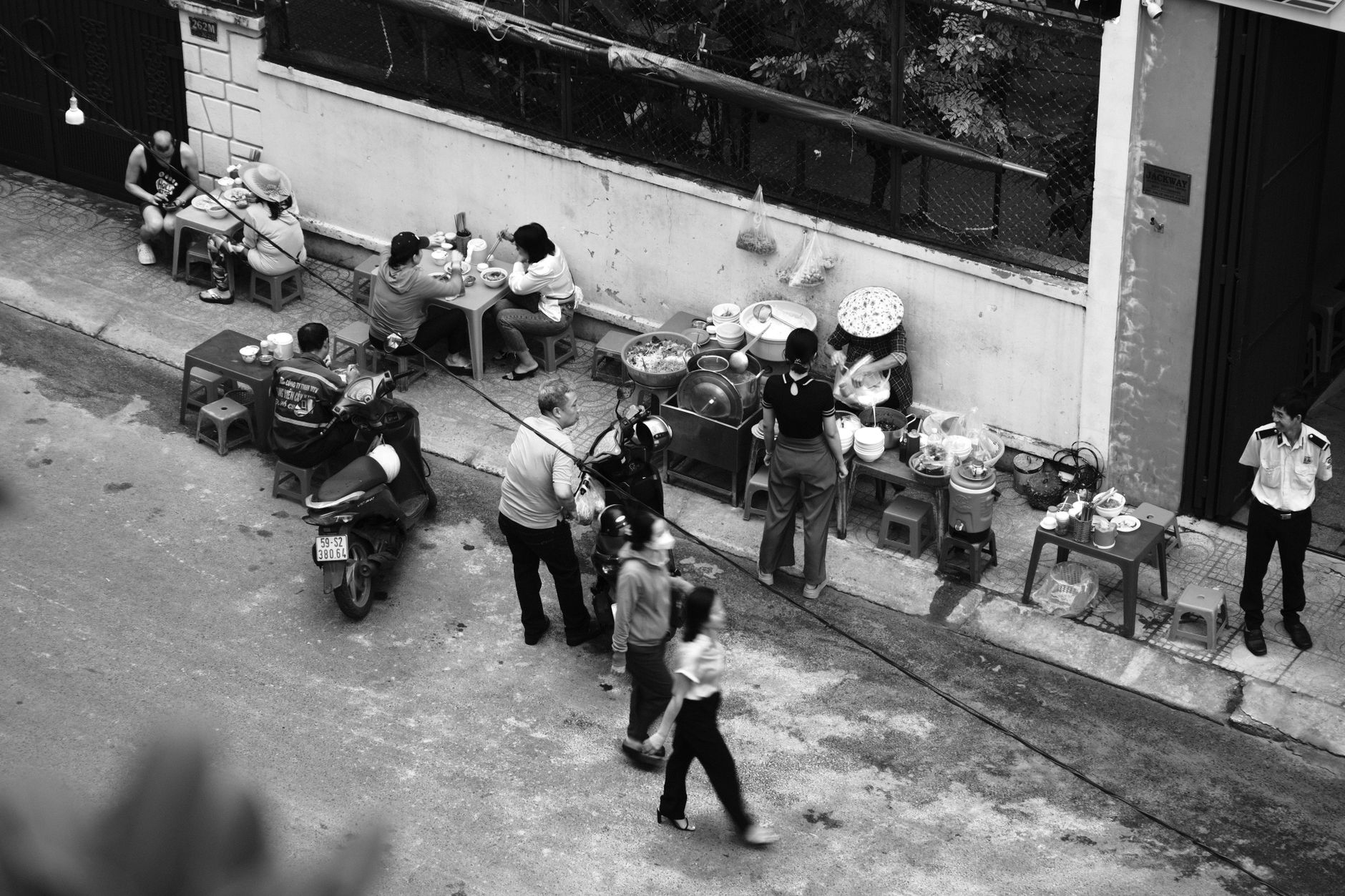
Is street food in Vietnam actually safe for foreigners?
Yes, with honest caveats. Street vendors with high turnover—selling to hundreds of locals daily—maintain food safety out of necessity: if people get sick, they lose customers instantly. The risk isn't the vendor; it's your stomach's unfamiliarity with new bacteria and spice. Most foreigners experience no issues; some have mild digestion shifts in the first 24 hours, especially if they eat a lot at once or drink tap water. Stick to hot food (cooked to order), avoid salads, ask vendors to skip raw herbs if you're cautious, and bring rehydration salts. Our hosts carry sealed water bottles and know which vendors we've worked with for years. If you have a specific allergy—shellfish, peanuts, eggs—tell us three days before; we'll map a custom route or brief your host on modifications. Hygiene standards vary visibly: choose vendors with short queues of locals, food covered, and hands washed between orders. We point these out.
How do I prepare my stomach for street food tour eating?
Eat lightly for two days before the tour—breakfast and lunch only, nothing heavy after 6 p.m. This preps your digestive system without shocking it. Bring electrolyte sachets (rehydration salts), a small bottle of antacid, and any personal allergy medications. Eat a small breakfast two hours before the tour starts; never arrive hungry or you'll overeat. During the tour, take small bites, chew thoroughly, and alternate between food and water. Skip the tour if you're on antibiotics, have active gastro issues, or have just flown in that day—your gut needs 24–48 hours to adjust to a new climate. If you take Imodium before, you might trap bacteria; skip it unless symptoms appear. Walk slowly after eating; vendors' food is often very fresh and warm, so digestion works faster. After the tour, eat plain rice or porridge for dinner. Most foreigners who follow this are fine; those who skip it and eat two massive street meals plus local restaurant dinner at night sometimes regret it.
Where are the best street food neighborhoods for foreigners?
Hanoi old quarter (within the 36 streets near Hoan Kiem Lake): narrow lanes with morning and afternoon food vendor clusters; walkable in 2.5 hours; packed with locals and tourists, chaotic but organized. Saigon District 1 (around Ben Thanh market vicinity): wet market food stalls, busy lunch-hour banh mi lanes, modern cafes mixed with old-school soup vendors. Saigon District 5 (Chinatown side streets): fewer foreigners, slower pace, family kitchens tucked into lane housing. Our street food and market tours prioritize the early-morning or late-afternoon windows when vendors are most active and crowds are thinner. A morning tour hits breakfast vendors; an afternoon tour focuses on lunch specialties and snacks. Rainy days still work—vendors don't close—but wear slip-on shoes and bring a light waterproof bag for your phone.
What should I wear and bring on a street food tour?
Wear loose, light clothing (cotton or linen), slip-on shoes (not laced—you'll be standing and moving quickly), and a light layer or scarf for air-con transitions. Bring a small backpack (8–12 liters), sealed water bottle, hand sanitizer, small notepad, phone charger, and a light rain jacket even in dry season. Skip rings, dangly jewelry, and heavy cameras—crowds are tight and pickpockets rare but possible. Wear a crossbody bag, not a backpack on your back alone. Bring cash in small notes; many vendors don't accept cards. Don't bring a large roll-on suitcase or a serious camera rig—they draw attention and slow you down. Sunscreen and hat are useful for afternoon tours. If you're vegetarian or vegan, tell us when you book; we'll design a route heavy on rice cakes, vegetables, and tofu, though "no fish sauce" is hard to guarantee in Vietnam—most dishes contain traces. Our hosts know how to navigate this.

How does a street food tour actually flow hour by hour?
Hour 1 (arrival + first two stops): Meet your host at an agreed landmark, get a WhatsApp check-in the night before. Your host briefs you on the route, bathroom locations, and what "street food" means here—then you walk to the first vendor. Eat banh mi while standing, chat with the vendor's family (your host translates), learn why they source their pâté from one supplier. Stop two is pho or banh cuon; you sit on a plastic stool at a shared table. Hour 2 (middle stops): Walk to 3–4 vendors in a tighter cluster; try nem, then sugarcane juice, then a steamed cake. Your host asks vendors about ingredients, cooking time, price. You taste a soft drink specific to the neighborhood. Hour 3 (final stops + bonus): Last savory item (often banh xeo), one dessert, and a final drink. The tour ends at a bench or a quiet corner where you can rest and ask questions. Total time on your feet: ~45 minutes out of 3 hours; the rest is eating, learning, and photos. Kids find the second hour hardest (standing, heat); we adapt by shortening routes for under-10s or adding rest stops.
| Tour Type | Duration | Best For | Walking Distance | Rain-Friendly |
|---|---|---|---|---|
| Morning breakfast loop | 2 hours | solo travelers, early risers | ~2 km | Yes, vendors still open |
| Afternoon snack & lunch | 3 hours | couples, foodies | ~2.5 km | Yes, covered market sections |
| Evening dinner prep | 2.5 hours | groups, large appetites | ~2 km | Yes, vendors roofed |
| Family tour (kids 8+) | 2 hours | families, slower pace | ~1.5 km | Shorter, indoor fallback |
What are common worries foreigners bring, and how do we handle them?
"I don't like spicy food": Tell your host immediately; we brief vendors to go mild on chili and hot sauce. "What if I'm allergic?": List it when you message us on WhatsApp; we pre-scout vendors and sometimes redesign the route. "I'll get food poisoning": Rare if you follow prep advice; we've never had a guest fall ill on tour. "I won't understand the names": Your host explains each dish, its history, and why it matters—you get a mental map, not a checklist. "I'm vegetarian/vegan": Possible but limited; most Vietnamese street food uses fish sauce, shrimp paste, or animal stock. We can design a route, but expect some compromise. "It'll be too crowded/scary": Hanoi old quarter is chaotic but safe; we navigate as locals do. Saigon tours are slower. Kids aged 8+ handle crowds fine if they've eaten beforehand. "What if I don't finish everything?": No pressure—we taste portions, not three-course meals. Leave what you don't want. "I have a tight budget": Ask us for dates and a quote on WhatsApp; we scale tours by neighborhood and duration to match what you're looking for.
Why join Cáo Experiences for a street food tour instead of going alone?
Alone, you'll find vendors but miss context. A vendor might be using a recipe unchanged since 1962, or their daughter just took over after 30 years, or the pickled vegetable recipe comes from a specific region in the Mekong. You won't learn this from a guidebook. Our hosts are locals who eat at these stalls weekly—they have relationships with vendors, know which ones opened that week, and can ask vendors questions in Vietnamese while translating answers back. They also handle logistics: finding bathrooms, carrying water, pacing the walk so you're not exhausted by stop four, and knowing which route works in rain or heat. If you're uncomfortable in a crowd, or traveling with kids, or have complex allergies, a solo visit becomes stressful. A guided street food and market tour lets you focus on tasting and learning, not logistics or anxiety. We run tours in Hanoi and Saigon year-round; ask us about dates on WhatsApp.
What to check before you book a street food tour
- Your digestion and food allergies: List them honestly in the WhatsApp message. No shame; we adapt all the time.
- Pace and stamina: Tours involve 2–3 hours of walking and standing. If you have joint pain or mobility issues, mention it; we shorten routes or pause longer at each stop.
- Time of year: Morning tours are best in hot season (April–September) to avoid 11 a.m. heat. Rainy season tours work but are slower; bring a bag.
- Language comfort: English is fine; your host speaks it. But learning 5–10 Vietnamese dish names beforehand makes the tour richer.
- Group size and dynamics: Tours are usually 4–8 people or private (2–3 people). Groups move slower; private tours are pricier but flexible.
- Photography expectations: Take photos, but don't set up tripods or spend 15 minutes per vendor. Vendors appreciate a quick, genuine interest more than a photoshoot.
- Budget for tips and extras: We include water and guide time. Snacks, drinks, and tips to vendors (optional but appreciated) come from your pocket.
Pages from our team you may need
FAQ
Do I need to speak Vietnamese to enjoy a street food tour?
No. Our hosts speak English fluently and translate vendor conversations. You'll hear Vietnamese words for dishes and may learn basic phrases, but it's not required.
Can kids under 8 join a street food tour?
Tours suit kids 8+. Younger kids find standing, crowds, and new tastes challenging. We run family-friendly experiences with gentler pacing; ask us to customize.
What happens if I'm severely allergic to shellfish or peanuts?
Tell us when you book via WhatsApp. Many Vietnamese dishes use shrimp paste or fish sauce (shellfish). We map peanut-free vendors and brief your host, but can't guarantee zero contamination in shared kitchen spaces. Some allergies may not be compatible with street food tours.
Can I do a street food tour in the evening or at night?
Most street food vendors operate dawn to mid-afternoon (banh mi and pho carts) or 4 p.m.–9 p.m. (dinner and snack vendors). We run afternoon and early-evening tours. Very late-night tours are rare because vendors close by 10 p.m.
What if it rains heavily on the day of my tour?
Street food vendors are still open; many operate under roofs or awnings. We go ahead unless rain is extreme (flooding). Bring a light waterproof bag and slip-on shoes. If conditions are unsafe, we reschedule on WhatsApp the morning of the tour.
Do I tip the street food vendors?
Tipping isn't expected in Vietnam, but a small coin or rounding up is appreciated. We explain this to guests and model respectful behavior at each stall.
How far in advance should I book a street food tour?
3–7 days is ideal so we can check vendor schedules and brief your host. Last-minute bookings (1–2 days) sometimes work; message us on WhatsApp to ask about availability.
Ask about dates
Tell us the city, your dates and what you would like to try. We reply on WhatsApp in English with options and availability.
FAQ
Do I need to speak Vietnamese to enjoy a street food tour?
No. Our hosts speak English fluently and translate vendor conversations. You'll hear Vietnamese words for dishes and may learn basic phrases, but it's not required.
Can kids under 8 join a street food tour?
Tours suit kids 8+. Younger kids find standing, crowds, and new tastes challenging. We run [family-friendly experiences](/family-experiences) with gentler pacing; ask us to customize.
What happens if I'm severely allergic to shellfish or peanuts?
Tell us when you book via WhatsApp. Many Vietnamese dishes use shrimp paste or fish sauce (shellfish). We map peanut-free vendors and brief your host, but can't guarantee zero contamination in shared kitchen spaces. Some allergies may not be compatible with street food tours.
Can I do a street food tour in the evening or at night?
Most street food vendors operate dawn to mid-afternoon (banh mi and pho carts) or 4 p.m.–9 p.m. (dinner and snack vendors). We run afternoon and early-evening tours. Very late-night tours are rare because vendors close by 10 p.m.
What if it rains heavily on the day of my tour?
Street food vendors are still open; many operate under roofs or awnings. We go ahead unless rain is extreme (flooding). Bring a light waterproof bag and slip-on shoes. If conditions are unsafe, we reschedule on WhatsApp the morning of the tour.
Do I tip the street food vendors?
Tipping isn't expected in Vietnam, but a small coin or rounding up is appreciated. We explain this to guests and model respectful behavior at each stall.
How far in advance should I book a street food tour?
3–7 days is ideal so we can check vendor schedules and brief your host. Last-minute bookings (1–2 days) sometimes work; message us on WhatsApp to ask about availability.
More like this
Street food and market tours
Best Street Food Tour in Sapa: What to Expect, How to Choose
Street food tours in Sapa connect you with hill-town cooks and night markets. We'll walk you through what these sessions offer, who they're for, and how to avoid common missteps.
Street food and market tours
Best Street Food Tour in Hue: What to Choose, Who It's For
A street food tour in Hue isn't one thing—it's a choice between styles, neighborhoods, and paces. We break down what actually happens on each type, and how to know which fits your group.
Street food and market tours
Best Food Walking Tour in Vietnam: Hanoi Street Food Guide
A food walking tour in Vietnam immerses you in bustling markets and street lanes where vendors have cooked the same dishes for decades. We show you what to taste, how to order, and the stories behind each bite.