
Home › Blog › Street food and market tours
Street Food Tour Vietnam for Japanese Travelers: What to Expect
By the Cáo Experiences team · 2026-11-06
A street food tour in Vietnam for Japanese travelers is a 3–4 hour guided walk through local markets and alleyways where you stop at 6–10 vendors to taste authentic dishes: bánh mì, phở, bánh xèo, grilled skewers, and egg coffee. Tours happen in Hanoi, Ho Chi Minh City, Hoi An, and Da Nang, usually in small groups (4–8 people) with English-speaking hosts who explain ingredients, history, and etiquette. You walk slowly, eat small portions at each stop, learn how to order, and rest often—no rushing. Cáo Experiences runs these as hands-on sessions where you're not a spectator but a participant: you hold the chopsticks, ask questions, and decide what you like before moving on. Most Japanese guests worry about spice, unfamiliar textures, and hygiene; we work with vendors we know, skip dishes you dislike, and focus on what excites you. Cost varies by location and group size; ask us for dates and a quote on WhatsApp. Ask about dates on WhatsApp
Why does Vietnamese street food feel so different from Japanese cuisine?
Vietnamese street food celebrates raw herbs, bold spice, and layered texture in ways Japanese cooking typically doesn't. Where Japanese plating is restrained and flavors are balanced in silence, Vietnamese street vendors pile fresh mint, cilantro, and lime next to fish sauce and chili—you mix as you eat. Rice noodles replace cooked rice at most stalls. Fermented pastes (shrimp, anchovy) are a base, not a side. Most dishes are built to order, still steaming, and meant to be finished in five minutes at a plastic stool. Japanese travelers often experience a moment of disorientation—not because it's bad, but because the logic is unfamiliar. A good tour normalizes that feeling fast. Once you understand why mint belongs in a bánh mì (it cuts the richness of the pâté) or why you dip your spring roll in both fish sauce and hoisin (salt and sweet balance the rice-paper chew), the food stops feeling chaotic and starts feeling deliberate.
What dishes should a Japanese visitor try first?
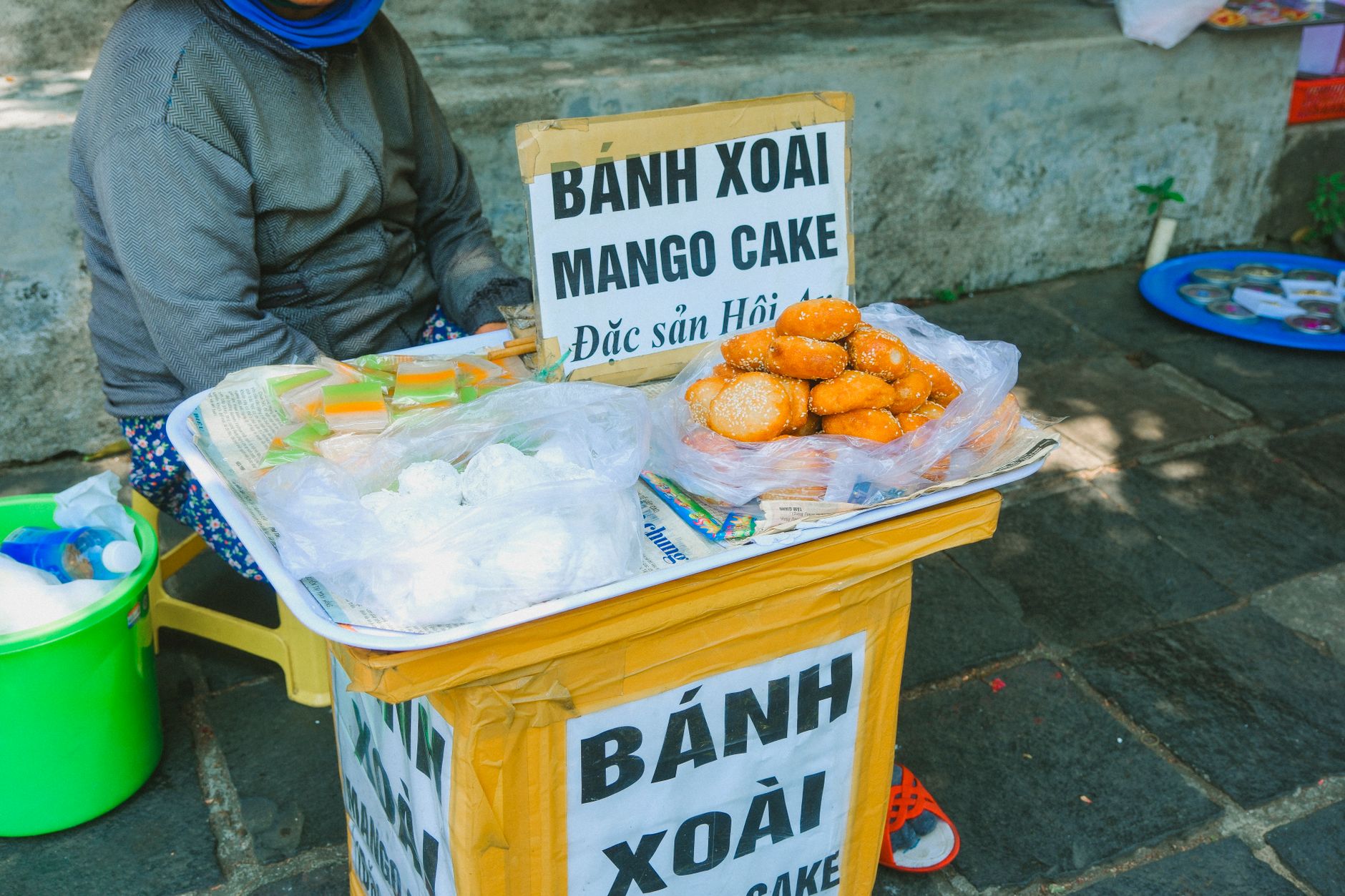
Start with bánh mì (Vietnamese sandwich): baguette, cold cuts, pickled daikon and carrot, mayo, cilantro, and fresh chili. It's the least confronting entry point—familiar bread and format, but the fillings are different. Next, try bánh xèo (sizzling pancake): a crispy crepe filled with shrimp, pork, and bean sprouts, wrapped in lettuce and fresh herbs, then dipped in fish sauce. The crunch and the ritual of wrapping calm Japanese diners who like interaction with their food. Phở (rice noodle soup) comes next—it's milder and more approachable than you'd expect; the broth is the star, not the chili. Then spring rolls: fresh summer rolls are cool and textured; fried spring rolls are savory and crunchy. By the fourth stop, you're ready for grilled items (skewered meat or seafood, charred and smoky) and egg coffee (sweet, rich, a dessert in a cup—unexpectedly beloved by Japanese guests). The sequence matters: we move from familiar to bold, from cool to hot, from simple to spiced, so your palate adjusts naturally.
How do guides help with spice, allergies, and dietary needs?
Before your session, we ask via WhatsApp about allergies, spice tolerance, and foods you dislike. Japanese guests often fear chili; we don't avoid it—we explain it. Spice in Vietnamese food is layered: fresh chili adds brightness, not just heat; fish sauce carries umami, not just salt. You taste with a guide who knows which vendors can skip the chili, add lime instead of fish sauce, or double the herbs. If you're vegetarian, we pre-scout vendors who serve tofu bánh mì, vegetable bánh xèo, and plant-based spring rolls—real options, not apologetic substitutes. For shellfish or peanut allergies, we phone ahead; a good vendor will clean the pan and tell you exactly what's in the sauce. We also walk slowly enough that you can refuse a dish without guilt or awkwardness. No one eats grilled tripe if they don't want to. Part of the tour is learning how to say "no" politely in Vietnamese and how to ask "what is this?" in a way locals respect. That skill outlasts the meal.
Which cities in Vietnam have the best street food tours?
| City | Best for | Vibe | Timing |
|---|---|---|---|
| Hanoi | History, depth, vendors | Narrow lanes, chaos, old quarter | Early morning or dusk |
| Ho Chi Minh City | Scale, variety, speed | Modern chaos, broad avenues | Evening, cooler |
| Hoi An | Charm, craft, small groups | Canals, lanterns, quieter | Morning or afternoon |
| Da Nang | Beach food, mix of styles | Modern + coastal + rural nearby | Flexible, year-round |
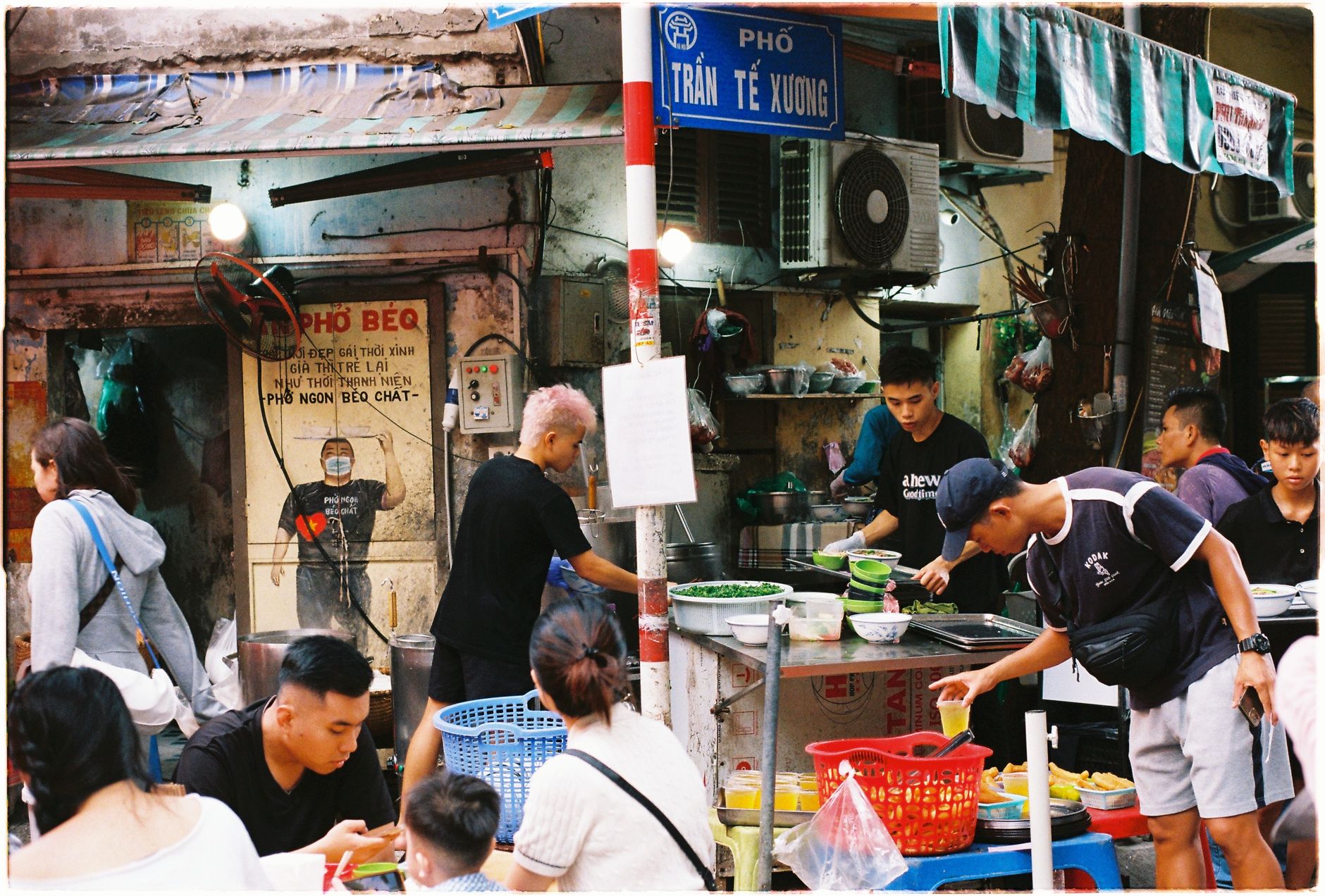
Hanoi has the deepest street food culture: vendors have been in the same 2-meter space for decades, recipes are family secrets, and the food is assertively local. The old quarter's maze of lanes means you're never in tourist areas. Ho Chi Minh City moves faster—you cover more vendors in the same time, the variety is wider, and it's a good introduction if you want breadth over depth. Hoi An's street food is gentler and more photogenic; guides move slower, and you often taste in courtyards or by water. Da Nang sits between modernity and tradition; it's less touristy than the others but still welcoming to visitors. We run tours in all of these destinations; each city shapes the experience differently. Ask which matches your pace.

What should you wear and bring on a street food tour?
Wear loose, breathable clothes—you're walking slowly for 3–4 hours in warm, humid air, often at midday or evening when it's hot. Flip-flops or slip-on shoes work; you'll step in wet gutters and drain water. A small crossbody bag (not a backpack) keeps your hands free for eating and chopsticks. Bring a reusable water bottle—we often refill at vendors or small shops. Sunscreen and a light hat help; some tours have shaded sections, but lanes can be exposed. Many vendors work from open-air stalls or wooden stools; there's no air-conditioning. A hand towel or small pack of wet wipes is practical—you eat with your hands more than you expect, and washing stations aren't always nearby. Consider wearing a mask if you're concerned about air quality or splashing from the cooking—it's normal in Vietnam. In rainy season (May–September), bring a compact umbrella or packable rain jacket; vendors move under awnings, and the tour continues unless there's a downpour. We reschedule if lightning or flooding threatens, but light rain is part of the experience. Bring your phone charged if you want photos; we help you frame them between bites.
How do Japanese travelers typically react to street food tours?
Most arrive nervous and leave planning their next meal. Japanese guests often expect a single tour guide explaining everything; instead, we introduce you to vendors, and the food becomes a conversation. You learn that the elderly woman selling bánh xèo has been doing it for 35 years, that she sources shrimp from a specific stall two streets over, and that her version uses a ratio of rice flour and tapioca no one else in the lane knows. That human detail changes how the food tastes. Some Japanese travelers worry they'll be the only foreigners; we keep groups small and mixed (often 2–3 other international guests, sometimes solo travelers or couples). The pace is slow—you're not on a schedule. We sit when you need rest, skip a vendor if you're full, and linger if you're fascinated. Many Japanese guests say afterward that this tour did more to explain Vietnamese culture than a museum would. Street food is where time, family, economy, and pride intersect. A vendor's menu reflects what's seasonal, what their neighborhood can afford, and what their mother taught them. Once you understand that, you're not just eating—you're reading the city.
What to check before you book a street food tour
1. Ask which city suits your stay length. A 3-hour Hanoi tour fits one day; if you're there longer, two different tours (old quarter and another neighborhood) give a rounder picture.
2. Confirm your dietary needs in writing via WhatsApp. Don't assume "vegetarian" or "no shellfish" is automatic; we need time to scout alternative vendors.
3. Check the weather forecast. Light rain is fine; heavy downpours mean we reschedule. A tour in May–September may be muggier than October–March.
4. Ask about group size and who else is booked. You might join 3–4 international guests or join a semi-private group; each feels different.
5. Wear slip-on shoes. You'll regret laces or thick hiking boots by the second vendor.
6. Bring small bills. Some vendors don't use card readers; cash (local currency) makes things smoother and is a gesture of respect.
7. Plan no big activities right after. You'll be full, tired, and wanting to rest or wander alone to process what you've learned.
For a full picture of what a session looks like—how we move, what guides say, how we adapt for solo travelers or couples—visit our street food and market tour page or read more stories from our hosts. Japanese travelers often combine a street food tour with a Vietnamese cooking class to learn how to make the dishes at home. Both deepen each other. Get in touch to check dates and book.
FAQ
Is street food in Vietnam hygiene-safe for international visitors?
Yes, if you eat at popular vendors we know. We work with long-established stalls, not random kiosks. Vendors cook-to-order, so food is always hot and fresh. High turnover means ingredients rotate daily. Some stomachs adjust to new bacteria in 24 hours; others take 3–4 days. Start with lighter dishes (noodle soups, spring rolls) before trying organs or heavily fermented items. Avoid tap water; we stick to bottled water and vendor-served drinks.
Can kids or elderly people join a street food tour?
Yes. Kids (8+) enjoy the adventure and learn to use chopsticks in context. We skip complex dishes and focus on bánh mì, spring rolls, and noodle soup. Elderly guests enjoy slower-paced tours in Hoi An or Da Nang; we sit frequently and choose less crowded vendors. Mobility matters: narrow old-quarter lanes in Hanoi are harder than Ho Chi Minh City's broader streets. Tell us about mobility or dietary limits when you inquire.
How much will I eat, and will I be full?
You eat small portions (one bánh mì, three spring rolls, one bowl of soup, one skewer, one coffee). Most guests finish comfortably hungry rather than stuffed. The tour is about tasting, not feasting. Portions are smaller than a full meal. Some guests grab dinner after; others are satisfied for hours. It depends on your appetite and whether you've eaten breakfast.
What if I don't like fish sauce, chili, or organ meat?
We adapt. Tell us in advance; we scout vendors who cook milder dishes or skip certain ingredients. You can watch others eat organs and try something else nearby. No judgment. Many vendors offer vegetarian options or can make bánh mì without chili. Some guests come back a week later and try something they refused the first day—that's normal.
Do guides speak English, and can I ask lots of questions?
Yes to both. All our guides speak conversational English. Questions about ingredients, history, cooking methods, and local life are encouraged. The tour is half eating, half talking. Guides also teach useful Vietnamese phrases (how to order, compliment a vendor, ask prices) so you feel less dependent on translation by the end.
Ask about dates
Tell us the city, your dates and what you would like to try. We reply on WhatsApp in English with options and availability.
FAQ
Is street food in Vietnam hygiene-safe for international visitors?
Yes, if you eat at popular vendors we know. We work with long-established stalls, not random kiosks. Vendors cook-to-order, so food is always hot and fresh. High turnover means ingredients rotate daily. Some stomachs adjust to new bacteria in 24 hours; others take 3–4 days. Start with lighter dishes (noodle soups, spring rolls) before trying organs or heavily fermented items. Avoid tap water; we stick to bottled water and vendor-served drinks.
Can kids or elderly people join a street food tour?
Yes. Kids (8+) enjoy the adventure and learn to use chopsticks in context. We skip complex dishes and focus on bánh mì, spring rolls, and noodle soup. Elderly guests enjoy slower-paced tours in Hoi An or Da Nang; we sit frequently and choose less crowded vendors. Mobility matters: narrow old-quarter lanes in Hanoi are harder than Ho Chi Minh City's broader streets. Tell us about mobility or dietary limits when you inquire.
How much will I eat, and will I be full?
You eat small portions (one bánh mì, three spring rolls, one bowl of soup, one skewer, one coffee). Most guests finish comfortably hungry rather than stuffed. The tour is about tasting, not feasting. Portions are smaller than a full meal. Some guests grab dinner after; others are satisfied for hours. It depends on your appetite and whether you've eaten breakfast.
What if I don't like fish sauce, chili, or organ meat?
We adapt. Tell us in advance; we scout vendors who cook milder dishes or skip certain ingredients. You can watch others eat organs and try something else nearby. No judgment. Many vendors offer vegetarian options or can make bánh mì without chili. Some guests come back a week later and try something they refused the first day—that's normal.
Do guides speak English, and can I ask lots of questions?
Yes to both. All our guides speak conversational English. Questions about ingredients, history, cooking methods, and local life are encouraged. The tour is half eating, half talking. Guides also teach useful Vietnamese phrases (how to order, compliment a vendor, ask prices) so you feel less dependent on translation by the end.
More like this
Street food and market tours
Best Street Food Tour in Sapa: What to Expect, How to Choose
Street food tours in Sapa connect you with hill-town cooks and night markets. We'll walk you through what these sessions offer, who they're for, and how to avoid common missteps.
Street food and market tours
Best Street Food Tour in Hue: What to Choose, Who It's For
A street food tour in Hue isn't one thing—it's a choice between styles, neighborhoods, and paces. We break down what actually happens on each type, and how to know which fits your group.
Street food and market tours
Best Food Walking Tour in Vietnam: Hanoi Street Food Guide
A food walking tour in Vietnam immerses you in bustling markets and street lanes where vendors have cooked the same dishes for decades. We show you what to taste, how to order, and the stories behind each bite.