
Home › Blog › Tea experiences
Tea ceremony in Sapa: how to choose your experience
By the Cáo Experiences team · 2026-11-06
A tea experience in Sapa is a 2–3 hour hands-on session in a family kitchen or quiet garden in the mountains above town, where you learn water temperature, leaf grading, and brewing rhythm from a local guide. You'll taste 3–5 teas (often white, oolong, and roasted varieties grown nearby), handle real porcelain ware, and leave with a clear sense of how Vietnamese tea culture differs from tea in other regions. Groups of 2–6 guests are common; we adapt for beginners, kids, and people with hot-water sensitivities. The session includes all materials, translation into English, and photo time. Sapa's elevation and cool season mean rain is frequent—we have covered spaces and indoor backup plans. Ask us for dates and a quote on WhatsApp. Ask about dates on WhatsApp
What makes a Sapa tea session different from one in Hanoi?
Sapa's altitude, cool climate, and proximity to tea gardens mean the leaves here taste cleaner—fewer oxidized or roasted notes. A session in Hanoi often happens in a shopfront with packaged samples; up here, we source from growers we know in the valleys below, and you taste the raw leaf before any processing. The mountain water—drawn from springs or collected rain—actually changes the brew's flavor. That's not romantic talk; it's measurable. Hanoi teaches the ceremony's history; Sapa lets you taste why altitude and water matter.

Who should book a tea ceremony—and who might prefer something else?
Best fit: Couples on a quiet afternoon, small groups (2–4) who like slow rituals, people interested in how tea connects to landscape, and seniors who prefer sitting-down activities with gentle pace.
Less ideal: Very young children (under 8) find 2 hours of tasting repetitive; families with toddlers should consider our farm experience or family-friendly sessions instead. Guests on a strict schedule (needing to leave town in 90 minutes) feel rushed. Those who dislike hot water or have severe caffeine sensitivity may want to ask us about a non-tasting, observation-only version.
Mixed groups? We've run sessions where half participate fully and half observe and photograph—it works, but book one guide per 3 tasters and one per 4 observers for comfort.
How does a typical Sapa tea session actually unfold, hour by hour?
0:00–0:15 — We meet in a family kitchen or covered pavilion (location confirmed via WhatsApp). You remove shoes, sit on low stools or cushions around a wooden table. Guides show you the raw leaf, explain its origin, and you examine the color.
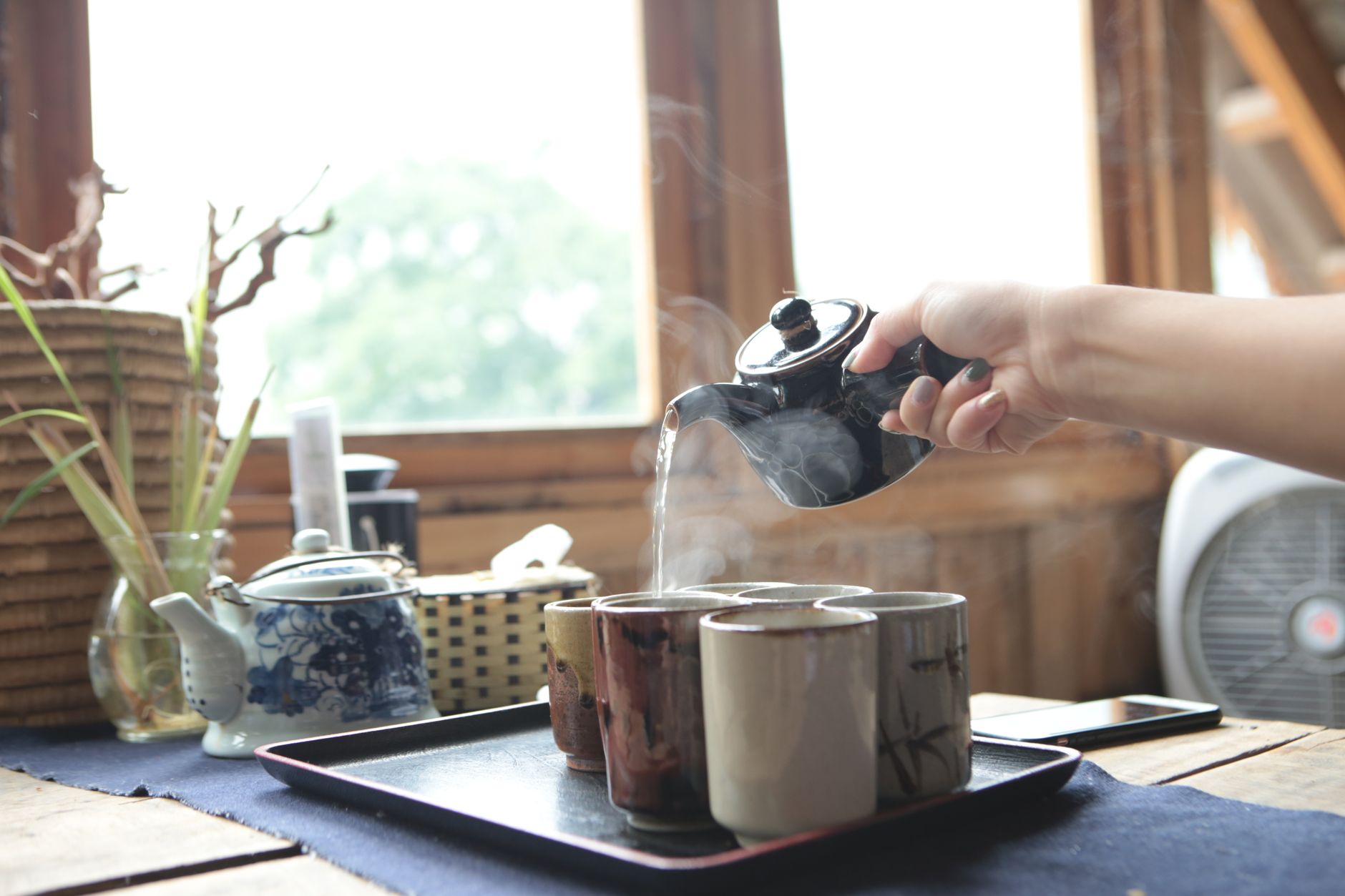
0:15–0:40 — First steep: we heat water to 70–80°C (you feel the difference when you hold the kettle), brew for 30 seconds, pour into small cups. You sip, pause, notice the flavor. No rush. One guide takes photos.
0:40–1:00 — Second and third steeps of the same leaf; each tastes different because oxidation changes in the pot. Guides answer questions.
1:00–1:30 — Switch to a different tea (often an oolong or roasted variety). Same method: observe, heat, steep, taste, compare.
1:30–2:00 — Final leaf, often a lighter white tea or a local specialty. By now your palate recognizes the shifts between them.
2:00–2:15 — You handle the actual tea ware—tiny cups, a bamboo whisk if relevant, the brewing pot. Some guides teach how to rinse leaves. Photos of your hands with the cups.
2:15–2:30 — Questions, a printout of the tea names and steep times, goodbyes. You're given a small bag of one of the teas to take home.
Common worries: "Will I like it if I don't normally drink tea?" Yes—we taste for flavor, not for caffeine habit. "Can I skip tasting and just watch?" Absolutely; we adapt. "What if I'm late?" Message us; we start when you arrive.
What should you wear and bring to Sapa's mountains?
Clothing:
- Long-sleeved layer (fleece or cotton) even in summer; Sapa averages 18°C, not 25°C.
- Closed-toe shoes or slip-ons (you remove them indoors).
- A light rain jacket; mist and drizzle are normal.
- No perfume or strong cologne—it masks the tea's aroma.
In your bag:
- Phone fully charged (photos are part of the experience).
- A small notebook if you want to jot down the tea names.
- Water bottle (we provide hot water, but cold water helps your palate between tastings).
- Any medication (we have a first-aid kit, but bring your own for peace of mind).
Do NOT bring: Large backpacks (they're awkward indoors), sunglasses indoors, or expectations of a "performance"—this is intimate and casual.
How do you choose between a private session and a small-group one?
| Session type | Best for | Group size | Why choose it |
|---|---|---|---|
| Private | Couples; families with young kids; people learning specific tea techniques | 2–4 (same party) | Flexible timing; guide focuses entirely on you; can repeat steeps. |
| Small group | Solo travelers; friend groups; people who want to meet others | 4–6 mixed guests | Lower cost per person; different energy; guides manage questions from multiple angles. |
| Corporate / team | Companies doing a retreat; groups of 8+ | 8–12 | Longer session; multiple guides; a shared memory. Ask about group experience details. |
Money consideration: Private sessions cost more per head but less total if you're 2 people. Small-group spreads the guide's time and thus the cost. Ask us for dates and a quote on WhatsApp for your exact group size.
What if it rains or I have a dietary restriction?
Rain: Sapa is cloudy 60% of the year; we don't cancel for mist or drizzle—it's part of the mood. Heavy downpour (rare in autumn/winter)? We move indoors to a covered kitchen or a local community space. The tea tastes the same; the only loss is the mountain view. Message us if you want a 100% covered option when booking.
Hot-water concerns: If you have a scalding sensitivity or hand tremors, we pour for you and you sip from a cup we hold. Not awkward—very normal adaptation.
Caffeine sensitivity: We brew weaker steeps (more water, less leaf, shorter time) or offer herbal tisanes instead of true tea. Let us know upfront via WhatsApp.
Allergies to additives: We use pure leaves and pure water, no milk or sugar unless you ask. We don't add anything else. If you have a tree-pollen or dust allergy, the mountain air is cleaner than town—but message us to confirm the specific location isn't near flowering plants.
Pregnant guests: All teas we use are safe in small sips; we typically brew weaker and you taste rather than drink full cups. Confirm when booking.
How does a tea ceremony fit into a longer Sapa trip?
Guests often combine a tea session with other experiences in Da Lat or Sapa—a flower arranging workshop in the morning, tea in the afternoon. Or a farm experience (visiting a vegetable garden or ethnic village) in the early morning, then tea after lunch. The coffee workshop works well the next day if you want to compare leaf-steeping with coffee extraction.
If you're doing a multi-day stay, we've run 2-hour tea sessions on day 2 or 3, once you're acclimated to the altitude and have relaxed into the mountain pace. Trying everything in 1 day feels rushed and blurs them together.
What to check before you book a tea ceremony
- Confirm the date and time — We schedule in real time via WhatsApp. Sapa's weather shifts fast; we may suggest a different day for better visibility.
- State your group size and any mix of ages — We adapt the pace and height of seating for kids or seniors.
- Mention any dietary concerns, heat sensitivity, or caffeine limits — We note these on our session sheet.
- Ask where the session is held — It's always a family kitchen or pavilion in or near Sapa town, never a tourist shop. We send a map pin via WhatsApp 24 hours before.
- Clarify what you're getting — All teas, ware, water, and a guide in English are included. Photos you take are yours; we don't sell prints.
- Check the cancellation/rain policy — Ask us directly; policies depend on group size and dates.
Why book with Cáo Experiences instead of dropping in at a tea shop?
We're hands-on hosts, not a booking platform. We've built relationships with local growers and guide people who speak English and know the why behind each step. A tea shop in Sapa town sells you a cup and points to a menu. A Cáo session teaches you the leaf's origin, the water's role, and how your own palate changes through the afternoon. You also get a guide who's tasted hundreds of pots and can answer real questions. Photos happen naturally. The pace is yours, not the shop's closing time.
See how a session runs

FAQ
Is a Sapa tea ceremony suitable for someone who's never drunk tea before?
Yes. We taste for flavor and ritual, not caffeine habit. Guides explain what you're tasting and why it shifts between steeps. Beginners often notice flavors they didn't expect—that's the point.
How much does a tea ceremony in Sapa cost?
Ask us for dates and a quote on WhatsApp. Price depends on group size (private vs. small-group), number of guests, and location. We include all teas, ware, water, and a guide.
What's the difference between a Sapa tea session and a Vietnamese cooking class?
Tea focuses on taste, ritual, and stillness for 2–3 hours. A cooking class is hands-on food preparation, more active and social, often with a market visit. Both teach you about Vietnamese culture; choose based on whether you want to sit and sip or stand and cook.
Can I combine a tea ceremony with other activities in one day?
Yes. A morning farm experience or flower arranging workshop pairs well with an afternoon tea session. We coordinate timing via WhatsApp.
What if I'm traveling solo—will I feel awkward in a small-group tea session?
No. Solo travelers often book small-group sessions and meet other guests. The guides facilitate conversation between people naturally. Or book private if you prefer silence and space.
Ask about dates
Tell us the city, your dates and what you would like to try. We reply on WhatsApp in English with options and availability.
FAQ
Is a Sapa tea ceremony suitable for someone who's never drunk tea before?
Yes. We taste *for flavor and ritual*, not caffeine habit. Guides explain what you're tasting and why it shifts between steeps. Beginners often notice flavors they didn't expect—that's the point.
How much does a tea ceremony in Sapa cost?
Ask us for dates and a quote on WhatsApp. Price depends on group size (private vs. small-group), number of guests, and location. We include all teas, ware, water, and a guide.
What's the difference between a Sapa tea session and a Vietnamese cooking class?
Tea focuses on taste, ritual, and stillness for 2–3 hours. A [cooking class](/cooking-class) is hands-on food preparation, more active and social, often with a market visit. Both teach you about Vietnamese culture; choose based on whether you want to sit and sip or stand and cook.
Can I combine a tea ceremony with other activities in one day?
Yes. A morning [farm experience](/farm-experience) or [flower arranging workshop](/flower-arranging) pairs well with an afternoon tea session. We coordinate timing via WhatsApp.
What if I'm traveling solo—will I feel awkward in a small-group tea session?
No. Solo travelers often book small-group sessions and meet other guests. The guides facilitate conversation between people naturally. Or book private if you prefer silence and space.
More like this
Tea experiences
Best tea ceremony in Hoi An: hands-on classes and traditions
A tea ceremony in Hoi An isn't theatre—it's a quiet craft where you brew, taste, and understand water temperature, leaf grade, and timing. We run small-group and private sessions in intimate spaces in the old quarter.
Tea experiences
Best tea ceremony in Saigon: what to choose and why
Tea ceremony in Saigon ranges from meditative workshops to hands-on brewing classes. We guide you through what each type offers, who it suits, and how to pick one that matches your group's pace and interests.
Tea experiences
Tea ceremony in Da Lat: find your perfect experience
Da Lat's misty hills grow some of Vietnam's finest teas. At Cáo Experiences, we run small-group and private tea ceremonies where you learn traditional brewing, taste teas at origin, and meet the people who grow and process them.