
Things to Do in Da Nang for Foreigners: Hands-On Experiences
By the Cáo Experiences team · 2026-11-06
Da Nang appeals to visitors seeking both coastal beauty and cultural immersion beyond guidebook landmarks. Beyond Hoan Kiem-style crowds, the city hosts hands-on options: Vietnamese cooking classes in family kitchens teaching regional seafood dishes and fresh herb technique; coffee workshops in local roasteries exploring filter-brew methods; flower arranging sessions using market blooms; and craft workshops in artist studios. Most sessions run 2–3 hours, accommodate beginners, adapt for dietary needs and kids, and operate rain or shine with covered spaces. Cáo Experiences coordinates everything by WhatsApp—no fixed pricing lists exist; we quote per group size and date. Avoid peak noon heat; book early-morning or late-afternoon slots. Ask about dates on WhatsApp
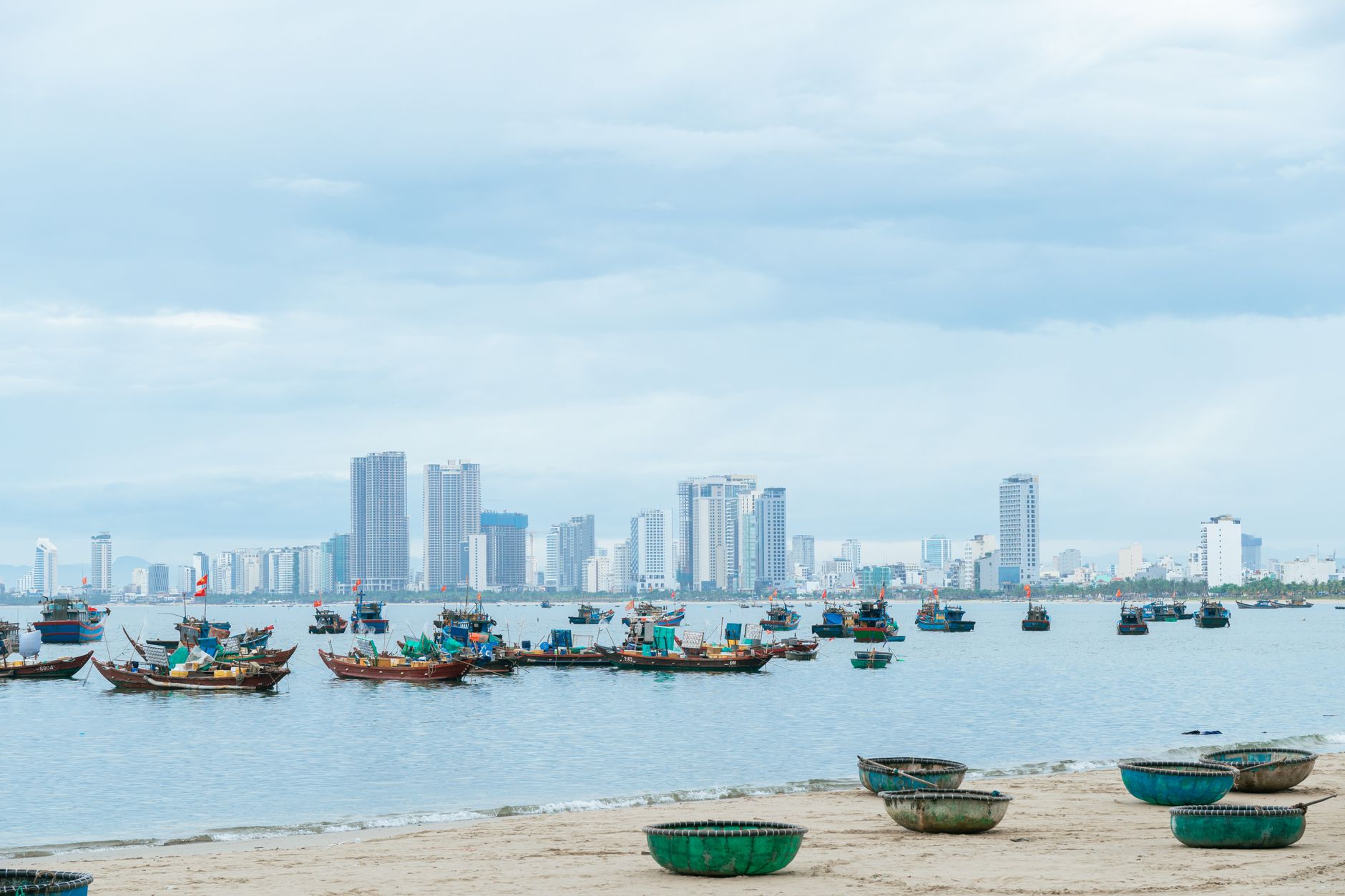
What draws foreigners to Da Nang beyond the beach?
The coast is beautiful, but most visitors repeat the same beachfront hotel loop. We see guests discover something deeper when they step into a neighborhood cooking class—watching a local home cook share her mother's technique for making fish sauce paste, or learning why certain herb combinations matter in a single bowl. These moments stick longer than sunset photos. Art studios, coffee roasteries, flower stalls, and horse trails exist here, and they're quieter than Hanoi or Hoi An, which means more space to actually learn. Conclusion: Da Nang rewards curiosity about daily life, not just landmarks.
Which experience suits your group—kids, couples, or solo travelers?
Families with kids (ages 6+): Family-friendly sessions let children help roll spring rolls, pour coffee, or arrange flowers under close guidance. We use child-safe knives, shorter workstations, and simple recipes. Kids often finish a full dish and eat it themselves—pride matters. Parents relax knowing nothing is rushed.
Couples and pairs: Private horse riding through pine forests or a coffee workshop for two creates intimate time away from crowds. We customize pacing and teach partner-friendly technique.
Solo travelers and small groups: Our mixed sessions (4–6 people) form friendships fast. Shared cooking, shared mess-ups, shared laughter. Conclusion: Every group size has a real fit.
| Experience | Best for | Session length | Why it works |
|---|---|---|---|
| Cooking class | Families, foodies, all levels | 2.5–3 hours | Hands-on, you eat the result, no experience needed |
| Coffee workshop | Caffeine lovers, slow mornings | 1.5–2 hours | Learn filter vs. condensed method, taste evolution |
| Flower arranging | Couples, mindfulness seekers | 1.5–2 hours | Meditative, no prior skill required, you take it home |
| Horse riding | Active travelers, nature lovers | 1.5–2 hours | Guided trails, mixed ability welcome, scenic |
| Craft workshops | Artists, makers, souvenirs | 1.5–2.5 hours | Learn local techniques, leave with handmade gift |
How does a cooking class actually run, hour by hour?
We meet at a family kitchen in a quiet lane off the old quarter at your chosen time. First 15 minutes: tea, introduction, menu walk-through in plain English. Next 30 minutes: we prep ingredients together—you'll learn knife technique, taste fresh fish sauce, smell the difference between Thai and Vietnamese basil. Then you cook, we guide. By 90 minutes in, your first dish is plated. Eat together. Final 30 minutes: second dish or techniques that went wrong (they always do, it's normal). You leave knowing four recipes and the reasoning behind them. Conclusion: You work, learn, eat, walk out with real skills.
What if I'm a complete beginner—will I feel lost?
No. Our premise is zero assumed knowledge. In a cooking class, we show you how to hold a knife without lecturing. In coffee, we explain the filter from first principle. In flower arranging, we demonstrate three stems before you touch anything. Nervous guests relax within 20 minutes because we move slowly and repeat. We've hosted executives, tourists who've never boiled water, elderly travelers, people with arthritis, people who speak minimal English. Mistakes are the whole point—you're safe to mess up. Conclusion: Beginner status is the default; we expect it.
What happens if it rains or you have food allergies?
Rain changes nothing. Our cooking classes and flower arranging happen under roofs in family kitchens and covered garden spaces—rain actually makes the air cooler. Horse riding sessions postpone if lightning threatens, but drizzle is fine (we provide rain jackets). Coffee workshops and craft workshops are fully indoors.
For allergies: tell us before booking via WhatsApp. We adapt recipes (vegetarian, nut-free, shellfish-free, gluten-conscious) by sourcing different ingredients—never a substitution compromise. We've hosted guests with nut allergies in cooking and dairy-free preferences in flower arranging. We ask about allergies again on arrival and confirm each ingredient aloud. Conclusion: Work with us; we'll feed you safely.
How do you choose between Da Nang and other Vietnamese cities?
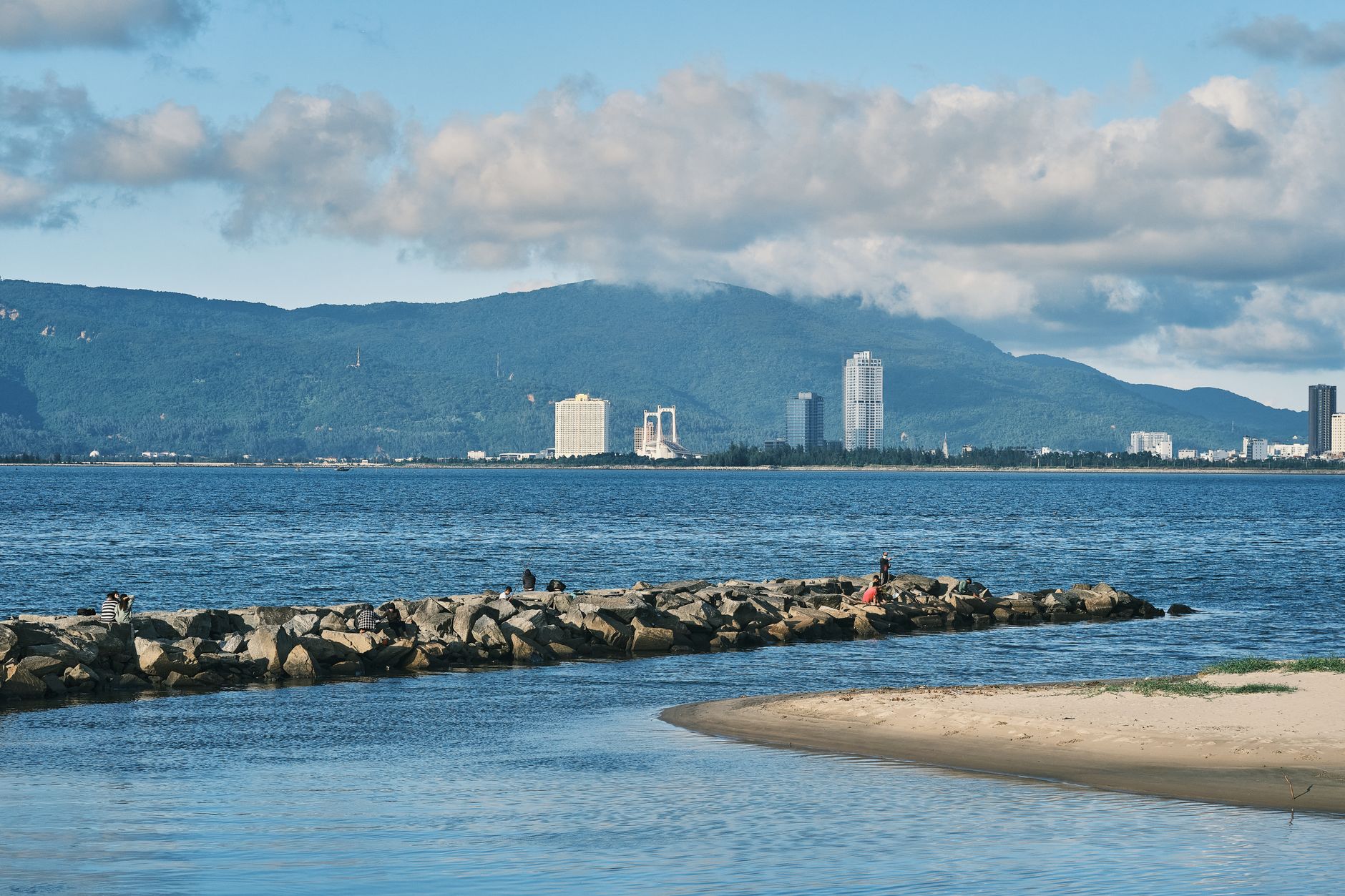
Da Nang suits visitors wanting a smaller, slower version of the experience economy. Hanoi is the cultural heart—dense, historic, overwhelming in a good way. Hoi An is pure tourist infrastructure—beautiful but scripted. Ho Chi Minh City is chaotic energy. Da Nang is quieter and newer, which means fewer crowds at morning markets and more one-to-one attention in classes. You'll mix with Vietnamese families at street food tours, not only other travelers. If you want deep immersion without exhaustion, Da Nang wins. If you want to see Vietnam's top sights in three days, Hanoi does better. Conclusion: Choose Da Nang for pace and access; choose Hanoi for history.
What should I know before booking a Da Nang experience?
Check these before you confirm:
- Timing: Early morning (6–8 a.m.) coffee or cooking feels fresher; late afternoon (4–6 p.m.) avoids midday heat.
- Duration: Most sessions are 1.5–3 hours. Budget 30 minutes travel each way in local traffic.
- Clothing: Wear clothes you don't mind staining. Closed-toe shoes for horse riding; comfortable layers for early morning or wellness sessions.
- Language: All sessions run in English. We speak slowly, repeat, and use hand gestures.
- Dietary needs: Mention allergies, vegetarianism, or dislikes before booking.
- Group size: Private sessions (2–4 people) are cozier; mixed group sessions (4–8) are livelier and cheaper per person (ask for a quote).
- Cancellation: Life happens—confirm we have a fair rescheduling policy before you book.
What do hosts most often see foreigners worry about, and how do we address it?
"Will I be the only foreigner?" No. We balance international guests with local participants in mixed sessions, so you feel welcomed, not spectated. "Can I take photos?" Yes—document your food, your hands, your flower arrangement. We just ask you to be present too, not phone-glued. "What if my Vietnamese friend wants to join?" Lovely. They'll learn techniques they may not know, or rediscover forgotten flavors. "How do I get there if I don't have a car?" We send WhatsApp directions and recommend a taxi app—most journeys are 10–15 minutes. "Is it ethical—am I just gawking at locals?" No. Our hosts choose to teach; they're paid fairly and practice their craft daily. You're learning alongside them, not observing them like an exhibit. Conclusion: The questions come from care; honest answers remove them.
What to check before you book
- Confirm via WhatsApp that your preferred date is available (we work small, so slots fill fast).
- Mention all allergies, dietary restrictions, mobility concerns, or language needs upfront.
- Ask about the exact location and how to arrive (we'll send a pin and directions once booked).
- Clarify whether the experience is private or mixed-group (each has different pacing and feel).
- Check the weather forecast the day before (no need to cancel rain, but plan accordingly).
Start with the pillar page on Da Nang experiences to see all session types we offer. Then browse craft workshops, tea experiences, and art classes for deeper dives into specific interests. Most guests book their first session on impulse and return for a second. We're here—reach out.
FAQ
Do I need to speak Vietnamese to join a cooking class or workshop in Da Nang?
No. All sessions run in English with clear, slow instruction. Many hosts speak a mix of English and simple gestures. You'll pick up a few Vietnamese words (herbs, spices, techniques) naturally, but zero language skill is required to cook, arrange, or learn.
What's the best time of year to visit Da Nang for outdoor experiences like horse riding?
October to April (cooler, less rain). May to September is hot and humid; horse riding sessions still run but early morning (6–7 a.m.) is essential. Avoid midday heat year-round in any activity. Monsoon (August–October) brings afternoon showers—no threat to cooking or coffee workshops, but outdoor trails may be slippery.
Can I book a private session for my family, or do I have to join a mixed group?
Both options exist. Private sessions (2–6 people in your group) are cozier, run at your pace, and adapt fully to kids' ages or skill gaps. Mixed sessions are livelier, cheaper per person, and good for solo travelers or pairs. Ask us which suits you—we'll quote both on WhatsApp.
Are there experiences suitable for elderly guests or people with limited mobility?
Yes. Cooking classes and flower arranging happen at tables in covered spaces with no standing required. Coffee workshops and craft workshops are stationary. Horse riding and farm days require mobility—tell us your limits and we'll recommend the right fit or suggest wellness or seated sessions instead.
How much do Da Nang experiences cost, and what's included?
We don't publish fixed prices; costs vary by group size, session length, ingredients, and date. Ask us for a quote on WhatsApp—we'll include all materials, instruction, and food/beverages. Most sessions are under the cost of a fancy dinner out. No hidden fees; we quote total.
What should I bring to a cooking class or workshop?
Just yourself. We provide aprons, utensils, ingredients, and take-home containers if needed. Wear clothes you don't mind staining and closed-toe shoes (safer around knives and heat). Bring a camera if you want photos. Water and tea are on us.
Ask about dates
Tell us the city, your dates and what you would like to try. We reply on WhatsApp in English with options and availability.
FAQ
Do I need to speak Vietnamese to join a cooking class or workshop in Da Nang?
No. All sessions run in English with clear, slow instruction. Many hosts speak a mix of English and simple gestures. You'll pick up a few Vietnamese words (herbs, spices, techniques) naturally, but zero language skill is required to cook, arrange, or learn.
What's the best time of year to visit Da Nang for outdoor experiences like horse riding?
October to April (cooler, less rain). May to September is hot and humid; [horse riding](/horse-riding) sessions still run but early morning (6–7 a.m.) is essential. Avoid midday heat year-round in any activity. Monsoon (August–October) brings afternoon showers—no threat to cooking or [coffee workshops](/coffee-workshop), but outdoor trails may be slippery.
Can I book a private session for my family, or do I have to join a mixed group?
Both options exist. Private sessions (2–6 people in your group) are cozier, run at your pace, and adapt fully to kids' ages or skill gaps. Mixed sessions are livelier, cheaper per person, and good for solo travelers or pairs. Ask us which suits you—we'll quote both on WhatsApp.
Are there experiences suitable for elderly guests or people with limited mobility?
Yes. [Cooking classes](/cooking-class) and [flower arranging](/flower-arranging) happen at tables in covered spaces with no standing required. [Coffee workshops](/coffee-workshop) and [craft workshops](/craft-workshops) are stationary. [Horse riding](/horse-riding) and [farm days](/farm-experience) require mobility—tell us your limits and we'll recommend the right fit or suggest [wellness](/wellness) or seated sessions instead.
How much do Da Nang experiences cost, and what's included?
We don't publish fixed prices; costs vary by group size, session length, ingredients, and date. Ask us for a quote on WhatsApp—we'll include all materials, instruction, and food/beverages. Most sessions are under the cost of a fancy dinner out. No hidden fees; we quote total.
What should I bring to a cooking class or workshop?
Just yourself. We provide aprons, utensils, ingredients, and take-home containers if needed. Wear clothes you don't mind staining and closed-toe shoes (safer around knives and heat). Bring a camera if you want photos. Water and tea are on us.
More like this
Da Lat
Da Lat local experiences with locals: what to expect
Da Lat's misty mountains and year-round spring weather draw travelers seeking escape from the lowlands. Real local experiences—not tours—happen in family kitchens, forest gardens, and craft workshops where you work alongside people who live here.
Da Lat
Da Lat experiences with hotel pickup: day trips and classes
Da Lat's cool mountain air, flower farms, and craft culture draw visitors year-round. We arrange hands-on experiences with hotel pickup so you skip transport logistics and focus on learning.
Da Lat
Da Lat workshops and classes: hands-on learning in the highlands
Da Lat's cool mountain air and creative community make it ideal for intimate workshops. We run hands-on classes in cooking, coffee, crafts and more—learn a real skill, not a tourist tick.