
Home › Blog › Craft workshops
Bamboo Weaving Class in Vietnam Rainy Season
By the Cáo Experiences team · 2026-11-06
Bamboo weaving classes in Vietnam run year-round, including the rainy season (May–October in the north, September–November in central regions). Cáo Experiences hosts craft workshops in covered indoor spaces—typically a family workshop in a rural lane or a sheltered studio—where we teach you to split, soak, and interlace bamboo strips into baskets, coasters, or placemats over two to three hours. Beginners start with simple patterns; no prior skill needed. Sessions include all materials, tools, and instruction in English. Weather is never an obstacle: indoor venues stay dry, water for soaking bamboo flows from taps, and humidity actually keeps the material workable. Rainy-season classes run on schedule unless flooding closes roads (rare); we coordinate dates via WhatsApp. Wear clothes you don't mind getting damp from steam and water spray. The real challenge isn't rain—it's patience with tight weaves, but we show you how to ease tension.
Bamboo weaving during monsoon season is not a cancelled activity—it's a different, often quieter experience. We host these craft workshops indoors, where rain tapping on the roof becomes part of the rhythm. Wet-season weaving actually has a small advantage: humidity keeps bamboo flexible longer, so your hands don't cramp as quickly.
Why does rainy season matter for bamboo weaving?
Rain itself doesn't damage bamboo or prevent weaving. What changes is access and comfort. During monsoon, roads to rural workshops may flood temporarily, and outdoor preparation spaces become unusable. We solve this by running all sessions in covered, well-lit workshops with concrete floors and drainage. The bamboo arrives pre-sorted, soaked in indoor tanks, so you step straight into the craft. One real issue: humid air makes bamboo sticky and harder to split cleanly at first—our hosts show you how to use a sharper angle and pull slower. Conclude: wet-season classes need indoor setup, but they work beautifully.
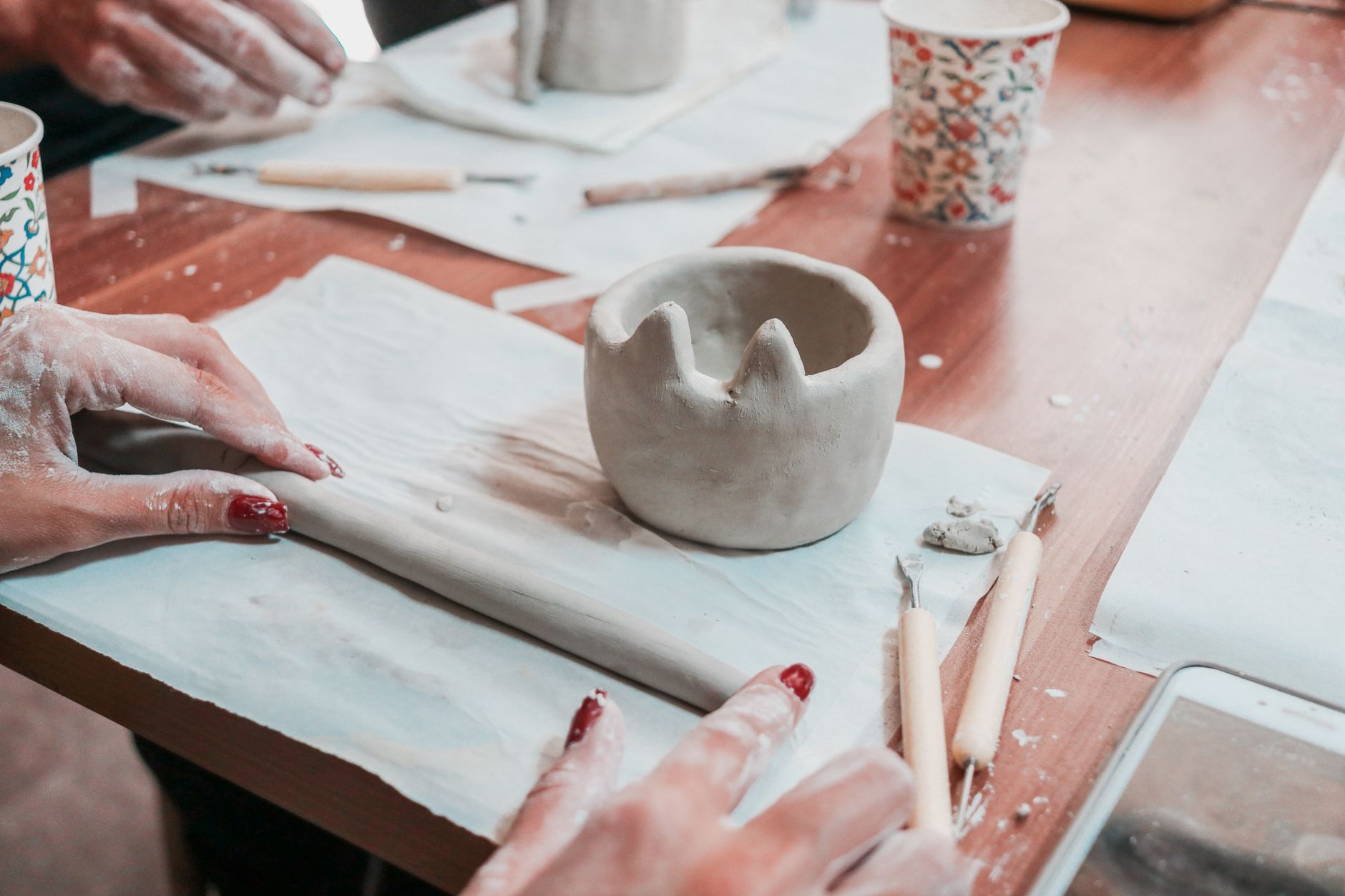
What's the step-by-step flow of a rainy-season session?
Hour 1: Arrival & Prep — You arrive at a family workshop or studio (usually 15–20 minutes outside the city center). We hand you an apron—necessary, because water splashes. Hosts demonstrate how to feel grain in a bamboo strip, soak it briefly in warm water (softens the fibers), and split it by hand or with a wooden mallet. You try three or four splits; people often worry they'll snap the material, but bamboo bends before it breaks.
Hour 1.5–2.5: Core Weaving — You choose a simple project: a small basket, a coaster set, or a placemat. We show you the basic under-over pattern on a simple frame. Rainy-season humidity means the strips stay flexible, so loose fingers work fine—no rush. Hosts circulate, adjust your tension, and catch mistakes before they compound. Children (ages 6+) and seniors both do this; it's meditative, not athletic.
Final 20 min: Finishing & Tea — You trim loose ends, soak the finished piece one more time to set the shape, and it dries flat overnight (we keep it, or you take it if it fits your luggage). We serve tea or water and talk about regional weaving styles—who uses these baskets, how families pass the craft down. This is when guests relax and ask real questions: Can I do this at home? Where do I buy bamboo?
How do we adapt for different ages and fitness levels?
Young children (6–10) weave smaller frames—a coaster or a 6-inch basket—and we give them pre-split strips so they focus on pattern, not splitting strength. Teens and adults tackle full-sized pieces. Seniors with arthritis often ask about hand fatigue. We show a two-handed technique (one hand pulls, the other anchors) that uses your palm and forearm, not just fingers. For anyone with shoulder or wrist pain, we offer a low table or seated-height frame—just mention it when you book via WhatsApp.
Rainy days don't affect fitness demand; humidity actually helps everyone's hands stay supple. Groups often include mixed ages—grandparents, parents, kids—and the quiet, repetitive nature lets everyone move at their own pace.
What happens if flooding or storms hit on session day?
Road closure is the only real risk during intense monsoon. Our hosts monitor weather and alert you by WhatsApp if access is blocked—we reschedule to the next available date within a few days, no charge. Indoor flooding at the workshop itself is extremely rare (we vet venues for drainage). Lightning is not a safety concern because we don't use electrical tools; all splits are hand or mallet. Rain noise indoors is actually pleasant—many guests say it helps them concentrate. Cold, wet weather does make some people shiver, so bring a light layer or sweater, and we keep hot water for tea on hand.
What should you wear and bring to a rainy-season class?
Wear: Clothes you don't mind getting damp from bamboo water and hand humidity. An apron (we provide). Closed-toe shoes (water on concrete floors). No jewelry that catches on bamboo strips.
Bring: A small towel (for drying hands between rounds). Sunscreen if you're sensitive (some covered spaces have skylights). Phone to take photos of your finished piece (we allow it).
Avoid: New white clothes. Perfume (bamboo smells earthy; strong scent can overpower the space for others). Fingernail polish (it chips on bamboo splinters, and the reverse is also annoying).
Rainy-season humidity means sweat is normal—it's not a sign you're doing it wrong, just a sign you're working.

How do rainy-season classes differ from dry-season ones?
The core craft is identical. Differences are subtle but real:
| Aspect | Rainy Season | Dry Season |
|---|---|---|
| Bamboo flexibility | High (humidity keeps it pliable) | Moderate (requires more soaking) |
| Outdoor access | Limited if roads flood | Free |
| Session timing | Exact dates best confirmed 1 week ahead | Can book further out |
| Hand comfort | Palms stay warm and less cramped | Can require hand cream |
| Finishing speed | Slightly faster (material sets slower) | Slightly faster (material dries faster) |
| Crowd size | Usually smaller (fewer travelers in monsoon) | Busier |
| Humidity level | 70–95% | 60–80% |
Neither season is "better"—it depends on whether you prefer quiet focus or more energy in the room.
Real beginner worries we hear (and what actually happens)
"I'll break the bamboo." You won't. Bamboo bends dramatically before snapping. Worst case: you split one strip unevenly and swap it for another. Hosts have extras.
"My hands aren't strong enough." Splitting uses technique, not brute force. Our hosts are small-handed people too. The pull-and-twist motion works better than pushing.
"The finished piece will fall apart." We teach you the traditional knot finishes that hold for years. Rainy-season humidity actually helps the knots tighten.
"I'll be the only beginner." Classes are small (4–8 people). Almost everyone is new. Repeat guests are rare; everyone starts from scratch.
"Rain will make it miserable." It won't. Covered, warm workshops feel cosy in rain. Some guests say it's their favorite session ever because the sound and rhythm are so calming.
What to check before you book
- Confirm dates via WhatsApp—monsoon can shift road access by a week.
- Mention any hand injuries or arthritis when booking; we adapt frames and techniques.
- Ask about pickup—some venues offer transport from city hotels; others expect you to arrive independently.
- Check what you take home—finished pieces are usually kept to dry and shipped later, or you hand-carry if it fits luggage.
- Verify session language—all Cáo craft workshops run in English with hosts who speak it natively or fluently.
We also host Vietnamese cooking class and flower arranging workshop if you want to explore other hands-on crafts. Each adapts to monsoon the same way: indoor, weather-proof, full focus on the skill.
Bamboo weaving in rainy season is quieter, more intimate, and often more focused than peak-season classes. The craft itself doesn't change, but the rhythm does. Rain becomes part of your memory of the workshop, not an obstacle to it.
Pages from our team you may need
FAQ
Do you run bamboo weaving classes year-round during monsoon?
Yes. We host all sessions indoors, rain or shine. The only interruption is severe flooding that closes access roads—rare, and we reschedule immediately. Humid-season humidity actually keeps bamboo workable longer, so weaving is easier.
How long is a typical bamboo weaving session?
Two to three hours. Hour one covers splitting and prep; hours two–three are core weaving and finishing. You leave with a completed, drying piece and the knowledge to teach someone else the basics.
What if I have weak hands or arthritis?
Tell us when you book via WhatsApp. We adjust frame height, show a two-handed splitting technique, and give you pre-split strips if needed. Seniors and guests with wrist pain do this all the time—pace is self-directed.
Can young children join a rainy-season class?
Yes, ages 6+. We give kids smaller frames and pre-split strips so they focus on pattern. Rain indoors doesn't affect them; in fact, the quiet and repetitive motion keeps them engaged longer than dry-season busy-ness.
Will my finished basket or placemat be strong enough to use?
Absolutely. Traditional bamboo weaving techniques (which we teach) create pieces that last decades. Rainy-season humidity helps knots tighten as the material dries. Use it—that's the point.
What happens to my finished piece after class?
It dries overnight in our workshop or a partner space. Most guests request it be shipped after they leave Vietnam; we pack it carefully. Or hand-carry if it fits a backpack. Either way, we keep it safe until you're ready.
Ask about dates
Tell us the city, your dates and what you would like to try. We reply on WhatsApp in English with options and availability.
FAQ
Do you run bamboo weaving classes year-round during monsoon?
Yes. We host all sessions indoors, rain or shine. The only interruption is severe flooding that closes access roads—rare, and we reschedule immediately. Humid-season humidity actually keeps bamboo workable longer, so weaving is easier.
How long is a typical bamboo weaving session?
Two to three hours. Hour one covers splitting and prep; hours two–three are core weaving and finishing. You leave with a completed, drying piece and the knowledge to teach someone else the basics.
What if I have weak hands or arthritis?
Tell us when you book via WhatsApp. We adjust frame height, show a two-handed splitting technique, and give you pre-split strips if needed. Seniors and guests with wrist pain do this all the time—pace is self-directed.
Can young children join a rainy-season class?
Yes, ages 6+. We give kids smaller frames and pre-split strips so they focus on pattern. Rain indoors doesn't affect them; in fact, the quiet and repetitive motion keeps them engaged longer than dry-season busy-ness.
Will my finished basket or placemat be strong enough to use?
Absolutely. Traditional bamboo weaving techniques (which we teach) create pieces that last decades. Rainy-season humidity helps knots tighten as the material dries. Use it—that's the point.
What happens to my finished piece after class?
It dries overnight in our workshop or a partner space. Most guests request it be shipped after they leave Vietnam; we pack it carefully. Or hand-carry if it fits a backpack. Either way, we keep it safe until you're ready.
More like this
Craft workshops
Craft Workshop in Saigon: Small Group Classes for Beginners
Cáo Experiences runs small-group craft workshops across Saigon where you learn traditional and contemporary making in intimate studio and community spaces. Sessions suit absolute beginners, families, and skill-builders.
Craft workshops
Craft workshop in Saigon for couples: what to choose
Couples in Saigon have three main craft paths: ceramics in a family studio, natural-dye silk painting, or bamboo weaving. Each teaches differently and suits different moods.
Craft workshops
Craft Workshop in Hoi An: What to Expect Step by Step
A craft workshop in Hoi An with Cáo Experiences is a half or full-day session where you learn a traditional Vietnamese skill—lantern-making, silk painting, woodblock printing, or lacquerware—in a working studio or family workshop. You leave with a finished piece you made yourself.