
Home › Blog › Craft workshops
Beginner Craft Workshop in Da Nang: What to Expect
By the Cáo Experiences team · 2026-11-06
A beginner craft workshop in Da Nang lets you step into the hands-on world of Vietnamese artisanal work. Instead of watching from a tour bus, you sit at a workbench, hold the tools, feel the material shift under your hands, and walk out having made something real. This article walks you through what actually happens in these sessions, how to choose the right one for you, what surprises come up, and how to avoid the common pitfalls.
Which craft suits a total beginner?
If you've never held a carving tool or touched clay, start with a craft that shows results fast and forgives small mistakes. Ceramics and hand-painting are forgiving—wobbles add character. Weaving and embroidery teach rhythm but take focus over hours. Lacquerware teaches patience and precision. We always ask in our first message what draws you: Do you want to relax and make something pretty, or challenge yourself to learn a real trade skill? That answer shapes which craft we suggest. Beginners usually thrive in ceramics, hand-painting, or intro weaving—you see your piece come together the same day.
How does a typical 3-hour session actually run?
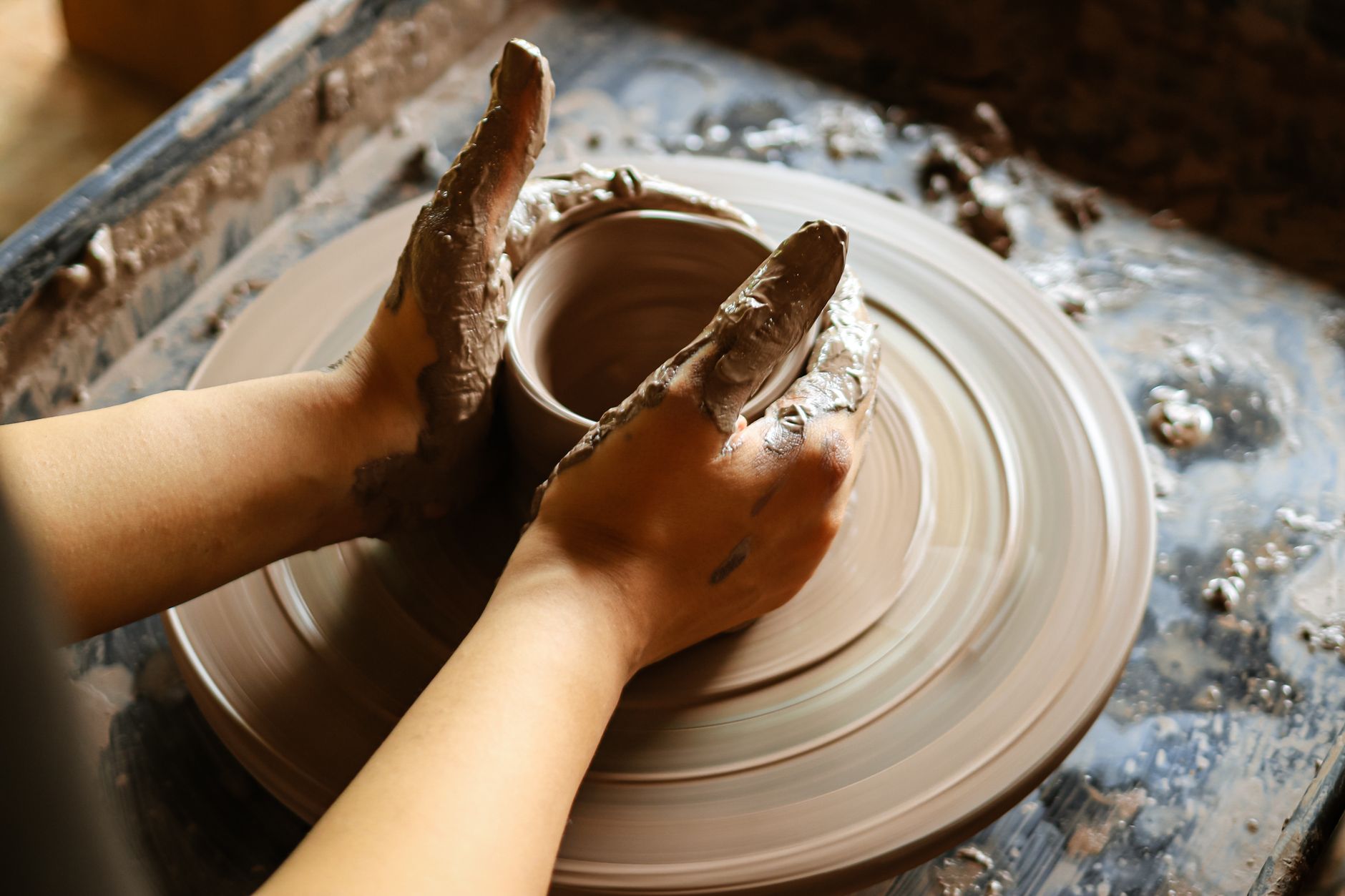
You arrive at a family workshop or shared artisan studio in a quiet lane—not a tourist factory, a real working space. Your host greets you, offers tea or water. They show you the raw materials, the finished samples, and explain the history in plain English—where this craft comes from, why it matters. Then you wash your hands, they demonstrate the first step (usually 10–15 minutes), and you copy it on your own piece. They watch, correct your grip or angle, you try again. Most of the session is you working, them coaching. Around the 90-minute mark, your piece takes shape. The final hour is refinement: detail work, fixing mistakes, adding a personal touch. At the end, you wrap or box it to take home, and you get photos. Many of us pack a small ceramic or wooden piece in carry-on luggage without issue, though we always tell you upfront what fits in a bag.
What happens if you're anxious about ruining your piece?
This is the number-one worry we hear, and it's worth taking seriously. First: beginners always think they'll break or waste the material. In practice, clay cracks sometimes, lacquer drips, embroidery stitches come loose—your host expects this and keeps spare blanks. Second, you're not being graded. The host's job is to teach, not judge. If your bowl wobbles slightly or your embroidery line isn't perfectly straight, that's a story, not a failure. Third, we choose projects where small flaws add authenticity—hand-painted tiles, woven scarves, carved bowls. We avoid crafts where precision is everything (like intricate goldwork) for first-timers. If you're still nervous, do a private session instead of a group—you set the pace, the host focuses only on you, and you can redo steps without anyone watching. Most people leave amazed they made something they'd actually display.
Do you need to be fit or have full mobility?
No. We run workshops for guests aged 8 to 75+. Here's what we adapt: If you can't stand for long, we arrange a stool at the bench—you sit the whole time. Arthritis or weak grip? We teach you lighter tools and hand positions. Kids under 10 work on smaller pieces and take a snack break halfway through. Pregnant guests avoid materials with strong fumes (we skip certain finishing steps). Deaf or hard of hearing? We use written notes, demonstrations, and one-on-one coaching. Mobility aids are welcome—workshop floors are flat, entrances are accessible. We've run sessions for guests in wheelchairs. Always tell us about your needs upfront on WhatsApp; we'll choose the right craft and location. Rain doesn't stop us—most workshops have covered work areas or are indoors.
See how a session runs

How do beginner workshops compare by craft and commitment?
| Craft | Time | Pace | Best for | Takeaway | Physical demand |
|---|---|---|---|---|---|
| Ceramics/wheel | 3–4 hours | Fast—piece done same day | First-timers, impatient learners | Bowl, cup, or tile | Moderate (sitting, arm movement) |
| Hand-painting | 2–3 hours | Very fast, low pressure | All ages, anxious guests | Decorated tile, wooden box | Minimal |
| Embroidery | 3–4 hours | Meditative, detail-focused | Patience-lovers, seniors | Framed cloth, pouch | Light (sitting, fine motor) |
| Weaving | 2–4 hours | Rhythmic, repetitive | Rhythm-learners, calm personalities | Woven scarf, runner | Light to moderate |
| Woodcarving | 3–5 hours | Precise, slower | Methodical learners, men often | Small carved object | Moderate (seated, hand strength) |
Each craft teaches a different skill. Ceramics teaches pressure and balance. Painting teaches color and composition. Embroidery teaches patience and pattern. Weaving teaches rhythm and loom mechanics. Carving teaches spatial thinking and tool control. Most of us suggest trying one, then coming back for another if you fall in love with the work.
What should you check before booking a workshop?
Before you message us, clarify five things:
- Craft choice: Have you seen images of pieces from each craft and felt genuinely drawn to one? If you're torn, mention both—we'll help you pick based on your personality.
- Time and group: Do you want a private session (just you or your family) or a small group (usually 4–6)? Private is quieter and paced to you; groups are more social and cheaper per person.
- Physical or sensory needs: Mobility, grip strength, hearing, allergies, vegetarian diet? Tell us now, not the day before.
- Takeaway expectations: Do you want to travel with the piece or ship it home? Some materials (wet clay, wet paint) need time to dry; we'll arrange shipping or delayed pickup if needed.
- Weather and flexibility: If it rains, are you okay rescheduling or moving indoors? We work around weather, but confirm you're flexible.
Once you've thought through those, Ask about dates on WhatsApp with the craft name and your availability. We'll send dates, a quote, and the address and what to wear.
How does learning a craft in Da Nang differ from other experiences?
Da Nang is a coastal city with a growing artisan community—not as dense as Hanoi or Hoi An, but real. Workshops here tend to be smaller and less tourist-focused than the Old Quarter studios. You're more likely to be the only guest, or in a group of 2–3, rather than one of eight on a conveyor-belt session. The pace is slower. Your host often knows the material and technique at bone-deep level—they've been doing it for years, not months. You hear stories: why their family chose this craft, how it's changed, what's worth learning. You also see the honest reality: craft work is precise, tiring, and makes you respect the people who do it every day. This isn't a souvenir factory tour. It's a skill transfer. That shift in perspective—understanding why a hand-painted tile costs what it does—is often what people say changed their view the most.
We run craft workshops year-round in Da Nang. If you're interested in deeper dives, you might also explore our art and culture classes or pair a craft workshop with a farm and countryside experience to see how materials are grown or prepared. Many guests combine a morning class with a street food and market tour to taste lunch and shop for handmade goods at local markets.
What to pack and wear for a craft workshop
Wear clothes you don't mind getting marked—some crafts dust you with clay or lacquer residue. Closed-toe shoes grip the workshop floor better than sandals if you're standing. Bring a small towel if you have sensitive hands. We provide aprons, and most workshops have water to rinse off. If you're doing embroidery or detailed carving, bring glasses if you wear them—the light is good but close work strains eyes. The workshop is usually room temperature; bring a light layer if you run cold. Leave your phone in your bag—you'll need both hands. Your host will take photos at the start and end.

FAQ
What if I've never done any craft before?
You're exactly who these workshops are for. We start with the easiest movements and build up. Ceramics and painting are the most forgiving for complete beginners. Your host expects to teach from scratch and won't rush you.
Can I bring my kids?
Yes. We run family-friendly craft sessions with smaller pieces, shorter sessions, and snack breaks for ages 8+. Younger kids can watch and help, but don't usually complete a full independent piece. Mention the child's age on WhatsApp.
Will my piece break or get damaged when I travel?
Depends on the craft. Painted tiles and wooden pieces pack safely in luggage. Wet ceramics need drying time or shipping. We'll advise upfront which crafts travel well and arrange shipping if needed.
How much does a beginner craft workshop cost?
Ask us for dates and a quote on WhatsApp. Prices vary by craft, session length, group size, and location. We'll give you a clear figure once you've chosen.
What if the weather is bad?
Most workshops are indoors or covered. Rain rarely cancels a session. If a location floods or we lose power, we reschedule with your flexibility. Always confirm a rain backup when you book.
Can I do a craft workshop if I have arthritis or limited grip strength?
Yes. Tell us upfront. We adjust tools, hand positions, and project complexity. Painting, embroidery, and light weaving work well for reduced strength. We'll match you with the right craft.
Do I need to book far in advance?
Not always. We usually have availability within 2–3 weeks. Peak season (Oct–Apr) books up faster. Contact us on WhatsApp with your preferred dates, and we'll check.
What's included in the workshop fee?
Instruction, materials for your piece, use of tools and workspace, and your finished takeaway. Aprons, tea, and hand-washing facilities are included. Ask us about add-ons like lunch or transport.
Ask about dates
Tell us the city, your dates and what you would like to try. We reply on WhatsApp in English with options and availability.
FAQ
What if I've never done any craft before?
You're exactly who these workshops are for. We start with the easiest movements and build up. Ceramics and painting are the most forgiving for complete beginners. Your host expects to teach from scratch and won't rush you.
Can I bring my kids?
Yes. We run [family-friendly craft sessions](/family-experiences) with smaller pieces, shorter sessions, and snack breaks for ages 8+. Younger kids can watch and help, but don't usually complete a full independent piece. Mention the child's age on WhatsApp.
Will my piece break or get damaged when I travel?
Depends on the craft. Painted tiles and wooden pieces pack safely in luggage. Wet ceramics need drying time or shipping. We'll advise upfront which crafts travel well and arrange shipping if needed.
How much does a beginner craft workshop cost?
Ask us for dates and a quote on WhatsApp. Prices vary by craft, session length, group size, and location. We'll give you a clear figure once you've chosen.
What if the weather is bad?
Most workshops are indoors or covered. Rain rarely cancels a session. If a location floods or we lose power, we reschedule with your flexibility. Always confirm a rain backup when you book.
Can I do a craft workshop if I have arthritis or limited grip strength?
Yes. Tell us upfront. We adjust tools, hand positions, and project complexity. Painting, embroidery, and light weaving work well for reduced strength. We'll match you with the right craft.
Do I need to book far in advance?
Not always. We usually have availability within 2–3 weeks. Peak season (Oct–Apr) books up faster. Contact us on WhatsApp with your preferred dates, and we'll check.
What's included in the workshop fee?
Instruction, materials for your piece, use of tools and workspace, and your finished takeaway. Aprons, tea, and hand-washing facilities are included. Ask us about add-ons like lunch or transport.
More like this
Craft workshops
Craft Workshop in Saigon: Small Group Classes for Beginners
Cáo Experiences runs small-group craft workshops across Saigon where you learn traditional and contemporary making in intimate studio and community spaces. Sessions suit absolute beginners, families, and skill-builders.
Craft workshops
Craft workshop in Saigon for couples: what to choose
Couples in Saigon have three main craft paths: ceramics in a family studio, natural-dye silk painting, or bamboo weaving. Each teaches differently and suits different moods.
Craft workshops
Craft Workshop in Hoi An: What to Expect Step by Step
A craft workshop in Hoi An with Cáo Experiences is a half or full-day session where you learn a traditional Vietnamese skill—lantern-making, silk painting, woodblock printing, or lacquerware—in a working studio or family workshop. You leave with a finished piece you made yourself.