
Home › Blog › Craft workshops
Beginner Craft Workshop in Saigon: Choose Your First Hands-On Class
By the Cáo Experiences team · 2026-11-06
At Cáo Experiences, a beginner craft workshop in Saigon is a 3–4 hour hands-on session in an artisan studio where you make one finished piece (a bowl, tray, woven item, or printed fabric) from start to finish. We keep groups small (4–8 people), speak English, and teach step-by-step so absolute beginners feel confident. You'll work alongside the host—a craftsperson who does this daily—and leave with your own work, wrapped and ready to take home or ship. No artistic talent needed; the focus is on learning the technique and enjoying the process. Sessions suit couples, friends, solo travelers, and small families with kids aged 8+. Ask us for dates and a quote on WhatsApp—availability depends on season and the studio's schedule. Ask about dates on WhatsApp
What types of craft workshops do beginners actually choose?
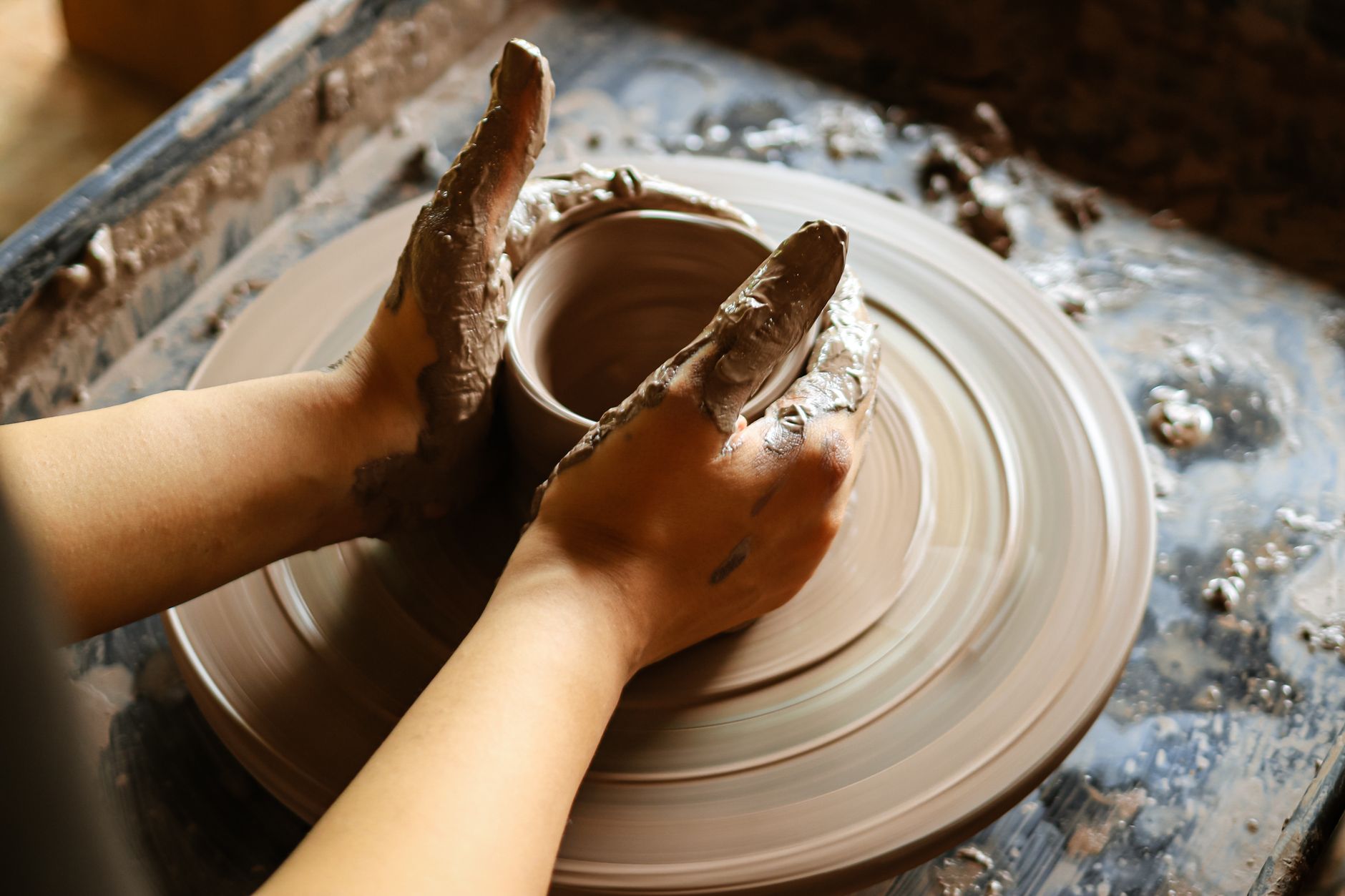
Saigon hosts several distinct craft traditions. Ceramic and pottery workshops teach hand-building and wheel techniques in a family kiln studio. Lacquer-work sessions (traditional Vietnamese inlay and painting on wood) happen in a craftsperson's workshop in the old quarter. Silk-screen printing classes use water-based inks on fabric or paper in a maker space. Weaving workshops focus on small looms and natural fibres in a quiet studio. Wood carving and marquetry are also available but require more time and physical strength, so we often suggest them for adults rather than kids. Each tradition has its own beginner entry point: pottery is most forgiving if you've never touched clay; lacquer teaches patience and precision; printing is instant and fun; weaving is meditative and rhythmic. We always ask what drew you to each craft so we can match you to the right one and the right instructor.
How does a typical 3-hour session actually run, hour by hour?
Hour 1: Setup and first technique. You arrive, meet the host, and walk through the studio. The host shows you raw materials, explains safety (apron, where water goes, what tools do what), and demonstrates the first step slowly. You then copy it yourself—shaping clay, applying base lacquer, preparing the screen, threading the loom—while the host watches and adjusts your hand position or pressure. This is the slowest hour; many beginners worry they're "doing it wrong" but the host expects hesitation and treats mistakes as learning.
Hour 2: Building the piece. Once you understand the motion, you work faster and more confidently. The host steps back slightly, answers questions, and refines technique. If you're making a ceramic bowl, you might add a foot or smooth the rim. If printing, you layer colours or add a second image. Weaving becomes rhythmic. Many guests feel a quiet focus kick in here—time disappears.
Hour 3: Finishing and wrapping. You add final details (polish, trim, signature mark), clean your tools, and the host helps you wrap the piece safely. We take a photo, talk about what you'd do next if you came back, and you leave with your work and a sense of real accomplishment.
Should you choose a group workshop or book a private session?
| Format | Who it's for | When to book | Trade-offs |
|---|---|---|---|
| Small-group (4–8 people) | Travelers, friends, first-timers | Scheduled dates (ask us) | You share the host's attention; others set the pace. Cheaper. |
| Private session (1–4 of your own group) | Couples, families, groups with specific needs | Any date that suits you both | You get the host's full focus and can slow down or speed up. Quieter. Costs more per person shared. |
| Semi-private (your group + 1–2 others) | Small teams, families wanting some company | Flexible dates | Compromise: more host time than a large group, less cost than fully private. |
Beginners in groups often feel reassured—everyone is learning—and the social energy helps. Private sessions suit people who want no distraction, need to discuss technique in detail, or have kids who work at their own pace. Ask us about mixed options: we can sometimes pair two small groups in one studio if you prefer company but want a calmer feel than a larger class.
What should you wear and bring to avoid discomfort?
Wear clothes you don't mind getting wet, dusty, or stained. Most craft work splashes or leaves marks—clay dust clings to dark fabric; printing ink can transfer; lacquer smells strong. Closed-toe shoes are safer around tools and water. Bring water (we provide some but dehydration sneaks up in humid studios) and a small towel or handkerchief. Leave bags and phones in a safe corner; you'll be using your hands and won't want distractions. If you have long hair, bring a clip—it keeps strands out of wet clay and away from tools. Allergies to dust, solvents, or latex? Tell us before booking. We can request latex-free gloves, use water-based inks only, or pick a better-ventilated studio. Rainy-day sessions run unchanged indoors; rain doesn't stop craft work.

What hidden costs or hassles do beginners miss?
Shipping your piece home: If your work is fragile (pottery, painted lacquer), you might want it packed professionally rather than carried in a bag. We can arrange this, but it takes 1–2 extra days and costs depend on weight and destination; ask at the end of your session. Tool rentals or consumables: All basic materials—clay, ink, thread, wood, lacquer—are included in the session fee. You're not buying anything mid-way. Drying time: Some pieces (pottery, lacquer) need days or weeks to set fully. We'll tell you exactly what to do at home (stack it loosely, keep it dry, avoid direct sun). Physical strain: Pottery and marquetry use hand and shoulder muscles. If you have wrist or shoulder tension, tell the host—they'll adjust the technique or switch to a lighter task. Language and confidence: All our hosts speak clear English and are used to coaching nervous beginners. We've never seen someone feel rushed or judged; the craft world is patient.
How do you pick the right craft if you've never done any before?
Start by asking yourself: do I want to make something decorative or functional? Do I prefer precision or looseness? Do I like working alone or in conversation? Functional + precision = ceramics or woodwork. You're making a bowl or box that you'll actually use. It demands focus but feels purposeful. Decorative + looseness = printing or painting. You're creating art; mistakes often look beautiful. Meditative + rhythmic = weaving or lacquer. You lose yourself in repetition and pattern. Instant gratification = printing. You see a finished design in one session. Beginners often worry about "talent" but craft skill is 80% technique repetition and 20% natural feel. Everyone who shows up for the full session leaves with a usable or displayable piece. If you've never tried any of these, ask us—we'll suggest the best fit based on what you enjoy (museums or markets? watching hands move? creating something to keep?). We can also pair a craft workshop with a related experience: flower arranging teaches composition; art and culture classes deepen your understanding of Vietnamese aesthetics; farm and countryside experiences introduce natural materials you might use in future projects.
What to check before you book
- Exact date and time: Ask us for scheduled workshop dates or propose your own; we'll confirm 7–10 days ahead.
- Group size and co-guests: Small groups are intimate; ask if others are already booked or if you'll be the only participants that day.
- Material and finished piece: Confirm which craft, what you'll make, and who keeps it (always you). Ask about size and fragility.
- Allergies and physical needs: Tell us about latex, dust, fumes, or mobility limits before booking.
- Transport and parking: Ask about studio location and whether your hotel can reach it easily. Most are accessible by taxi or ride-share.
- Cancellation and rescheduling: Ask our policy if plans change (illness, weather, schedule shift). We're flexible but need notice.
- Photos and videos: Let us know if you want a host photo or if you prefer privacy.
Pages from our team you may need

FAQ
Is a craft workshop suitable for kids under 8?
Generally no. Most tools require fine motor control and focus that kids under 8 struggle with. We recommend family-friendly experiences for younger children—tea tasting, flower arranging (very forgiving), or cooking classes are better entry points. Kids 8–12 do very well in pottery and weaving; kids 10+ can handle printing and carving. Ask us about a family session if you want to include a younger sibling.
What if I have no artistic ability at all?
That's the whole point of a beginner class. The host teaches technique, not talent. You follow steps exactly as shown and your piece turns out fine. Hundreds of guests with zero art background leave with beautiful work they made themselves. The joy is in the doing, not in natural genius.
Can I take my finished piece on a plane?
Pottery and painted items (wrapped well) usually fit in carry-on as personal items. Wet lacquer is messy but dries quickly in a well-ventilated place. Ask us about packing at the end of the session. For international shipping, we can arrange it, but the cost and timeline depend on your destination and fragility; discuss this before booking if that matters.
Do I need to book far in advance?
Not always. Scheduled group workshops often have spots a few weeks out. Private sessions can fit in faster if the host has a gap. Ask us for the next 2–3 available dates and we'll find one that works. Rainy season (May–September) books fuller, so earlier notice helps then.
What if the weather is bad or I'm sick?
Craft studios are indoors, so rain doesn't cancel sessions—you'll be dry and focused. If you're sick, tell us as soon as you know; we can reschedule (ask our policy). Most guests find that showing up despite mild nerves or tiredness is worth it—craft work is absorbing and energizing.
Can I learn multiple crafts in one trip?
Yes. Many guests do a 3-hour pottery session one day and a printing workshop another, especially if staying 5+ days. Each craft teaches a different skill and way of thinking. Pair workshops with other craft-focused experiences or branch into art and culture classes to see how these traditions fit into Vietnamese life. Ask us about combining sessions in one trip.
Ask about dates
Tell us the city, your dates and what you would like to try. We reply on WhatsApp in English with options and availability.
FAQ
Is a craft workshop suitable for kids under 8?
Generally no. Most tools require fine motor control and focus that kids under 8 struggle with. We recommend [family-friendly experiences](/family-experiences) for younger children—tea tasting, flower arranging (very forgiving), or cooking classes are better entry points. Kids 8–12 do very well in pottery and weaving; kids 10+ can handle printing and carving. Ask us about a family session if you want to include a younger sibling.
What if I have no artistic ability at all?
That's the whole point of a beginner class. The host teaches technique, not talent. You follow steps exactly as shown and your piece turns out fine. Hundreds of guests with zero art background leave with beautiful work they made themselves. The joy is in the doing, not in natural genius.
Can I take my finished piece on a plane?
Pottery and painted items (wrapped well) usually fit in carry-on as personal items. Wet lacquer is messy but dries quickly in a well-ventilated place. Ask us about packing at the end of the session. For international shipping, we can arrange it, but the cost and timeline depend on your destination and fragility; discuss this before booking if that matters.
Do I need to book far in advance?
Not always. Scheduled group workshops often have spots a few weeks out. Private sessions can fit in faster if the host has a gap. Ask us for the next 2–3 available dates and we'll find one that works. Rainy season (May–September) books fuller, so earlier notice helps then.
What if the weather is bad or I'm sick?
Craft studios are indoors, so rain doesn't cancel sessions—you'll be dry and focused. If you're sick, tell us as soon as you know; we can reschedule (ask our policy). Most guests find that showing up despite mild nerves or tiredness is worth it—craft work is absorbing and energizing.
Can I learn multiple crafts in one trip?
Yes. Many guests do a 3-hour pottery session one day and a printing workshop another, especially if staying 5+ days. Each craft teaches a different skill and way of thinking. Pair workshops with other [craft-focused experiences](/craft-workshops) or branch into [art and culture classes](/art-classes) to see how these traditions fit into Vietnamese life. Ask us about combining sessions in one trip.
More like this
Craft workshops
Craft Workshop in Saigon: Small Group Classes for Beginners
Cáo Experiences runs small-group craft workshops across Saigon where you learn traditional and contemporary making in intimate studio and community spaces. Sessions suit absolute beginners, families, and skill-builders.
Craft workshops
Craft workshop in Saigon for couples: what to choose
Couples in Saigon have three main craft paths: ceramics in a family studio, natural-dye silk painting, or bamboo weaving. Each teaches differently and suits different moods.
Craft workshops
Craft Workshop in Hoi An: What to Expect Step by Step
A craft workshop in Hoi An with Cáo Experiences is a half or full-day session where you learn a traditional Vietnamese skill—lantern-making, silk painting, woodblock printing, or lacquerware—in a working studio or family workshop. You leave with a finished piece you made yourself.