
Home › Blog › Farm and countryside days
Beginner Farm Experience in Hoi An: What to Expect and How to Choose
By the Cáo Experiences team · 2026-11-06
A beginner farm experience in Hoi An through Cáo Experiences is a half- or full-day countryside session where you work with a local farming family—planting, harvesting, feeding animals, or preparing produce—in their own kitchen or fields near the town. Sessions run year-round (best March–May and September–November for crop variety); they suit solo travelers, couples, families with kids aged 5+, and seniors who can walk gently. You'll wear old clothes and closed shoes, bring sunscreen and water, and expect to get soil on your hands. Groups stay small (2–8 people) so the farmer can teach properly. We coordinate everything via WhatsApp, adapt for dietary restrictions and rain, and pair beginners with patient hosts who speak English. Ask us for dates and a quote on WhatsApp to confirm availability and learn what crops are growing when you visit. Ask about dates on WhatsApp
What happens hour by hour on a farm morning?
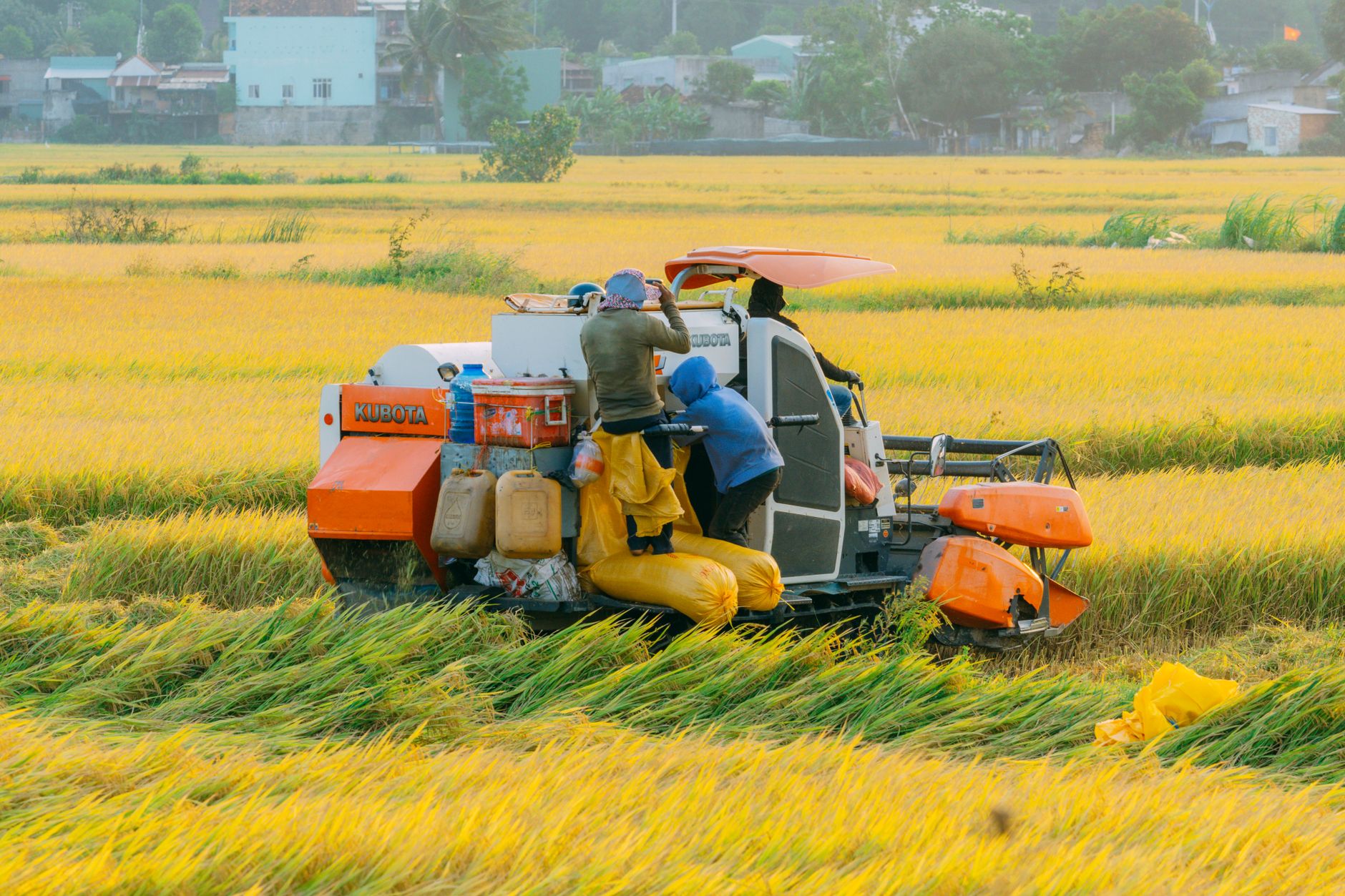
We meet you at your accommodation or a central point in Hoi An town before sunrise (05:30–06:00) and drive 15–25 minutes to the family kitchen. You greet the farmer over tea or coffee, then walk to the fields. First two hours focus on one main task: if it's wet-season, you might transplant rice seedlings in flooded paddies, learning the hand-over-hand rhythm the family has done for decades. In dry months, you harvest vegetables—leafy greens, tomatoes, herbs—using the right knife and basket technique. By 08:30, you return to the kitchen sweating, wash up outdoors, and help prepare a simple breakfast or early lunch using what you just picked. The farmer's family cooks; you watch, ask questions, taste raw herbs you didn't know existed. We leave by 10:00–11:00. The entire arc is unhurried and genuine.

Is this suitable for kids, seniors, or people with no farming background?
Yes to all three. Kids aged 5 and up enjoy the sensory freedom—mud, animals, new food—and learn without pressure. We adjust tasks so they carry smaller baskets, plant seedlings in a designated patch, or help feed ducks instead of heavy labor. Seniors work at their own pace; many prefer seated harvesting or animal-tending to standing fieldwork, and we brief the farmer beforehand on any mobility limits. Absolute beginners are the norm. The farmer expects to teach; there's no test, no "right way" beyond the local method. What worries beginners most is getting blisters (wear well-fitting shoes, bring plasters), overheating (bring a hat and drink constantly), or looking foolish (everyone's hands shake transplanting rice the first time; the farmer will laugh with you, not at you). We've never had a guest regret it.
How does this differ from a cooking class or market tour?
Those experiences focus on ingredients and food culture; a farm session is about land and labor. In our Vietnamese cooking class, you buy or use pre-prepped ingredients and learn to balance flavors in a kitchen. A street food and market tour walks you through Hoi An's bustling markets, letting you see what vendors sell and taste finished dishes. A farm day inverts that: you grow or pick the ingredient yourself, understand the farmer's decisions (water, pest, harvest timing), meet the animals, and see how a household actually eats. You leave with dirt under your nails, muscle soreness tomorrow, and a story about a real person's daily reality—not a tourist performance. It's slower, less glamorous, and unforgettable. If you want both worlds, pair a farm morning with an afternoon cooking class and cook your own harvest that evening (we can help arrange this).
What should you wear and bring to avoid discomfort?
Wear old, loose cotton clothes (long sleeves protect from sun and insects; many farmers do). Closed shoes with grip—not sandals, not canvas trainers—because wet paddies are slippery and you might step on a tool. Bring a wide-brimmed hat, sunscreen (reapply after washing hands), a full water bottle (refilled at the farm kitchen), a small towel, and any personal medications. Don't bring a large backpack; leave valuables in your hotel. A phone for photos is fine, but the family won't want it on during meals. If you have a bad knee or back, tell us before booking so we match you with a farm doing seated or light-standing work. Rain doesn't cancel the session—crops still need tending, and muddy work is even more authentic—but we'll reschedule if a typhoon warning is active. Ask us what's in season and likely when you want to visit; that shapes which task you'll do and how enjoyable it feels.
How do you choose between a half-day and full-day farm session?
Half-day (4–5 hours) covers one main activity and a meal; it's enough to feel the rhythm of farm work without exhaustion, suits travelers on tight itineraries, and is ideal for young kids or seniors. Full-day (7–8 hours) includes two tasks, a longer meal with the family, perhaps a rest in their garden, and deeper conversation—you'll leave feeling you know the farmer's story. Full-day suits couples wanting an immersive escape, families with flexible kids, and solo travelers wanting to slow down. Compare your energy level, how many other activities you're doing that week, and whether you want to spend extra time in a single place. If you're unsure, start with half-day; many guests return for a full day the next trip. Both options include English-speaking coordination from us, transport from Hoi An, and a meal cooked by the family. Ask us for dates and a quote on WhatsApp to confirm length and final details based on your dates and group size.
What happens if you're vegetarian, allergic, or have dietary needs?
Tell us during WhatsApp coordination and we'll brief the farmer in advance. Most farm families eat a mix of vegetables, eggs, fish, and meat; a vegetarian meal is straightforward (they already eat it some days). Allergies (peanut, shellfish, specific herbs) are noted, and the farmer will prepare or avoid accordingly. Breakfast or lunch will be what the family actually eats, but they'll adapt a dish for you without fussing. The only real limit is if you're gluten-free and expect Western-style bread—that's not part of a rural Vietnamese breakfast—but rice, vegetables, and soup are naturally gluten-free. We've never had a guest miss out due to diet. The meal is one of the best parts: eating at the farmer's table, sharing food, asking why they use fish sauce or lime, watching their kids join in. If you have severe restrictions, mention it early so we can confirm the farm is a good fit. See our family experiences page for tips on multi-generational visits with different dietary needs.
Real comparison: farm session vs. similar countryside options
| Option | Who it's for | Focus | Duration | What you learn |
|---|---|---|---|---|
| Farm work session | Beginners wanting labor & land | Planting, harvesting, soil, animals | 4–8 hours | How crops grow, local farming rhythm, family culture |
| Countryside tour | Travelers wanting scenic views | Visiting multiple sites, photos, stories | 3–4 hours | Rural Vietnam overview, history, landscape |
| Cooking class | Food-focused learners | Preparing & flavoring dishes | 2–3 hours | Techniques, ingredients, taste-building, kitchen culture |
| Horse riding | Adventurers seeking movement | Mounted exploration | 1–2 hours | Horsemanship, countryside from horseback, thrill |
Why choose farm work? You're not observing; you're doing. You go home tired and knowing a real person's name.
What to check before you book a farm session
- Dates. Seasons matter. Wet-season rice and dry-season vegetables are different; ask which crops are active when you visit so you're not disappointed by a harvesting-only day if you wanted planting.
- Mobility. Be honest about fitness and any joint issues. Light farm work feels very different from the fitness bar you might assume. We match slow guests with slower-paced farms.
- Language comfort. The farmer speaks limited English; we translate key moments, but long chats happen through us. If silence feels uncomfortable, say so; we can arrange a more chatty farmer.
- Group size. Small is better (2–4 people). Larger groups can feel like a school trip; families of 4–6 work beautifully. Solo or pair? Perfect.
- Rainy-season mud. If mud disgusts you, that's worth knowing. November–February is drier; June–August is wet chaos. Both are real, both are fine—just pick your tolerance.
- Rain backup. We won't cancel for drizzle. We will reschedule if a typhoon warning is active. Confirm the policy when you book.
Pairing a farm session with other Cáo Experiences
Many guests combine a farm morning with an afternoon activity. A morning harvest followed by an evening Vietnamese cooking class in a family kitchen means you cook your own picked vegetables—magical for kids and food-curious travelers. A farm day + flower arranging workshop on consecutive days mixes land and art. Couples often add a horse riding experience or tea tasting the next day to stay in countryside mode. Group and corporate teams use farm sessions to build connection; we've hosted 8-person groups doing morning harvest and afternoon shared lunch, which builds a different bond than office events. We can sketch multi-day itineraries via WhatsApp; no pressure to decide upfront.
See how a session runs
For a deeper dive into all countryside options in Hoi An, explore our farm experience page.

FAQ
Can kids aged 3–4 join a farm session?
Not safely. Flooded paddies and animal areas have hazards that are hard to control for toddlers. We recommend kids 5 and up. Babies are welcome as observers in the kitchen while parents work; the farmer is used to this.
What if I have never exercised or have a chronic illness?
Tell us during booking. We pair you with a farm doing gentle, seated work (feeding animals, herb-drying, meal prep) or a light half-day. Many chronic-illness guests find slow farm work deeply restful, not exhausting.
Do I need special shoes or equipment?
Closed, grip-soled shoes are essential. We recommend old trainers or hiking boots, not sandals. The farm provides tools and baskets. Bring your own hat, sunscreen, and water bottle; we can't loan reliable ones.
What happens if the weather turns bad during the session?
Light rain continues; we have ponchos. Heavy rain or a typhoon warning triggers a reschedule. This is rare in March–May and September–November. Confirm the cancellation/reschedule terms when you WhatsApp us.
Can I bring my own food or eat in town instead of with the farmer?
We don't recommend it. Eating at the farmer's table is where connection happens; that's half the value. If you have severe allergies, we adapt the meal; if you dislike farm food, a farm session may not suit you.
How much walking is involved in a full day?
Expect 1–2 km of walking total, mostly from kitchen to fields and back, with standing/crouching during work. It's not a hike; it's gentle and paced by the farmer's rhythm. Seniors and kids manage fine.
Ask about dates
Tell us the city, your dates and what you would like to try. We reply on WhatsApp in English with options and availability.
FAQ
Can kids aged 3–4 join a farm session?
Not safely. Flooded paddies and animal areas have hazards that are hard to control for toddlers. We recommend kids 5 and up. Babies are welcome as observers in the kitchen while parents work; the farmer is used to this.
What if I have never exercised or have a chronic illness?
Tell us during booking. We pair you with a farm doing gentle, seated work (feeding animals, herb-drying, meal prep) or a light half-day. Many chronic-illness guests find slow farm work deeply restful, not exhausting.
Do I need special shoes or equipment?
Closed, grip-soled shoes are essential. We recommend old trainers or hiking boots, not sandals. The farm provides tools and baskets. Bring your own hat, sunscreen, and water bottle; we can't loan reliable ones.
What happens if the weather turns bad during the session?
Light rain continues; we have ponchos. Heavy rain or a typhoon warning triggers a reschedule. This is rare in March–May and September–November. Confirm the cancellation/reschedule terms when you WhatsApp us.
Can I bring my own food or eat in town instead of with the farmer?
We don't recommend it. Eating at the farmer's table is where connection happens; that's half the value. If you have severe allergies, we adapt the meal; if you dislike farm food, a farm session may not suit you.
How much walking is involved in a full day?
Expect 1–2 km of walking total, mostly from kitchen to fields and back, with standing/crouching during work. It's not a hike; it's gentle and paced by the farmer's rhythm. Seniors and kids manage fine.
More like this
Farm and countryside days
Fishing Experience Vietnam for Japanese Travelers: Where to Go & What to Expect
Vietnam's waterways offer Japanese travelers a chance to learn traditional fishing methods directly from locals. Cáo Experiences runs half- and full-day sessions on rivers, lakes and the Mekong Delta where you cast nets, set traps, and cook your catch.
Farm and countryside days
Fishing Experience Vietnam for Foreigners: Hands-On Guide
Fishing in Vietnam isn't a spectator sport—you'll wade into rivers, cast nets, trap fish in baskets, and cook your catch for lunch. We run small-group and private fishing days in the countryside outside Hanoi, Ha Noi region, and the Mekong Delta.
Farm and countryside days
Fishing Experience in Vietnam: 8 Questions to Ask Before You Go
Fishing in Vietnam means wading through rice paddies, learning trap techniques, or casting in rivers with local guides. Here's what to ask before you book.