
Home › Blog › Craft workshops
Best Craft Workshop in Hanoi: What to Choose & Why
By the Cáo Experiences team · 2026-11-06
Hanoi has several craft workshop types: silk-painting studios in the old quarter, ceramic workshops in the suburbs, lacquer classes run by artisan families, and flower-arranging or coffee sessions in converted shop-houses. Sessions usually run 2–4 hours, include materials, instruction in English, and a finished piece or skill to take home. Cáo Experiences runs small-group and private craft workshops in intimate, family-run spaces—not tourist factories—where you work alongside the host, ask questions freely, and learn why the technique matters to Vietnamese culture. Cost depends on group size and what you make; ask us for dates and a quote on WhatsApp. Avoid large tour-operator classes where you're one of 20 people; they rush through steps and use lower-grade materials.
What kinds of craft can you actually learn in Hanoi?
Hanoi's craft landscape splits into three main types: paper, textiles and ceramics (ancient Vietnamese techniques passed down through families); lacquer and inlay (slow, multi-step processes requiring patience); and contemporary crafts like flower arranging and printmaking (shorter sessions, instant gratification). Family workshops in the red-river suburbs teach lacquer; silk-painting happens in the old quarter near Hoan Kiem Lake; ceramic workshops cluster in villages outside the city center where clay quality is best. Each appeals to different travelers: families with kids suit flower or paper work; couples seeking a meditative two-hour session often choose tea-ceremony or silk-painting; groups doing team-building sometimes pick ceramics because everyone makes something different and talks more. The material quality and skill of the host matter far more than the workshop's Instagram presence—many of the best run from lane homes with no storefront.

How do you know if a workshop fits your group and schedule?
Before you book, ask yourself: How much time do I have? (Paper or flower work = 2 hours; lacquer or ceramics = 3–4 hours.) How many people are coming? (Small groups of 2–6 suit intimate family kitchens; larger groups need a dedicated studio space.) Do I want a finished piece or just the experience? (Lacquer takes days to cure, so you'll take home a sticky half-done object; ceramics need kiln-firing, often shipped later; flower arrangements last 5–7 days; silk paintings go home wet.) What's my skill level and patience? (Beginners worry they'll "ruin" materials—we stop them: mistakes teach the most; lacquer and fine ceramics demand focus, not speed.) Any physical limits? (Some ceramic wheels are low and tight; we adapt seating for seniors and bad knees.) Rain? (We run indoor sessions; outdoor farm-based crafts like natural dye-making shift to covered spaces.) Honest answer to these five questions narrows your choice faster than reading 50 reviews.
Which workshop type matches which traveler?
| Craft Type | Who It Suits | Time | What You Make | Best For |
|---|---|---|---|---|
| Silk-painting | Couples, artists, solo travelers | 2–3 hrs | Take-home small painting | Meditative, low-pressure |
| Ceramics (wheel or hand-building) | Families, groups, people who like mess | 2.5–4 hrs | Bowl or cup (ships later) | Fun chaos, bonding |
| Flower arranging | First-timers, Instagram-lovers, busy travelers | 1.5–2 hrs | Vase arrangement (lasts 5–7 days) | Quick, visible result |
| Lacquer on wood | Art lovers, patient types, repeat visitors | 3–4 hrs | Coaster or small box (cures later) | Slows you down, teaches process |
| Paper (woodblock, indigo, collage) | Kids, teachers, history buffs | 2–3 hrs | Printed sheets or folded art | Portable, no kiln-wait |
Choose based on your energy level and what "done" means to you. Some travelers want a piece they can carry on the plane; others want a skill they'll practice at home.
What actually happens hour by hour in a session?
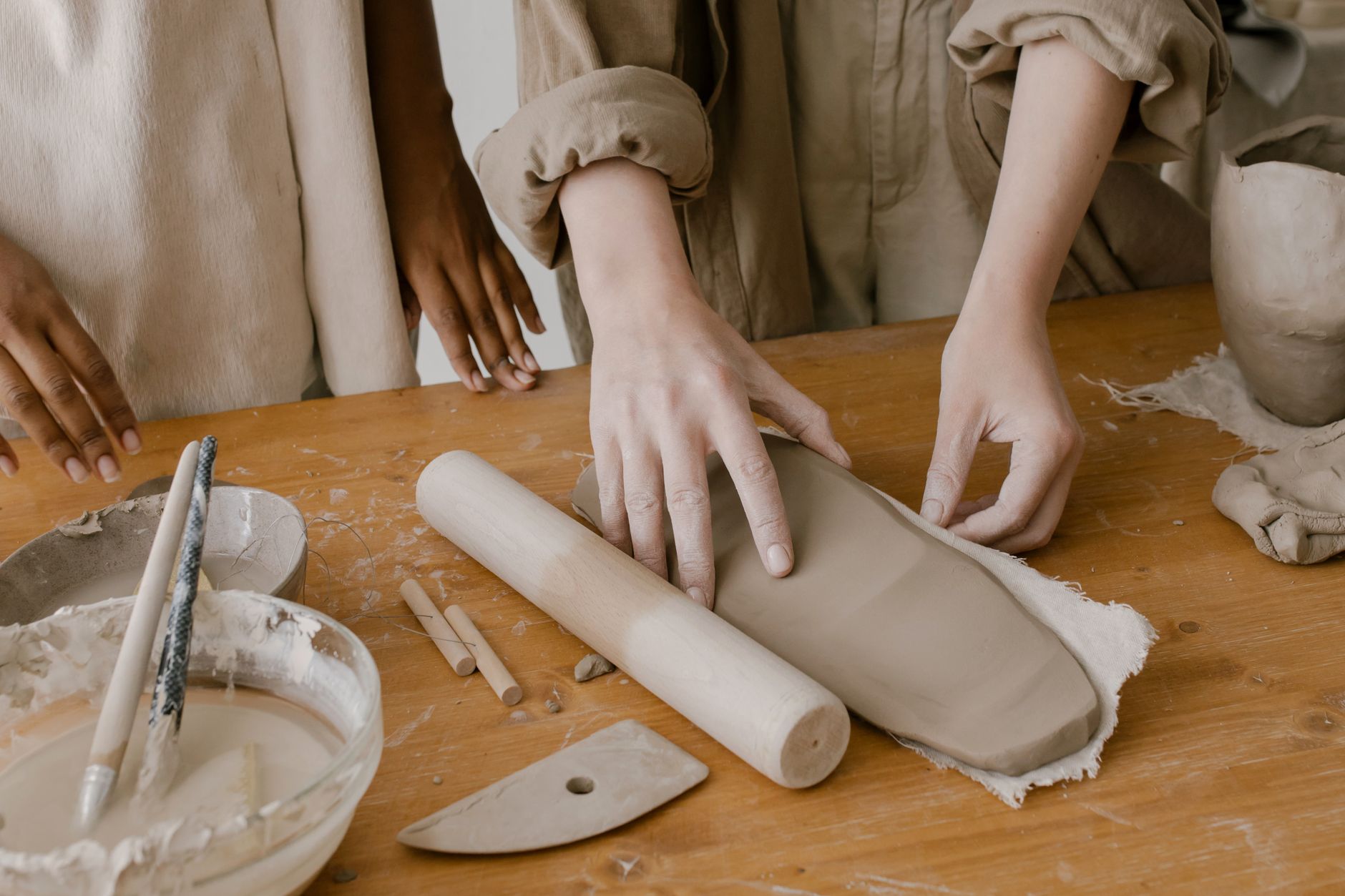
You arrive at a family kitchen or studio in a quiet lane, not a mall. The host gives you tea or water, shows you materials—clay dust smells like earth, silk feels cool, lacquer has a sharp smell we mention upfront (let us know if you're sensitive). First 15–20 minutes: you watch the host's hands, ask "why" questions, see how they angle the brush or center the clay. Next 45 minutes to 2 hours: your turn—the host adjusts your posture, corrects your grip, tells you when you're rushing. You'll hear "slower" a lot. Kids get bored around the 90-minute mark; we break for snacks or switch to a simpler next step. Seniors appreciate sitting and focus; we give them extra hand-support if needed. By hour three, your piece sits drying or waiting for the kiln. Last 15 minutes: clean-up, photos, tea again, the host explains what happens next (shipping, curing, storage). You leave with tired hands, clay under your fingernails, and a story—not a mass-produced trinket.
How do you avoid booking a mediocre workshop?
Red flags to check before you commit:
- More than 8 people in one session. You won't get personal correction; you'll feel rushed.
- No mention of the host's background. Real workshops name their instructor, say how long they've worked with clay or silk, maybe mention their family connection to the craft.
- Materials not specified. Does it use stoneware or porcelain? Hand-dyed silk or printed? Lower-grade materials age poorly and feel cheap.
- No flexibility for allergies or mobility. A good host asks you upfront: "Any allergies? Knee trouble? Left-handed? Rain concerns?" Silence suggests they run a script, not a real class.
- Pressure to buy extras or upgrade. You should leave with what you made; upselling a "premium glaze" or "rush kiln-firing" mid-session feels extractive.
- Reviews that sound generic. "Amazing experience!" and "Loved it!" could be about any class anywhere. Real reviews say "I learned the history of indigo dyeing" or "My 7-year-old actually focused for 3 hours."
Ask us the tough questions on WhatsApp: Who is the host? Can my mum with arthritis do this? Do you shift outdoors if it rains? Can I ship a piece home if the kiln takes two weeks? If an operator gets defensive, book elsewhere.
What makes Cáo's craft sessions different?
We run sessions from family-owned studios and home kitchens across Hanoi—not purpose-built tourist spaces. Your host is the actual craftsperson, not a tour guide who learned the basics last month. We cap groups at 6 people (private sessions are 1–4) so the host can watch your hands and adjust. We tell you upfront: this will feel slow. You'll make one piece, not five quick crafts in an assembly line. We adapt for rain (all our spaces have covered work areas), for kids (we shorten sessions, give breaks, pair them with a parent), for seniors (extra seating, no standing for hours, we handle heavy lifting), and for allergies (ask what materials we use—clay dust, natural dyes, lacquer fumes—and we'll tell you honestly if it's not safe for you). We don't upsell. Materials are included. Shipping home, if your piece needs kiln time, costs what it costs—we don't hide fees. You leave knowing why Vietnamese craftspeople have spent 20 years on a single technique, not just "I made a bowl."
We also offer flower arranging, tea experiences, and farm days if you want to combine crafts with other hands-on learning.
What to check before you book
Timing & Group Size:
- How long can you sit? (2 hours is different from 4.)
- How many friends are coming? (Smaller is cozier and more instructive.)
Physical & Dietary Needs:
- Any allergies to clay dust, dyes, lacquer fumes, or wood smoke?
- Mobility issues? (We can adapt seating and skip standing steps.)
- Mobility issues (we can adapt seating and skip standing steps).
Piece & Logistics:
- Do you need something finished and takeable on the day?
- Is shipping a piece home acceptable to you?
Host & Authenticity:
- Do they name the host and their background?
- Are they answering your specific questions, or giving you a generic response?
Ask us these on WhatsApp; we'll be honest if a session isn't right for you.
Related experiences to combine with craft workshops
If you're in Hanoi for a few days, pair a craft workshop with a Vietnamese cooking class (learn how to make the materials' dyes from turmeric or indigo, then cook with them), a coffee workshop (sit with a craftsperson in the morning, make coffee together at their studio kitchen), or a street food and market tour (see where artisans source their clay, pigments, and wood in Quang Ba market or the old quarter). These combinations give you a richer picture of Hanoi's artisan culture—not just one morning's craft session, but a day-long immersion.
For more stories and tips from our hosts, visit the Cáo blog.

FAQ
Can I do a craft workshop if I've never made anything before?
Yes. We teach absolute beginners all the time. We slow down, repeat steps, and remind you that clay cracks and silk lines go wonky—that's the learning. Expect to feel awkward for the first 30 minutes, then your hands remember what they're doing. Kids as young as 5 can hand-build clay; adults can try anything at 18+.
What if it rains on the day of my workshop?
All our workshop spaces are indoors or have covered work areas. We've never cancelled a session for rain. Outdoor elements like natural dye-vats in a farm setting move under awnings. Just let us know weather concerns when you book so we prep the right space.
Do I take my finished piece home the same day?
It depends. Silk paintings, flower arrangements, and paper crafts go home wet or fresh. Ceramics need kiln-firing (1–2 weeks); we ship them to you or store them. Lacquer pieces cure for days and must be handled carefully. We explain the timeline before you start so you're not surprised.
How much does a craft workshop cost, and what's included?
Ask us for dates and a quote on WhatsApp. Cost depends on what you're making, your group size, and how long you book. Materials, instruction, and tea are always included. Shipping a fired ceramic piece costs extra and takes 5–10 days in the US.
Can I bring my kids, or my elderly parent, or someone with a peanut allergy?
Yes to all three. Tell us their age or mobility limits upfront, and any allergies or sensitivities to materials. We adapt sessions—shorter for kids, extra seating for older guests, materials swaps for allergies. A few crafts (heavy wheel-throwing) don't suit very young children or people with weak wrists, and we'll say so honestly.
Do I need to book a private session or can I join a group?
Both work. Group sessions (2–6 people) are cheaper and more social. Private sessions (1–4 people) let you set the pace and focus on what interests you most. We coordinate group sessions by request; ask on WhatsApp if you'd like to join others or prefer privacy.
Ask about dates
Tell us the city, your dates and what you would like to try. We reply on WhatsApp in English with options and availability.
FAQ
Can I do a craft workshop if I've never made anything before?
Yes. We teach absolute beginners all the time. We slow down, repeat steps, and remind you that clay cracks and silk lines go wonky—that's the learning. Expect to feel awkward for the first 30 minutes, then your hands remember what they're doing. Kids as young as 5 can hand-build clay; adults can try anything at 18+.
What if it rains on the day of my workshop?
All our workshop spaces are indoors or have covered work areas. We've never cancelled a session for rain. Outdoor elements like natural dye-vats in a farm setting move under awnings. Just let us know weather concerns when you book so we prep the right space.
Do I take my finished piece home the same day?
It depends. Silk paintings, flower arrangements, and paper crafts go home wet or fresh. Ceramics need kiln-firing (1–2 weeks); we ship them to you or store them. Lacquer pieces cure for days and must be handled carefully. We explain the timeline before you start so you're not surprised.
How much does a craft workshop cost, and what's included?
Ask us for dates and a quote on WhatsApp. Cost depends on what you're making, your group size, and how long you book. Materials, instruction, and tea are always included. Shipping a fired ceramic piece costs extra and takes 5–10 days in the US.
Can I bring my kids, or my elderly parent, or someone with a peanut allergy?
Yes to all three. Tell us their age or mobility limits upfront, and any allergies or sensitivities to materials. We adapt sessions—shorter for kids, extra seating for older guests, materials swaps for allergies. A few crafts (heavy wheel-throwing) don't suit very young children or people with weak wrists, and we'll say so honestly.
Do I need to book a private session or can I join a group?
Both work. Group sessions (2–6 people) are cheaper and more social. Private sessions (1–4 people) let you set the pace and focus on what interests you most. We coordinate group sessions by request; ask on WhatsApp if you'd like to join others or prefer privacy.
More like this
Craft workshops
Craft Workshop in Saigon: Small Group Classes for Beginners
Cáo Experiences runs small-group craft workshops across Saigon where you learn traditional and contemporary making in intimate studio and community spaces. Sessions suit absolute beginners, families, and skill-builders.
Craft workshops
Craft workshop in Saigon for couples: what to choose
Couples in Saigon have three main craft paths: ceramics in a family studio, natural-dye silk painting, or bamboo weaving. Each teaches differently and suits different moods.
Craft workshops
Craft Workshop in Hoi An: What to Expect Step by Step
A craft workshop in Hoi An with Cáo Experiences is a half or full-day session where you learn a traditional Vietnamese skill—lantern-making, silk painting, woodblock printing, or lacquerware—in a working studio or family workshop. You leave with a finished piece you made yourself.