
Home › Blog › Craft workshops
Best Craft Workshop in Hué: Choose Your Hands-On Class
By the Cáo Experiences team · 2026-11-06
A craft workshop in Hué is a half-day or full-day hands-on session where you learn a traditional Vietnamese skill—lacquerware, embroidery, ceramics, or woodcarving—from an artisan in their working studio or a family kitchen-workshop space. Cáo Experiences coordinates groups of 2–8 guests in English, with materials, tools, and instruction included. Sessions run 3–5 hours depending on the craft; beginners learn the basics while experienced makers can go deeper. Most workshops suit all ages; we adapt for children, seniors, and mobility needs. Cost varies by craft and group size—ask us for dates and a quote on WhatsApp. Avoid booking without confirming the exact craft, location, and whether you take your finished piece home (most do). Ask about dates on WhatsApp
What kinds of craft workshops does Hué actually offer?
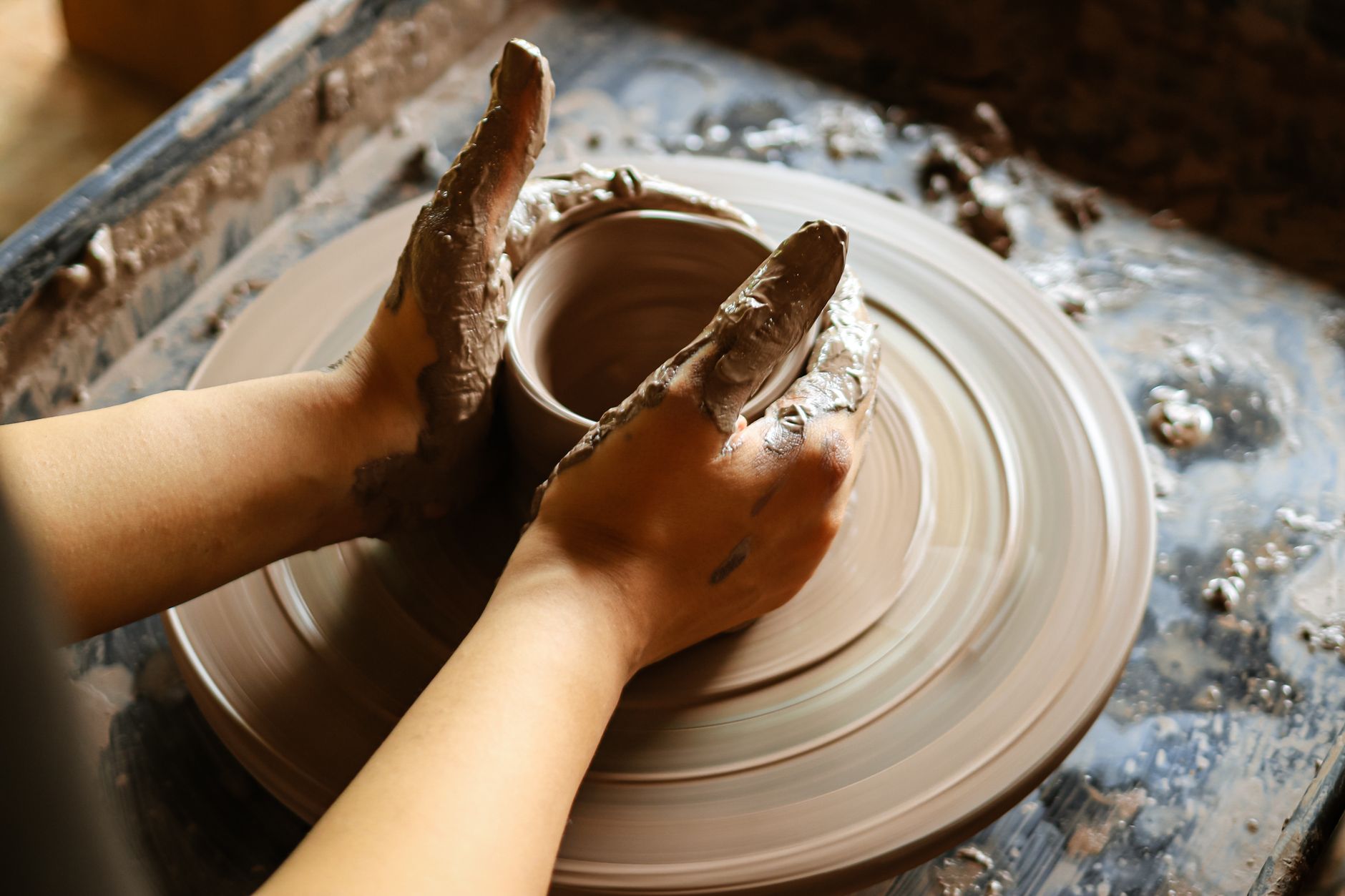
Hué's artisan tradition runs deep in silk painting, woodcarving, and ceramics. We work with makers in the old quarter, side lanes, and villages outside town who still hand-practice these skills daily. Silk-painting studios teach brush control and traditional motifs on fabric you keep. Ceramic workshops let you hand-throw, trim, and glaze clay pieces that fire during your stay or ship later. Woodcarving classes show relief and inlay techniques in small family workshops where the artisan's work covers the walls. Embroidery and lacquerware are less common but available through makers we've trained with. Each is taught in the maker's actual workspace, not a tourist facility—you see real orders in progress, wood shavings on the floor, kiln schedules on the wall.

Who should book a craft workshop, and who shouldn't?
Craft workshops suit:
- Couples and small groups (2–8) wanting a unique shared memory
- Solo travelers wanting to meet a local artisan one-on-one
- Families with kids aged 7+ (younger children struggle with fine motor focus for 3+ hours)
- People with prior art or making experience
- Travelers with 4+ hours free time and flexibility on timing
They're less ideal for:
- Large groups over 10 (we run smaller groups for quality)
- Visitors on a tight 2-hour itinerary (setup, demo, and practice take time)
- Travelers with no interest in getting hands dirty or taking a finished, imperfect piece home
- People with severe arthritis or hand tremors (we adapt, but some crafts are physically demanding)
Most guests are surprised by how hard the work is—silk painting requires steady wrist control, hand-throwing clay is exhausting, and carving demands precision. We're honest about this: you'll make mistakes, and your first piece won't rival the artisan's ten-year body of work. That's the point.
How do we adapt workshops for different skill levels and physical needs?
When you book, tell us your experience level and any physical limits (arthritis, back pain, hearing loss, diet allergies—yes, we often provide tea and light snacks). A beginner in a ceramic workshop might hand-throw a small bowl, trim its base, and paint a simple glaze; an experienced potter might throw two pieces and focus on foot-ring technique. For silk painting, kids can start with outline work while adults manage wet-brush blending. Seniors often do better with embroidery or seated painting—less standing, same skill-building. We adjust pacing: experienced makers move faster, so we add technical challenges; slower learners get extra demo time and smaller hand-motions at first.
Rainy days rarely cancel craft workshops (most are indoors in covered studio spaces), but heavy monsoon flooding or landslides can force rescheduling—we'll offer alternative dates within two weeks. If a maker falls ill, we pivot to a related craft at the same level or reschedule.
What's the difference between a craft workshop and other Hué experiences?
| Experience | Focus | Duration | Group size | Best for | Takes home |
|---|---|---|---|---|---|
| Craft workshop | One skill, hands-on making | 3–5 hrs | 2–8 | Doing, learning technique | Finished piece (usually) |
| Flower arranging | Seasonal arrangements, aesthetics | 2–3 hrs | 2–10 | Décor lovers, mindfulness | Wrapped bouquet |
| Art & culture class | History, viewing, discussion | 2–4 hrs | 2–12 | Cultural context, observation | Knowledge, photos |
| Tea experience | Tasting, ceremony, storytelling | 1.5–2.5 hrs | 2–8 | Tasting, relaxation | Tea to take away |
| Coffee workshop | Brewing methods, sourcing | 1.5–2 hrs | 2–8 | Coffee nerds, quick session | Brewed cup + beans |
Craft workshops are the only Cáo Experiences activity where you actively make something with your hands under direct artisan instruction. You walk out with a tangible object you made, not just a photo or a taste. This matters if you want proof of what you learned—a bowl you threw, a piece of silk you painted.
How do we choose which craft is right for you?
Ask yourself: Do you want to sit or stand? Painting and embroidery are seated; throwing ceramic or carving wood demand standing, walking around the piece, and upper-body strength. How long can you focus? Silk painting requires 3–4 unbroken hours of brush work. Ceramics often spans two visits (throwing one day, glazing after firing). Do you want a mess? Clay and lacquer leave you dusty or oil-stained. Painting is neater. How precious is the final object? If you want something gallery-quality to gift, ceramics and carving take longer to master; if you want a keepsake regardless of skill, painting or embroidery suit beginners better.
We also match craft to what's happening in Hué that season. Pottery studios are busiest in dry months (October–April); silk painters work year-round. Woodcarvers take on seasonal commissions, so availability shifts. When you WhatsApp us, we'll tell you what's possible that week and why one craft fits your dates better than another.
What actually happens hour by hour in a workshop session?
A typical 4-hour ceramic workshop:
- 0:00–0:15: Arrive. Artisan shows their own work, explains clay body and firing. You change into an apron. Tea.
- 0:15–0:45: Demo. Artisan throws a small bowl on the wheel, narrating hand position, pressure, centering. You watch closely.
- 0:45–2:30: Your turn. You wedge clay, center it, open it, pull the walls. It collapses twice. Artisan guides your hands. You trim the foot. Slow. Frustrating. Exhilarating.
- 2:30–3:00: Glaze demo. Artisan shows three glazes; you choose colors. You brush one glaze on your bowl inside and out. You see others' bowls in various states of drying or waiting to fire.
- 3:00–3:45: Tea, photos, conversation. Artisan explains kiln temperature and firing dates. You write your name on the bowl's base.
- 3:45–4:00: Wrap. Artisan packs your bowl in soft fabric. You exchange WhatsApp details for kiln photos. Leave.
(A silk-painting workshop skips the physical exertion but adds more color-mixing and drying time. An embroidery class is less dramatic but meditative.)
What do we mean by "authentic," and why it matters for your workshop choice
We don't mean "ancient" or "tourist-free"—we mean the artisan's primary income comes from their craft, not from teaching. The maker you learn from has a waiting list of local clients, commissions from inland provinces, or regular export orders. Teaching you is a side revenue source they fit around real work. You see their actual studio, not a classroom. You watch them finish a paying customer's piece while you're there. This matters because your learning comes from someone who must stay sharp—they're not performing technique for cameras; they're working at full speed and slowing down to explain.
Some workshops we've worked with have moved locations or changed focus (one ceramicist shifted to pottery supply; another retired). We keep our craft workshops page current, and we always confirm availability on WhatsApp before quoting dates. If you've seen another host's website naming a specific studio or artisan, that intel may be outdated—ask us first.
What to check before you book
- Confirm the exact craft and what you take home. Ask: "Will my piece be fired/finished before I leave, or will it ship?" (Some ceramics ship weeks later; that's fine, but know upfront.)
- Verify group size and whether kids are included. A workshop with one other couple feels different from one with six strangers.
- Ask about mobility and seating. "Will I stand the whole time?" "Are there chairs?" This prevents bad surprises.
- Check location. Old-quarter studios are walkable; countryside workshops need transport (we arrange it, but it adds 30 minutes each way).
- Disclose any allergies, injuries, or physical limits. Clay dust affects asthma; some glaze chemicals irritate skin; standing aggravates knee pain. We adapt, but we need to know.
- Know the weather plan. Ask: "If it rains heavily, do we reschedule or move indoors?" Most crafts are weatherproof, but confirm.

FAQ
Can a complete beginner make something worth keeping?
Yes. Your first bowl will be wonky or your first painting will have uneven brushstrokes, but it's yours and it's beautiful because you made it. Artisans keep first pieces too.
How much does a craft workshop cost?
Ask us for dates and a quote on WhatsApp—cost depends on the craft, group size, and whether materials are included. We'll be upfront.
What if I'm not artistic or good at crafts?
Neither skill nor talent is required. The artisan teaches technique, not talent. Expect to make mistakes; expect to laugh. Most guests say it's meditative, not competitive.
Can we do a private workshop just for our group?
Yes. Private sessions run longer, go deeper, and cost more per person. We also run small open groups (2–4 people) to keep prices fair. Ask which suits you.
What should I wear to a craft workshop?
Clothes you don't mind getting stained. Closed-toe shoes (clay or splinters). Tie long hair back. A smock or apron is provided. Avoid loose sleeves near spinning pottery wheels.
Can young children (under 7) do a workshop?
They can observe and play with clay, but formal instruction works better for kids 7+. For younger kids, we suggest family experiences that blend activity with learning at a slower pace.
Ask about dates
Tell us the city, your dates and what you would like to try. We reply on WhatsApp in English with options and availability.
FAQ
Can a complete beginner make something worth keeping?
Yes. Your first bowl will be wonky or your first painting will have uneven brushstrokes, but it's *yours* and it's beautiful because you made it. Artisans keep first pieces too.
How much does a craft workshop cost?
Ask us for dates and a quote on WhatsApp—cost depends on the craft, group size, and whether materials are included. We'll be upfront.
What if I'm not artistic or good at crafts?
Neither skill nor talent is required. The artisan teaches technique, not talent. Expect to make mistakes; expect to laugh. Most guests say it's meditative, not competitive.
Can we do a private workshop just for our group?
Yes. Private sessions run longer, go deeper, and cost more per person. We also run small open groups (2–4 people) to keep prices fair. Ask which suits you.
What should I wear to a craft workshop?
Clothes you don't mind getting stained. Closed-toe shoes (clay or splinters). Tie long hair back. A smock or apron is provided. Avoid loose sleeves near spinning pottery wheels.
Can young children (under 7) do a workshop?
They can observe and play with clay, but formal instruction works better for kids 7+. For younger kids, we suggest [family experiences](/family-experiences) that blend activity with learning at a slower pace.
More like this
Craft workshops
Craft Workshop in Saigon: Small Group Classes for Beginners
Cáo Experiences runs small-group craft workshops across Saigon where you learn traditional and contemporary making in intimate studio and community spaces. Sessions suit absolute beginners, families, and skill-builders.
Craft workshops
Craft workshop in Saigon for couples: what to choose
Couples in Saigon have three main craft paths: ceramics in a family studio, natural-dye silk painting, or bamboo weaving. Each teaches differently and suits different moods.
Craft workshops
Craft Workshop in Hoi An: What to Expect Step by Step
A craft workshop in Hoi An with Cáo Experiences is a half or full-day session where you learn a traditional Vietnamese skill—lantern-making, silk painting, woodblock printing, or lacquerware—in a working studio or family workshop. You leave with a finished piece you made yourself.