
Home › Blog › Farm and countryside days
Best farm experience in Sapa: what we actually run
By the Cáo Experiences team · 2026-11-06
A farm experience in Sapa is a full-day, hands-on session working in rice paddies, vegetable gardens, or with livestock on a family's land in the cooler upland valleys outside Sapa town. We arrange groups of 4–12 or private sessions for 1–8 people. You'll arrive mid-morning, work for 3–4 hours (weather-dependent), share a midday meal cooked by the family, then spend an hour learning or resting before returning by late afternoon. Days include farmwork, cultural exchange, lunch, drinking water, and a guide who translates. We adapt for fitness levels, children, allergies, and rain (we reschedule or move indoors if needed). Ask us for dates and a quote on WhatsApp—each family and season has different rhythms. Ask about dates on WhatsApp
Who chooses farm days in Sapa, and why?
Families with kids aged 6–16 book these to let children see where food comes from beyond supermarkets. Couples after authentic cultural immersion pick farm days over tourist-heavy treks. Solo travelers and small groups come for the quiet, the physical work, and a break from screen routines. Guests over 60 often choose gentler half-day versions focusing on vegetable preparation or sitting with elders rather than paddy labor. What unites them: they want to move, sweat a little, eat well, and spend time with real people, not Instagram backdrops.

What actually happens hour by hour on a farm day?
8:30 AM – We pick you up from your Sapa accommodation and drive 20–40 minutes to a family's holding in one of the valleys. Roads are paved but winding; bring motion-sickness tablets if you're prone to them.
9:15 AM – Arrive. The family greets you. You meet their animals (water buffalo, chickens, pigs depending on season), see the layout, remove shoes if entering their home. A guide explains the day's work in English.
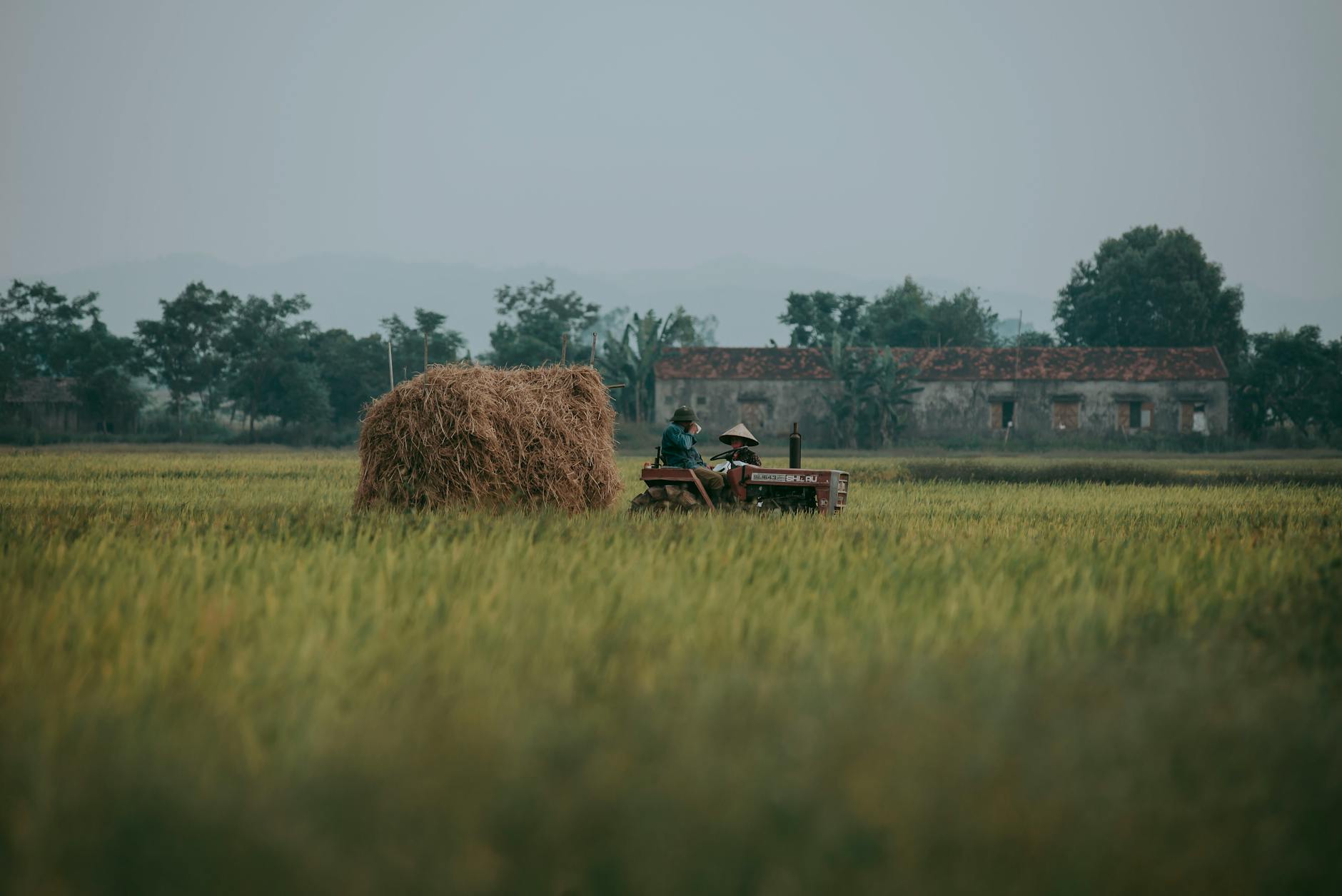
9:45 AM–1:00 PM – Hands-on farmwork. In rice season (May–September): wade into paddies, learn transplanting or weeding, feel the mud, understand flooding and drainage. In dry season: dig, prepare beds, plant vegetables, mend fences. You work at your own pace—no racing. Children help with lighter tasks; seniors sit and shell beans or prepare herbs. A family member works alongside you, not directing from a porch.
1:00–2:00 PM – Lunch cooked by the family in their kitchen, served communally. Typically vegetables from their garden, rice, fresh herbs, sometimes fish or pork. We accommodate vegetarians and allergies—tell us in advance and we brief the family. Food tastes better when you've grown part of it.
2:00–3:00 PM – Rest, tea, conversation. You might sit on a wooden bench, watch water buffalo in a stream, help with afternoon chores, or simply be quiet.
3:30 PM – Return journey back to town.
Days vary wildly: rice paddies are waterlogged and cool in summer; vegetable fields are drier but hotter in winter. No two farms are identical.
Why a farm day beats a cooking class for learning how food really works
A cooking class teaches technique—knife skills, heat control, flavor layering. A farm day teaches origins: why that vegetable grows here, how water shapes the land, why the family plants in June not July. You taste the same herbs you harvested that morning. You understand why a dish costs what it does. The labor is honest and visible. After a farm day, grocery shopping changes—you'll notice origin, season, quality differently. Cooking classes run alongside farm days if you want both skills; many guests do a farm day, then a cooking class in town the next day to process what they've learned.
How we adapt farm days for kids, seniors, rain, and dietary needs
For children (6–15): We pair them with the farm's kids if possible, letting them translate play across language. Lighter tasks—carrying water, collecting eggs, stirring pots—keep energy high. A 4–5-hour day is long for a 6-year-old; we shorten it or focus on animal care instead of paddy work.
For seniors (65+): We pick families with less strenuous layouts. You might focus on learning traditional herb use, sitting while the family shows you their seed collection, or working in a vegetable garden where you stay upright. One guest last year, aged 72, spent three hours helping shell beans and teaching the family's grandmother English words—no farm labor, pure exchange.
Rain: Paddies flood; some farm work stops. We reschedule if heavy rain is forecast. If rain arrives mid-day, we move indoors and shift to food preparation, storytelling, or crafts with family members. It's not a failed day—it's a different day.
Allergies and diet: We screen all dietary needs before booking and confirm directly with the family. Vegetarian meals are easy (most farm families eat mostly plants anyway). Nut allergies, shellfish, nightshades—tell us upfront and we match you to a suitable family or adjust the menu.
Fitness: You control your pace. If you can walk 1–2 km on uneven ground and bend repeatedly, you can do a farm day. If you have knee trouble, we find families with flat or less muddy land.
Compare: rice paddy days vs. vegetable farm vs. livestock-focused days
| Farm type | Best for | Season | Physical intensity | Meal focus | What you leave with |
|---|---|---|---|---|---|
| Rice paddies | First-time farm visitors; photographers; families | May–September | Medium (wading, bending, 3 hrs) | Stir-fry, rice, herbs | Mud on boots; understanding monsoon; photos |
| Vegetable gardens | Older guests; gardeners; gentle pace lovers | October–April | Low to medium (digging, planting, 2–3 hrs) | Salads, soups, stir-fry | Seedlings; knowledge of crop rotation; sore hands |
| Livestock & dairy | Animal lovers; families with toddlers; those avoiding paddies | Year-round | Low (feeding, mucking, hand-milking) | Cheese, butter, eggs in dishes | Goat stories; connection with herds; less mud |
Each type teaches Sapa's reality differently. We match you to the family and season that fit your energy and interests.
What to check before you book a farm experience
1. Confirm fitness level honestly. Can you walk 2 km on dirt paths? Can you squat or bend for 30 minutes without pain? Be truthful—we'll find a day that works.
2. Declare all dietary restrictions now. Not at the farm gate. The family plans their menu two days before; last-minute changes cause stress.
3. Ask about the family's language. We always provide a guide who translates. Some families speak a little English; most don't. That's the point—genuine exchange, not tourism English.
4. Check the weather forecast. Sapa's highland weather shifts fast. Rain doesn't cancel—it transforms the day.
5. Wear clothes you don't mind dirtying. Mud, vegetable stains, and water are unavoidable. Closed-toe shoes, quick-dry pants, a light layer if it's cool morning.
6. Ask if the family has children. If you're traveling with kids, a farm with kids their age changes the dynamic—they bond fast.
How farm days connect with other Sapa experiences we run
Many guests combine a farm and countryside experience with a Vietnamese coffee workshop—Sapa grows coffee and learning the roasting process deepens the agricultural story. Others pair a farm day with a street food and market tour in Sapa town to see where the market sources what the farms grow. Families often add a horse riding experience through the same valleys on another day. We coordinate these over WhatsApp so your week feels like one coherent journey, not separate activities.
See how a session runs
The honest truth about what goes wrong and how we prevent it
Expectation gap: Some guests expect Instagram-perfect moments or a "authentic farming simulation" where they feel like heroes. Real farms are dirty, repetitive, and humble. We show photos and describe hours honestly so you arrive with right expectations.
Fitness surprises: One guest thought they were fit but found mud-wading exhausting after 20 minutes. We now ask detailed fitness questions and offer a "trial" – a 30-minute visit before committing to a full day.
Language frustration: No translator means no conversation. We never send a guest without an English-speaking guide, even for private days.
Weather intensity: Highland sun or cold rain can catch people off guard. We provide umbrellas, sunscreen advice, and warm layers in winter; we reschedule if forecast is extreme.
Food and stomach: Unfamiliar farm food or water occasionally triggers mild upset. We confirm the family is using treated water and boiled ingredients for sensitive guests.
None of these are deal-breakers—they're just the real texture of the experience. We work around them.
Bringing it together: is a farm day in Sapa right for you?
A farm day suits you if you're curious, willing to work, okay with dirt, and patient with language barriers. It doesn't suit you if you want comfort, precision, or control over every detail. Book one if you want to understand Sapa beyond trekking and town cafes. Ask us for dates and a quote on WhatsApp—tell us your group size, fitness level, and whether you prefer paddies, vegetables, or animals, and we'll suggest families and seasons that match.

FAQ
How many people can join a farm day?
We run groups of 4–12 or private sessions for 1–8 people. Smaller groups get more attention from the family; larger groups share cost. Ask us for dates and availability for your group size.
Do I need farm experience to join?
No. We work with complete beginners. The family expects that. Children as young as 6 join; guests over 70 have done these comfortably. Fitness and willingness matter more than skill.
What if it rains heavily?
We monitor forecasts and reschedule if a storm is predicted. If light rain arrives during the day, farm work continues (paddies are meant to be wet). If heavy rain mid-session, we move indoors and shift to food prep or craft work with the family.
Are meals vegetarian-friendly?
Yes, if you tell us before booking. Most farm families eat mostly vegetables anyway. Meat is occasional. Tell us any allergy or dietary need upfront—we confirm directly with the family so they can plan.
How do we communicate if there's no English speaker at the farm?
We always send an English-speaking guide. They translate, answer questions, and help if anyone feels uncomfortable. Language barrier is part of the experience, not a problem to solve.
Can I book a private day for my family?
Yes. Private days suit families or small groups wanting a slower pace or dietary flexibility. Ask us for dates and a quote on WhatsApp—pricing depends on group size and season.
Ask about dates
Tell us the city, your dates and what you would like to try. We reply on WhatsApp in English with options and availability.
FAQ
How many people can join a farm day?
We run groups of 4–12 or private sessions for 1–8 people. Smaller groups get more attention from the family; larger groups share cost. Ask us for dates and availability for your group size.
Do I need farm experience to join?
No. We work with complete beginners. The family expects that. Children as young as 6 join; guests over 70 have done these comfortably. Fitness and willingness matter more than skill.
What if it rains heavily?
We monitor forecasts and reschedule if a storm is predicted. If light rain arrives during the day, farm work continues (paddies are meant to be wet). If heavy rain mid-session, we move indoors and shift to food prep or craft work with the family.
Are meals vegetarian-friendly?
Yes, if you tell us before booking. Most farm families eat mostly vegetables anyway. Meat is occasional. Tell us any allergy or dietary need upfront—we confirm directly with the family so they can plan.
How do we communicate if there's no English speaker at the farm?
We always send an English-speaking guide. They translate, answer questions, and help if anyone feels uncomfortable. Language barrier is part of the experience, not a problem to solve.
Can I book a private day for my family?
Yes. Private days suit families or small groups wanting a slower pace or dietary flexibility. Ask us for dates and a quote on WhatsApp—pricing depends on group size and season.
More like this
Farm and countryside days
Fishing Experience Vietnam for Japanese Travelers: Where to Go & What to Expect
Vietnam's waterways offer Japanese travelers a chance to learn traditional fishing methods directly from locals. Cáo Experiences runs half- and full-day sessions on rivers, lakes and the Mekong Delta where you cast nets, set traps, and cook your catch.
Farm and countryside days
Fishing Experience Vietnam for Foreigners: Hands-On Guide
Fishing in Vietnam isn't a spectator sport—you'll wade into rivers, cast nets, trap fish in baskets, and cook your catch for lunch. We run small-group and private fishing days in the countryside outside Hanoi, Ha Noi region, and the Mekong Delta.
Farm and countryside days
Fishing Experience in Vietnam: 8 Questions to Ask Before You Go
Fishing in Vietnam means wading through rice paddies, learning trap techniques, or casting in rivers with local guides. Here's what to ask before you book.