
Home › Blog › Farm and countryside days
Best rice farming experience in Vietnam: hands-on paddies near Hanoi
By the Cáo Experiences team · 2026-11-06
A genuine rice farming experience means spending 4–6 hours in a family paddy near Hanoi or the Red River Delta, guided by the farmers who work it year-round. You'll wade into knee-deep water during planting season (May–June or September–October) to transplant seedlings or cut mature stalks, learn why water depth and soil temperature matter, understand the monsoon cycle, and eat lunch cooked by the family in their kitchen. Cáo Experiences runs these sessions as small groups or private bookings, with guides who translate and adapt the pace to your fitness level. Wear clothes you don't mind muddying, bring sun protection, and expect to be sore the next day—that's the honest part. The cost basis is day-rate hosting by local families plus guide time; ask us for dates and a quote on WhatsApp. Avoid peak tourist seasons (November–December) when paddies are already harvested and muddy roads complicate access. Ask about dates on WhatsApp
What does a real rice-farming day actually look like?
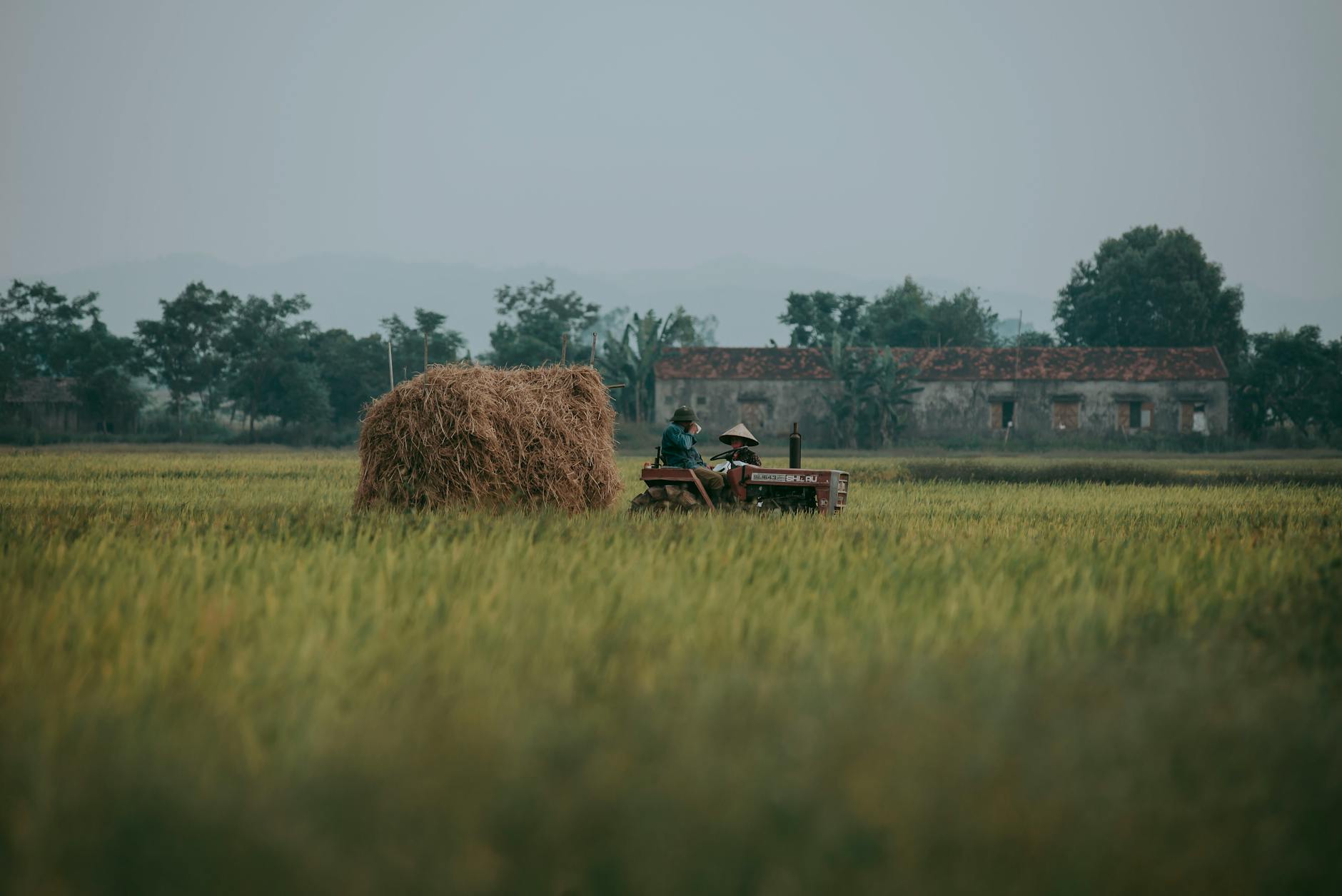
We arrive at the family's home in a lane off the main road, before 7 a.m., when the air is cool and farmers have already waded in. You change into clothes you've brought, step into rubber sandals (or go barefoot if you're confident), and walk across the paddy's edge to meet the family. The farmer shows you how to read water level with your fingers, why seedlings must be spaced 20 centimeters apart, and how to grip a handful without crushing them. For the first hour, you plant or harvest alongside the family—your back will feel it, your hands will prune, mud will find every gap in your clothing. By mid-morning, you pause under a shelter for weak tea and rice crackers. The family's kitchen smells like woodsmoke and garlic. Lunch is vegetables, fish, and rice, eaten on a low wooden table while someone hoses mud from the paddy tools outside. After eating, you return to the field or walk to a second plot to learn about water management and the crop rotation cycle. By 1 p.m., the sun is intense; we finish, wash at the family's well, and sit in shade while someone explains the economics—how much a hectare yields, what debt and weather risk mean, why young people leave for the city. You leave with mud under your fingernails, shoulders burned, and a respect for the work that feeds millions.

Why is the Red River Delta the best place to learn this?
The Red River Delta, north and south of Hanoi, grows rice on roughly 1 million hectares (based on government agricultural surveys), and the Mekong Delta further south is larger but more commercialized and less accessible to small-group visitors. Our partners work in family paddies 40–60 kilometers from central Hanoi, where farms are still 2–5 hectares and managed by generational knowledge. The delta's monsoon rhythm—southwest winds May to September, northeast October to April—shapes the entire calendar. Planting happens in spring floods; harvest comes in autumn dryness. You see the whole logic in one visit. Larger tour operators take you to a model farm with gift shops; we take you to the actual family plot where someone has grown rice their entire life.
What season should you go, and why does timing matter so much?
Early summer (May–June) is planting season: warm water, high energy, thousands of seedlings to transplant, and the farmer explaining why timing matters—plant too late, and autumn rain may arrive before harvest. Autumn (September–October) is harvest: water drains, stalks dry and stiffen, the race against weather begins, and every hand counts. Winter (November–February) and spring (March–April) offer less dramatic work—field maintenance, repair, planning—and paddies look drier and less photogenic. The intensity and learning curve are highest in May–June and September–October. If you go outside those windows, expect to help with water management, weeding, or tools rather than the signature work, and adjust your expectations. Ask us which month fits your trip; we'll match you to what's actually happening.
Can beginners and families really do this, or is it only for the fit?
We've guided people from age 8 to 75, and fitness matters less than mindset. Kids love the mud and water—they're faster at planting than adults, actually—but get tired after 2–3 hours and need shade and snacks. Teenagers and adults in moderate fitness handle 4–5 hours of wading and bending if they take breaks and drink water. Seniors manage 2–3 hours of lighter tasks: learning, photographing, sitting with the farmer's family, eating together. The farmer and guide both adapt constantly—you're never forced to keep pace. Wear a hat, bring blister plasters, and be honest about any back or knee issues before we book; we'll plan accordingly. Sunburn and sore quads are normal; actual injury is rare because the work is slow and repetitive, not risky. Families and kids can book sessions designed around shorter hours and gentler tasks. Rain doesn't cancel us—it's part of farming—but mudslides do; we'll reschedule if a typhoon or heavy flood warning is active.
How does this compare to other farm experiences in Vietnam?
| Experience type | Duration | Hands-on work | Best for | Skill match |
|---|---|---|---|---|
| Rice farming (Red River) | 4–6 hours | Heavy (planting/harvest) | Adults 16+, families with teens | Beginner to fit |
| Coffee plantation visit | 3–4 hours | Medium (picking, processing) | Coffee lovers, all ages | Beginner |
| Countryside farm day | 4–5 hours | Mixed (animals, crops, cooking) | Families, groups | Beginner |
| Vegetable farming (Mekong) | 3 hours | Light–medium | All ages | Beginner |
| Tea garden (highlands) | 2–3 hours | Light (picking, tasting) | Relaxed pace, couples | Beginner |
Rice farming demands the most physical effort and reward you with the most honest understanding of one crop's full cycle. If you want variety or a lighter day, countryside farm experiences mix animals, vegetables, and cooking. If you're drawn to a single crop, coffee workshops or tea experiences go deeper into flavor and processing in shorter time.
What should you actually wear and bring to stay comfortable?
Wear synthetic or quick-dry pants (not cotton jeans—they stay wet all day), a long-sleeved shirt or rash guard for sun and insects, and waterproof bag for your phone and cash. Bring: two pairs of socks, a change of shirt, a hat with a brim, sunscreen (high SPF, waterproof), a small towel, water bottle (refill at the house), any personal medications, and a sense of humor. Leave behind: nice shoes (you'll destroy them), jewelry, and expectations of staying clean. The family provides rubber sandals or you go barefoot—both work. After the session, we wash your hands and arms at the house well, and you dry off in a shelter; a full shower waits at your accommodation. Wear clothes you don't mind staining permanently; some guests keep their mud-stained shirt as a souvenir, which is fitting.
Which city or region should you visit for the best rice experience?
Hanoi-based experiences with us access the Red River Delta in 45–90 minutes, hitting family paddies that have fed the city for centuries. The delta's water control and timing feel urgent—farmers know every canal and water gate. If you're in central Vietnam, we have connections in the Mekong Delta near Ho Chi Minh City and smaller paddies near Hoi An, though those are less developed for visitor sessions. For true immersion—a multi-day stay with a farming family, not just a day session—you'd head to rural Ninh Binh or Thai Nguyen, but that requires private arrangement and significant planning. For a day trip from any major city, ask us to match you to the nearest working paddy with a farmer ready to host.
What's the honest hardship, and how do we make it manageable?
You will be sore the next day—thighs, lower back, shoulders. Your feet will blister if your shoes are wrong (they will be; wear sandals). Mud will smell like algae and decay, which is normal and not dangerous. The sun is relentless if you don't cover up and drink water constantly. Mosquitoes at dawn and dusk are real; a light repellent helps. The farmer's schedule is their schedule, not yours; if the water level changes overnight, the plan changes. If you have romanticized rice farming as peaceful and scenic, the first two hours will disabuse you—it's labor, repetitive and wet. We prevent injury by: keeping groups small (max 6–8 people), starting early to avoid peak heat, building in long lunch and rest breaks, matching you to field work suited to your fitness, and being explicit beforehand about what sore means versus what wrong means. We pause or stop if anyone has real pain, not just fatigue. We've never had a medical incident, but we take seriously any knee, back, or shoulder history you mention.
What to check before you book
- Season check: Confirm whether May–June or September–October works for your travel dates, or accept lighter farm work.
- Fitness level: Be honest about sore knees, lower-back issues, or shoulder limits; we adapt, but we need to know.
- Group size: Decide if you want small-group camaraderie (mixed guests, lower cost basis) or private (your pace, higher cost basis).
- Weather: Avoid booking during typhoon season (August–September late or October early in northern Vietnam); ask us for the safest window.
- Clothing: Don't buy new gear; wear clothes you own and don't mind ruining.
- Dietary needs: Tell us if you're vegetarian, allergic, or can't eat certain foods; the family will cook around it.
See how a session runs

FAQ
Do I need farming experience to do this, or is it truly for beginners?
Completely for beginners. We've hosted accountants, students, and retirees with zero farm background. The farmer teaches you grip, rhythm, and spacing; you learn by doing, not instruction. Mistakes are normal and part of the day. One guest bent over backward to understand why a seedling needed shade—that curiosity is all you need.
What if I'm scared of getting stuck in mud or bitten by something?
Mud is shallow (ankle to knee), not quicksand; you step backward the way you stepped in. Insects are visible and slow—repellent works. In twenty years of our guides working these paddies, no guest has reported a serious bite or sting. Wear long sleeves and reapply repellent after the midday wash. Fear fades after the first fifteen minutes.
Can I do this alone, or do I have to join a group?
You can book private (just you and a guide) or small-group (2–8 guests total). Private costs more per person but you set the pace and the farmer's attention is yours. Groups are livelier, cheaper per head, and you often make friends. Either way, the farmer is the star, not the group dynamic.
Is the rice we plant or harvest actually edible, or is it just a demo?
It's real rice the family grows to eat and sell. If you plant in May, that same rice is harvested in October and likely sold to a miller or eaten in someone's kitchen. You're part of an actual crop cycle, not a performance. We can sometimes arrange for a small bag of rice from your planting to be milled and sent to you after harvest, though logistics are slow—ask us about it if you want that souvenir.
How many hours should I block, and can I do other things the same day?
Block 6–7 hours door-to-door (including travel to and from the paddy, changing, and washing up). You can pair it with a street food tour in Hanoi the next day, or a Vietnamese cooking class using rice and vegetables from a farm market, but not the same morning. You'll be tired and muddy after; plan a shower and rest.
What if it rains heavily or there's a storm?
Light rain doesn't stop us—farmers work in rain all season. Heavy rain or a typhoon warning cancels the session, and we reschedule you for a date within your trip window or offer a private cooking class or coffee workshop as an alternative. Flooding (rare but possible in September) cancels and delays until the paddy drains.
Ask about dates
Tell us the city, your dates and what you would like to try. We reply on WhatsApp in English with options and availability.
FAQ
Do I need farming experience to do this, or is it truly for beginners?
Completely for beginners. We've hosted accountants, students, and retirees with zero farm background. The farmer teaches you grip, rhythm, and spacing; you learn by doing, not instruction. Mistakes are normal and part of the day. One guest bent over backward to understand why a seedling needed shade—that curiosity is all you need.
What if I'm scared of getting stuck in mud or bitten by something?
Mud is shallow (ankle to knee), not quicksand; you step backward the way you stepped in. Insects are visible and slow—repellent works. In twenty years of our guides working these paddies, no guest has reported a serious bite or sting. Wear long sleeves and reapply repellent after the midday wash. Fear fades after the first fifteen minutes.
Can I do this alone, or do I have to join a group?
You can book private (just you and a guide) or small-group (2–8 guests total). Private costs more per person but you set the pace and the farmer's attention is yours. Groups are livelier, cheaper per head, and you often make friends. Either way, the farmer is the star, not the group dynamic.
Is the rice we plant or harvest actually edible, or is it just a demo?
It's real rice the family grows to eat and sell. If you plant in May, that same rice is harvested in October and likely sold to a miller or eaten in someone's kitchen. You're part of an actual crop cycle, not a performance. We can sometimes arrange for a small bag of rice from your planting to be milled and sent to you after harvest, though logistics are slow—ask us about it if you want that souvenir.
How many hours should I block, and can I do other things the same day?
Block 6–7 hours door-to-door (including travel to and from the paddy, changing, and washing up). You can pair it with a [street food tour](/street-food-tour) in Hanoi the next day, or a [Vietnamese cooking class](/cooking-class) using rice and vegetables from a farm market, but not the same morning. You'll be tired and muddy after; plan a shower and rest.
What if it rains heavily or there's a storm?
Light rain doesn't stop us—farmers work in rain all season. Heavy rain or a typhoon warning cancels the session, and we reschedule you for a date within your trip window or offer a private cooking class or [coffee workshop](/coffee-workshop) as an alternative. Flooding (rare but possible in September) cancels and delays until the paddy drains.
More like this
Farm and countryside days
Fishing Experience Vietnam for Japanese Travelers: Where to Go & What to Expect
Vietnam's waterways offer Japanese travelers a chance to learn traditional fishing methods directly from locals. Cáo Experiences runs half- and full-day sessions on rivers, lakes and the Mekong Delta where you cast nets, set traps, and cook your catch.
Farm and countryside days
Fishing Experience Vietnam for Foreigners: Hands-On Guide
Fishing in Vietnam isn't a spectator sport—you'll wade into rivers, cast nets, trap fish in baskets, and cook your catch for lunch. We run small-group and private fishing days in the countryside outside Hanoi, Ha Noi region, and the Mekong Delta.
Farm and countryside days
Fishing Experience in Vietnam: 8 Questions to Ask Before You Go
Fishing in Vietnam means wading through rice paddies, learning trap techniques, or casting in rivers with local guides. Here's what to ask before you book.