
Home › Blog › Farm and countryside days
Buffalo Riding in Vietnam's Rainy Season: What to Expect
By the Cáo Experiences team · 2026-11-06
Buffalo riding during Vietnam's rainy season (May–September in the north, September–December in the central highlands) is entirely possible but requires flexibility. The rains turn paddies into shallow lakes, making rides slower and muddier than dry-season trips. At Cáo Experiences, we adjust route, pace, and duration based on daily rainfall and ground conditions—some days we ride through waterlogged fields, other days we stick to higher lanes. Sessions typically run 2–3 hours including a meet-and-greet with the animals, a slow walk through working farmland, and time to cool off in water. Rainy-season rides suit groups who want a quieter, more immersive rural experience and don't mind mud. Families with young children, seniors, or anyone uncomfortable with heavy rainfall should book dry-season dates instead. Ask us for dates and a quote on WhatsApp to check current conditions and availability. Ask about dates on WhatsApp
Why does rainy season change the buffalo riding experience?
Rain transforms the landscape but also the animals' behavior and the routes we take. During monsoon months, the paddies fill with water, creating a slower, softer ride—the buffalo wade rather than walk. The ground becomes slick, so our pace drops to a walk only, with longer rest stops. The air is cooler and greener, and fewer international tour groups are around, so you get a more intimate connection with the animals and the farming community. The trade-off is mud, unpredictable weather, and shorter riding windows if storms pass through. We never ride in heavy downpour; we'll pause or reschedule if lightning or dangerous flooding threatens.

What clothing and gear do you really need?
Expect to be muddy and damp, even if it doesn't rain during your session. Wear quick-dry trousers (not jeans—they stay cold and heavy when wet), a moisture-wicking top, and a light rain jacket or poncho. Bring a change of clothes and a small towel in a waterproof bag, because you'll want to change before heading into town. Closed-toe shoes with grip—hiking boots or trail sneakers—are essential; flip-flops or sandals will slip off in mud. A hat helps keep sun and light rain off your face. We provide a simple woven hat if you forget one. Leave your phone in a waterproof pouch or at your accommodation—the humidity and splashing make water damage very real. Sunscreen still applies even on cloudy days; the reflection off wet earth is intense.
How do we adapt riding for kids, seniors, and mixed groups?
Children under 6 typically ride double with a parent or guide; we pair heavier kids with our steadiest animals. Seniors often ride for 45 minutes to an hour instead of the full 2–3 hours, with more frequent stops and a gentler animal. We assess fitness and comfort in a 10-minute introduction before mounting—that's when we catch anxiety or balance issues and adjust. Mixed-age groups work well because buffalo pace is naturally slow; nobody is racing. We also shorten the route if rain intensifies or if anyone is visibly uncomfortable. A guide always walks alongside, holding the buffalo's harness or walking stick, ready to stabilize or help dismount. Pregnant women should sit out; the jolting and uneven terrain aren't safe after the first trimester.
What happens if heavy rain falls on your scheduled day?
We watch the forecast closely and call or message you 24 hours before if a storm is predicted. Light drizzle is fine—we ride; heavy rain or storms mean we reschedule. If rain starts during your session, we return to base within 15 minutes. We don't charge for rescheduling; you pick a new date and we hold your booking. If you're only in Vietnam for a short window, we can also swap you to a horse riding experience or a farm and countryside day that doesn't depend on water conditions—we work with the landscape you get. The key is honesty: we won't pretend conditions are safe if they're not.
How does a rainy-season session actually run, hour by hour?
You arrive at a family-run farm outside town about 30 minutes before sunrise or mid-morning (depending on your preference). First 15 minutes: meet the buffalo, learn their names, touch their horns, and ask questions. Our guide speaks English and works with these animals every day—they'll show you how to approach safely and read the animal's mood. Next 15 minutes: mounting lesson and a short walk to settle your seat and balance. Then the main ride: 1.5–2 hours walking through working paddies, stopping to watch farmers, rest in shade, and sometimes wade into knee-deep water where the buffalo cool off. Final 30 minutes: return to base, rinse mud off together (there's a simple outdoor shower), dry off, and drink fresh coconut water or hot tea. We usually finish by 10 a.m. or 1 p.m., leaving your afternoon free to explore markets or rest.
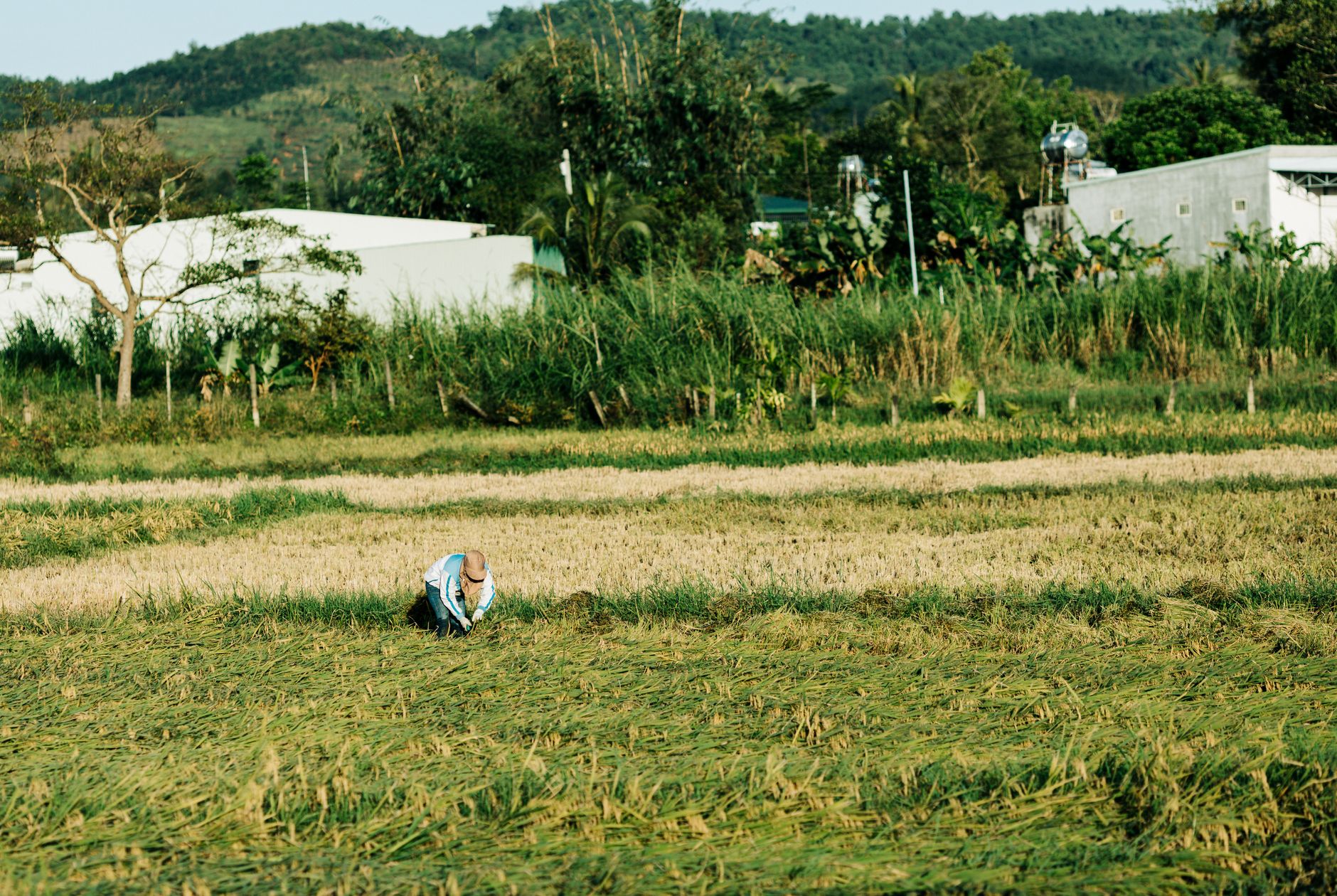
Comparison: Rainy-Season vs. Dry-Season Buffalo Rides
| Aspect | Rainy Season (May–Sep North) | Dry Season (Oct–Apr North) | Choose Rainy If… | Choose Dry If… |
|---|---|---|---|---|
| Ground condition | Muddy, waterlogged paddies | Firm, dusty earth | You want authentic wet-season farm life | You prefer clean, faster-paced riding |
| Typical pace | Walk only, 2–3 km/hour | Walk or gentle trot, 3–5 km/hour | You're not in a rush | You want longer distance |
| Weather risk | Rain, humidity, rare storms | Dry, hot, occasional drizzle | You enjoy cooler rides | You prefer stable, hot weather |
| Tourist density | Fewer groups, quieter farms | More groups, livelier atmosphere | You want solitude and intimacy | You enjoy group energy |
| Ride duration | 2–3 hours (weather-dependent) | 2–4 hours (usually uninterrupted) | Flexibility suits your schedule | You're committed to a longer day |
| Buffalo behavior | Calm, slower, cooling-focused | Energetic, responsive, alert | You prefer a gentler animal | You want more responsiveness |
| Clothing | Waterproof, quick-dry, muddy | Light, breathable, dusty | You don't mind getting very muddy | You want to stay relatively clean |
What should you check before booking a rainy-season buffalo ride?
1. Forecast & recent rainfall: Ask us to check the local forecast and rainfall from the past 48 hours. If the water level is unusually high or storms are forecast, we'll recommend dry-season dates or another farm experience that day.
2. Your fitness and swimming ability: You don't need to swim, but you should be comfortable wading in knee-deep water and sitting upright on an animal for 2+ hours with no stirrups. If you have joint pain, herniated discs, or balance issues, confirm with us first.
3. Your group's pace: Are there very young kids, elderly members, or pregnant women? Tell us during booking so we assign the right animal and guide, and set realistic expectations for ride time.
4. Mud comfort level: Seriously—if you hate being dirty, rainy season isn't your season. Dry-season rides are much cleaner. If you're unsure, ask us what the most recent conditions looked like.
5. Rain jacket and shoes: Bring waterproof gear even if the forecast says "light rain." Weather in rural areas changes fast, and a flooded river crossing can happen an hour into your ride.
6. Cancellation flexibility: If you're flying in or out on a specific date, rainy season adds uncertainty. Build in a day or two of buffer, or book a dry-season slot when conditions are predictable.
Why book a rainy-season buffalo ride with us?
Rainy-season farm rides reveal a side of rural Vietnam that tourists rarely see: the monsoon rhythm, the flooded paddies as mirrors, the animals moving slowly through water, farmers moving faster. There's a meditative quality that dry-season rush doesn't have. We know our animals individually—their temperament, which ones suit nervous riders, which love water. We also know the farms we work with; we've ridden those routes in every season, so we know exactly which paths flood, which fields are safest, and when to turn back. We won't ride you into danger for a photo op.
Rainy-season rides also suit groups wanting a quieter, more sustainable tourism experience—fewer people, less peak-season crowding, and a genuine connection to how farming actually works in Vietnam. If you're also interested in the food side, consider pairing your ride with a Vietnamese cooking class using vegetables from the same farm, or a farm and countryside experiences combining rides with a market visit.
Pages from our team you may need
FAQ
Can I ride a buffalo if I've never ridden a horse or any animal before?
Yes. Buffalo are slower and more forgiving than horses. Our guides work at your pace and are always beside you. The mounting and basic balance take 15 minutes to learn. We assess comfort on the ground before you mount, so if you're nervous, we adapt.
What if it rains right in the middle of my ride?
Light rain doesn't stop us—it's actually quite pleasant. Heavy rain or lightning means we return to base within 15 minutes. We don't charge you for the cut short ride; you can reschedule free of charge or try a different farm experience that day.
Are the buffalo safe around children?
Yes, provided kids are old enough to follow basic instructions and not sudden movements or loud noises. We don't ride kids under 5 alone; they sit with a parent. Kids 5–10 usually ride with a harness and our guide holding the animal steady.
Do I need special shoes, or can I wear sandals?
Special shoes aren't required, but closed-toe, grip-soled shoes (hiking boots, trail sneakers) are vital. Mud is slippery, and you'll dismount into mud. Sandals or flip-flops will come off or cause you to slip.
What's the difference between rainy-season and dry-season rides in terms of what I'll actually experience?
Rainy season: slower pace, muddier, cooler, fewer tourists, smaller riding windows (2–3 hours vs. 4). Dry season: faster, dusty, hotter, busier, more predictable. Rainy suits quiet, immersive days; dry season suits longer adventures.
Can I bring my phone or camera?
Yes, in a waterproof pouch. Humidity and splashing damage phones very quickly. A simple waterproof bag costs little and protects your photos. We recommend leaving your phone at the accommodation if you're not comfortable managing it outdoors.
Do you offer rides in Saigon or other cities, or only in the north?
We offer rides at farms near Hanoi and the northern highlands. For farm experiences or other activities in Saigon or the south, ask us about dates and we can recommend local hosts or suggest southern alternatives.
What if someone in my group has mobility issues or can't mount a horse?
Tell us before booking. We can arrange a shorter, slower ride, use a mounting block, or suggest wellness and slower experiences that don't require riding—like a farm walk, a tea session, or a cooking class at the same location. ===
Ask about dates
Tell us the city, your dates and what you would like to try. We reply on WhatsApp in English with options and availability.
FAQ
Can I ride a buffalo if I've never ridden a horse or any animal before?
Yes. Buffalo are slower and more forgiving than horses. Our guides work at your pace and are always beside you. The mounting and basic balance take 15 minutes to learn. We assess comfort on the ground before you mount, so if you're nervous, we adapt.
What if it rains right in the middle of my ride?
Light rain doesn't stop us—it's actually quite pleasant. Heavy rain or lightning means we return to base within 15 minutes. We don't charge you for the cut short ride; you can reschedule free of charge or try a different farm experience that day.
Are the buffalo safe around children?
Yes, provided kids are old enough to follow basic instructions and not sudden movements or loud noises. We don't ride kids under 5 alone; they sit with a parent. Kids 5–10 usually ride with a harness and our guide holding the animal steady.
Do I need special shoes, or can I wear sandals?
Special shoes aren't required, but closed-toe, grip-soled shoes (hiking boots, trail sneakers) are vital. Mud is slippery, and you'll dismount into mud. Sandals or flip-flops will come off or cause you to slip.
What's the difference between rainy-season and dry-season rides in terms of what I'll actually experience?
Rainy season: slower pace, muddier, cooler, fewer tourists, smaller riding windows (2–3 hours vs. 4). Dry season: faster, dusty, hotter, busier, more predictable. Rainy suits quiet, immersive days; dry season suits longer adventures.
Can I bring my phone or camera?
Yes, in a waterproof pouch. Humidity and splashing damage phones very quickly. A simple waterproof bag costs little and protects your photos. We recommend leaving your phone at the accommodation if you're not comfortable managing it outdoors.
Do you offer rides in Saigon or other cities, or only in the north?
We offer rides at farms near Hanoi and the northern highlands. For farm experiences or other activities in Saigon or the south, ask us about dates and we can recommend local hosts or suggest southern alternatives.
What if someone in my group has mobility issues or can't mount a horse?
Tell us before booking. We can arrange a shorter, slower ride, use a mounting block, or suggest [wellness and slower experiences](/wellness) that don't require riding—like a farm walk, a tea session, or a cooking class at the same location. ===
More like this
Farm and countryside days
Fishing Experience Vietnam for Japanese Travelers: Where to Go & What to Expect
Vietnam's waterways offer Japanese travelers a chance to learn traditional fishing methods directly from locals. Cáo Experiences runs half- and full-day sessions on rivers, lakes and the Mekong Delta where you cast nets, set traps, and cook your catch.
Farm and countryside days
Fishing Experience Vietnam for Foreigners: Hands-On Guide
Fishing in Vietnam isn't a spectator sport—you'll wade into rivers, cast nets, trap fish in baskets, and cook your catch for lunch. We run small-group and private fishing days in the countryside outside Hanoi, Ha Noi region, and the Mekong Delta.
Farm and countryside days
Fishing Experience in Vietnam: 8 Questions to Ask Before You Go
Fishing in Vietnam means wading through rice paddies, learning trap techniques, or casting in rivers with local guides. Here's what to ask before you book.