
Home › Blog › Craft workshops
Conical Hat Making in Vietnam for Solo Travelers
By the Cáo Experiences team · 2026-11-06
A conical hat workshop at Cáo Experiences gives you 2–3 hours learning to weave palm leaf strips into Vietnam's iconic nón lá with an experienced maker in a family workspace near Hanoi's old quarter. You start with pre-split materials, learn the radial weave pattern by hand, trim and bind the rim, and walk away with your finished hat. Solo travelers are our core audience—you'll work one-on-one or join a small group (never crowded), with English-speaking hosts guiding each step. Beginners worry about speed and symmetry; we emphasize the imperfect charm of handmade pieces. The session is rain-adapted (we work indoors) and costs little more than a tourist meal. Bring comfortable clothes, short nails, and patience; no strength required. Ask about dates on WhatsApp
Why do solo travelers choose hat-weaving over other craft classes?
Hat-weaving sits between meditative and achievable: you finish a wearable object in one session, unlike multi-week courses. Most solo travelers tell us they want to meet a maker, not just a guide, and to take home proof they did something real. It's quieter than cooking classes, which involve tasting and social eating, and it's portable—you wear your hat on the plane home. The workshop also opens a door to rural craft economy: makers depend on tourism to stay in business, and your hat is genuine support, not a souvenir. We've hosted people aged 20 to 75, all solo, all leaving with a story they can explain to friends while wearing it.
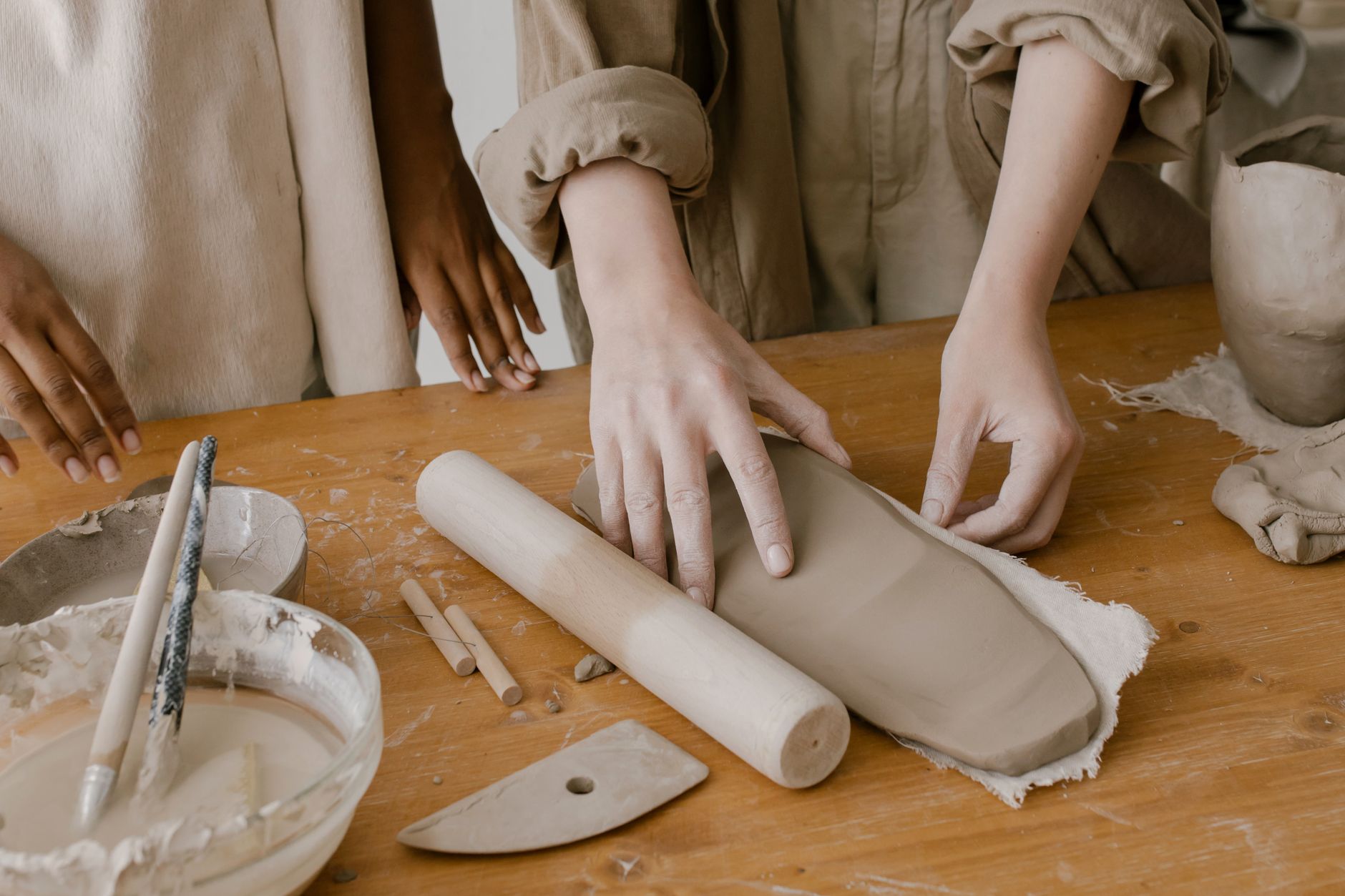
What's the actual weaving process, hour by hour?
Hour one: You sit beside the maker. They show you the radial foundation—how to anchor leaf strips around a central knot. Your hands copy theirs. By minute 20, your fingers know the motion. By minute 45, you've laid the main cone shape. First-timers expect this to feel fiddly; it does, but the rhythm is surprisingly soothing. Hour two: You weave the overlap rows, tightening tension as the cone grows. The maker checks your pattern, adjusts your hand position once or twice, then lets you finish. This is where imperfections become character. Hour 2.5: Trimming the rim straight, binding it with narrow leaf strips, and a final damp press to set the shape. You trim loose fibers. The hat is yours.
What should a beginner actually expect to struggle with?
Tension consistency worries most solos: they fear lopsided hats. Honestly, every handmade hat leans slightly—that's its signature. We teach you to even out the weave, not to nail factory perfection. Your second struggle: finger fatigue. Palm leaves are tough; your fingertips will feel worked by hour two. We suggest breaking the session into two shorter days for anyone with arthritis, and we pause for tea and stretching. A third surprise: the leaf smell. It's fresh and grassy, not unpleasant, but unexpected. We open windows. Rain, noise, or bright sun outside don't affect you—we work indoors in a quiet, lit space.
Does this fit with other Hanoi experiences, and how?
Many solo travelers pair a hat-weaving session with a street food and market tour the same day or next—morning in the market, afternoon at the maker's studio. You'll see vendors selling unfinished hats alongside produce, so the experience clicks into context. Some add a Vietnamese coffee workshop because both are low-pressure, artisanal, and happen in family-run spaces. We coordinate timing on WhatsApp to avoid rushing. A few guests combine it with flower arranging if they're spending 3+ days in Hanoi; both use natural materials and hand technique, and they complement each other psychologically. For deeper connection, farm and countryside experiences show you where some leaf varieties grow, though the workshop doesn't require that context.
How do we adapt for rain, allergies, or physical limits?
Rain: We work indoors regardless—our studio has good natural light and ventilation. No session has been postponed for weather in three years. Leaf allergies: Uncommon, but we've had guests with dermatitis. We have nitrile gloves available; you can wear them from the start or switch mid-session. Dust from dried leaf: minimal indoors, but we keep a damp cloth handy and offer masks if you're sensitive. Physical limits: Arthritis, tremor, or weak hands? We adjust. You can work at your own pace; some guests take two shorter sessions instead of one long one. We've hosted people with mobility aids—the workspace is ground-level, no stairs, and the maker sits beside you, so no reaching. Seniors often love it; the work is rhythmic and doesn't demand speed. For kids (ages 8+): We shorten to 1.5 hours and focus on the fun of the weave, less on perfect trim. Parents often sit beside them or work on their own hat. We've never had a child walk away unhappy.

What to check before you book
| Aspect | What to confirm | Why it matters |
|---|---|---|
| Group size | Solo, pair, or up to 4 at once? | Solos get more 1-on-1 time; larger groups move slower |
| Session length | 2 or 3 hours? | 2 hours = weave + basic trim; 3 hours = finished edges |
| Take-home hat | Included? | Yes, always—you wear it home or carry it |
| Hands-on ratio | You weave; maker advises? | 90% your hands, 10% demo—not a demo you watch |
| Language | English-speaking host? | Yes, always; no translation app needed |
| Indoor space | Air, light, seating comfort? | Yes; no cramped rooms or outdoor reliance |
| Leaf freshness | Pre-soaked and ready? | Yes; we prepare materials daily |
What happens after your hat is done?
Your hat is wearable immediately, though if you're carrying it for days before travel, keep it in a dry bag (sun and airport heat can curl the leaf). Wear it proud—it's stronger than it looks. Some guests send us photos months later, wearing it in their home countries. A few return to Hanoi to make another (guests often say "I want to see if I can do better the second time"). The maker keeps a small photo of your hat pinned up, a habit they've held for years. If the brim creases or a leaf cracks in transit, it's repairable; we can advise via WhatsApp, or you can take it to a hat vendor in Quang Ba flower market or Ben Thanh market and ask for minor fixes—it costs almost nothing.
How does conical hat-making fit into the broader craft economy?
Vietnam's nón lá makers are not museum performers—they're working artisans. Many are in their 40s, 50s, and 60s; their children often move to cities for office jobs. Tourism workshops fund their studios, materials, and family. When you spend a session with a maker, you're not interrupting their "real" work; you're sustaining it. We connect travelers to makers in Hanoi who still hand-split leaves (no machines), who know why certain harvests produce better weave and why humidity matters. It's not a guilt-tourism sales pitch—it's simply how these businesses survive. The hat on your head is economic support and cultural continuity in one object.
What other craft workshops feel similar to hat-weaving?
Craft workshops at Cáo span materials and techniques. Flower arranging uses fresh plants and teaches rhythm over perfection—similar meditative state, different outcome. Lacquerware or silk painting requires more precision and longer learning curves; hat-weaving is more forgiving and faster. Wood carving involves sharp tools and higher injury risk; hat-weaving is hand-safe. Art and culture classes may include calligraphy or silk dyeing—all hands-on, all one-session friendly. Ask us to match you with the right workshop based on pace, physicality, and what you want to own at the end.
Should you book a private or group session?
Group (2–4 travelers): You meet other visitors, makers often share stories in a relaxed way, and the price per person is lower. Good if you're social and flexible on timing. Private (just you or your partner): You get full attention from the maker, can ask endless questions, and set the rhythm. Solos often choose private because they want to chat without feeling like they're holding a group back. Ask us about dates and a quote on WhatsApp; we'll explain the difference for your dates and numbers.

FAQ
Do I need any weaving experience?
No. We've taught complete beginners to produce beautiful hats. The maker shows you the motion; your hands learn by repetition. First hats are slightly uneven; that's normal and charming.
Can I choose the hat's color?
Hats are natural palm (cream to light tan) in our standard sessions. Some makers work with dyed leaf (pale green, burgundy), but availability varies. Ask on WhatsApp if color matters to you.
How do I care for my hat once I get home?
Store it flat or crown-up in a dry place. Avoid direct sun (fading) and humidity (mold). If crushed, steam it gently or hang it to reshape. It'll last years with basic care.
What if I drop out halfway through?
We've rarely seen it. Guests usually feel invested by hour one and want to finish. If you're tired, we pause. If you need to leave early, you take what you've woven—unfinished hats are still beautiful.
Is this workshop suitable for kids?
Yes, ages 8+. We shorten to 1.5 hours and keep it fun over formal. Kids surprise us with focus. Younger kids (5–7) can sit beside a parent and help loosely, but won't weave independently.
How many hats can one maker teach in a day?
Usually 2–3 small groups or one private session per day. We don't rush; pressure ruins the experience. Booking early ensures good dates.
What's the weather risk—do sessions ever cancel?
We work indoors. No cancellations for rain, heat, or cold in our history. The only reason to reschedule is your illness or our maker's emergency (rare). --- See how a session runs
Ask about dates
Tell us the city, your dates and what you would like to try. We reply on WhatsApp in English with options and availability.
FAQ
Do I need any weaving experience?
No. We've taught complete beginners to produce beautiful hats. The maker shows you the motion; your hands learn by repetition. First hats are slightly uneven; that's normal and charming.
Can I choose the hat's color?
Hats are natural palm (cream to light tan) in our standard sessions. Some makers work with dyed leaf (pale green, burgundy), but availability varies. Ask on WhatsApp if color matters to you.
How do I care for my hat once I get home?
Store it flat or crown-up in a dry place. Avoid direct sun (fading) and humidity (mold). If crushed, steam it gently or hang it to reshape. It'll last years with basic care.
What if I drop out halfway through?
We've rarely seen it. Guests usually feel invested by hour one and want to finish. If you're tired, we pause. If you need to leave early, you take what you've woven—unfinished hats are still beautiful.
Is this workshop suitable for kids?
Yes, ages 8+. We shorten to 1.5 hours and keep it fun over formal. Kids surprise us with focus. Younger kids (5–7) can sit beside a parent and help loosely, but won't weave independently.
How many hats can one maker teach in a day?
Usually 2–3 small groups or one private session per day. We don't rush; pressure ruins the experience. Booking early ensures good dates.
What's the weather risk—do sessions ever cancel?
We work indoors. No cancellations for rain, heat, or cold in our history. The only reason to reschedule is your illness or our maker's emergency (rare). --- [🍜 See how a session runs](/contact)
More like this
Craft workshops
Craft Workshop in Saigon: Small Group Classes for Beginners
Cáo Experiences runs small-group craft workshops across Saigon where you learn traditional and contemporary making in intimate studio and community spaces. Sessions suit absolute beginners, families, and skill-builders.
Craft workshops
Craft workshop in Saigon for couples: what to choose
Couples in Saigon have three main craft paths: ceramics in a family studio, natural-dye silk painting, or bamboo weaving. Each teaches differently and suits different moods.
Craft workshops
Craft Workshop in Hoi An: What to Expect Step by Step
A craft workshop in Hoi An with Cáo Experiences is a half or full-day session where you learn a traditional Vietnamese skill—lantern-making, silk painting, woodblock printing, or lacquerware—in a working studio or family workshop. You leave with a finished piece you made yourself.