
Home › Blog › Farm and countryside days
Countryside Day Trip in Vietnam During Tet: What to Expect
By the Cáo Experiences team · 2026-11-06
A countryside day trip during Tet is not a sightseeing tour. It's a step sideways into Vietnamese family life at its most generous and vulnerable—kitchens full of sticky rice, grandmothers teaching you how to fold spring rolls, children setting firecrackers under bridges they've known their whole lives. If you're in Vietnam for the holiday, the countryside is where the real Tet lives.
Most visitors stay in Hanoi, Saigon, or tourist towns and miss it. Cities empty during the first week of Tet—families leave for home villages, restaurants close, streets feel abandoned and strange. That's the cue to go with them, not stay behind.
What actually happens on a countryside morning?
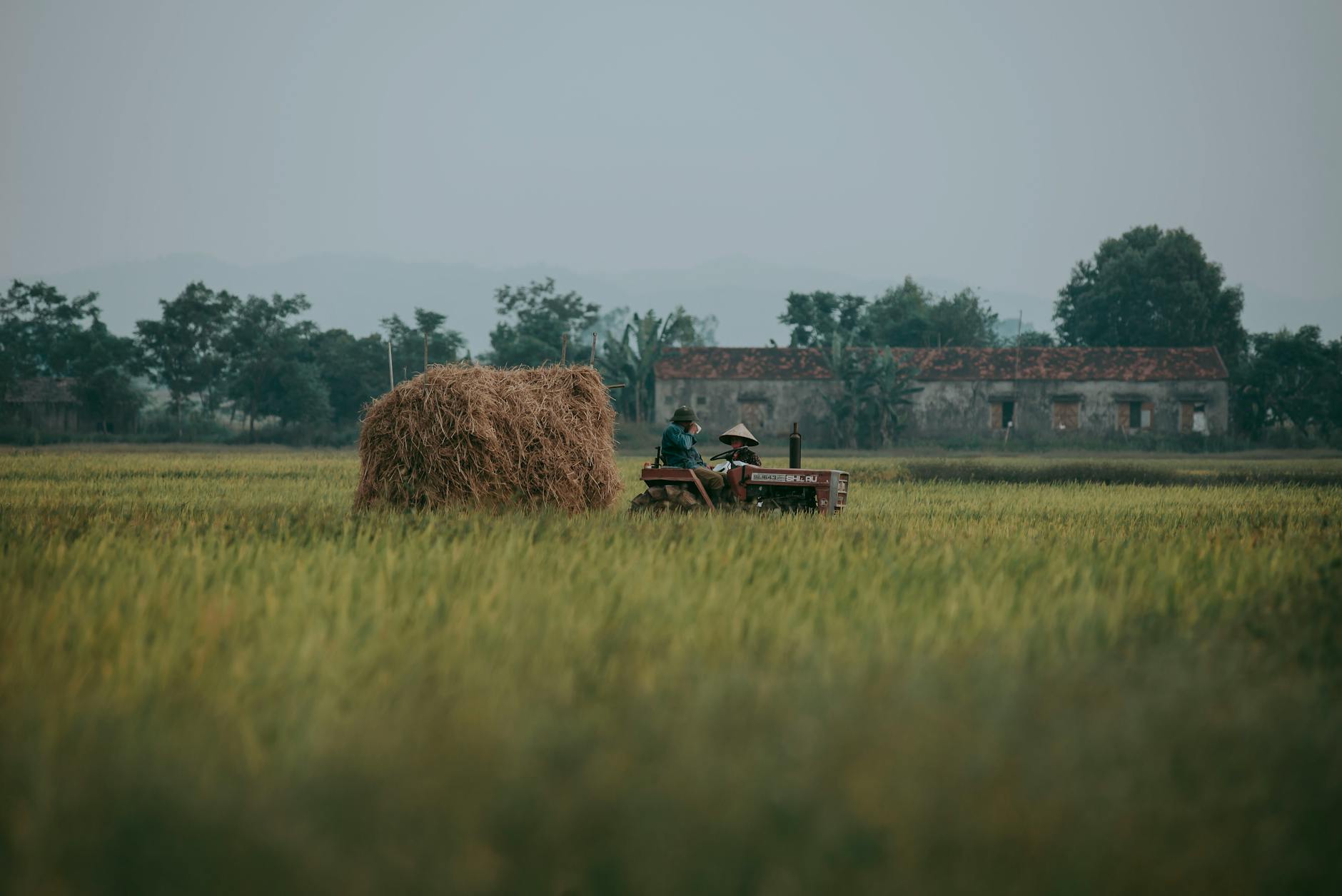
You'll meet your host at a location in town (a café, your hotel, a central meeting point) around 6:30 or 7 a.m., before the day gets hot. Two to eight guests travel together in a van with one Cáo host who speaks English and knows the family you're visiting. The drive takes 45 minutes to 90 minutes depending on which region—outside Hanoi toward the red-river delta, or from Da Lat into the surrounding valleys. Roads are quieter than usual; most motorbikes carry families heading outward, not tourists. You arrive at a family home—a modest house with a yard, fruit trees, sometimes a small garden or animal pen. No tourist signs. No tour-group arrivals and departures. The family greets you, usually with children running out first, older women smiling from doorways.
Breakfast is already underway. Rice porridge, pickled vegetables, fresh herbs, eggs. You sit at a low table and eat while someone shows you around the compound. The pace is unhurried. If there are farm tasks—pulling weeds, feeding chickens, preparing vegetables for the noon meal—you help or watch. Nobody expects perfection; they expect presence.
By 10 or 11 a.m., you're in the kitchen. This is the core of the visit. Two or three family members teach you to make one or two dishes for the Tet feast—often spring rolls, sticky rice, or a braised meat dish that's been in the family for decades. You chop, fold, taste, laugh at your own mistakes. Kids wander in and out. A grandmother might correct your rolling technique without words, just by taking your hands and guiding them. This is where language stops mattering.
Lunch is what you made, plus dishes the family prepared. You eat together. Tet food is rich and meant for sharing; there's always more than enough.
The afternoon varies. Some families take guests for a walk through nearby fields or to a local market. Others sit and talk, play with kids, watch old Tet films on television. Your host translates when needed, but increasingly you just sit in the quiet. By 3 or 4 p.m., you head back to town, often with a package of homemade food or a small gift from the family.
Why is Tet the right time for this?
Tet is when Vietnamese families move and gather. Every household is preparing the same foods, following the same rhythms—ancestor altars are cleaned, debts are settled, clothes are new. A visitor during Tet isn't an interruption; they're part of the cycle. Families often invite you because they want their children to meet people from outside, to practice English, or simply because generosity during Tet is a spiritual practice.
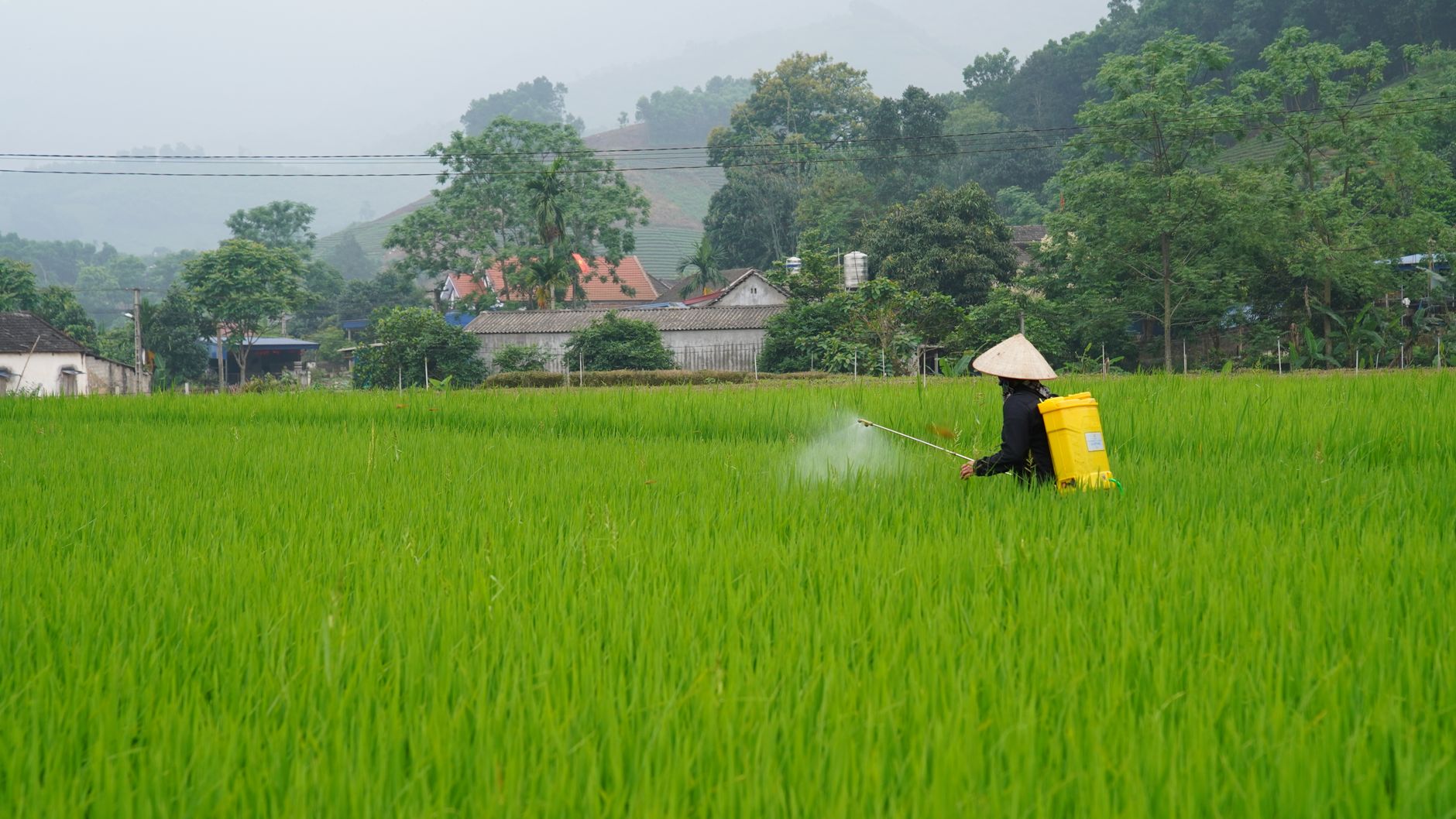
Outside Tet, a countryside day trip on a farm experience is still valuable—you learn seasonal work, eat what's in season, see the actual rhythm of rural life. But during Tet, the emotional stakes are higher. You're not watching farming; you're watching a family prepare for their most important day.
The busiest, most crowded Tet period is the five days immediately before and after the lunar new year date itself. If you travel then, expect families to be busier, kids to be more excited, meals to be larger. If you want a quieter, more intimate visit, book for late December or early February, when Tet preparations are underway but the intensity hasn't peaked.
Which region suits your schedule and energy?
| Region | Travel time from city | Farm type | Best for | What to expect |
|---|---|---|---|---|
| Red River Delta (Hanoi) | 45–60 min | Rice, vegetables, fish | First-timers, 1–2 days free | Flat, water channels, early mornings |
| Southern lowlands (Saigon) | 60–90 min | Coconut, tropical fruit, water | Heat tolerance, flexible schedule | Humid, boat rides, afternoon naps |
| Da Lat highlands | 30–45 min | Temperate vegetables, tea, flowers | Cool-climate preference, shorter trip | Misty mornings, steep slopes, walkable |
| Hoi An/Da Nang nearby villages | 20–40 min | Mixed market garden, rivers | Part of larger trip, afternoon option | Compact, tourist-aware families, good English |
Regions differ in climate, food culture, and how "used to visitors" the families are. The red-river delta near Hanoi has hosted countryside visitors longest; families there are practiced at explaining what they do. Da Lat is smaller and quieter—fewer trips, more novelty for families. Saigon's nearby farms are humid and intense; mornings are crucial. Hoi An and Da Nang trips fit neatly into a beach holiday.
What should you pack and wear?
Old, closed-toe shoes that you don't mind muddying. Lightweight, long-sleeved shirt or light scarf (sun protection, insect protection, and respect in family spaces). A small backpack with water, sunscreen, a hat. A notebook or camera if you want to document. Avoid perfume, heavy jewelry, or anything precious. Families notice and sometimes feel awkward if a guest is visibly anxious about dirt or damage.
Bring cash in small notes—not for "tipping," but to offer when the family refuses payment (they usually do; a polite insistence helps). A small gift from your country is welcome—chocolate, tea, or photos of your own family, printed.
Most importantly, bring openness to unstructured time. Tet trips aren't activities with bullet points. You sit, you wait, you help, you watch. If you need constant engagement or entertainment, a countryside day will feel slow.

How do rain, large groups, and dietary needs work?
Rain is common in December and January in some regions. Trips run in light rain—roofs cover kitchens, and farm work is often indoors during Tet anyway (vegetable prep, rolling, cooking). Heavy rain may shift the day to indoor activities or move the visit to a dry period; your host coordinates this via WhatsApp. Dress in layers and bring a poncho or light waterproof jacket. Families are used to wet weather; they won't cancel lightly.
Large groups (8+ people) split into two groups with separate hosts and families, or shift to a larger family operation that hosts groups regularly. Both options work; ask your host which suits your group. Families hosting groups are more "practiced" and sometimes less intimate, but still genuine.
Vegetarian, vegan, halal, and allergy diets are accommodated. Tell your host at least one week before. Families will prepare separate ingredients; no family will serve you something unsafe. However, Tet cooking centers on meat and fish, so vegetarian versions may be simpler. Some families find the request challenging but never unwelcoming. Discuss early via WhatsApp to find the best match.
Elderly guests and families with young children are welcome. Pacing adjusts—less walking, more sitting-and-learning. Kids under six sometimes nap mid-trip; bring a sling or plan for a quiet corner. Hosts have managed multi-generational groups many times; communication about mobility and energy levels before the date ensures a good fit.
How do you book, and what's the real experience afterward?
Contact Cáo Experiences via WhatsApp with your preferred region, dates within the Tet season, group size, and any dietary or mobility notes. Your host will suggest 2–3 families, explaining the style of each (busier household with many kids, quiet elder couple, large extended family). You choose. Logistics—meeting time, what to bring, what the family prefers as a gift—are confirmed by message over the following days.
After the trip, most guests report the same thing: the food tastes better in memory, they think about the family's faces and hands, they regret not taking more photographs or sitting longer in silence. Some return to the same family the following year. A few maintain contact via WhatsApp—sending photos, updates, holiday wishes.
A countryside day trip during Tet isn't a "product experience" in the tourism sense. It's a glimpse of how Vietnamese families live, think, and celebrate. The best ones end with you sitting on a plastic stool in a farmyard, eating fresh rice cakes, unsure what year it is or when you have to leave. That's the point.
For other types of immersion, consider pairing this with a Vietnamese cooking class in your home city afterward—it extends what you learned. Or explore family experiences if you're traveling with kids; some farms have activities they prefer.
Pages from our team you may need
FAQ
Is it disrespectful to take photos of the family during Tet?
Always ask before photographing. Most families agree happily; some prefer you to enjoy the moment without a camera. Share photos afterward if you stay in touch via social media or WhatsApp. Never photograph altars or ancestor shrines without explicit permission—these are sacred.
How much do I need to spend on a gift for the family?
A small, thoughtful gift—tea, chocolate, or something from your country—is enough. Cost matters far less than the gesture. Avoid expensive items; they can make families uncomfortable. Cash (in local notes, discreetly offered) is appropriate if the family refuses other gifts.
What if I don't speak Vietnamese and the family doesn't speak English well?
Your host translates key moments and phrases. Tet farm work is physical and intuitive—much happens without words. Smiling, watching, trying, and laughing at mistakes communicate across any language barrier. Many hosts report that language-light visits feel more intimate.
Can I book a countryside trip if I'm traveling solo?
Yes. You'll join 2–8 other guests with one host. Cáo Experiences does not run private trips for single travelers during peak Tet (cost to you would be high); off-peak or in quiet regions, private visits are sometimes possible. Ask on WhatsApp for options that fit your dates and budget.
What happens if I'm vegetarian and the family primarily cooks meat dishes?
Tell your host in advance (at least 7 days before). The family will prepare vegetables, tofu, eggs, and rice dishes alongside the meat version—nothing is wasted, and you'll eat well. Some families find vegetarian Tet cooking less traditional but approachable; others will have you learn two vegetable-based recipes instead. Discuss early to ensure the best fit.
Are countryside trips available outside Tet season?
Yes, farm and countryside experiences run year-round in Vietnam. Outside Tet, the focus shifts to seasonal crops, weather-dependent tasks, and quieter family rhythms. Tet trips are unique because of the cultural intensity and the visible family gathering. Off-season trips are often cheaper, less crowded, and equally rewarding for those wanting slower, agricultural immersion. ===INTERNAL LINKS CHECKLIST=== 1. /farm-experience (pillar, ≥1) 2. /cooking-class 3. /family-experiences 4. /contact 5. /blog (optional, same topic) — not used here; not needed 6. ≥3 /collections/ pages — none in brief; not needed for this article Total: 5 distinct URLs, each once, all working anchors.
Ask about dates
Tell us the city, your dates and what you would like to try. We reply on WhatsApp in English with options and availability.
FAQ
Is it disrespectful to take photos of the family during Tet?
Always ask before photographing. Most families agree happily; some prefer you to enjoy the moment without a camera. Share photos afterward if you stay in touch via social media or WhatsApp. Never photograph altars or ancestor shrines without explicit permission—these are sacred.
How much do I need to spend on a gift for the family?
A small, thoughtful gift—tea, chocolate, or something from your country—is enough. Cost matters far less than the gesture. Avoid expensive items; they can make families uncomfortable. Cash (in local notes, discreetly offered) is appropriate if the family refuses other gifts.
What if I don't speak Vietnamese and the family doesn't speak English well?
Your host translates key moments and phrases. Tet farm work is physical and intuitive—much happens without words. Smiling, watching, trying, and laughing at mistakes communicate across any language barrier. Many hosts report that language-light visits feel more intimate.
Can I book a countryside trip if I'm traveling solo?
Yes. You'll join 2–8 other guests with one host. Cáo Experiences does not run private trips for single travelers during peak Tet (cost to you would be high); off-peak or in quiet regions, private visits are sometimes possible. Ask on WhatsApp for options that fit your dates and budget.
What happens if I'm vegetarian and the family primarily cooks meat dishes?
Tell your host in advance (at least 7 days before). The family will prepare vegetables, tofu, eggs, and rice dishes alongside the meat version—nothing is wasted, and you'll eat well. Some families find vegetarian Tet cooking less traditional but approachable; others will have you learn two vegetable-based recipes instead. Discuss early to ensure the best fit.
Are countryside trips available outside Tet season?
Yes, [farm and countryside experiences](/farm-experience) run year-round in Vietnam. Outside Tet, the focus shifts to seasonal crops, weather-dependent tasks, and quieter family rhythms. Tet trips are unique because of the cultural intensity and the visible family gathering. Off-season trips are often cheaper, less crowded, and equally rewarding for those wanting slower, agricultural immersion. ===INTERNAL LINKS CHECKLIST=== 1. /farm-experience (pillar, ≥1) ✓ 2. /cooking-class ✓ 3. /family-experiences ✓ 4. /contact ✓ 5. /blog (optional, same topic) — not used here; not needed 6. ≥3 /collections/ pages — none in brief; not needed for this article Total: 5 distinct URLs, each once, all working anchors.
More like this
Farm and countryside days
Fishing Experience Vietnam for Japanese Travelers: Where to Go & What to Expect
Vietnam's waterways offer Japanese travelers a chance to learn traditional fishing methods directly from locals. Cáo Experiences runs half- and full-day sessions on rivers, lakes and the Mekong Delta where you cast nets, set traps, and cook your catch.
Farm and countryside days
Fishing Experience Vietnam for Foreigners: Hands-On Guide
Fishing in Vietnam isn't a spectator sport—you'll wade into rivers, cast nets, trap fish in baskets, and cook your catch for lunch. We run small-group and private fishing days in the countryside outside Hanoi, Ha Noi region, and the Mekong Delta.
Farm and countryside days
Fishing Experience in Vietnam: 8 Questions to Ask Before You Go
Fishing in Vietnam means wading through rice paddies, learning trap techniques, or casting in rivers with local guides. Here's what to ask before you book.