
Home › Blog › Farm and countryside days
Countryside day trip in Vietnam for seniors: what to expect
By the Cáo Experiences team · 2026-11-06
A countryside day trip for seniors in Vietnam typically runs 6–8 hours from early morning, including transport by van, 2–3 short walks (under 1 km each), a home-cooked meal in a family kitchen, time to rest in shade, and visits to rice fields or a local craft workshop. Most trips happen within 30–60 km of Hanoi, Ho Chi Minh City, Hoi An, or Da Lat. Cáo Experiences designs these days with pacing in mind: we stop frequently, offer seats, avoid steep terrain, and coordinate dates and transport via WhatsApp. Costs vary by group size and location; ask us for a quote. Avoid peak midday heat (11 a.m.–2 p.m.), wear loose clothing, bring water, and let us know about mobility needs or medications upfront. Ask about dates on WhatsApp
Can seniors actually walk rice paddies without getting exhausted?
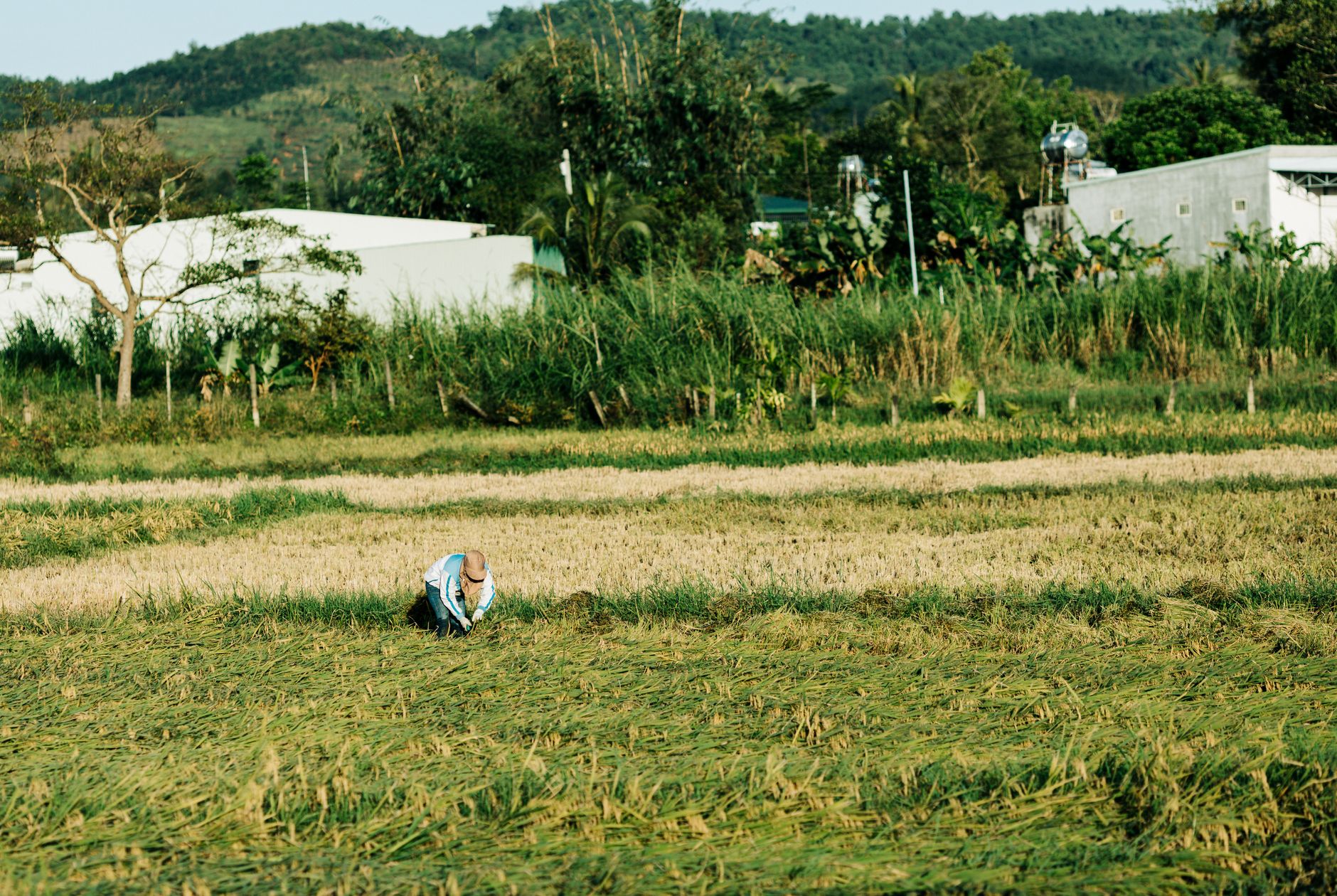
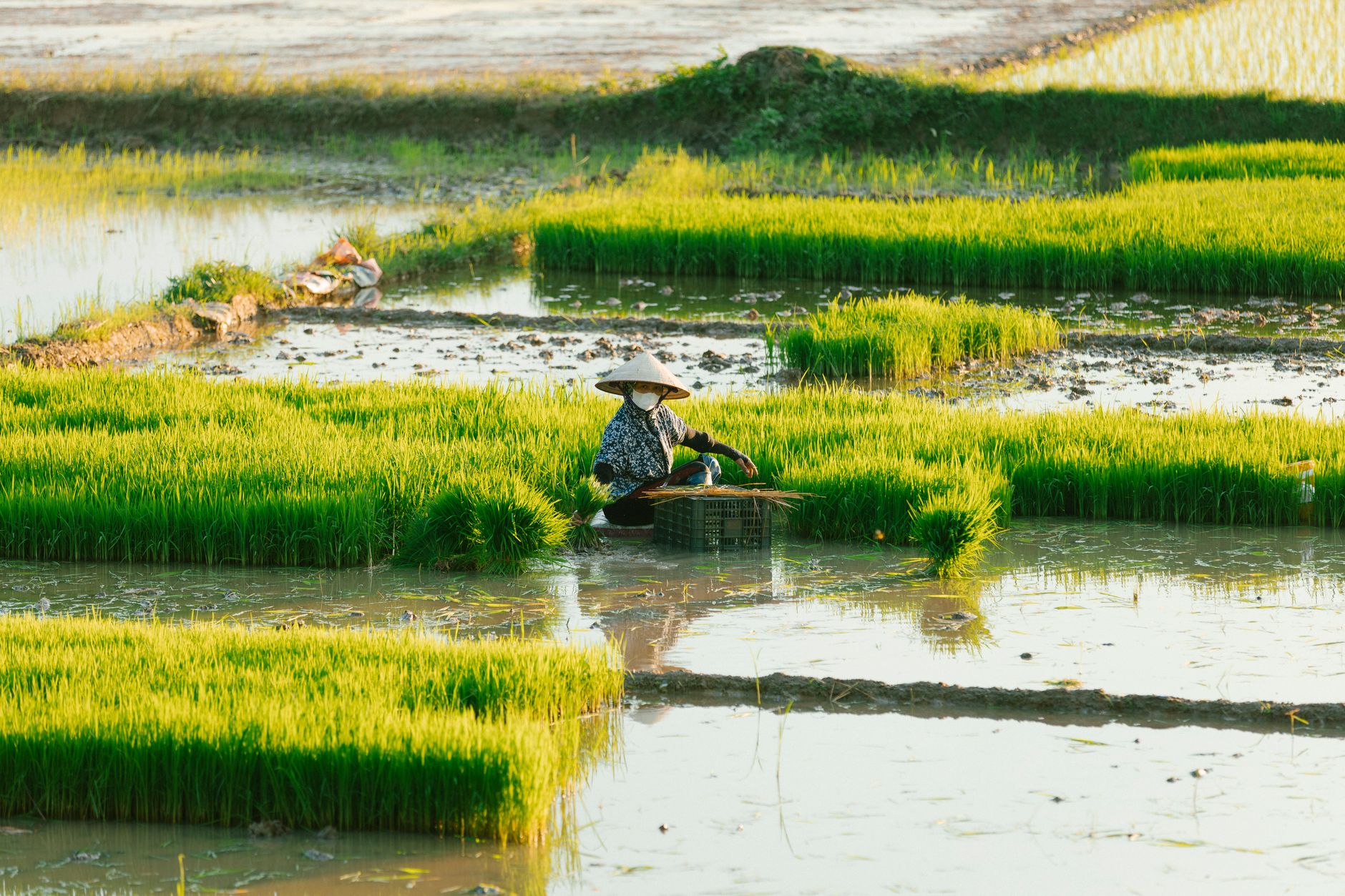
Yes, but only if walks are short and stops are frequent. We plan routes on flat terrain, never more than 1 km at a stretch, with benches or shaded spots every 15 minutes. Most seniors find a gentle 30-minute walk through a rice field—watching farmers work, hearing water, seeing green—far more energizing than sitting in a tour bus. The key is our pace, not the village's. We deliberately slow down, stop to chat with farmers, and sit for tea or a snack mid-walk. Bring a wide-brimmed hat, sunscreen, and sturdy-soled shoes with ankle support on uneven paths.

What does a typical morning schedule look like?
We start early—usually 7 or 7:30 a.m.—to avoid the hottest hours and crowds. After van pickup from your hotel, we drive 45–90 minutes to a countryside area. By 9 a.m., you're walking through a lane lined with flowering trees or rice paddies. Around 10:30 a.m., we stop for tea or fresh juice at a family home or a small shelter. Walk again until 11:45 a.m., then rest indoors for an hour—this is crucial in summer. Lunch (12:30–1:30 p.m.) is a home-cooked meal you may help prepare or simply enjoy. Afternoon activity—maybe a craft class or another short walk—runs until 3 p.m., then we return to town by 4:30 p.m. The rhythm is walk, rest, eat, rest, walk, home.
What if someone has limited mobility or knee pain?
We adapt entirely. We've hosted seniors who use walking sticks, who need to sit every 10 minutes, and who prefer not to walk at all. Instead of walking rice paddies, we arrange a slow village tour by hand-cart or van with frequent stops. We can visit a family workshop where you sit and watch—or participate in a simple craft like flower arranging or tea tasting—without standing. We also pair you with a host who moves at your pace and can offer an arm if paths are uneven. Tell us your exact needs—arthritis, heart conditions, balance issues—when you ask for dates, and we'll design a session that feels good, not rushed.
How do you handle the heat, humidity, and rainy season?
Peak heat (May–September) means we start very early and rest during midday. We provide bottled water, electrolyte drinks, and wet towels. Indoors, we stay in homes with fans or air-conditioning. In monsoon season (May–October in some regions, September–November in others), we move workshops indoors—a cooking class or tea tasting works just as well in a covered kitchen as outdoors. We check the forecast 48 hours ahead and reschedule if it's unsafe. Rain rarely stops us; it just changes the activity to something sheltered. Pack a light rain jacket and breathable layers rather than heavy sun gear.
What are the real differences between regions?
| Region | Typical terrain | Activities | Best months | Pace notes |
|---|---|---|---|---|
| Hanoi countryside | Rice paddies, village lanes, small hills | Cooking, craft, farm visits | October–April | Mostly flat; some trails uneven |
| Saigon area | Coconut orchards, waterways, Mekong delta | Boat rides, garden visits, food | November–March | Heat intense May–September; water crossings require mobility |
| Hoi An area | Vegetable gardens, bamboo, quiet villages | Farming, cooking, cycling (optional) | October–May | Gentler climate; some paths sandy or muddy |
| Da Lat | Mountain villages, flower farms, pine forests | Walking, flower markets, tea | April–November | Cooler; some uphill stretches; altitude 1,500 m |
Each region has distinct rhythms. Hanoi's countryside is closest to urban centers; Saigon's delta is slower and more agricultural; Hoi An is picturesque and compact; Da Lat is cooler and less crowded. Choose based on climate preference and how far you want to travel.
Are there any common mistakes we've seen seniors make?
Wear light, loose, breathable clothing—not tight jeans or closed shoes. Avoid new shoes; break them in first. Don't skip breakfast; you'll flag by 10 a.m. Bring more water than you think you need. Don't try to do "everything"—sitting in a farmyard for 40 minutes watching ducks and chatting beats rushing through three villages. Don't hide health issues. If you have diabetes, high blood pressure, or joint pain, tell us before the day so we can adjust portions, add rest time, or skip certain walks. Most mishaps come from seniors pushing too hard to "see it all" instead of savoring what's in front of them. Our role is to give you permission to sit, to say no, to enjoy slowness.
Which experiences pair well with a countryside day?
A countryside day works beautifully as a standalone trip, but many seniors combine it with other farm and countryside experiences. If you love cooking, add a Vietnamese cooking class the next day in a home kitchen. If you're curious about how locals eat, join a street food and market tour in the nearest town. For tea lovers, a tea experience fits naturally into a village visit—we often stop at a family home to learn how they dry and brew local leaves. If you want something gentler than walking, a flower arranging workshop in a countryside setting is peaceful and indoors. Some seniors who love animals book a quiet horse riding experience on a country estate instead of walking.
We also know many couples and families—including grandparents with grandchildren—who book a family-friendly experience that runs at a senior-comfortable pace, so everyone enjoys the same day. Groups of friends often combine a countryside day with a group and corporate experience format, so we can split into smaller paces if needed.
What to check before you book
- Mobility level. Be honest. "I walk slowly" is helpful; "I have osteoarthritis and cannot climb stairs" is essential. We adapt to reality, not to pride.
- Heat and humidity tolerance. If you're sensitive to heat, choose October–April and book early morning. Summer is doable but requires more rest time.
- Dietary needs. We cook meals to order. Tell us if you're vegetarian, have allergies, need low-salt or soft food, or take medications with meals.
- Time away from medication or routine. If you take insulin, blood pressure meds, or need a quiet time to rest daily, tell us. We'll work around it.
- Transport comfort. We use air-conditioned vans. If you need extra legroom or frequent stops, we can arrange a smaller, private van.
- Language. Our hosts speak English. If you prefer a translator for deeper conversations with local farmers, let us know in advance.
- Shoe and clothing fit. Wear what you'd wear on a short walk in your hometown. Avoid brand-new shoes, heavy bags, or restrictive clothing.
How we coordinate with you
We chat on WhatsApp from first inquiry onward. You'll tell us dates, group size, any health or diet notes, and your rough interests (quieter walk vs. more activity, cooking interest, specific region). We'll suggest a date, a pacing plan, and a quote. A few days before, we confirm transport pickup time and review any last-minute changes—weather, fatigue, new medications. On the morning of, our host arrives on time, checks in on how you're feeling, and we adjust the day if needed (shorter walk, extra rest, different activity). After, we ask for honest feedback—what felt good, what didn't, what we'd do differently next time.
See how a session runs
Real stories from our hosts
We've hosted seniors from many backgrounds. One 73-year-old from Australia told us she'd expected Vietnam to be too chaotic; she spent a countryside day in a family kitchen learning to make spring rolls and cried because she felt so welcomed. A couple in their late 70s from Canada said they'd resigned themselves to not traveling anymore; a gentle Hanoi countryside day—just sitting by a lotus pond, eating lunch, chatting with our host—made them book another for next year. A 68-year-old from the UK with arthritis started by saying he couldn't walk; we designed a day of sitting visits, craft workshops, and a slow boat ride through a village. He said it was the best day of his trip.
The common thread: we're not selling you an adventure. We're offering rest, slowness, real food, and connection to people and land. That's what seniors often need most, and what Vietnam's countryside offers in abundance.
Ready to plan your countryside day?
You can also visit our main farm experience page to see what else we offer in countryside and farm settings. Or read more stories from our hosts about how real seniors and their families have enjoyed these days.
FAQ
Is there a minimum or maximum age for countryside days?
We've hosted guests from 65 to 92. Age alone doesn't matter; mobility, interest, and health do. A sprightly 72-year-old who walks daily is often more ready than a sedentary 60-year-old. Tell us your real fitness level, and we'll honestly say if a particular day suits you.
Can I bring my grandchildren or family members of different ages?
Yes. We design family-friendly experiences that work for mixed ages. Grandparents set the pace; kids learn alongside. It works best if the pace is slow enough for grandparents and interesting enough for kids—a cooking class or craft workshop usually balances both.
What if I need a wheelchair or walker?
We can arrange visits to villages accessible by van, with visits to family homes and workshops that require no walking. Wheelchair users can still enjoy a countryside meal, a craft class, or a slow drive through paddy fields. Tell us your equipment and access needs; we'll design a day that works.
What's the best region for seniors who tire easily?
Hoi An countryside is compact and gentle, with short distances and mild climate. Da Lat is cool and less physically demanding. Hanoi's countryside is flat but can be humid in summer. Avoid the Saigon delta in summer unless you love heat and rest frequently. We'll recommend based on your fitness and the season.
What if I have dietary restrictions or take medications that need meal timing?
We cook meals to order and time them around your needs. Tell us about diabetes, low-sodium diets, allergies, or medication schedules upfront. We can arrange meals at specific times, smaller portions, or specific textures (soft food, no spice, etc.). We're not a restaurant; we're flexible.
Will I be with other tourists or just my group?
You can book privately (just your family or friends) or join a small group of 4–6 people if you prefer to share the experience and cost. Private days are more flexible for pacing; small groups are sociable and economical. Ask us which suits you when you inquire.
Ask about dates
Tell us the city, your dates and what you would like to try. We reply on WhatsApp in English with options and availability.
FAQ
Is there a minimum or maximum age for countryside days?
We've hosted guests from 65 to 92. Age alone doesn't matter; mobility, interest, and health do. A sprightly 72-year-old who walks daily is often more ready than a sedentary 60-year-old. Tell us your real fitness level, and we'll honestly say if a particular day suits you.
Can I bring my grandchildren or family members of different ages?
Yes. We design [family-friendly experiences](/family-experiences) that work for mixed ages. Grandparents set the pace; kids learn alongside. It works best if the pace is slow enough for grandparents and interesting enough for kids—a cooking class or craft workshop usually balances both.
What if I need a wheelchair or walker?
We can arrange visits to villages accessible by van, with visits to family homes and workshops that require no walking. Wheelchair users can still enjoy a countryside meal, a craft class, or a slow drive through paddy fields. Tell us your equipment and access needs; we'll design a day that works.
What's the best region for seniors who tire easily?
Hoi An countryside is compact and gentle, with short distances and mild climate. Da Lat is cool and less physically demanding. Hanoi's countryside is flat but can be humid in summer. Avoid the Saigon delta in summer unless you love heat and rest frequently. We'll recommend based on your fitness and the season.
What if I have dietary restrictions or take medications that need meal timing?
We cook meals to order and time them around your needs. Tell us about diabetes, low-sodium diets, allergies, or medication schedules upfront. We can arrange meals at specific times, smaller portions, or specific textures (soft food, no spice, etc.). We're not a restaurant; we're flexible.
Will I be with other tourists or just my group?
You can book privately (just your family or friends) or join a small group of 4–6 people if you prefer to share the experience and cost. Private days are more flexible for pacing; small groups are sociable and economical. Ask us which suits you when you inquire.
More like this
Farm and countryside days
Fishing Experience Vietnam for Japanese Travelers: Where to Go & What to Expect
Vietnam's waterways offer Japanese travelers a chance to learn traditional fishing methods directly from locals. Cáo Experiences runs half- and full-day sessions on rivers, lakes and the Mekong Delta where you cast nets, set traps, and cook your catch.
Farm and countryside days
Fishing Experience Vietnam for Foreigners: Hands-On Guide
Fishing in Vietnam isn't a spectator sport—you'll wade into rivers, cast nets, trap fish in baskets, and cook your catch for lunch. We run small-group and private fishing days in the countryside outside Hanoi, Ha Noi region, and the Mekong Delta.
Farm and countryside days
Fishing Experience in Vietnam: 8 Questions to Ask Before You Go
Fishing in Vietnam means wading through rice paddies, learning trap techniques, or casting in rivers with local guides. Here's what to ask before you book.