
Home › Blog › Farm and countryside days
Countryside day trip in Vietnam: how long, what's included, how to plan
By the Cáo Experiences team · 2026-11-06
A countryside day trip in Vietnam usually lasts 6–8 hours door-to-door, starting around 8–9 a.m. and finishing by 4–5 p.m. At Cáo Experiences, we run half-day and full-day sessions from Hanoi, Saigon, Hoi An, Da Nang, and Da Lat into family farms, rice paddies, gardens, and villages. Most trips include pickup, 2–4 hours on the farm or countryside (learning, harvesting, cooking, or riding), a shared or cooked lunch, and dropoff. You'll spend 1–2 hours in transport depending on distance from the city. Full-day trips (8–10 hours) add a second activity or longer craft work. Best seasons are October–March (cool, dry); avoid May–September (heat, rain disrupts work). Beginners and kids adapt easily—we adjust pace, portions, and tasks for age and fitness. Ask us for dates and a quote on WhatsApp to check availability and build a day that matches your interests and energy level. Ask about dates on WhatsApp
What actually happens in a 6-hour countryside morning?
Our typical morning runs 8:30 a.m.–2:30 p.m.: pickup from your hotel or meeting point (20–40 min drive), arrival at a family farm or garden, intro chat with the host, one main activity (farm work, cooking class, flower arranging, or animal interaction), lunch cooked on-site or at a family kitchen, and return trip. You're active for 3–4 hours, eating and resting for 1–2. Rain rarely cancels—we move to covered spaces, shorten outdoor tasks, and shift to indoor crafts. The pace is slow; no rushing between Instagram spots. You leave with dirt under your nails and real hunger.

How long does each activity actually take?
Farm work (harvesting, planting, feeding animals): 1.5–2 hours. You'll pick vegetables, herbs, or fruit; feed chickens or water gardens; learn basic techniques from the farmer. Beginners often worry they'll be clumsy—they're not, and the host expects that. Kids love it; seniors do well at their own pace on level ground.
Cooking class: 2–3 hours. You prep 3–4 dishes from raw ingredients, cook over charcoal or gas, taste as you go, then sit and eat together. No experience needed; every step is shown twice. Allergies and dietary rules are flagged on WhatsApp before the day—we adapt recipes without fuss.
Flower arranging: 1.5–2 hours. You learn a few traditional and modern styles, work with fresh seasonal blooms, take your arrangement home. Calming; no fitness required; works for all ages.
Horse riding (where available): 1–2 hours in the saddle on trails or in a field, with a guide alongside. We start with a 15-min safety talk and mounting lesson. Nervous riders stay at walk; confident ones go faster. Not suitable for very young children (under 8) or anyone with serious back issues—ask first.
Craft workshops (weaving, pottery, herbal work): 1.5–2.5 hours. You make something small and take it home. Messy and meditative; great for families.
What's the best time of year for a countryside day?
| Season | Temperature | Rain risk | Farm activity | Best for |
|---|---|---|---|---|
| Oct–Nov | 18–25°C | Low | Harvest, planting, cool weather rides | All ages, outdoor comfort |
| Dec–Feb | 12–20°C | Low | Harvesting, dry fields, clear skies | Hiking, longer farm work, seniors |
| Mar–Apr | 20–30°C | Low–medium | Spring planting, new growth | Photography, families |
| May–Sep | 28–35°C, high humidity | High | Slower pace, indoor crafts, shaded work | Heat-tolerant travelers, indoor focus |
October through February is best: cool mornings, dry soil, no thunderstorms mid-session. March–April works if you start early. May–September is hot and wet—farm work is slower, but guides manage it well. Rain doesn't cancel; it just changes the day (less outdoor time, more kitchen or craft time). Ask us which month suits your energy and interests.
How far from the city do we actually go, and does distance matter?
Hanoi farms: 30–90 minutes north or west into the Red River Delta or foothills. Closer farms (30–40 min) are smaller, family-run vegetable or herb gardens. Farther ones (60–90 min) are larger, often with animals, orchards, or rice fields. You trade a shorter journey for a busier setting versus a longer drive to quieter countryside.
Saigon region: 45–120 minutes to the Mekong Delta, orchards, or flower farms. Saigon traffic adds unpredictability; we build in buffer time and leave early. The Delta is flat, green, canals everywhere—very different from the north.
Hoi An, Da Nang, Da Lat: 30–60 minutes to rural villages, tea gardens (Da Lat), or riverside farms. These towns are smaller, so the countryside starts closer.
Distance matters mainly for fatigue and cost: longer drives tire you, especially in heat. We balance it with the quality of the place—a 90-min journey to a quiet farm with a strong story and fewer tourists often feels more rewarding than 30 min in a crowded tourist zone. Tell us your energy level and interests; we'll match the farm.
What do you actually need to bring and wear?
Clothing: Long, loose pants or leggings (sun, insects, farm dirt). A light long-sleeve shirt or a short-sleeve top with a shawl (UV, mosquitoes). Closed shoes with grip (farm soil, animal areas—no flip-flops). A hat. Sunscreen applied before the day starts.
Pack: 1.5–2 liters of water (we refill on-site); a small towel; any personal meds; a basic phone charger; cash for tips if you wish (not required). Leave valuables at the hotel.
Don't bring: Perfume or heavy cologne (disturbs animals and bees). New white clothes (you will get dirt on them). Formal shoes. Expectations of Instagram-perfect moments—real countryside is muddy, unglamorous, and better for it.
Rain plan: We provide lightweight ponchos or work under covered areas. Shoes still get wet; that's part of the day. Bring a dry bag for your phone.
Kids under 10 should wear play clothes they can get messy and wet in. Seniors benefit from good walking shoes, a sun hat, and a walking stick if needed (we have some on-site). Pregnant guests and anyone with mobility concerns—tell us in advance, and we'll choose a farm with flat access and gentler tasks.

Should you combine a countryside day with other experiences?
Many travelers pair a farm experience with another activity for a longer immersion. Common combos:
- Farm + cooking: A half-day farm visit (harvest, feed animals), then a 2-hour cooking class using what you picked—10 hours total. Fits a full day with lunch breaks.
- Farm + horse riding: If the same host offers both or we can arrange nearby, you'd spend 2–3 hours on horseback in rural terrain, then 2 hours on the farm. Requires good fitness; plan an early start.
- Countryside + street food tour: A morning on a farm, afternoon exploring a local market or village street food. We can coordinate this across our street food and market tour partners.
- Countryside + craft workshops: Combine a farm morning with an afternoon pottery or weaving session in a nearby village. Smooth transitions if we manage the timing.
- Multiple days: Travelers staying 3+ days can do two different farms or regions (rice paddies one day, an orchard or tea garden another). Each day is 6–8 hours, with rest days between.
Longer combos need planning: we book each part, coordinate transport, and adjust meals so you're not eating twice in an hour. Tell us your interests and available days; we'll propose a sequence.
What to check before you go
- Confirm the date 1–2 weeks ahead via WhatsApp. Farms may adjust schedules for weather or harvests; we'll let you know immediately and offer alternatives.
- State dietary needs, allergies, and mobility issues upfront. We adapt menus and activity selection—no judgment, no surprises.
- Ask which activities are running that day. Seasonal work changes; a farm may focus on planting one month and harvesting the next. If you have a strong preference, we'll match you to the right date.
- Bring a phone with WhatsApp for any last-minute updates or if you need to contact the host on the day.
- Wear or pack weather-appropriate clothes the night before. Check the forecast; if rain is forecast, wear quick-dry fabric and bring a poncho.
- Arrive at the pickup point 5 minutes early. We coordinate exact times on WhatsApp.
Why a countryside day matters more than you'd think
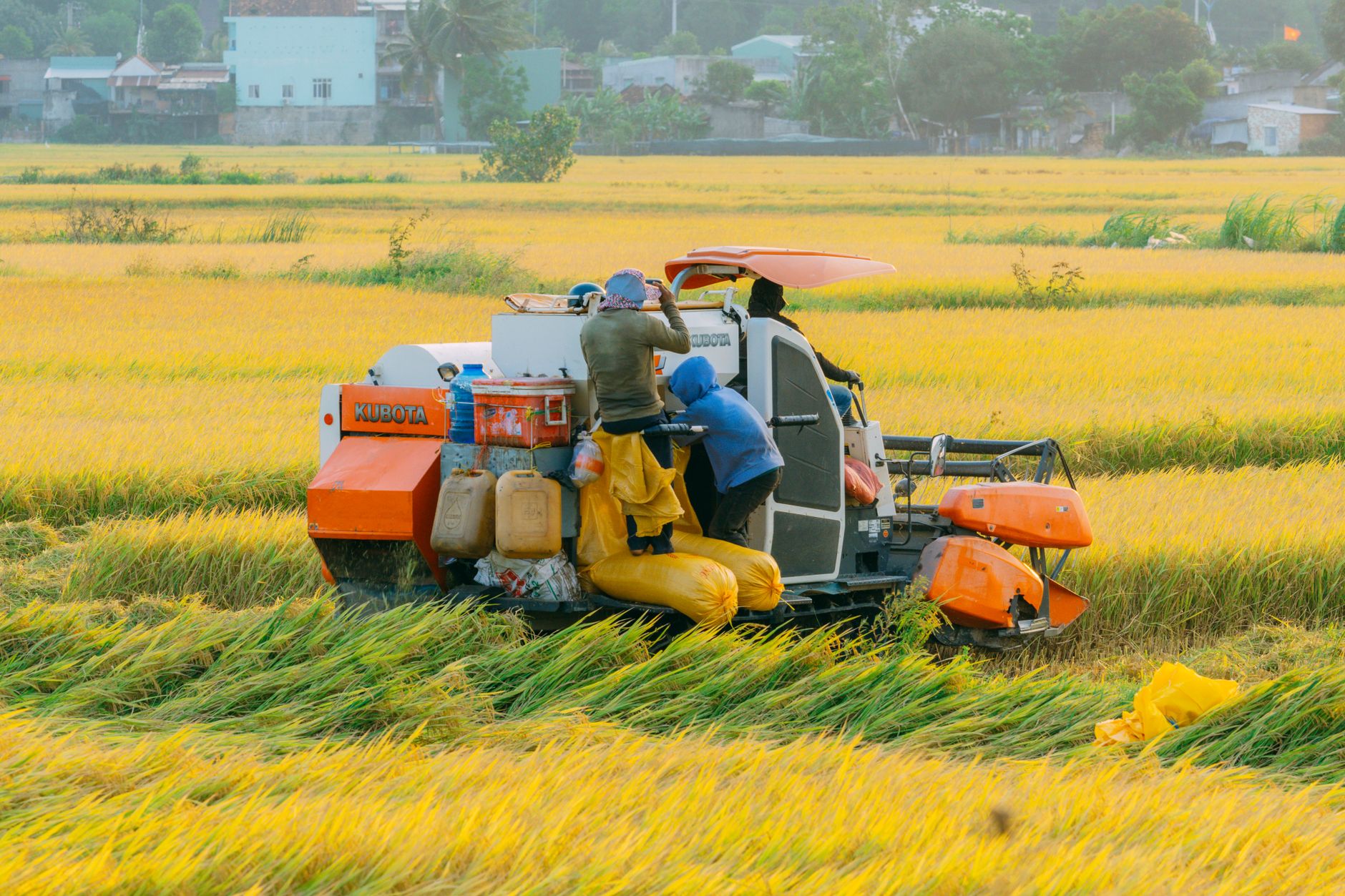
A day on a farm or in a rural village isn't a box-ticking activity. You'll eat food you watched grow an hour ago, learn how farmers actually work (not romanticized), meet a family whose livelihood depends on this land, and come back quieter and clearer. You'll ache in good ways—hands tired from harvesting, legs tired from walking, stomach satisfied from slow food.
Most countryside days in Vietnam are 6–8 hours, but the impact lasts much longer. If you're in Hanoi, Saigon, Hoi An, Da Nang, or Da Lat, and you have one day free, a farm and countryside experience is worth the early start.
See how a session runs
Want to book a countryside day?
We run small groups and private sessions year-round. Tell us:
- Which city you're in (or visiting).
- How many people.
- How many hours you have.
- Any activities you're drawn to: farm work, cooking, crafts, animals, riding.
- Dietary needs or mobility concerns.
We'll send you available dates and a quote. Most days book 1–3 weeks ahead, but we often fit people in last-minute if space allows.
Pages from our team you may need
FAQ
Is a countryside day in Vietnam suitable for young children?
Yes, if they're 5+. We adjust farm tasks for small hands (lighter harvesting, animal feeding, shorter walks). Lunch is earlier; rest time is built in. Toddlers under 5 can come, but the day is slower-paced and requires extra breaks.
What if I'm not fit or have mobility limitations?
Many farms have flat terrain and minimal walking. We choose a site that matches your ability before you arrive and modify tasks accordingly. Horse riding and long hikes aren't suitable; farm work at your own pace, cooking, crafts, and animal interaction are fine. Tell us your concerns when you contact us.
Can I do a countryside day in the rainy season?
Yes. Rain is usually afternoon; morning farm work and cooking happen. We provide ponchos and move indoor if needed. Avoid May–August if heavy rain bothers you; October–February is genuinely dry.
How much walking is involved in a typical day?
1–3 kilometers total, usually in short bursts (15–30 min at a time) with rest between. Farm work is mostly stationary. You're not hiking; you're moving around a compact property or village.
Can I request a specific farm or activity?
Yes. Tell us on WhatsApp: "I want to focus on vegetable farming and cooking," or "Horse riding in the mountains." We'll find or confirm the right date and place.
What happens if the weather turns bad on the day?
We check forecasts at 6 a.m. and call you if conditions are unsafe (flooding, extreme heat, landslide risk). Very rare. Light rain means we proceed with ponchos and adjust timing. We've never cancelled mid-day; we adapt it.
Ask about dates
Tell us the city, your dates and what you would like to try. We reply on WhatsApp in English with options and availability.
FAQ
Is a countryside day in Vietnam suitable for young children?
Yes, if they're 5+. We adjust farm tasks for small hands (lighter harvesting, animal feeding, shorter walks). Lunch is earlier; rest time is built in. Toddlers under 5 can come, but the day is slower-paced and requires extra breaks.
What if I'm not fit or have mobility limitations?
Many farms have flat terrain and minimal walking. We choose a site that matches your ability before you arrive and modify tasks accordingly. Horse riding and long hikes aren't suitable; farm work at your own pace, cooking, crafts, and animal interaction are fine. Tell us your concerns when you contact us.
Can I do a countryside day in the rainy season?
Yes. Rain is usually afternoon; morning farm work and cooking happen. We provide ponchos and move indoor if needed. Avoid May–August if heavy rain bothers you; October–February is genuinely dry.
How much walking is involved in a typical day?
1–3 kilometers total, usually in short bursts (15–30 min at a time) with rest between. Farm work is mostly stationary. You're not hiking; you're moving around a compact property or village.
Can I request a specific farm or activity?
Yes. Tell us on WhatsApp: "I want to focus on vegetable farming and cooking," or "Horse riding in the mountains." We'll find or confirm the right date and place.
What happens if the weather turns bad on the day?
We check forecasts at 6 a.m. and call you if conditions are unsafe (flooding, extreme heat, landslide risk). Very rare. Light rain means we proceed with ponchos and adjust timing. We've never cancelled mid-day; we adapt it.
More like this
Farm and countryside days
Fishing Experience Vietnam for Japanese Travelers: Where to Go & What to Expect
Vietnam's waterways offer Japanese travelers a chance to learn traditional fishing methods directly from locals. Cáo Experiences runs half- and full-day sessions on rivers, lakes and the Mekong Delta where you cast nets, set traps, and cook your catch.
Farm and countryside days
Fishing Experience Vietnam for Foreigners: Hands-On Guide
Fishing in Vietnam isn't a spectator sport—you'll wade into rivers, cast nets, trap fish in baskets, and cook your catch for lunch. We run small-group and private fishing days in the countryside outside Hanoi, Ha Noi region, and the Mekong Delta.
Farm and countryside days
Fishing Experience in Vietnam: 8 Questions to Ask Before You Go
Fishing in Vietnam means wading through rice paddies, learning trap techniques, or casting in rivers with local guides. Here's what to ask before you book.