
Home › Blog › Farm and countryside days
Countryside Day Trip in Vietnam in January: What Works Best
By the Cáo Experiences team · 2026-11-06
A countryside day trip in Vietnam in January means clear skies, cool mornings (15–20°C in the north, 20–25°C in the south) and minimal rain. You'll travel 1–2 hours from a city into rural villages, farms or hills, typically leaving early to maximize daylight. Most trips run 6–8 hours including transport and a cooked meal or hands-on activity—we host farm and countryside experiences that pair walking, seasonal harvest work, village cooking or craft with local families. January suits all fitness levels; bring layers, sun protection and closed shoes. Avoid peak tour-bus times (10 a.m.–2 p.m.) by starting before dawn. Budget depends on group size, activity type and transport; ask us for dates and a quote on WhatsApp.
What makes January the ideal month for the countryside?
January brings the driest, coolest weather across almost all of Vietnam—the sweet spot between monsoons. In the north (Hanoi region), expect 10–18°C mornings warming to 20°C by midday; in central zones (Da Nang, Hoi An), it's 15–22°C; the south (Ho Chi Minh City, Dalat) stays 20–28°C. Humidity drops sharply, so you're not exhausted after two hours of walking. Fewer international tours run in January compared to November–December, so village routes are quieter and locals less fatigued by groups. This month also aligns with post-harvest calm in many regions—you'll see families preparing fields, making preserved foods, or tending winter crops rather than rush-season chaos. Rain is rare; a light jacket and sunscreen suffice. January is Vietnam's most reliable countryside month for comfort and authentic pacing.

Which regions offer the best January countryside days?
Each region has distinct January rhythms worth matching to your interests:
| Region | Landscape & Activity | Best for | Journey from city |
|---|---|---|---|
| Hanoi surrounds | Rice paddies, water buffalo, village paths, tea plantations | Walking, cooking, craft | 1–2 hours |
| Hoi An nearby | Coconut palm lanes, vegetable farms, river villages | Cycling, cooking, photography | 30 min–1 hour |
| Da Lat highlands | Pine forests, flower farms, temperate crops | Trekking, farm work, picnics | On-city edge |
| Mekong Delta (from Saigon) | Waterways, fruit orchards, canal boats | Boat tours, orchard picking | 2–3 hours |
| North coast (Ha Giang) | Limestone peaks, small villages, minority cultures | Hiking, homestays | 3+ hours |
We host experiences in Hanoi, Da Lat, Hoi An and Ho Chi Minh City with the same hands-on ethos—you're not just driven; you cook, walk, or work alongside a family. Choose based on how much time you have and what draws you: solitude and hills, or waterways and tropical gardens.
What should you actually do on a countryside day, beyond sightseeing?
Sitting on a tour bus and looking out the window wastes a January day. Real countryside immersion means doing something with your hands and a local guide who explains why it matters. Here's what we build into farm and countryside experiences:
- Cook a meal in a family kitchen: You shop a nearby market or farm, prep vegetables in a real kitchen (not a tourist version), and eat what you made at a low table with the family. You learn how they season, preserve, and portion for the season.
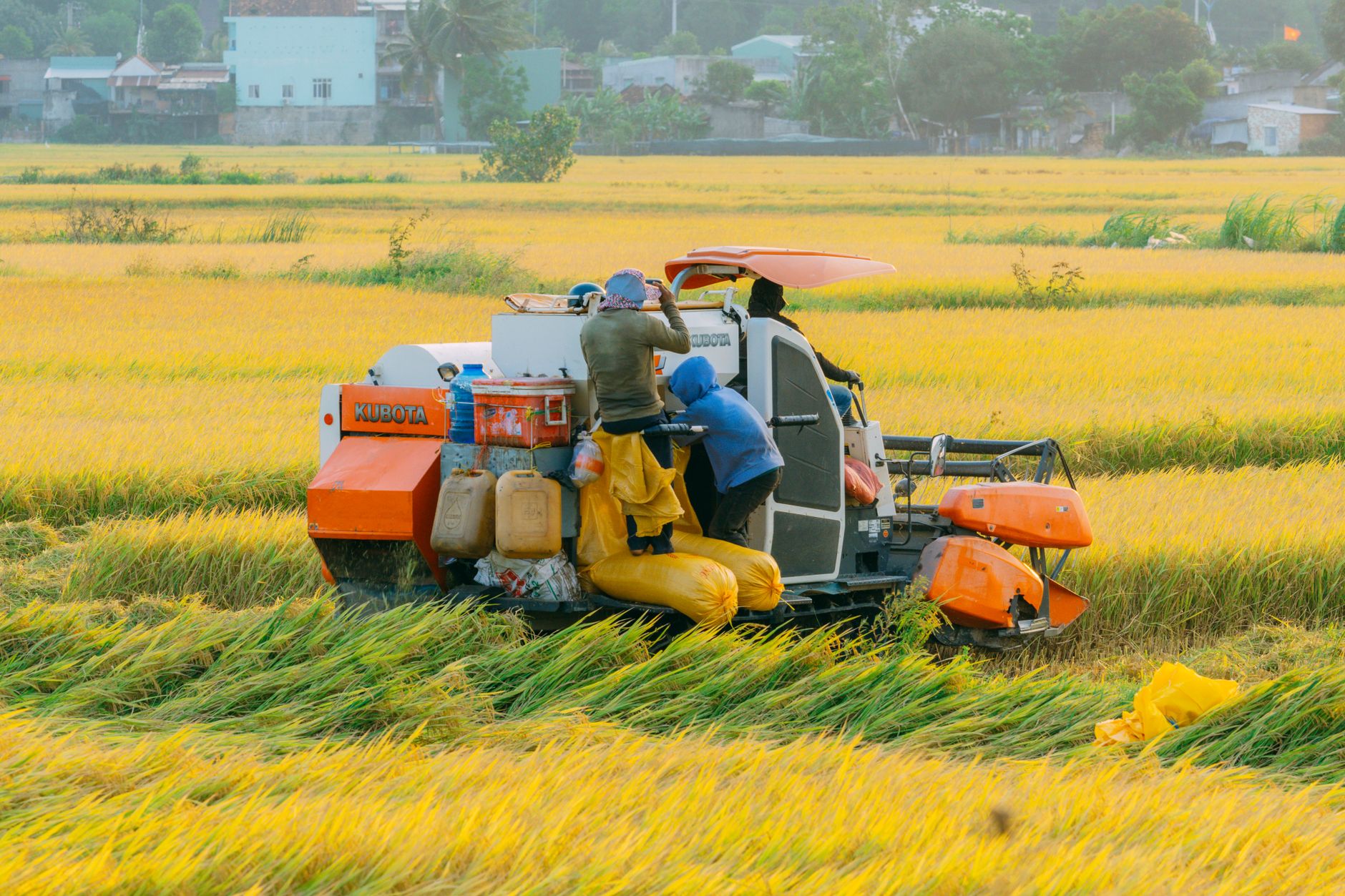
- Work a field or orchard: January is harvest-prep and planting time in many zones. You might help dig beds, plant seedlings, pick fruit, or bundle crops for market. It's not Instagram-staged; your hands get dirty and tired—that's the point.
- Craft something local: Weave a basket, roll rice paper, make fish sauce, or dye fabric using methods unchanged for decades. You leave with what you made.
- Walk village lanes early or late: 6–7 a.m. or 4–5 p.m., when locals move between fields and homes. You'll see water buffalo, school children, temple prep, or neighbors gathering wood—not performed tourism.
- Talk to someone for real: Our hosts ask one open question and then listen. You'll hear about crop prices, family migration, school plans, or holiday traditions. Language doesn't have to be perfect; a translator (us or a family member) bridges gaps.
Skip the "5 temples and a waterfall" itinerary. One full activity in one village, plus food and walking, leaves you less exhausted and more changed.
How do you prepare physically and practically for a day out?
Countryside days in January are low-risk but need smart packing. Here's what really matters:
Clothing:
- Layers: A long-sleeved shirt over a tee; a fleece or thin jacket. You'll warm up walking but cool down at rest.
- Closed shoes: Trails, farm edges, and village paths have sharp stones, irrigation ditches, or mud even when dry-looking. Sandals leave you vulnerable.
- Hat and sunglasses: Even cool January sun burns fast at midday.
- Socks: Prevent blisters on long walks; bring an extra pair if sweating.
Essentials:
- Water (2 liters minimum): We provide some; bring your own reusable bottle.
- Sunscreen (SPF 30+): Reapply every 2 hours if walking.
- Small first-aid kit: Blister plasters, pain relief, insect repellent.
- Phone fully charged: Maps, communication, photos—January light is stunning.
- Medications: Any personal prescriptions; let us know allergies or conditions beforehand.
What not to bring:
- Expensive jewellery or watches.
- Perfume or strong scents (insects, and it's rude in intimate spaces).
- More than a small daypack: Bulk tires you out.
Fitness reality: Most countryside days suit ages 10–80. We slow down for seniors, break often, and choose flatter routes if needed. Kids under 5 find long walking hard; we adapt with shorter routes, more sitting, and activities they can do (planting, stirring, playing with animals). Tell us your group's pace and any joint issues; we customize the day.
How does rain or unexpected weather change the plan?
January is dry, but brief showers do happen—typically quick, warm rain rather than storms. Here's how we adapt:
Light rain (drizzle or 30-minute shower):
- We continue. Paths stay walkable. Cooking happens indoors anyway. Pack a rain jacket or poncho.
- Bonus: Fewer tourists, locals work normally, photos look moody.
Heavy rain (downpour forecast):
- We reschedule to a nearby date or shift the day to indoor activities: a longer cooking session, craft workshops, or a Vietnamese coffee workshop in a village house.
- If you're mid-trip and can't reschedule, we pivot to market walks (covered), nearby street food and market tours, or an urban art and culture class in a studio.
Extreme heat (rare in January, but Da Lat or Saigon some days):
- We start at 5:30 a.m., take a long midday rest with food and shade, and resume 4–5 p.m.
- Waterside activities (boat rides in Mekong) feel cooler.
Cold snap (north, rare but possible):
- We add 30 minutes to warm-up indoors, bring extra layers, and skip high-altitude hikes if conditions are unsafe.
The honest truth: January is stable. Cancellations are rare. Adaptations are minor. We've only truly postponed two experiences in recent years due to freak weather—and guests were offered immediate rebooking.
What should you check before booking a countryside experience?
Before you ask us for dates:
- Your dates and group size: Fixed dates? Flexible? Solo, couple, family, team? We match you to available hosts and optimize group energy.
- Physical limits: Knee issues, age, swimming ability, or allergies? Tell us. We're not offended and will design the right day.
- Food needs: Vegetarian, vegan, halal, gluten-free, seafood allergy? We cook with the family; they can adapt, but early notice helps us brief them and source ingredients.
- What draws you: Solitude, skill-learning, photos, cultural depth, or family bonding? We pitch the right farm and countryside experience by motivation, not just location.
- Transport: Do you have a driver or car? We can arrange pickup from your hotel or a meeting point in the city.
- Language comfort: English-speaking hosts run all our farm and countryside experiences. If you speak Vietnamese, we note that too—it deepens conversations.
- Rainy-day flexibility: Can you reschedule if conditions are unsafe, or do you need a definite date? January rarely needs this, but knowing helps us promise realistic timelines.

FAQ
Is January rainy in Vietnam?
No. January is the driest month across most of Vietnam—almost zero rain except rare freak systems. North and central regions are cool and clear; the south is warm and dry. Pack sun protection, not a rain jacket.
Can seniors or kids handle a countryside day?
Yes. We adapt routes for energy level and age—shorter walks, more sitting, activities kids can do (planting, cooking prep, animal time). Tell us ages and any joint issues when booking; we customize the day.
What's a realistic budget for a day trip?
It varies by group size, location, and what you do. Ask us for dates and a quote on WhatsApp—we'll give you a clear price for your specific day.
Should I book a guided group tour or a private day?
Both work. Group days are cheaper and livelier; private days are slower and let you ask deeper questions. January is quiet enough that both feel intimate. Tell us your preference when you contact us.
What if I don't speak Vietnamese?
Our hosts speak English. We'll translate key moments and introduce you to the family. Kids and families often teach you words through playing and eating. It's easier than you think.
Can I bring a camera or drone?
Yes, cameras are always welcome. Drones need local permits—let us know early and we'll advise. Ask families before photographing people or their homes; most are happy to say yes.
What time does a countryside day start and end?
Most days run 6–8 hours. We usually leave your hotel at 6–7 a.m., return by 3–5 p.m. Early start beats crowds and heat. We can adjust for your schedule; ask when you reach out.
Ask about dates
Tell us the city, your dates and what you would like to try. We reply on WhatsApp in English with options and availability.
FAQ
Is January rainy in Vietnam?
No. January is the driest month across most of Vietnam—almost zero rain except rare freak systems. North and central regions are cool and clear; the south is warm and dry. Pack sun protection, not a rain jacket.
Can seniors or kids handle a countryside day?
Yes. We adapt routes for energy level and age—shorter walks, more sitting, activities kids can do (planting, cooking prep, animal time). Tell us ages and any joint issues when booking; we customize the day.
What's a realistic budget for a day trip?
It varies by group size, location, and what you do. [Ask us for dates and a quote on WhatsApp](https://wa.me/84338762340)—we'll give you a clear price for your specific day.
Should I book a guided group tour or a private day?
Both work. Group days are cheaper and livelier; private days are slower and let you ask deeper questions. January is quiet enough that both feel intimate. Tell us your preference when you contact us.
What if I don't speak Vietnamese?
Our hosts speak English. We'll translate key moments and introduce you to the family. Kids and families often teach you words through playing and eating. It's easier than you think.
Can I bring a camera or drone?
Yes, cameras are always welcome. Drones need local permits—let us know early and we'll advise. Ask families before photographing people or their homes; most are happy to say yes.
What time does a countryside day start and end?
Most days run 6–8 hours. We usually leave your hotel at 6–7 a.m., return by 3–5 p.m. Early start beats crowds and heat. We can adjust for your schedule; ask when you reach out.
More like this
Farm and countryside days
Fishing Experience Vietnam for Japanese Travelers: Where to Go & What to Expect
Vietnam's waterways offer Japanese travelers a chance to learn traditional fishing methods directly from locals. Cáo Experiences runs half- and full-day sessions on rivers, lakes and the Mekong Delta where you cast nets, set traps, and cook your catch.
Farm and countryside days
Fishing Experience Vietnam for Foreigners: Hands-On Guide
Fishing in Vietnam isn't a spectator sport—you'll wade into rivers, cast nets, trap fish in baskets, and cook your catch for lunch. We run small-group and private fishing days in the countryside outside Hanoi, Ha Noi region, and the Mekong Delta.
Farm and countryside days
Fishing Experience in Vietnam: 8 Questions to Ask Before You Go
Fishing in Vietnam means wading through rice paddies, learning trap techniques, or casting in rivers with local guides. Here's what to ask before you book.