
Home › Blog › Farm and countryside days
Countryside day trip in Vietnam rainy season: what to plan
By the Cáo Experiences team · 2026-11-06
A countryside day trip during Vietnam's rainy season (May–October in the south, peak June–August in the north) means cooler mornings, dramatic clouds, fewer crowds, and mud-splashed paths that reveal local farming rhythms most tourists miss. Plan 6–8 hours with transport included; wear waterproof layers, closed shoes, and a light rain jacket—not an umbrella, which blocks your hands and vision. Morning starts (6–7 a.m.) beat afternoon downpours; most rain arrives 2–5 p.m. Bring a dry bag for phones and cameras. At Cáo Experiences, we run farm days, horse riding experience, and countryside workshops year-round, adapting routes to rain forecasts 24 hours ahead. Expect muddy boots, authentic village encounters, and fresh-picked crops. Cost and dates vary by location and group size; ask us for a quote on WhatsApp.
The rainy season in Vietnam's countryside is not a setback—it's a different story. Farmers are active, fields are alive with water and green, villages slow down around weather rhythms, and the light is softer. But you need to know what changes, what stays safe, and how to dress for wet conditions without losing the experience.
Is rainy season actually the right time to visit countryside Vietnam?
Yes, if you embrace wet weather and adjust your timing. Rain doesn't fall all day; it clusters in afternoon bursts, sometimes heavy, sometimes brief. Morning countryside is often clear, cooler, and easier to move through. You'll see water buffalo in muddy paddies, farmers planting or harvesting in their actual work—not a performance for tourists. Villages are quieter: fewer day-trippers, more real life. The downside: some mountain roads become slippery, certain walking routes stay waterlogged, and afternoon plans need flexibility. Book experiences that work in both sun and rain—farm tours, cooking in a family kitchen, craft workshops indoors or under shelter. Avoid pure hiking on steep terrain in heavy rain unless you're confident and experienced.
What should you actually wear and pack for a rainy countryside day?
Wear a lightweight waterproof rain jacket (not a heavy coat—you'll overheat during labor or walking), long quick-dry trousers or shorts, and closed-toe shoes with grip (waterproof hiking boots or trail shoes, not sneakers that absorb water). Avoid umbrellas: they're useless in wind and take up a hand you need for balance or holding baskets. Bring a small dry bag (5–10 liters) for phone, camera, wallet; a lightweight towel or microfiber cloth; socks (two pairs, one dry backup); and a basic first-aid kit (blister plasters, antihistamine for bites). Wear a hat with a brim, not a cap—it shields your neck and shoulders better. Sunscreen and bug spray still apply: rainy season doesn't reduce UV or mosquitoes; it adds humidity. Pack a change of shirt if the day includes water—crossing streams or wading in paddies is common. Leave behind: tight jeans, canvas shoes, large bags, and anything that can't get wet.
Which countryside activities work best in rainy season?
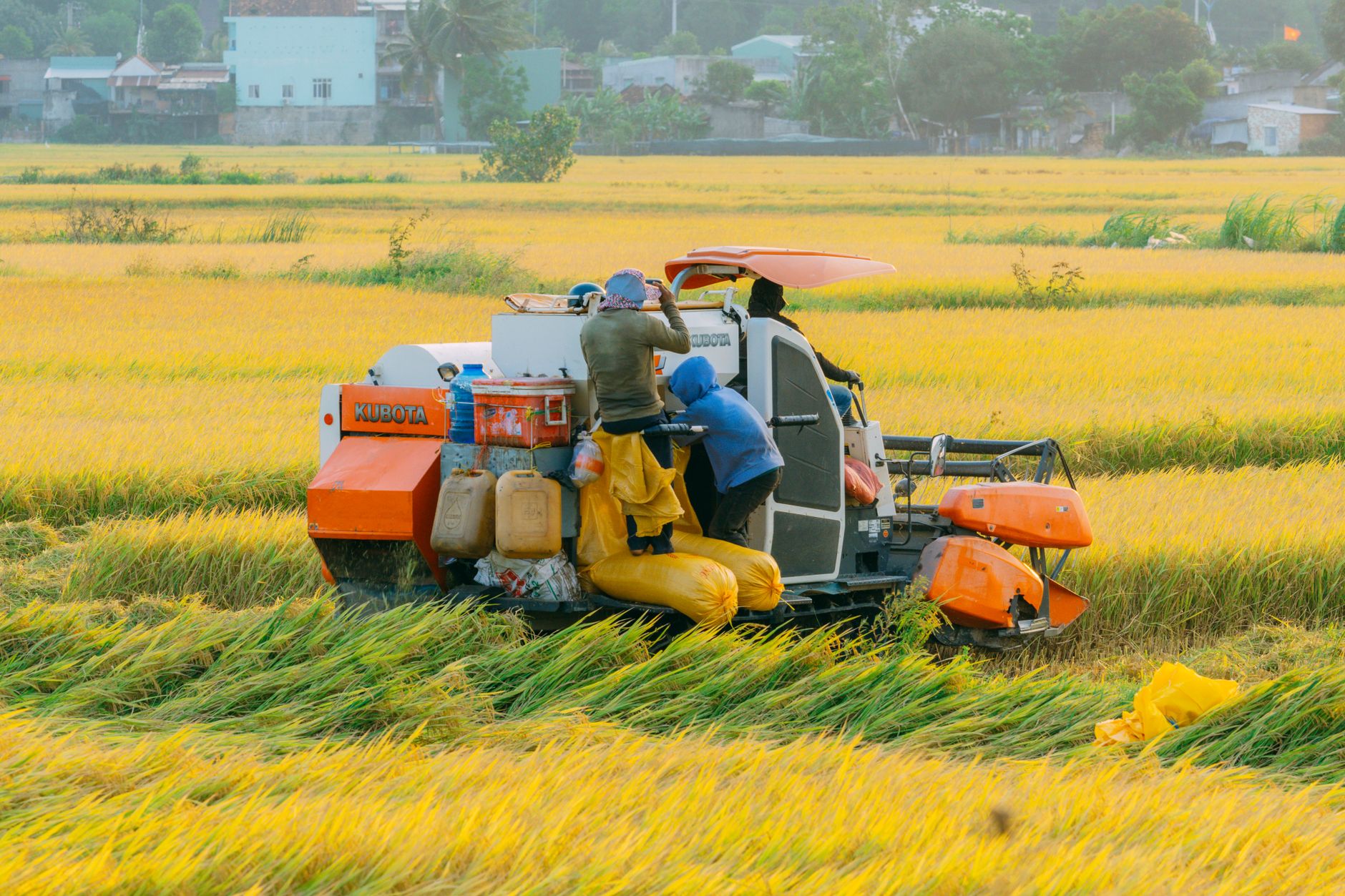
Wet-season farm days center on active work: planting rice in flooded paddies, harvesting crops, tending vegetable plots under cover, and moving animals to shelter. You'll participate, not just watch. Farm experience sessions include learning why farmers work around monsoon timing. Cooking classes thrive: families cook indoors in their kitchen, rain outside adds atmosphere, and you're learning in a real working space, not a studio. Vietnamese cooking class runs in any weather because it's hands-on, sheltered, and focused. Craft workshops—weaving, pottery, bamboo work—happen under roofs or in lean-tos where artisans normally work. Craft workshops often speed up in rainy season because tourists are fewer and hosts are less rushed. Flower arranging and decoration work indoors year-round. Flower arranging workshop doesn't depend on weather. Avoid: long open-air hikes, boat tours on swollen rivers without expert guidance, and activities on unstable hillsides. Horse riding is possible but requires a stable with covered grounds and calm, well-trained horses; muddy footing is okay, slippery is not.
How do you plan timing to dodge the worst rain?
Start before 7 a.m. Most mornings stay dry or have only light drizzle until 10 a.m., especially in the first 2–3 hours. Plan indoor or semi-sheltered activities (cooking, craft, farm shelter work) for 11 a.m.–2 p.m., when heavy rain is less likely in the center of the day. Afternoon (2–5 p.m.) is peak rain risk: either plan a late lunch and early wrap-up, or book activities that tolerate mud (paddies, vegetable harvest, working under shelter). Check the forecast the evening before and again at dawn; if heavy downpour is forecast, our hosts reschedule to the next clear-morning window. Travel during calm weather: rainy morning drives are safer than driving during heavy afternoon storms. Allow 1–2 hours of flexibility in your itinerary; if rain forces a route change, we pivot to a sheltered backup activity in the same village or nearby. Humidity is highest September–October; pack extra towels and change clothes between activities if you're sweating heavily.
| Activity | Best rainy-season timing | Why it works | Rain won't cancel it |
|---|---|---|---|
| Farm work (planting, harvest) | 6–9 a.m. start, finish by noon | Morning light, drier ground, farmers already active | No—mud is expected |
| Cooking class | 10 a.m.–1 p.m. | Indoors, sheltered, focuses on technique | Yes, always |
| Craft workshop | 9 a.m.–12 p.m. | Covered workspace, no weather dependency | Yes, always |
| Horse riding | 6–8 a.m. (before rain risk) | Calm horses, firm ground, short ride | Partially—mud ok, slippery no |
| Garden walk, flower picking | 7–9 a.m. | Fresh dew, flowers open, fewer visitors | No—mud and fallen petals |
See farm experience details

What safety and health issues arise in rainy countryside, and how do you avoid them?
Mudslides are rare in managed farm areas but real on steep unprotected slopes: avoid off-trail hiking in steep terrain during heavy rain. Waterborne illness can spike if you drink untreated water from wells or streams: only drink bottled water or filtered water offered by your host. Mosquitoes and leeches thrive in wet conditions: wear long trousers, use DEET-based bug spray, and check your legs and feet after walking through wet vegetation. Fungal infections (between toes, in armpits) develop if you stay damp for hours: change wet clothes and socks as soon as you finish muddy work, and let feet air-dry. River crossings and paddy wading carry slip risk: walk slowly, use a guide's hand or a rope, and never rush. Our guides bring a basic first-aid kit and know the safe routes, stream levels, and which activities to shift if weather deteriorates. If you have a condition (asthma, heart, joint issues), let us know before booking; we tailor pace and activity intensity. Rainy season is cooler, not cold—hypothermia is very unlikely—but the combination of damp and wind can make you chilled if you stop moving. Keep moving, change wet layers quickly, and return indoors to warm up if you feel cold.
Where in Vietnam is countryside rain most manageable, and when should you go?
Northern Vietnam (Hanoi region, experiences in Hanoi) has peak rain June–August but mornings are often drier and cooler; June and late August–September are slightly easier to navigate. Central Vietnam (Hoi An, Da Nang regions, experiences in Hoi An and experiences in Da Nang) can experience heavy downpours September–October but May–June is milder. Southern Vietnam (Saigon region, experiences in Saigon) has monsoon June–August with afternoon storms; early June or September mornings are often clear. Highlands (Da Lat, experiences in Da Lat) are cooler and misty but less intensely rainy than lowlands; they're a good rainy-season option if you prefer cloud cover and moderate weather. Avoid: August in the south (peak rain, heat, highest humidity); September nationwide (storm risk and leeches at peak). Best windows: June in the north, May–June in the center, early June or September in the south. Check forecasts the week before you commit; we adjust dates and routes based on real weather, not fixed calendars.
What to check before you book a rainy-season countryside trip
- Forecast: Check 48 hours before; expect heavy afternoon rain and plan accordingly.
- Your fitness: Farm work involves standing, bending, walking on uneven ground. Not extreme, but not a stroll.
- Footwear: Bring closed-toe grip shoes; test them on mud before the day starts.
- Allergies and diet: Tell us in advance. Farm hosts adapt meals and activities easily.
- Pace: Rainy days often move slower than sunny ones (mud, caution, fewer visitors means we linger). Build in rest time.
- Group size: Smaller groups (up to 6 people) are easier to redirect if weather shifts. Larger groups have more backup options.
- Communication: Our hosts confirm the morning of; stay reachable on WhatsApp.

FAQ
Is it safe to ride horses in the rain?
Yes, on flat or gently sloped ground with calm horses and an experienced guide. Slippery slopes or wet stone steps are not safe. We use flat farm paths and paddies; heavy downpour can delay the start, but light rain doesn't stop us. Mud is fine; it gives hooves grip.
Can kids do countryside rainy-season trips?
Yes. Kids aged 5+ enjoy farm work, muddy paddies, and hands-on activities. Younger children tire faster in wet conditions and need extra layers and socks. Experiences for families and kids are designed with wet-season pacing. Tell us your child's age and outdoor experience; we adjust.
What if it rains so hard we can't go out?
We confirm the morning of and shift to an indoor activity in the same location—cooking, craft, or tea—or reschedule to the next clear morning. No refund pressure; flexibility is the policy. Our hosts have sheltered backup activities ready.
Do I need travel insurance for countryside activities in rainy season?
Standard travel insurance covers accidents, illness, and trip disruption. Rainy-season farm trips are low-risk compared to adventure sports, but check your policy for weather-related cancellations. We manage weather actively and reschedule rather than cancel.
What's the difference between a rainy-season farm day and a dry-season one?
Rainy-season farms are flooded and busier with planting or harvest; you're in active agricultural work. Dry season is drier, faster, and more about processing and storage. Rainy season feels more real; dry season is cleaner and easier. Both are worth doing.
Should I book a cooking class, craft workshop, or farm day for rainy season?
All three work in rainy weather. Cooking and craft are indoors, zero weather risk. Farm days are outdoors but shorter and slower. If you're unsure about mud and weather, start with a Vietnamese cooking class or craft workshops; if you want to get wet and experience real seasonal farm work, book farm experience. Mix them: a cooking class in morning, farm walk in early afternoon.
Can I combine a countryside day trip with other experiences?
Yes. Pair a farm day with a street food and market tour (evening, after rain), or a craft workshop with a coffee workshop (indoors). Group and team experiences can mix activities into a full day or half-day itinerary. Ask us for a custom itinerary on WhatsApp.
Ask about dates
Tell us the city, your dates and what you would like to try. We reply on WhatsApp in English with options and availability.
FAQ
Is it safe to ride horses in the rain?
Yes, on flat or gently sloped ground with calm horses and an experienced guide. Slippery slopes or wet stone steps are not safe. We use flat farm paths and paddies; heavy downpour can delay the start, but light rain doesn't stop us. Mud is fine; it gives hooves grip.
Can kids do countryside rainy-season trips?
Yes. Kids aged 5+ enjoy farm work, muddy paddies, and hands-on activities. Younger children tire faster in wet conditions and need extra layers and socks. [Experiences for families and kids](/family-experiences) are designed with wet-season pacing. Tell us your child's age and outdoor experience; we adjust.
What if it rains so hard we can't go out?
We confirm the morning of and shift to an indoor activity in the same location—cooking, craft, or tea—or reschedule to the next clear morning. No refund pressure; flexibility is the policy. Our hosts have sheltered backup activities ready.
Do I need travel insurance for countryside activities in rainy season?
Standard travel insurance covers accidents, illness, and trip disruption. Rainy-season farm trips are low-risk compared to adventure sports, but check your policy for weather-related cancellations. We manage weather actively and reschedule rather than cancel.
What's the difference between a rainy-season farm day and a dry-season one?
Rainy-season farms are flooded and busier with planting or harvest; you're in active agricultural work. Dry season is drier, faster, and more about processing and storage. Rainy season feels more real; dry season is cleaner and easier. Both are worth doing.
Should I book a cooking class, craft workshop, or farm day for rainy season?
All three work in rainy weather. Cooking and craft are indoors, zero weather risk. Farm days are outdoors but shorter and slower. If you're unsure about mud and weather, start with a [Vietnamese cooking class](/cooking-class) or [craft workshops](/craft-workshops); if you want to get wet and experience real seasonal farm work, book [farm experience](/farm-experience). Mix them: a cooking class in morning, farm walk in early afternoon.
Can I combine a countryside day trip with other experiences?
Yes. Pair a farm day with a [street food and market tour](/street-food-tour) (evening, after rain), or a craft workshop with a [coffee workshop](/coffee-workshop) (indoors). [Group and team experiences](/group-and-corporate) can mix activities into a full day or half-day itinerary. [Ask us for a custom itinerary on WhatsApp](https://wa.me/84338762340).
More like this
Farm and countryside days
Fishing Experience Vietnam for Japanese Travelers: Where to Go & What to Expect
Vietnam's waterways offer Japanese travelers a chance to learn traditional fishing methods directly from locals. Cáo Experiences runs half- and full-day sessions on rivers, lakes and the Mekong Delta where you cast nets, set traps, and cook your catch.
Farm and countryside days
Fishing Experience Vietnam for Foreigners: Hands-On Guide
Fishing in Vietnam isn't a spectator sport—you'll wade into rivers, cast nets, trap fish in baskets, and cook your catch for lunch. We run small-group and private fishing days in the countryside outside Hanoi, Ha Noi region, and the Mekong Delta.
Farm and countryside days
Fishing Experience in Vietnam: 8 Questions to Ask Before You Go
Fishing in Vietnam means wading through rice paddies, learning trap techniques, or casting in rivers with local guides. Here's what to ask before you book.