
Home › Blog › Farm and countryside days
Countryside Day Trip in Vietnam: What to Expect and Plan
By the Cáo Experiences team · 2026-11-06
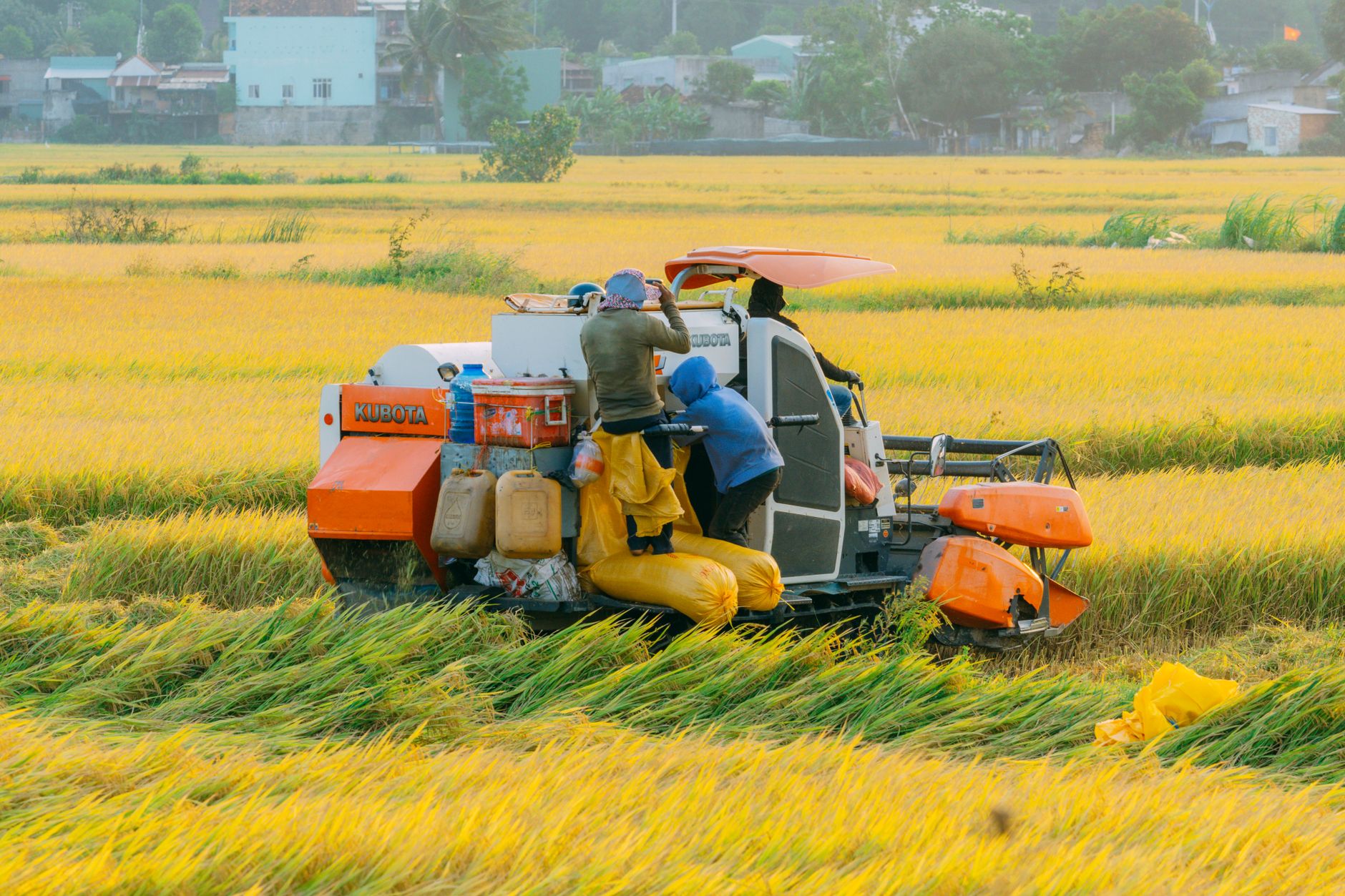
A countryside day trip in Vietnam with Cáo Experiences is a half- or full-day immersion in working farmland, village kitchens, and rural routines—not a curated resort experience. We operate trips near Hanoi (upland rice paddies and fish ponds in hills north of the city), around Ho Chi Minh City (coconut orchards and floating gardens in waterways south of District 7), and in and around Hoi An (vegetable terraces and water-buffalo pastures in the Thu Bon river valley). Sessions run 4–6 hours depending on terrain and season. You walk or cycle farmland, help with one task (planting, harvesting, tending animals), cook a meal in a family kitchen, and eat together. Costs depend on group size and activities—ask us for dates and a quote on WhatsApp. Most guests report surprise at how tired they are (real farm work), how quiet it is, and how much the hosts teach you without trying. The main risk: expecting a curated "experience" instead of a working day that happens to include you.
What makes a countryside trip honest versus staged?
The difference is presence. A staged trip parks you at a photogenic spot, arranges a single photo moment (you in a conical hat in a rice field), and leaves. An honest one puts you in a family's actual schedule: you arrive when they're already working, you do what helps them today (not what looks best), and lunch reflects what's in the kitchen, not a tourist menu. We work with farming families who do this every day. They stop to show you how, but they don't perform. Rain cancels photo trips; it doesn't cancel farmwork, so we adapt the day and reschedule if weather is genuinely unsafe.

How do I know if a countryside trip suits me physically?
Most guests underestimate the physical demand. You'll walk uneven terrain for 2–3 hours (muddy in wet season, dusty in dry), stand or crouch while helping harvest or plant, carry water or produce, and cycle if that's the chosen transport. Seniors and guests with joint pain or limited cardio should tell us beforehand; we can shorten walks, offer a motorbike escort for flat sections, or choose a task that's lighter (sitting down to shell beans, for instance). Kids aged 5+ can join if they're comfortable getting dirty and staying engaged without screens for half a day. Younger kids tire quickly and get bored once the novelty of mud wears off. Pregnant guests should avoid pesticide fields and ask about seating arrangements for lunch prep. No special equipment needed—wear sturdy shoes with grip, long trousers (mosquitoes and sun), and a hat.
What do you actually eat on a countryside trip?
Lunch is cooked in the family's kitchen by you, the host, and family members—usually a soup, a stir-fry, rice, greens, and preserved fish or meat. Ingredients come from the farm or a local market 20 minutes away. Meals are not seasoned for foreign palates; you taste salt, funk, and fermentation. If you're vegetarian, vegan, allergic, or halal, tell us weeks ahead so the family can plan crops or shop differently. We've run gluten-free (rice-based meals, careful with soy sauce) and egg-free (local tofu substitutes are normal). Pork and fish sauce are staples; there's no real way around them, but families can reduce or substitute if you're committed. Water is boiled; fruit is washed. Stomach upsets are rare if you eat like the locals do (smaller portions, chew well, drink tea after, skip the iced drinks). We always carry oral rehydration salts.
Does rain ruin a countryside day?
Rain changes the day, not always for the worse. In wet season (May–September), arrival might shift to afternoon harvest instead of morning planting, or you help mend nets in a wooden shelter instead of walking fields. We reschedule only if roads flood (rare) or lightning is active. Guests often report that rain reveals a different rhythm—less hustle, more sitting and talking. Wear waterproof trousers, a poncho, and shoes that drain. Bring a small towel. Midges and mosquitoes are worse on humid days before rain; bring insect repellent.
How does a countryside trip connect to other Cáo Experiences?
Many guests pair a farm and countryside experience with a Vietnamese cooking class on a different day—countryside gives you the raw ingredients and farm-to-table context; cooking class teaches technique and menu design. Some combine a trip with a street food and market tour to understand how village produce reaches urban markets. Flower arranging works well post-trip if you've seen how flowers are grown in small plots. A coffee workshop in the hills of Hanoi region often includes a walk through a small coffee farm. Tea experiences in Hoi An pair naturally with riverside countryside trips. If you're traveling with kids, family experiences are designed with shorter attention spans and safer tasks in mind. For groups or teams, group and corporate experiences can build a full-day itinerary mixing countryside with another skill.
Comparison: What type of countryside trip fits your goals?
| Trip type | Best for | What you do | Duration | Real challenge |
|---|---|---|---|---|
| Rice farming in upland paddies | seeing seasonal cycles, water management | Plant or harvest rice rows, learn terrace engineering | 5 hours | Early start (5am), wet feet, bending |
| Vegetable garden + cooking | hands-on meal prep, learning crop variety | Pick vegetables, carry water, cook lunch in kitchen | 4 hours | Heat near cooking fire, repetitive work |
| Animal care (buffalo, fish ponds) | meeting working animals, eco-systems | Wade in pond to mend nets, lead buffalo to water, feed | 4.5 hours | Smell, mud, animal unpredictability |
| Coconut or fruit orchard (south) | climbing, pruning, tropical crops | Climb trees, harvest fruit, process for sale | 4 hours | Height, heat, insect stings |
| Homestay + overnight stay | cultural immersion, trust-building | Everything above, plus evening meal, sleeping on family floor | 20 hours | Homesickness, bathroom culture, early waking |
Common worries and how we handle them
"Will I slow the family down?" Yes, at first. Farm work has a rhythm; visitors are slower. Families expect this and don't rush. After 30 minutes, you find a pace. The most useful guests are the ones who ask questions ("why that angle?" "what's the soil like here?") rather than try to speed up.
"What if I hate it?" Tell us during the first hour. We can return you to town (you'll have paid; we'll use what's left for a coffee or market visit instead). It's rare. Most guests hate themselves for underestimating tiredness, not the trip itself.
"Is it safe?" Farm injuries (cuts, sprains, insect bites) are possible but uncommon in a supervised half-day. We brief you on where to step, where not to touch, and what animals are unpredictable. Pesticides are not used in our partner farms (they're small-scale family operations). If you have an injury history, tell us.
"Will I be the only foreigner?" Usually yes. Occasionally a couple or small group is doing the same trip. We don't mix groups unless you ask.
"How do I prepare mentally?" Expect to be slower, dirtier, hungrier, and less in control than at a hotel. Expect the family to ignore you sometimes because they have work to finish. Expect no WiFi, no air conditioning, and an honest conversation about why rice costs what it does.
What to check before you book
- Fitness level: Tell us honestly. "I walk a few times a week" is not the same as "I haven't exercised in five years."
- Dietary needs: Email us a list. We need 3–4 weeks' notice to brief the family.
- Rainy-season dates: Trips still run, but confirm you're okay with mud, rescheduling, or afternoon-only hours.
- Shoe traction: Bring shoes you can afford to ruin. Flip-flops don't work.
- Language: We provide a guide or translation aid. You don't need to speak Vietnamese.
- Photos: Ask the family first. Some are happy to be photographed; some aren't. Respect that.

FAQ
Are countryside trips available year-round?
Yes, but seasonal tasks differ. Wet season (May–September) features water management and paddy work; dry season (October–April) emphasizes planting new crops and repairs. Ask which activities match your visit dates.
Can children under 5 join?
Yes, but they tire quickly and get bored after 2 hours. Parents often bring a sibling or friend for support. Toddlers need frequent bathroom and water breaks; farms don't have child facilities.
What's the difference between a countryside trip and an agritourism resort?
Resorts are designed for comfort and photos. We visit working farms where comfort is secondary to function. You're helping, not touring.
Will I get sick from eating farmhouse food?
Stomach upsets are rare (maybe 1 in 20 guests) and usually mild. Boiled water, cooked food, and eating slowly minimize risk. Bring antacids if you're sensitive.
Do you offer multi-day countryside stays?
Yes, overnight homestays are available in some regions. You sleep on a family floor mat and wake early for chores. Ask us for dates and availability.
How many people can join one trip?
Usually 2–8 guests per family-farm pairing. Larger groups split across multiple families or farms. Ask us for dates and a quote on WhatsApp.
Ask about dates
Tell us the city, your dates and what you would like to try. We reply on WhatsApp in English with options and availability.
FAQ
Are countryside trips available year-round?
Yes, but seasonal tasks differ. Wet season (May–September) features water management and paddy work; dry season (October–April) emphasizes planting new crops and repairs. Ask which activities match your visit dates.
Can children under 5 join?
Yes, but they tire quickly and get bored after 2 hours. Parents often bring a sibling or friend for support. Toddlers need frequent bathroom and water breaks; farms don't have child facilities.
What's the difference between a countryside trip and an agritourism resort?
Resorts are designed for comfort and photos. We visit working farms where comfort is secondary to function. You're helping, not touring.
Will I get sick from eating farmhouse food?
Stomach upsets are rare (maybe 1 in 20 guests) and usually mild. Boiled water, cooked food, and eating slowly minimize risk. Bring antacids if you're sensitive.
Do you offer multi-day countryside stays?
Yes, overnight homestays are available in some regions. You sleep on a family floor mat and wake early for chores. Ask us for dates and availability.
How many people can join one trip?
Usually 2–8 guests per family-farm pairing. Larger groups split across multiple families or farms. Ask us for dates and a quote on WhatsApp.
More like this
Farm and countryside days
Fishing Experience Vietnam for Japanese Travelers: Where to Go & What to Expect
Vietnam's waterways offer Japanese travelers a chance to learn traditional fishing methods directly from locals. Cáo Experiences runs half- and full-day sessions on rivers, lakes and the Mekong Delta where you cast nets, set traps, and cook your catch.
Farm and countryside days
Fishing Experience Vietnam for Foreigners: Hands-On Guide
Fishing in Vietnam isn't a spectator sport—you'll wade into rivers, cast nets, trap fish in baskets, and cook your catch for lunch. We run small-group and private fishing days in the countryside outside Hanoi, Ha Noi region, and the Mekong Delta.
Farm and countryside days
Fishing Experience in Vietnam: 8 Questions to Ask Before You Go
Fishing in Vietnam means wading through rice paddies, learning trap techniques, or casting in rivers with local guides. Here's what to ask before you book.