
Home › Blog › Farm and countryside days
Countryside Day Trip Vietnam for American Travelers: What to Expect
By the Cáo Experiences team · 2026-11-06
A countryside day trip in Vietnam with Cáo Experiences means spending 4–6 hours on a family farm, in village kitchens, or doing farm-to-table work outside the city. You'll arrive by car or motorbike, meet the household or guide, and participate—harvesting vegetables, feeding animals, preparing lunch, or learning craft skills—rather than watch. Most days run 7 a.m. to 1 p.m. or 1 p.m. to 6 p.m. American travelers often worry about language, pace, and whether it's "real" or staged; we keep groups to 4–8 people, use English-speaking hosts, and adapt to fitness levels, dietary needs, and rain. Cost varies by location and group size; ask us for dates and a quote on WhatsApp. The day usually ends with a meal you've partly prepared, and time to rest before heading back. Ask about dates on WhatsApp
Why Do American Travelers Choose Countryside Days Over City Tours?
City tours show you postcards. Countryside days let you do the work and eat the result. Most American visitors expect to be comfortable and informed, and they are—but they also want to see how Vietnamese people live outside the postcard zones. A farm and countryside experience breaks that fourth wall. You're not on a schedule watching a guide point; you're wearing an apron, asking questions, and making mistakes in real time. That's why travelers say it's the most memorable part of their trip—not because it's exotic, but because it's honest.
What Does a Morning Countryside Session Actually Look Like?
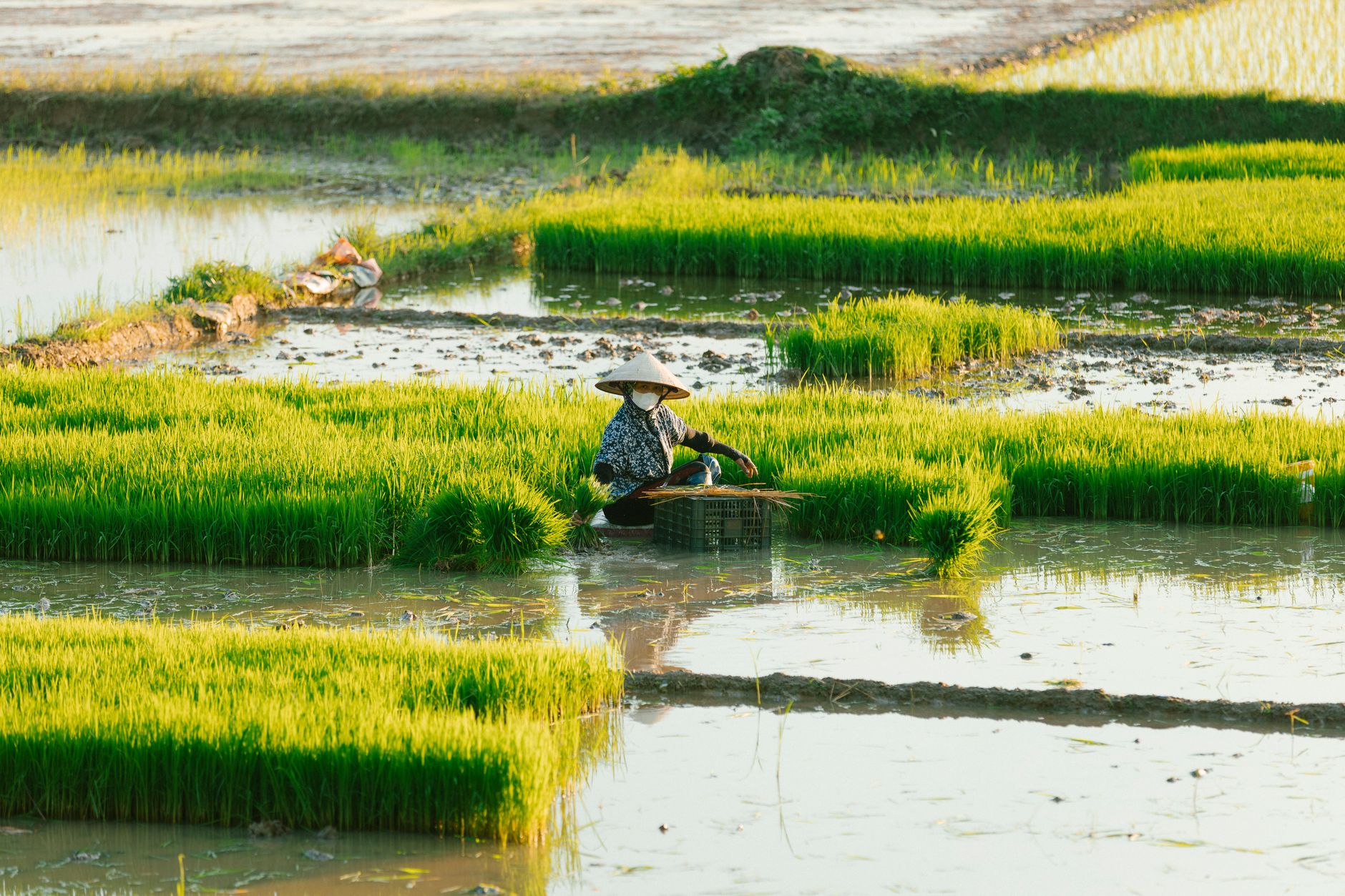
We pick you up from your hotel between 6:30 and 7 a.m. The drive takes 30–60 minutes depending on your city. You arrive at a working family farm or household on the edge of a village—not a resort with a "farm experience" sign. The host (often the farmer, a family member, or a trained local guide) greets you in English, gives you a quick walk around, and you get to work: harvesting leafy greens or herbs, collecting eggs, feeding ducks, or preparing a vegetable patch. By 9 a.m., you move to the kitchen—someone's actual home kitchen, with a wood stove, a gas burner, or both. You learn to cook 2–3 simple dishes (often a soup, a stir-fry, and a salad or dip) by watching and doing. You eat lunch around noon, rest, chat, and leave by 1 p.m. American travelers often ask if it'll be too slow or if the food will make them sick; we work around allergies and fears honestly, and the food is freshly cooked in a clean family kitchen, not street food.
How Do We Adapt for Fitness, Age, and Dietary Needs?
A 65-year-old and a 28-year-old can be in the same group because farm work scales. Harvesting can be slow or fast; sitting in the kitchen is fine for anyone with mobility limits. We tell the host your fitness level and any injuries in advance. For allergies, we ask you to tell us 5 days before; the host cooks around dairy, nuts, shellfish, or anything else. Vegetarian and vegan guests prep different dishes using the same techniques. Kids (ages 6+) love collecting eggs and mixing dough; we skip sharp knives and heavy pots for them. If it rains, we either reschedule (no penalty) or adapt to indoor crafts—weaving, rice-paper rolling, or visiting a family workshop. Heat and humidity are real; wear light cotton, a hat, and sunscreen. Many American travelers underestimate the sun and arrive in shorts and a t-shirt; bring a long-sleeved shirt to tie around your waist.
What's the Honest Difference Between Farm Days and Cooking Classes?
Both happen on farms, both involve food. A Vietnamese cooking class runs 2–3 hours in a kitchen and teaches you five recipes to recreate at home. A countryside day trip is longer, includes farm work and time with animals, and prioritizes the household experience over technique—you learn to cook, but in the context of how that family feeds itself. If you want to master a specific dish, take a cooking class. If you want to meet a family and spend half a day doing what they do, a farm experience fits better. Some American travelers do both: a cooking class in the city on one day, a countryside day trip on another. They're designed to pair well because they use different parts of your brain.
| Type of Day | Duration | Focus | Best For |
|---|---|---|---|
| Countryside farm day | 4–6 hours | Farm work + kitchen + family time | Deep cultural immersion, slower pace |
| Cooking class | 2–3 hours | Recipe technique + knife skills | Learning to cook specific dishes |
| Street food tour | 3–4 hours | Walking, tasting, market navigation | Foodies who want breadth, city-based |
| Farm + craft combo | 5–7 hours | Farm work + weaving/pottery/carving | Extended engagement, families, multi-day groups |

Which Vietnam Region Fits Your Schedule and Style?
Hanoi countryside: Expect rice paddies, village lanes, and family kitchens 45–60 minutes north or west. The air is fresher; the pace is calm. Experiences in Hanoi tend to run year-round, though summer heat is intense and monsoon rains (May–August) are heavy. Best months: October–April.
Ho Chi Minh City (Saigon) countryside: Farms are closer, 30–45 minutes away; you'll see coconut palms, fish farms, and orchard families. The landscape is flatter and greener. Experiences in Ho Chi Minh City suit travelers who want a shorter commute and more tropical crops.
Hoi An countryside: The village feel is strongest here. Farms are within 20–30 minutes of the ancient town; you can do a countryside day in Hoi An and still explore the town in the afternoon. Water buffalo, rice terraces, and fishing communities are the backdrop.
Da Lat: Mountain climate, year-round coolness, strawberries and temperate vegetables instead of rice. A Da Lat farm day suits travelers who dislike heat. The drives are longer but the scenery justifies it.
American travelers often ask which is "the most authentic." All of them are real. Pick by season, commute tolerance, and what crops interest you.
What Should You Bring, Wear, and Know Before You Go?
Wear: Cotton clothes, a light long-sleeved shirt or scarf (sun and bugs), closed-toe shoes or sandals that won't slip in wet grass, a hat. Avoid white pants (mud stains) and perfume (it attracts insects and feels out of place).
Bring: Sunscreen, a reusable water bottle, a small towel, and a phone for photos. Don't bring jewelry or valuables; they're not needed and just add stress.
Know: You will get dirty. Mud on your hands and knees is the point. Bathrooms are basic—a squat toilet or a sit-down with no seat; toilet paper goes in a bin, not the bowl. The family may offer you tea or coffee you didn't ask for; accept it—it's kindness, not obligation. Tipping is not expected but is appreciated (ask your host how, since cash norms vary by region). If you feel unwell the morning of your day, tell us; we can reschedule without penalty. American travelers sometimes feel they "should" love it and hide discomfort; be honest with your host. They want you to enjoy it, not suffer through it.
What to Check Before You Book
- Fitness and mobility: Can you walk 1–2 hours at a slow pace and kneel or squat? If not, mention it; we'll adapt or suggest an alternative like horse riding or a tea experience instead.
- Dietary scope: Do you have allergies or strong dislikes? Tell us 5 days ahead. Plant-based diets are fine; we'll cook differently.
- Weather tolerance: Can you handle 25–35°C (77–95°F) heat and humidity? Rain? If you're heat-averse, book October–March or choose a highland region like Da Lat.
- Group size: Do you prefer a small group (4–6) or a private family day (2 people)? We run both. Private days cost more; ask us.
- Language: You'll hear Vietnamese and English. If you need Mandarin, French, or another language, tell us 10 days ahead—we may be able to arrange a bilingual guide.
- Photography: Can you ask before taking photos of the family's children? Always yes. Do it anyway.
FAQ
Will I get food poisoning from eating farm-prepared food?
Cáo Experiences hosts use clean water, wash produce, and cook hot foods to safe temperatures. No traveler has reported illness related to a countryside day. If you have severe gastrointestinal history, eat a light breakfast beforehand and bring antacids. Tell us about past issues.
Can I do a countryside day if I'm vegetarian or vegan?
Yes. We adapt every day for dietary needs. You'll learn to cook vegetable dishes, soups, and plant-based preparations. Fish sauce and meat are used in some family kitchens; we'll prep your portions separately if needed.
How far is the farm from the city, and can I use public transport?
Farms are 20–60 minutes away by car or motorbike, depending on location. We arrange pick-up and drop-off from your hotel. Public transport to farms is slow and unreliable; the included transport is part of the experience design.
Is it okay to bring kids aged 4–6?
Kids aged 6+ thrive on countryside days. Ages 4–5 find it harder to concentrate for 4+ hours and may get frustrated if they can't do certain tasks. We can run a shorter 2–3 hour session for young kids; family experiences are designed for mixed ages.
What if it rains the day of my session?
We reschedule at no extra cost. If rescheduling isn't possible (you're leaving town), we adapt to indoor activities: rice-paper rolling, herb-paste making, weaving, or visiting a craft workshop instead. You'll still get a full day.
Do I need to speak Vietnamese?
No. We provide an English-speaking host or guide. You'll hear Vietnamese spoken in the family, and many hosts enjoy teaching you a few phrases (hello, thank you, delicious). No fluency required.
Can I combine a countryside day with other experiences?
Yes. Many travelers do a countryside day in the morning and a street food tour or coffee workshop in the afternoon. Others combine a farm day with flower arranging or art classes. We can coordinate dates; ask us on WhatsApp.
How many people are in a group?
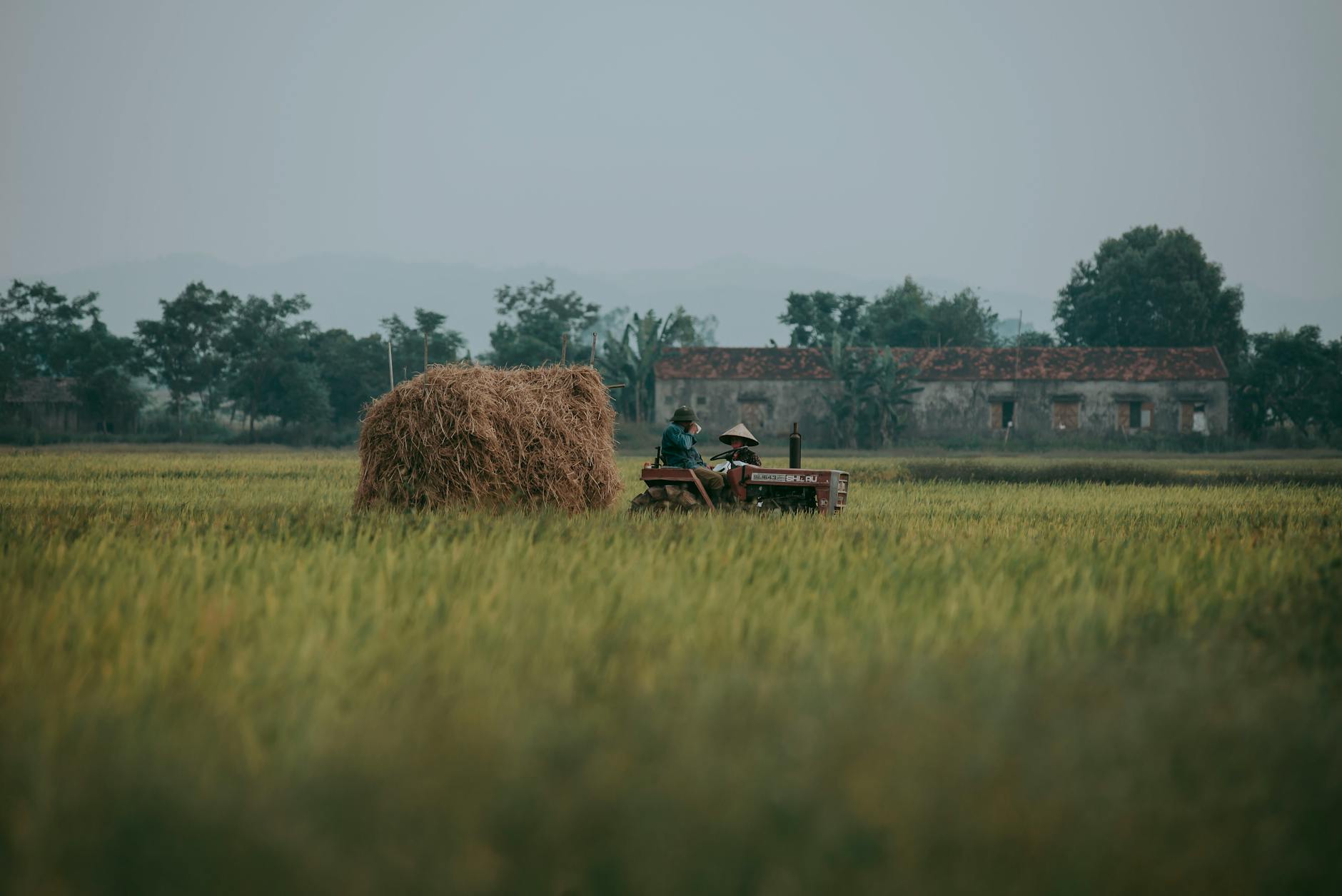
Minimum 2 (private or pair). Maximum 8 (small group). Larger groups get chaotic and disrupt the family's day. We keep groups intentionally small so you get real attention and time with the hosts. --- Ask about dates on WhatsApp
Ask about dates
Tell us the city, your dates and what you would like to try. We reply on WhatsApp in English with options and availability.
FAQ
Will I get food poisoning from eating farm-prepared food?
Cáo Experiences hosts use clean water, wash produce, and cook hot foods to safe temperatures. No traveler has reported illness related to a countryside day. If you have severe gastrointestinal history, eat a light breakfast beforehand and bring antacids. Tell us about past issues.
Can I do a countryside day if I'm vegetarian or vegan?
Yes. We adapt every day for dietary needs. You'll learn to cook vegetable dishes, soups, and plant-based preparations. Fish sauce and meat are used in some family kitchens; we'll prep your portions separately if needed.
How far is the farm from the city, and can I use public transport?
Farms are 20–60 minutes away by car or motorbike, depending on location. We arrange pick-up and drop-off from your hotel. Public transport to farms is slow and unreliable; the included transport is part of the experience design.
Is it okay to bring kids aged 4–6?
Kids aged 6+ thrive on countryside days. Ages 4–5 find it harder to concentrate for 4+ hours and may get frustrated if they can't do certain tasks. We can run a shorter 2–3 hour session for young kids; [family experiences](/family-experiences) are designed for mixed ages.
What if it rains the day of my session?
We reschedule at no extra cost. If rescheduling isn't possible (you're leaving town), we adapt to indoor activities: rice-paper rolling, herb-paste making, weaving, or visiting a craft workshop instead. You'll still get a full day.
Do I need to speak Vietnamese?
No. We provide an English-speaking host or guide. You'll hear Vietnamese spoken in the family, and many hosts enjoy teaching you a few phrases (hello, thank you, delicious). No fluency required.
Can I combine a countryside day with other experiences?
Yes. Many travelers do a countryside day in the morning and a [street food tour](/street-food-tour) or [coffee workshop](/coffee-workshop) in the afternoon. Others combine a farm day with [flower arranging](/flower-arranging) or [art classes](/art-classes). We can coordinate dates; ask us on WhatsApp.
How many people are in a group?
Minimum 2 (private or pair). Maximum 8 (small group). Larger groups get chaotic and disrupt the family's day. We keep groups intentionally small so you get real attention and time with the hosts. --- [💬 Ask about dates on WhatsApp](https://wa.me/84338762340)
More like this
Farm and countryside days
Fishing Experience Vietnam for Japanese Travelers: Where to Go & What to Expect
Vietnam's waterways offer Japanese travelers a chance to learn traditional fishing methods directly from locals. Cáo Experiences runs half- and full-day sessions on rivers, lakes and the Mekong Delta where you cast nets, set traps, and cook your catch.
Farm and countryside days
Fishing Experience Vietnam for Foreigners: Hands-On Guide
Fishing in Vietnam isn't a spectator sport—you'll wade into rivers, cast nets, trap fish in baskets, and cook your catch for lunch. We run small-group and private fishing days in the countryside outside Hanoi, Ha Noi region, and the Mekong Delta.
Farm and countryside days
Fishing Experience in Vietnam: 8 Questions to Ask Before You Go
Fishing in Vietnam means wading through rice paddies, learning trap techniques, or casting in rivers with local guides. Here's what to ask before you book.