
Home › Blog › Farm and countryside days
Countryside day trip Vietnam solo travelers: where to go
By the Cáo Experiences team · 2026-11-06
A countryside day trip in Vietnam for solo travelers typically spans 5–7 hours by road from Hanoi, Ho Chi Minh City, or Hoi An, mixing transport, guided walking or riding, and a meal you help prepare. The best regions are the northern Red River Delta foothills (accessible from Hanoi), the Mekong Delta near Saigon, and the coastal foothills around Da Lat. Solo travelers join small group sessions or book private guides through Cáo Experiences; costs vary by activity and distance, so ask us for dates and a quote on WhatsApp. Most days include a family kitchen visit, farm work, water buffalo watching, or short horse rides. Avoid peak midday heat (11 a.m.–3 p.m.) and book in the dry season (October–April). Wear sturdy shoes, carry water, and tell your hotel where you're going.
A solo countryside trip in Vietnam isn't a standard tour. You're not checking boxes at temples or queuing for photos. Instead, you sit in a family kitchen in a lane off the old quarter, chopping herbs alongside someone's grandmother, asking real questions about rural life between tasks. You watch water buffalo move through flooded paddies at their own pace. You ride a horse through pine forest you didn't know existed 30 kilometers from your hotel. You eat lunch on a wooden bench in the shade, tasting something you cooked yourself.
We've hosted hundreds of solo travelers who came to Vietnam for the cities and stayed for these half-days in the countryside. The pattern is always the same: relief, curiosity, then a kind of quiet that only happens when you stop moving between landmarks.
Here's what actually happens, and how to plan one that fits you.
What makes a countryside day safe and real for solo travelers?
Solo travel in rural Vietnam carries real risks if you move alone without context. Language gaps, unfamiliar roads, and heat exhaustion are genuine. A guided small-group session or private host removes those without removing authenticity. You're still learning from local people in their own spaces—a family farm, a coffee forest, a flower plot—but with someone translating, watching the time, and knowing the safe roads. We coordinate everything by WhatsApp before you arrive, so there are no surprises on the day. Most solo travelers report they'd never have found these places or felt confident entering them alone. That's the real value.
Where do solo travelers actually go from each city?
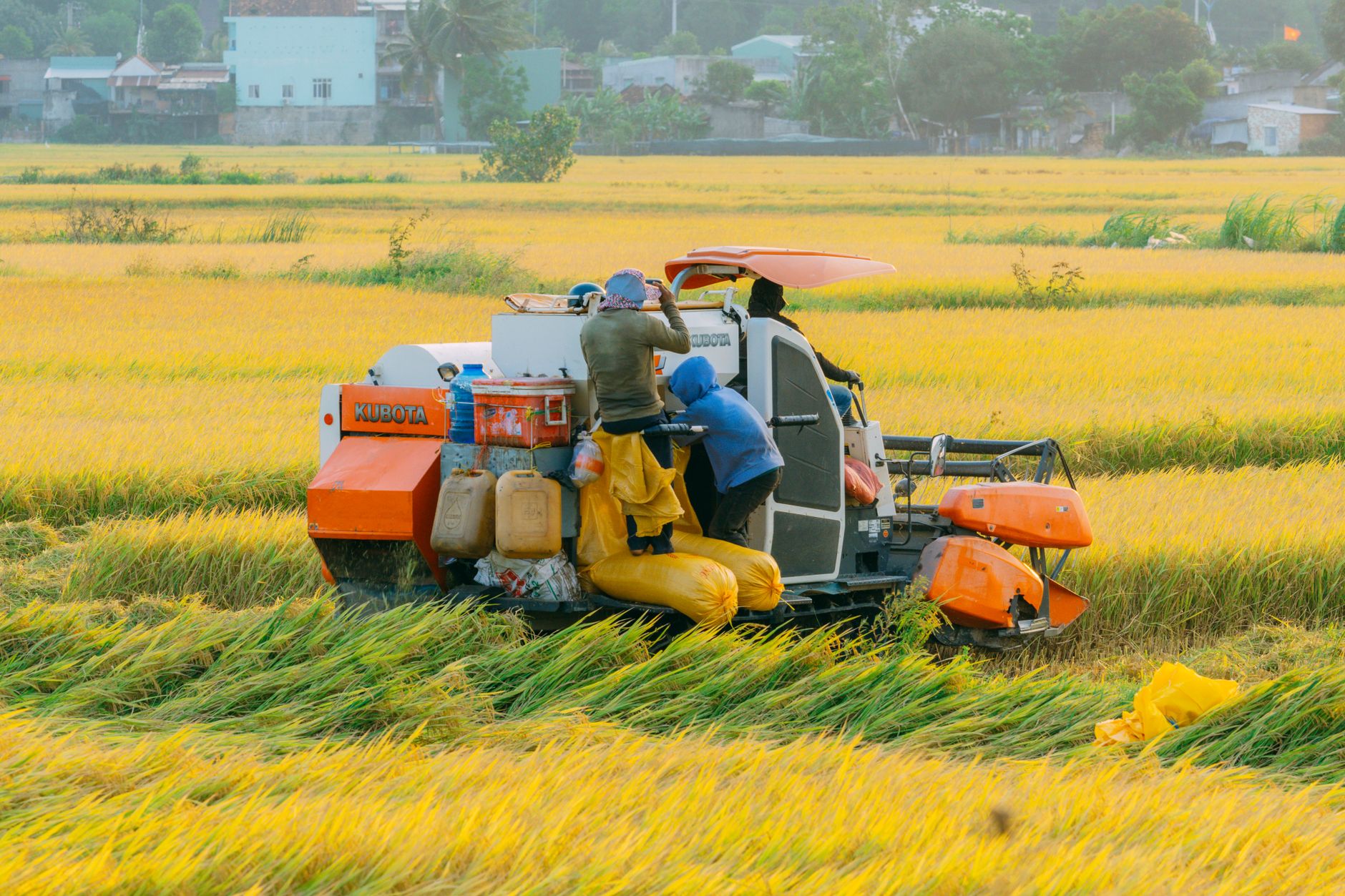
From Hanoi: The northern foothills hold small villages where families still hand-harvest rice, keep water buffalo, and dry tea on rooftops. A 90-minute drive north or west puts you in a landscape that looks nothing like the city—mountains, streams, terraced plots. Farm and countryside experiences here often include a morning in the fields, lunch cooked together, and time to sit and talk without a schedule pressing.
From Ho Chi Minh City: The Mekong Delta begins close by. A 60–90 minute journey gets you to family orchards, fish farms, or coconut groves where you can help harvest, cook, and eat on a boat or porch overlooking water. The delta moves slower than the city; that's the whole point.
From Hoi An and Da Nang: The inland hills toward Da Lat region hold coffee farms, vegetable gardens, and small family homesteads. The roads are scenic and short (45–75 minutes), and the air cools as you climb.
From Da Lat: Mountain villages, flower farms, and tea plots surround the town. Sessions here are gentler; the altitude suits travelers who find lowland heat exhausting.
The choice depends on your energy, time, and what you want to learn. Ask us for dates and a quote on WhatsApp to match your city and interests.
How do solo travelers actually spend the hours?
A typical day runs like this:
7:00 a.m.: You meet your guide at an agreed point (usually your hotel lobby or a central café). A private car or minibus picks you up. Coffee and a light snack happen in transit if the drive is long.
8:30–9:00 a.m.: Arrival at a family kitchen, farm, or workshop. A brief walk around the property shows you the space—where water comes from, what grows, how the day works. Your guide introduces you to the host family in their language; you shake hands, and someone offers tea or water.
9:00 a.m.–12:30 p.m.: Hands-on work. You might shuck beans, pound spices, knead dough, feed animals, or pick vegetables. The work is real—not theater—but paced to your fitness and comfort. Children on the farm might watch curiously. Your guide translates questions and stories. This is where solo travelers report the deepest connection: you're not being served; you're participating.
12:30–2:00 p.m.: Lunch. You cook together, or the host family cooks what you picked or prepared. You eat sitting together, often on low stools or a long bench. This meal tastes different from restaurants because you know exactly where each ingredient came from and whose hands touched it. Conversation flows around eating, not from a script.
2:00–4:00 p.m.: Optional second activity—a walk, a short horse riding experience through nearby paths, sitting with a tea experience on the porch, or helping with an afternoon chore. Many solo travelers choose this time to journal, photograph, or just sit and let the morning settle.
4:00 p.m.: Return journey to your accommodation.
Timing shifts based on season, farm rhythms, and what you book. Some travelers do a Vietnamese cooking class in a kitchen (smaller, more focused on recipes). Others choose flower arranging workshop work in a home garden. The structure is always: arrival, explanation, hands-on participation, a shared meal, then reflection time.
What do solo travelers actually worry about and how do we adapt?
"I'm vegetarian / allergic to seafood / vegan." Tell us before you book, and we brief the host family. They adapt the menu; rural kitchens are used to this because many Vietnamese people observe vegetarian days or have genuine allergies. Lunch is never a problem. Breakfast and snacks, tell us.
"I get tired in the heat." We start early, choose farms with shade, and build in rest time. You're not hiking or doing heavy labor for hours. Physical work is gentle and mixed with sitting. If you're over 60 or recovering from illness, say so; we adjust pacing and suggest activities like tea experiences or light flower arranging workshop over heavier farm work.
"I don't speak Vietnamese and I'm nervous about communication." Your guide speaks English and Vietnamese. They translate everything that matters. You'll also hear a lot of laughter and kindness that don't need translation. Solo travelers often report they felt understood by the host family without many words.
"What if the weather is bad?" We check forecasts and reschedule if heavy rain is coming. Light rain usually means we proceed—farm work happens in rain—but your guide will let you know the day before. We provide a poncho or umbrella. If a session is cancelled for weather, you're offered another date.
"Is it actually okay to do this alone?" Yes. Small groups (typically 3–6 people) or private bookings both work. Many solo travelers love the small-group format because you meet other travelers (often from other countries) over the shared meal, and the guide handles logistics. Private sessions suit those who want to move at their own pace or have a very specific interest.
"What if I'm not fit?" Farm and countryside activities here suit most fitness levels. Walking is gentle. Picking vegetables isn't strenuous. Coffee workshops or flower arranging workshop sessions require no physical fitness. Tell us your fitness level, and we match you to the right experience.

Solo travelers: a simple decision framework
| You want | Best choice | Duration | Why it fits solo travel |
|---|---|---|---|
| Hands-on rural work + cooking | Farm and countryside experiences | 6–7 hours | Real work, group or private, shared meal builds connection |
| Cooking skill + social time | Vietnamese cooking class | 4–5 hours | Kitchen-based, focused, meet other travelers |
| Early mornings, local stories | Street food and market tour | 3–4 hours | Neighborhoods instead of countryside; better for city bases |
| Quiet, reflective, nature-based | Horse riding experience or tea experience | 3–5 hours | Smaller groups, peaceful setting, minimal chatter required |
| Skills + longer immersion | Craft workshops or flower arranging workshop | 4–6 hours | Learn something tangible, work at your own pace |
| City + countryside mix | Combine Vietnamese cooking class with countryside morning | 1 day | Explore both in one visit |
Choose based on energy, time, and what you actually want to take home—a recipe, a skill, a story, or a quiet morning.
How to book and what to check before your day
Booking steps:
- Message us on WhatsApp with your city, dates, and activity interest.
- We suggest available dates and ask about dietary needs, fitness, language comfort, and group vs. private.
- We send a WhatsApp itinerary with pickup time, what to bring, and host family details.
- You confirm, and we handle the rest.
What to bring and wear:
- Sturdy shoes that can get muddy or wet; never flip-flops.
- Sun hat and sunscreen.
- 1.5–2 liters of water.
- Mosquito repellent (especially in Mekong Delta).
- A light layer (farms can be cool in early morning).
- Small backpack or crossbody bag.
- Phone fully charged (for photos and WhatsApp contact with your guide).
What to check before you go:
- Forecast the night before and confirm with your guide if weather is uncertain.
- Tell your hotel the address and phone number of the farm or workshop (your guide provides this).
- Eat a light breakfast; you'll eat a real lunch.
- Be ready 10 minutes early; guides are punctual.
- Bring cash (small bills) if the family runs a small shop and you want to buy tea or a snack to take home—most accept it, but ask your guide.
When is the best time to go?
Dry season (October–April) is safest: roads are clear, heat is manageable, and farm work is active. Wet season (May–September) is quieter but muddy and humid; guides still run sessions, but some roads are slower. Avoid midday heat (11 a.m.–3 p.m.) unless you're booking a coffee workshop in a forest (naturally cool) or tea experience (usually seated). Early morning departures suit solo travelers because you have energy, the light is beautiful for photos, and you're back at your hotel by early evening to rest or explore.

FAQ
Can I do a countryside day trip if I've never cooked or ridden a horse before?
Yes. Every session is designed for beginners. Your guide explains each step, and the host family or instructor expects that you're learning. No one is graded. You'll feel capable by the end because the work is real and achievable.
What if I want to go alone without a group?
We offer private sessions. You book a guide and a family or workshop just for your day. Cost differs from group sessions; ask us for a quote on WhatsApp. Many solo travelers prefer private for flexibility and deeper conversations.
How far from the city are these experiences?
Usually 45–120 minutes by car, depending on your base city and the specific farm or workshop. We minimize long drives so you have maximum time in the countryside. Your guide drives; you relax.
Is it safe to travel as a solo woman?
Yes. Rural areas in Vietnam are generally safe. Your guide is always present. Host families are used to welcoming travelers. Use standard safety practices: tell someone where you're going, keep your phone charged, and trust your instincts. We've hosted many solo female travelers with no issues.
Can I combine a countryside day with other activities (like a city cooking class or market tour)?
Absolutely. Combine a Vietnamese cooking class in a kitchen the first day with a farm and countryside experiences the next morning, or add a street food and market tour in your city before heading out. We coordinate across experiences; ask us about multi-day itineraries on WhatsApp.
What's the weather like, and what do I wear?
In dry season (Oct–Apr), expect cool mornings (14–18°C) and warm afternoons (22–28°C). Wear layers and sturdy shoes. In wet season, it's humid and hot (28–35°C) with afternoon rain. Bring a light, quick-dry layer and a poncho. Your guide sends a packing list after you book.
Can I take photos and share them on social media?
Yes. Ask the host family first—most are happy. Some may ask you not to photograph their home interior for privacy. Your guide will help you navigate this politely. Solo travelers often take beautiful photos; it's part of the memory.
What if I get sick during the experience?
Tell your guide immediately. They know the nearest clinic and can take you there. We carry basic first aid. For minor issues (minor stomach trouble, mild headache), the host family usually has remedies. Hydrate constantly; that prevents most problems.
Ask about dates
Tell us the city, your dates and what you would like to try. We reply on WhatsApp in English with options and availability.
FAQ
Can I do a countryside day trip if I've never cooked or ridden a horse before?
Yes. Every session is designed for beginners. Your guide explains each step, and the host family or instructor expects that you're learning. No one is graded. You'll feel capable by the end because the work is real and achievable.
What if I want to go alone without a group?
We offer private sessions. You book a guide and a family or workshop just for your day. Cost differs from group sessions; ask us for a quote on WhatsApp. Many solo travelers prefer private for flexibility and deeper conversations.
How far from the city are these experiences?
Usually 45–120 minutes by car, depending on your base city and the specific farm or workshop. We minimize long drives so you have maximum time in the countryside. Your guide drives; you relax.
Is it safe to travel as a solo woman?
Yes. Rural areas in Vietnam are generally safe. Your guide is always present. Host families are used to welcoming travelers. Use standard safety practices: tell someone where you're going, keep your phone charged, and trust your instincts. We've hosted many solo female travelers with no issues.
Can I combine a countryside day with other activities (like a city cooking class or market tour)?
Absolutely. Combine a [Vietnamese cooking class](/cooking-class) in a kitchen the first day with a [farm and countryside experiences](/farm-experience) the next morning, or add a [street food and market tour](/street-food-tour) in your city before heading out. We coordinate across experiences; ask us about multi-day itineraries on WhatsApp.
What's the weather like, and what do I wear?
In dry season (Oct–Apr), expect cool mornings (14–18°C) and warm afternoons (22–28°C). Wear layers and sturdy shoes. In wet season, it's humid and hot (28–35°C) with afternoon rain. Bring a light, quick-dry layer and a poncho. Your guide sends a packing list after you book.
Can I take photos and share them on social media?
Yes. Ask the host family first—most are happy. Some may ask you not to photograph their home interior for privacy. Your guide will help you navigate this politely. Solo travelers often take beautiful photos; it's part of the memory.
What if I get sick during the experience?
Tell your guide immediately. They know the nearest clinic and can take you there. We carry basic first aid. For minor issues (minor stomach trouble, mild headache), the host family usually has remedies. Hydrate constantly; that prevents most problems.
More like this
Farm and countryside days
Fishing Experience Vietnam for Japanese Travelers: Where to Go & What to Expect
Vietnam's waterways offer Japanese travelers a chance to learn traditional fishing methods directly from locals. Cáo Experiences runs half- and full-day sessions on rivers, lakes and the Mekong Delta where you cast nets, set traps, and cook your catch.
Farm and countryside days
Fishing Experience Vietnam for Foreigners: Hands-On Guide
Fishing in Vietnam isn't a spectator sport—you'll wade into rivers, cast nets, trap fish in baskets, and cook your catch for lunch. We run small-group and private fishing days in the countryside outside Hanoi, Ha Noi region, and the Mekong Delta.
Farm and countryside days
Fishing Experience in Vietnam: 8 Questions to Ask Before You Go
Fishing in Vietnam means wading through rice paddies, learning trap techniques, or casting in rivers with local guides. Here's what to ask before you book.