
Home › Blog › Craft workshops
Craft Workshop in Da Nang for Foreigners: What to Choose
By the Cáo Experiences team · 2026-11-06
Cáo Experiences runs craft workshops in Da Nang for foreigners in a working artist's studio space in the old quarter. Sessions run 3–4 hours, usually mornings or afternoons, with 2–8 guests per class. You'll learn a traditional Vietnamese craft hands-on—silk painting, ceramic hand-building, wood block printing, or lacquer techniques—guided by a craftsperson who speaks English. The cost varies by craft and group size; ask us for dates and a quote on WhatsApp. No skill or art background needed. Wear clothes you don't mind getting dusty or marked. Most workshops include materials, tools, and your finished piece to take home. Rain doesn't cancel us; we work indoors. We adapt for kids (ages 8+), seniors, and mixed groups—pacing and complexity shift but the core experience stays the same.
Da Nang's craft scene sits at the edge of Vietnam's design revival. If you're exploring the city between beach days, a hands-on session teaches you more about local techniques than any tour can. We've learned what works: small numbers, real craftspeople, and zero pressure to produce gallery-worthy work.
Why pick a craft workshop over a cooking class or coffee session?
A craft workshop lets you slow down and make something physical—a piece you'll actually keep or gift. Unlike Vietnamese cooking classes, which focus on food you eat the same day, a craft gives you weeks of tactile memory. You're not learning recipes; you're learning how craftspeople think. Cooking feeds your body in the moment; a craft feeds your brain and your shelf. If you're the type who remembers a trip by what you made, not what you ate, this is your session. You leave with a tangible skill and an object tied to a specific afternoon in Da Nang.

What crafts do we actually run, and which suits you?
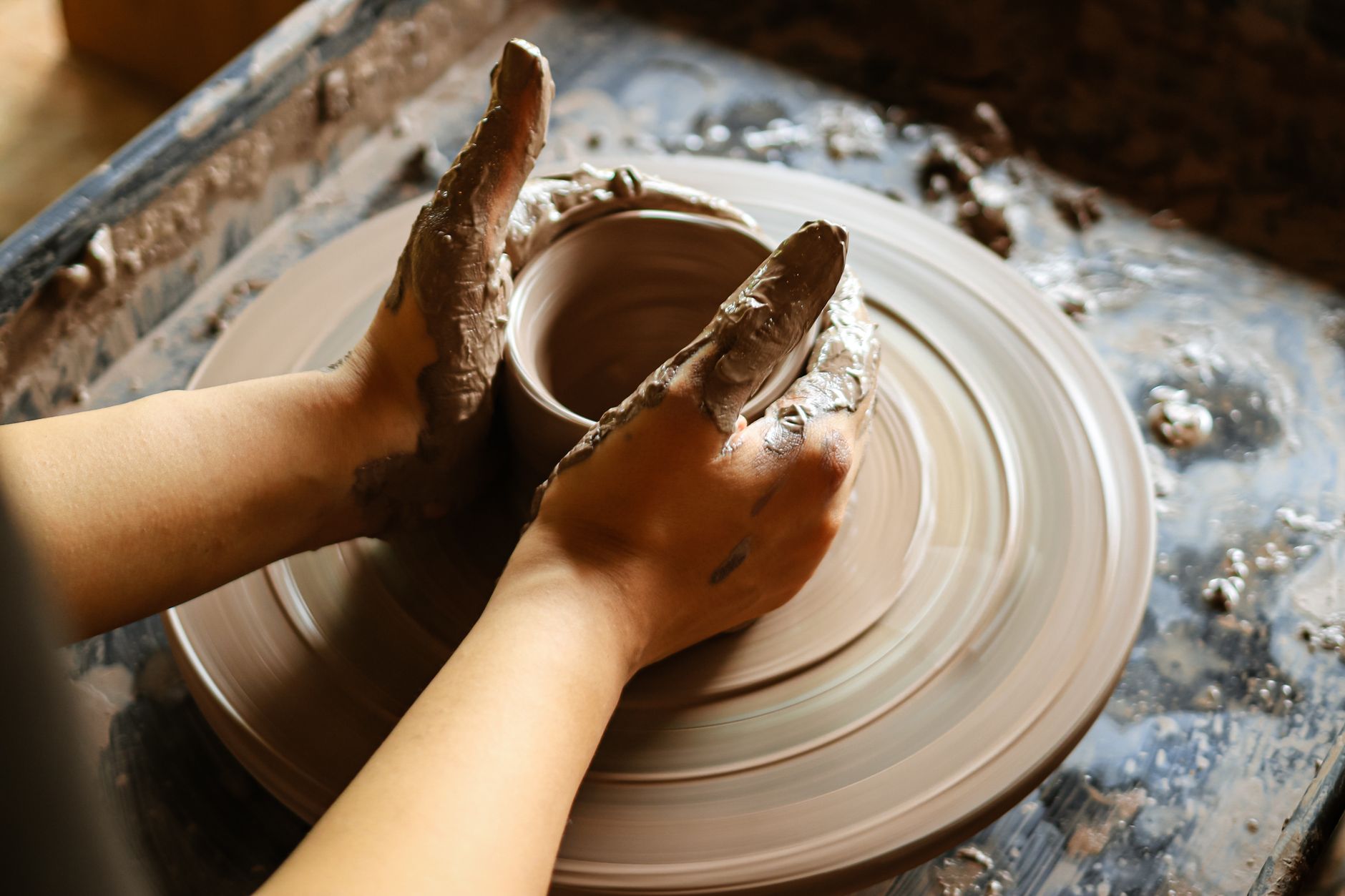
We rotate between silk painting (brush control, pigment mixing, traditional motifs), hand-built ceramics (centering clay, forming bowls or vessels), wood block carving (linework, pressure, printing), and lacquer basics (layering, buffing, inlay). Silk painting suits people who like detail and color; it's meditative and produces a framed piece in one session. Ceramics is messier and more physical—better for guests who want to feel the material. Wood block carving appeals to designers and graphic-minded travelers; you'll understand printmaking from first principles. Lacquer is the slowest craft; one layer takes hours to set, so you'll learn the concept and leave with a primed piece. Each workshop runs independently; you pick the craft when you book. Kids ages 8–12 do silk painting and simple ceramics best. Seniors enjoy silk painting and wood carving; we can adapt posture and pacing. Couples often book ceramics together—it's collaborative without being awkward.
How does a 3-hour session actually run, hour by hour?
Hour 1: You arrive at a studio lane off the old quarter's main streets—a space shared by local makers. The host briefs you on the craft's history in Vietnam (5 min), then shows you the right way to hold a brush, cut a block, center clay, or apply lacquer (15 min). You'll see a finished example and a work-in-progress so you understand the finish line. Then you prep your materials together—stretching silk on a frame, wedging clay, or sketching your design on a block (20 min). The host is watching hands and posture, not the clock.
Hour 2: You begin. The host works beside you, adjusting grip, showing you pressure, catching mistakes before they become frustrations. You're not alone with a blank canvas; you're in a dialogue. If you freeze up—"I can't draw"—the host guides you through a simple design step-by-step. If you're loose and experimental, they let you go. This is the heart: real time with a skilled maker.
Hour 3: You push toward finish. Some pieces come together fast; others need refining. If a ceramic bowl cracks slightly, we talk about how to honor it rather than scrap it. You photograph your work, the host might seal or frame it if needed, and you pack it for travel. We wrap finished pieces carefully so they survive baggage.
Throughout, we speak English, we translate technique names, and we explain why Vietnam chose these materials and methods. No rush. No performance.
What do you actually take home, and how does it travel?
Your finished piece comes wrapped—silk paintings in kraft paper and plastic, ceramics in bubble wrap, wood blocks in tissue. Small pieces fit in a daypack; larger ones go in luggage. Silk and wood are sturdy. Ceramics are less fragile than you'd think, but pack it at the center of your bag, not against an edge. If you want to ship something home, we can advise on local courier options, though most people just pack their own work. We've had guests take framed silk paintings through four flights and report zero damage. One couple carried a ceramic bowl 3,000 km home; it arrived intact. The piece isn't precious because it's perfect; it's precious because you made it, and your hands learned something your brain will remember.
| Craft | Best for | Session length | Take-home | Difficulty |
|---|---|---|---|---|
| Silk painting | Detail lovers, first-timers, framing | 3 hours | Framed piece | Low |
| Hand ceramics | Tactile learners, couples | 3–4 hours | Ceramic vessel | Medium |
| Wood block carving | Designers, print enthusiasts | 3 hours | Carved block + prints | Medium |
| Lacquer basics | Patience, see-it-layer craft | 4 hours + drying | Primed or 1-layer piece | Medium–High |
How do we handle rain, allergies, kids, and other real-world stuff?
Rain never cancels a workshop—we're indoors in a studio. Humidity can slow lacquer drying, but we plan for that.
Allergies: If you have dust sensitivity, lacquer work isn't ideal; silk painting is safer. Ceramics produces clay dust, but we can wet the clay to minimize it. Carving generates fine wood particles; a damp cloth helps. Tell us what you're sensitive to when you book.
Kids: We run sessions for families and young people. Kids 8–10 do silk painting and simple ceramics under close guidance. Teenagers handle all four crafts. We give kids shorter timelines—a simplified design, or a smaller piece—so they finish without losing focus. Parents sit alongside or watch; we've had families where one parent joins in and the other photographs.
Seniors: We adapt posture. A tall stool for ceramics instead of standing at a wheel. Hand massage or a rest break between layers for lacquer. We've had guests aged 70+ complete all crafts with only pace adjustments. Your experience, not your age, shapes the session.
Dietary or mobility needs: Tell us. We can arrange short breaks, accessible studio entry, or simplified standing/sitting options.
What should you check before booking a craft workshop?
Studio access: Ask if the space has stairs, narrow doorways, or step-ups. Most old-quarter studios are compact.
Group size: Smaller is better if you're anxious—2–4 guests means more one-on-one. Larger groups (6–8) are fun for team-building but less intimate.
Your pace: Do you want to race through and finish, or linger and refine? Tell your host upfront. We adjust.
What you're wearing: Avoid anything you love; craft dust and pigment happen. Closed shoes are safer than sandals (clay and carving fragments). A smock or apron helps.
Backup plan: If the craft doesn't click after 30 min, we can pivot to a simpler version or a different technique. You won't be stuck with something miserable.
What happens to your piece: Will it be framed, fired, varnished? Ask before the session starts so you know what to expect.
Da Nang craft workshops work best for travelers who want to make a memory, not just see one. You're not an observer; you're a maker for an afternoon, learning something a book can't teach. Unlike street food tours where you taste and move on, a craft stays with you—your hands remember the work, your shelf remembers the object.
Why not combine a craft workshop with other Cáo experiences?
Many guests pair a craft session with art and culture classes to deepen their eye for Vietnamese aesthetics, or with tea experiences for a slow afternoon—tea in the morning, craft in the afternoon. Some book farm and countryside days earlier in their trip, then return to the city for a craft session to process what they've learned about rural Vietnam. Horse riding or flower arranging can frame your trip too—each craft tells a different part of Vietnam's making traditions.
If you're traveling with family, family-friendly experiences including crafts let kids and adults learn together at their own level. Group and corporate experiences can include a craft workshop as a team-building session—we've run sessions where 12 people arrive stressed and leave laughing, each with a piece they made.
See our craft workshops to browse what's available. See how a session runs to ask specific questions about your dates, group, or craft preference.

FAQ
Do I need to be artistic or have experience with a craft to join?
No. Most of our guests have never done the craft before. We teach technique step-by-step, and the host adapts to your pace and confidence. The goal is to learn and enjoy, not to produce professional work.
How much mess should I expect, and what should I wear?
Silk painting is the cleanest; ceramics and carving are dustier. Wear clothes you don't mind marking. A smock or apron is smart. Closed shoes help if clay or wood particles fall. Bring a hair tie if your hair is long.
Can I bring my kids or elderly relatives to a craft workshop?
Yes. Kids 8+ join silk painting and ceramics; teens handle all crafts. Seniors love silk painting and carving; we adjust posture and pacing. Tell us ages and any mobility needs when you book.
Will my finished piece survive international travel if I pack it myself?
Silk and wood travel well if wrapped. Ceramics are sturdy if packed at the bag's center, not edges. Larger or fragile pieces can be shipped via courier; we can advise. Most guests pack their own successfully.
What if the craft doesn't interest me once I start, or I'm not enjoying the session?
Tell your host immediately. We can simplify the design, switch to a faster version, or pivot to a different craft if the studio has time. Sessions are for your enjoyment, not our agenda.
How far in advance do I need to book, and are there fixed schedules?
We run sessions on flexible dates; ask us for availability. Booking 3–7 days ahead is ideal, but we can sometimes accommodate shorter notice. Ask for dates and a quote on WhatsApp to lock in your session.
Ask about dates
Tell us the city, your dates and what you would like to try. We reply on WhatsApp in English with options and availability.
FAQ
Do I need to be artistic or have experience with a craft to join?
No. Most of our guests have never done the craft before. We teach technique step-by-step, and the host adapts to your pace and confidence. The goal is to learn and enjoy, not to produce professional work.
How much mess should I expect, and what should I wear?
Silk painting is the cleanest; ceramics and carving are dustier. Wear clothes you don't mind marking. A smock or apron is smart. Closed shoes help if clay or wood particles fall. Bring a hair tie if your hair is long.
Can I bring my kids or elderly relatives to a craft workshop?
Yes. Kids 8+ join silk painting and ceramics; teens handle all crafts. Seniors love silk painting and carving; we adjust posture and pacing. Tell us ages and any mobility needs when you book.
Will my finished piece survive international travel if I pack it myself?
Silk and wood travel well if wrapped. Ceramics are sturdy if packed at the bag's center, not edges. Larger or fragile pieces can be shipped via courier; we can advise. Most guests pack their own successfully.
What if the craft doesn't interest me once I start, or I'm not enjoying the session?
Tell your host immediately. We can simplify the design, switch to a faster version, or pivot to a different craft if the studio has time. Sessions are for *your* enjoyment, not our agenda.
How far in advance do I need to book, and are there fixed schedules?
We run sessions on flexible dates; ask us for availability. Booking 3–7 days ahead is ideal, but we can sometimes accommodate shorter notice. Ask for dates and a quote on WhatsApp to lock in your session.
More like this
Craft workshops
Craft Workshop in Saigon: Small Group Classes for Beginners
Cáo Experiences runs small-group craft workshops across Saigon where you learn traditional and contemporary making in intimate studio and community spaces. Sessions suit absolute beginners, families, and skill-builders.
Craft workshops
Craft workshop in Saigon for couples: what to choose
Couples in Saigon have three main craft paths: ceramics in a family studio, natural-dye silk painting, or bamboo weaving. Each teaches differently and suits different moods.
Craft workshops
Craft Workshop in Hoi An: What to Expect Step by Step
A craft workshop in Hoi An with Cáo Experiences is a half or full-day session where you learn a traditional Vietnamese skill—lantern-making, silk painting, woodblock printing, or lacquerware—in a working studio or family workshop. You leave with a finished piece you made yourself.