
Home › Blog › Craft workshops
Craft Workshop in Da Nang: What to Expect Before You Go
By the Cáo Experiences team · 2026-11-06
A craft workshop with us in Da Nang is a 2–4 hour hands-on session where you learn a traditional Vietnamese technique from a practitioner in a working studio or family workshop space. Groups stay small (4–12 people) so everyone gets attention. You arrive, get a brief on materials and safety, then make something real — a woven piece, a ceramic bowl, a painted lacquer panel, or silk lantern. No experience needed; we adapt to absolute beginners and teach you the moves, not just the theory. Bring an open mind and clothes you don't mind getting dusty. Ask us for dates and a quote on WhatsApp.
A craft workshop in Da Nang isn't a quick souvenir-painting session — it's learning a skill in the space where locals actually practice it. You walk in as a visitor and leave with muscle memory, a finished object, and a clearer picture of how this craft stays alive in Vietnam.
What materials and tools will I actually use?
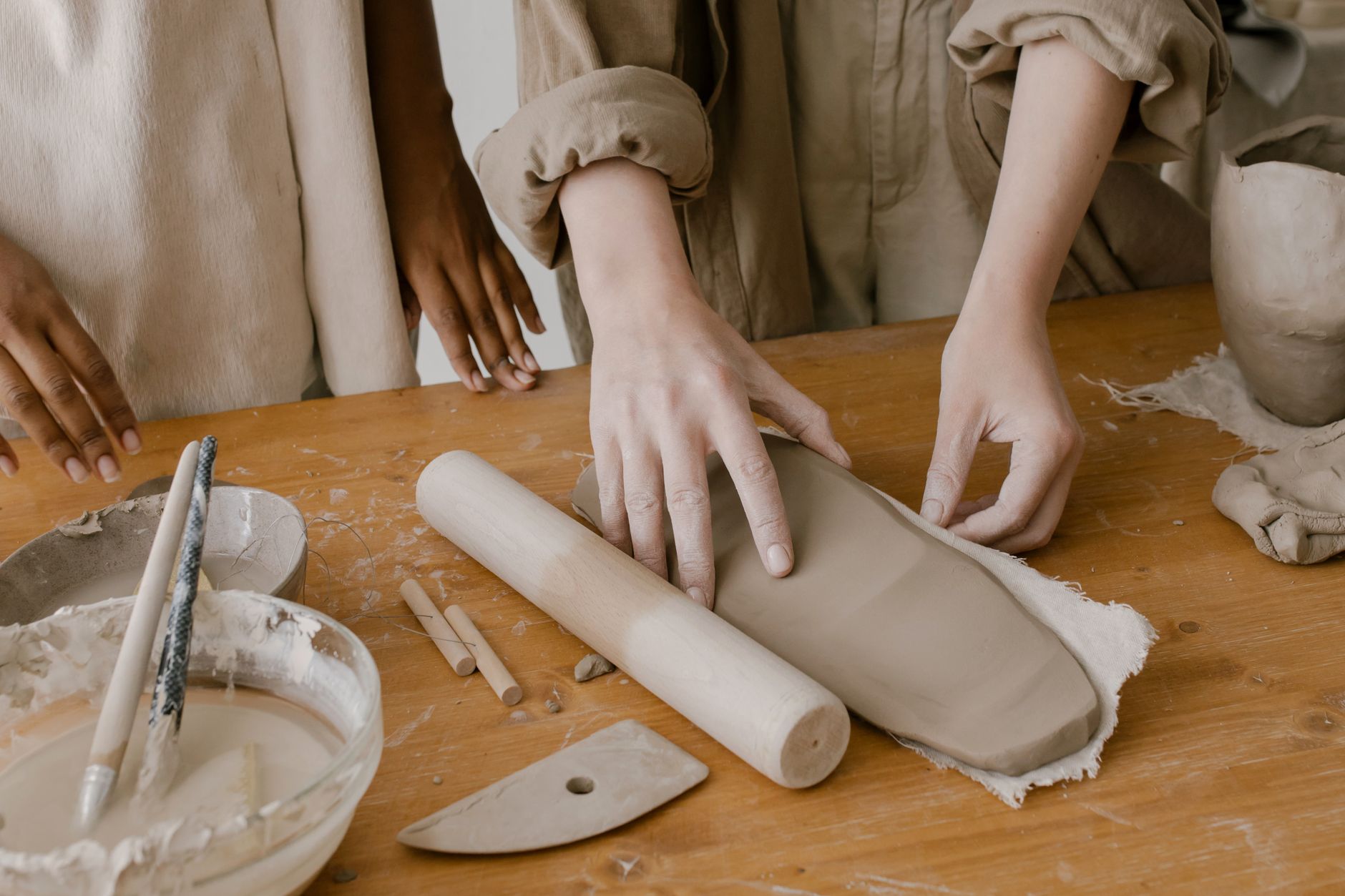
You'll work with whatever the craft demands. In a weaving session, that's cotton or silk thread, a simple loom or frame, and your hands learning the over-under rhythm. Ceramics means clay at the wheel or by hand, water to soften it, and maybe a tool or two. Lacquer work uses brushes, pigment, and resin on wood or paper — all food-safe, all the real stuff. We provide everything; you bring nothing except curiosity. The materials stay with you (your finished piece goes home), and the workspace is set up so you're not fumbling in the dark. Beginners often worry they'll "mess it up" — but the point is learning, not perfection, so mistakes teach faster than smooth success.

How long does a session run, and what's the structure?
Most sessions are 2–3 hours; some longer farm and countryside experiences run half-day. Here's a typical flow:
- First 10 minutes: arrival, tea or coffee, intro to the craft and why it matters
- 15 minutes: safety, materials, and a demo of the core technique
- 90–120 minutes: you make, we guide, you troubleshoot
- Final 15 minutes: finishing touches, photos, cleanup, you take your piece
We pace it so you're not watching a lecture — your hands are busy from minute 20 onward. If you finish early, you refine; if you're slower, we don't rush. Kids stay engaged because it's tactile; seniors appreciate the slow pace and the chance to chat with the maker.
Who teaches these workshops, and what can I trust about their skill?
You're learning from someone who does this craft daily — not a "facilitator" trained last month. We work with weavers in family workshops, ceramicists at their studios, and traditional lacquer painters who learned from their parents. They speak English enough to show and explain; if language matters for deep conversation, we brief them on your interests beforehand. They're generous with troubleshooting and happy when a visitor picks up the rhythm. Unlike a commercial craft class, there's no script — if you ask why a technique works, you get a real answer grounded in decades of practice, not a rehearsed talking point.
How do we adapt for kids, seniors, allergies, and rainy days?
Kids (6+): We simplify the technique, use softer or safer materials, and plan shorter focus bursts. A 10-year-old can weave or hand-model clay but might skip wheel work. We've built family experiences around this — bring a younger sibling and the workshop adjusts.
Seniors: Pace slows, chairs are proper, and we avoid standing-only work. Arthritis or mobility issues? We discuss beforehand and adapt the motion (hand-weaving vs. wheel, or support and positioning).
Allergies: Tell us on WhatsApp — dust from sanding, dyes, or resin fumes are the usual culprits. We can source hypoallergenic materials or choose a craft that skips them altogether.
Rain: Da Nang workshops are indoors. We don't cancel for weather. If your hotel is far, we've got covered pickup areas and timing that beats rush hour.
What should I wear, and what will I need to bring?
Wear clothes you don't mind getting dirty — clay dust, dye, or resin splash happen. Closed-toe shoes (standing and moving around). Leave valuable jewelry and watches at the hotel; a simple band is fine. Bring nothing — we have water, sometimes snacks, and all materials. Sunscreen and a hat are irrelevant indoors, but if your session ends late and you're heading elsewhere, pocket a light layer (workshop aircon can be cold).
What if I'm a complete beginner and worried I'll feel out of place?
Most guests have no craft experience. The maker has taught absolute beginners hundreds of times and knows where people get stuck (the grip, the tension, the timing). You won't be the slowest — last week a tourist and a retired engineer both took 90 minutes to center clay for the first time, and both loved it. If you're the only English speaker, that's fine; the rhythm of craft transcends language. If you're anxious, tell us on WhatsApp and we'll pair you with a session that has a smaller group or a craft that feels less "scary" (weaving feels more forgiving than ceramics to nervous hands).
Comparison Table: Which Craft Fits Your Style?
| Craft | Time | Mess Level | Beginner-Friendly | Takes Home | Best For |
|---|---|---|---|---|---|
| Weaving | 2–2.5h | Minimal | Very | Finished textile | Hands-on patience, meditation |
| Hand ceramics | 2–3h | Moderate | Yes | Clay bowl or vessel | Tactile learners, focus |
| Wheel throwing | 2.5–3h | Moderate–High | Yes (steep curve) | Trimmed pot | Adventurous, athletic |
| Lacquer painting | 2–3h | Low | Very | Painted panel or box | Detail-oriented, precision lovers |
| Silk lantern | 2–2.5h | Minimal | Very | Decorative lantern | Families, visual makers |
What to check before you commit
- Group size: ask for current bookings so you know if it's you plus two others or a full group.
- Finished piece logistics: can it be mailed home if your luggage is full? (Most can; ask about packing and cost.)
- Timing: does it fit your itinerary without rushing? Cramming a 3-hour session before a 2 p.m. flight is stressful.
- Prior session: ask if there's a host blog post or photos from a recent session like yours — you'll see real output, not styled imagery.
- Weather and venue: confirm the workshop is indoors and air-conditioned or well-ventilated.
- Dietary needs: if lunch or a cooking tie-in is mentioned, tell us about allergies early.
If Da Nang's craft workshops appeal to you, you might also enjoy our flower arranging workshop, where you learn from a florist in the same hands-on style, or a street food and market tour that shows you how craft materials (spices, paste, tools) come to life in a market. For a deeper cultural immersion, art and culture classes often combine craft technique with the history behind it. First-time visitors sometimes pair a craft workshop with a Vietnamese coffee workshop in the morning and crafting in the afternoon — a full sensory day.
All craft workshops are run by Cáo Experiences. We coordinate everything on WhatsApp, so there's no phone tag and no surprises. If you're in Da Nang with a specific week in mind, contact us and we'll find the right session and date.

FAQ
Can I do a private workshop with just my partner or small group?
Yes. Private sessions run 3–4 people and cost more per person; ask us for a quote on WhatsApp and we'll match you with the right maker and date.
What if I've done ceramics before and want to advance, not repeat basics?
Tell us your skill level when you book. We'll brief the maker so they push you toward centering, trimming, or glazing rather than pinch pots.
Will my piece break if I travel with it, or should I mail it?
Depends on the craft. Weavings and lanterns travel fine in a carry-on. Ceramics risk cracking in checked luggage; we can arrange careful packing or you can request mail-shipping — ask about cost and timing.
How many people are usually in a session?
4–10, depending on the workshop layout and craft. Lacquer is often cozier (4–6); weaving can fit more. We tell you the headcount when you confirm.
Do I need to speak Vietnamese or does the maker speak English?
Our hosts speak English well enough to teach and joke. Deep conversations about philosophy or family history work better with a bit of patience and gestures, but the craft itself transcends language — you learn by watching and doing.
Is there a minimum age for kids?
Generally 6+. Younger kids can join family experiences with adapted crafts (clay, painting). Tell us the age and we'll suggest the best fit.
Ask about dates
Tell us the city, your dates and what you would like to try. We reply on WhatsApp in English with options and availability.
FAQ
Can I do a private workshop with just my partner or small group?
Yes. Private sessions run 3–4 people and cost more per person; ask us for a quote on WhatsApp and we'll match you with the right maker and date.
What if I've done ceramics before and want to advance, not repeat basics?
Tell us your skill level when you book. We'll brief the maker so they push you toward centering, trimming, or glazing rather than pinch pots.
Will my piece break if I travel with it, or should I mail it?
Depends on the craft. Weavings and lanterns travel fine in a carry-on. Ceramics risk cracking in checked luggage; we can arrange careful packing or you can request mail-shipping — ask about cost and timing.
How many people are usually in a session?
4–10, depending on the workshop layout and craft. Lacquer is often cozier (4–6); weaving can fit more. We tell you the headcount when you confirm.
Do I need to speak Vietnamese or does the maker speak English?
Our hosts speak English well enough to teach and joke. Deep conversations about philosophy or family history work better with a bit of patience and gestures, but the craft itself transcends language — you learn by watching and doing.
Is there a minimum age for kids?
Generally 6+. Younger kids can join [family experiences](/family-experiences) with adapted crafts (clay, painting). Tell us the age and we'll suggest the best fit.
More like this
Craft workshops
Craft Workshop in Saigon: Small Group Classes for Beginners
Cáo Experiences runs small-group craft workshops across Saigon where you learn traditional and contemporary making in intimate studio and community spaces. Sessions suit absolute beginners, families, and skill-builders.
Craft workshops
Craft workshop in Saigon for couples: what to choose
Couples in Saigon have three main craft paths: ceramics in a family studio, natural-dye silk painting, or bamboo weaving. Each teaches differently and suits different moods.
Craft workshops
Craft Workshop in Hoi An: What to Expect Step by Step
A craft workshop in Hoi An with Cáo Experiences is a half or full-day session where you learn a traditional Vietnamese skill—lantern-making, silk painting, woodblock printing, or lacquerware—in a working studio or family workshop. You leave with a finished piece you made yourself.