
Home › Blog › Craft workshops
Craft Workshop in Hanoi Small Group: Which Is Right for You?
By the Cáo Experiences team · 2026-11-06
A craft workshop in Hanoi small group through Cáo Experiences is a 3–4 hour hands-on session (typically 2–8 people) where you learn a traditional Vietnamese craft—silk painting, lacquer, wood carving, ceramics, indigo dyeing, or lantern-making—in a working artisan space or host's studio. Groups are kept deliberately small so instructors can adapt to your pace: absolute beginners learn the fundamentals and leave with a finished piece; experienced makers explore detail and technique. Sessions run in English, coordinated via WhatsApp, and suit solo travelers, couples, families (kids 6+), and colleague groups. The workshop includes materials, instruction, and your finished work. No prior skill needed. We adapt for left-handers, physical needs, and rain (moving indoors or rescheduling). Ask us for dates and a quote on WhatsApp to confirm what craft, group size, and timing fit your visit. Ask about dates on WhatsApp
What crafts can you actually learn in Hanoi small groups?
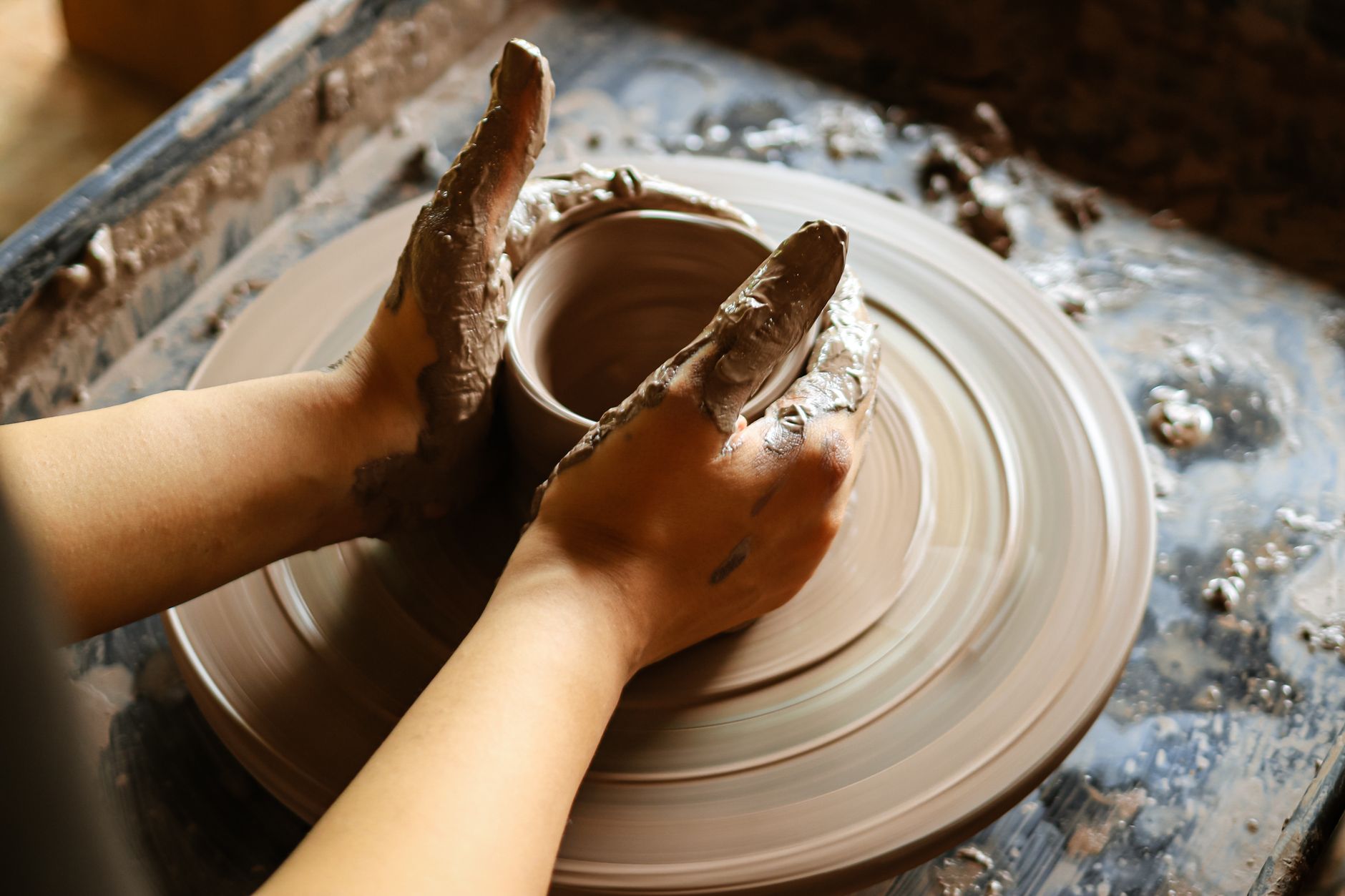
We host five main craft types, each in a different setting and suited to different interests. Silk painting happens in a studio near the old quarter where you mix natural pigments and work on stretched silk—meditative, forgiving for beginners, and your piece can be framed. Lacquerware workshops take place in a family workshop where you sand, paint, and layer resin on wooden blanks; it's messier and requires patience, but the finish is stunning. Wood carving studios teach relief carving on small blocks; sculptors and detail-lovers thrive here, though it demands steadier hands. Ceramic hand-building (coil, pinch, slab) happens on pottery wheels or at hand-building stations—tactile and playful for families. Indigo dyeing is done in a kitchen-garden setting where you tie, fold, and dip fabric in natural indigo vats; the reveal when you unfold your cloth is the hook. Lantern-making with rice paper and bamboo frames suits groups wanting to create something decorative together. Each craft teaches you a piece of Vietnamese heritage and leaves you with something real to take home or send as a gift.

How does a typical 3-hour session actually flow?
You arrive 15 minutes early to meet your instructor and the other guests (usually 3–6 people total). We start with tea or coffee and a brief walk-through: the instructor shows you the finished piece you're aiming for, explains the history and why this craft matters in Vietnam, and demonstrates the first technique in slow motion while you watch. Then you get your materials—cloth, pigments, wood, clay, whatever the craft is—and your hands go to work. The instructor circulates, adjusting grip, fixing smudges, answering questions. Midway through, we pause for a water break and a chance to step back and see what you've done so far. During the final hour, you refine detail, add finishing touches, and if needed, the instructor helps you sand, seal, or dry-set your work. We end by photographing everyone's pieces together, and you pack yours carefully to take away. Nobody feels rushed. If you're slow, we slow down. If you're flying through it, the instructor challenges you with a harder technique.
Who should choose which craft—a quick decision guide
| Craft | Best for | Why it works | What to know |
|---|---|---|---|
| Silk painting | Artistic beginners, people nervous about "messing up" | Forgiving medium; mistakes blur into style | Messier than it looks; wear clothes you don't mind staining |
| Lacquerware | Detail lovers, patience-havers, gift-givers | Layers build slowly; real wow factor at the end | Requires 2–3 days to fully cure at home; don't rush it |
| Wood carving | Sculptors, makers, people who like precision | Deeply meditative; you can really see your skill grow | Demands focus; harder on hands if you have arthritis |
| Hand-building ceramics | Families, kids 6+, people who love tactile work | Intuitive; no experience needed; playtime for adults | Clay is heavier than it looks; bring an extra bag if flying |
| Indigo dyeing | Color lovers, textile enthusiasts, group bonding | Collective energy; everyone's piece is one-of-one | Stains hands and nails (not permanent, fades in a week) |
| Lantern-making | Groups wanting instant decor, light-hearted makers | Fast results; beautiful; photo-ready immediately | Requires care packing; fragile until you get it home |
What do beginners worry about most—and how we handle it?
"I'm not artistic and I'll ruin it." You won't. Every piece in a small-group workshop is framed as your piece because you made it, not because it's museum-quality. The instructor's job is to teach technique, not judge your taste. Silk painting especially is forgiving: a wobbly line becomes a brushstroke. Wood carving, if you slip, becomes a texture. We've never had someone walk out unhappy with their work; we've had people surprise themselves.
"My hands aren't steady / I have arthritis / I'm too old." We adapt. Left-handers get left-handed tools without asking twice. People with shaky hands do ceramics (no precision needed) or silk painting (blur is okay). Seniors often prefer sitting-down crafts like lacquerware or hand-building. We bring adjustable tables, offer extra breaks, and never rush. Your comfort matters more than the clock.
"I'm with a group and we're all different skill levels." Ideal. One person's first time is another's refresh. The instructor watches everyone and gives each person a different challenge within the same craft. A beginner gets the basic technique; a maker gets invited to try a finer detail or mix their own pigment. Small groups mean nobody feels left behind.
"What if it rains?" Indoor workshops stay dry. Outdoor or semi-open spaces (like the indigo vat area) move inside or we reschedule—we've got covered studio space and we'll text you a new date before you arrive. Bring a light layer in case a studio is cool.
"I'm vegetarian / allergic / I have dietary needs." We include snacks and tea, and we ask about allergies on WhatsApp before you arrive. No surprises.

How small groups actually feel different from big classes
A small group—2 to 8 people—means your instructor knows your name by minute 20. They see if you're stuck and come over without you raising your hand. If you ask a question, everyone benefits from the answer, but you're not one of 30 people waiting your turn. Conversations happen: someone asks why indigo was historically important, the instructor tells a story, and suddenly the whole group cares more. At the end, you photograph everyone's work together and there's real pride in the room because you all made something.
Large classes (15–40 people, like at some of Hanoi's tourist craft halls) teach you the craft, but you're often waiting for a demo to finish or standing in line to get materials checked. We think small is the only way to actually learn—to have the instructor's attention when you need it. You pay a bit more per person, but the pace, the personalization, and the memory are worth it.
What to check before you book—our honest checklist
- Craft type: Read the descriptions above. Does it match your interests? Unsure? Message us and we'll suggest one based on what you love making or what mood you're in.
- Group size you're comfortable with: Do you want strangers or friends-only? We can do private groups (just your party) or open small groups (you meet new people). Both are real options.
- How much time you have: Can you do 3 hours or do you need 2? (Some crafts compress; others don't.) Mornings or afternoons? Weekdays tend to be quieter.
- What you're taking home: Some pieces (lanterns, small textiles) fit in a backpack. Ceramics and lacquerware need careful packing and time to cure. If you're flying, ask us about wrapping and whether your airline allows it.
- Physical comfort: Mention any mobility, hand, or sitting issues when you ask about dates. We'll pick a craft and studio that work for you.
- Group language: We host in English. Mixed-language groups are fine (the instructor code-switches), but if your group speaks only one language, tell us.
Ask us for dates and a quote on WhatsApp, and we'll confirm all of this.
How does this compare to other experiences you could do in Hanoi?
Craft workshops sit between two extremes: Vietnamese cooking classes (where you learn a life skill and eat immediately) and art and culture classes (where you study art history and maybe draw, but don't make something to keep). A craft workshop is the doing. You're also different from a street food and market tour (you watch and taste) or a flower arranging workshop (you arrange live blooms—beautiful but ephemeral; your craft piece lasts years). If you love hands-on learning but want something rooted in Vietnam's specific heritage—not just a tourist "make something" activity—small-group craft workshops are the thing.
Cáo Experiences runs all of these. If you're torn, we can suggest a pairing: say, a craft workshop on one day and a Vietnamese coffee workshop on another, or a craft morning and a farm and countryside experiences afternoon.
Real questions about booking and what happens next
See how a session runs
FAQ
Do I need any experience to join a craft workshop in Hanoi?
No. We teach absolute beginners and experienced makers in the same small group. The instructor adapts the pace and challenge for each person. You'll learn the fundamentals and walk out with a finished piece, regardless of your starting point.
What happens to my finished craft? Can I take it home?
Yes. You pack it yourself with our help. Some pieces (silk paintings, lacquer) are ready immediately. Ceramics and wood carvings may need light curing at home (we'll tell you how). If you're flying, we advise on packing and airline rules before you leave.
Can I book a private craft workshop just for my group?
Yes. Private workshops are available for groups of 2 or more. We'll coordinate dates and pick a craft that suits everyone's interests. Message us on WhatsApp to discuss group size and timing.
What if someone in my group is a kid or a senior?
Kids 6+ join regularly; we pick crafts with less precision demand (ceramics, indigo dyeing, lantern-making) and shorter sit-times. Seniors prefer seated crafts (lacquerware, silk painting, hand-building). We adapt tables, break timing, and pace. Tell us ages and mobility when you ask about dates.
How much does a craft workshop cost?
Ask us for dates and a quote on WhatsApp. Pricing depends on the craft, group size (open or private), and any materials you're taking home. We'll give you a clear number before you commit.
What if it rains the day of my workshop?
Most of our studios are indoors or covered. If we need to reschedule, we'll message you with new dates the day before. No workshops are cancelled due to rain; we just move the date.
Can I book a craft workshop together with another experience—like a cooking class or coffee workshop?
Absolutely. Many guests combine a morning craft workshop with an afternoon Vietnamese cooking class or vice versa. Message us and we'll build a day that flows well and coordinate both bookings.
What should I wear to a craft workshop?
Comfortable clothes you don't mind staining slightly. Indigo dyeing and lacquer painting can mark fabric. Closed-toe shoes are safer than sandals (less risk of splinters or spills). Bring a light layer in case the studio is cool.
Ask about dates
Tell us the city, your dates and what you would like to try. We reply on WhatsApp in English with options and availability.
FAQ
Do I need any experience to join a craft workshop in Hanoi?
No. We teach absolute beginners and experienced makers in the same small group. The instructor adapts the pace and challenge for each person. You'll learn the fundamentals and walk out with a finished piece, regardless of your starting point.
What happens to my finished craft? Can I take it home?
Yes. You pack it yourself with our help. Some pieces (silk paintings, lacquer) are ready immediately. Ceramics and wood carvings may need light curing at home (we'll tell you how). If you're flying, we advise on packing and airline rules before you leave.
Can I book a private craft workshop just for my group?
Yes. Private workshops are available for groups of 2 or more. We'll coordinate dates and pick a craft that suits everyone's interests. Message us on WhatsApp to discuss group size and timing.
What if someone in my group is a kid or a senior?
Kids 6+ join regularly; we pick crafts with less precision demand (ceramics, indigo dyeing, lantern-making) and shorter sit-times. Seniors prefer seated crafts (lacquerware, silk painting, hand-building). We adapt tables, break timing, and pace. Tell us ages and mobility when you ask about dates.
How much does a craft workshop cost?
Ask us for dates and a quote on WhatsApp. Pricing depends on the craft, group size (open or private), and any materials you're taking home. We'll give you a clear number before you commit.
What if it rains the day of my workshop?
Most of our studios are indoors or covered. If we need to reschedule, we'll message you with new dates the day before. No workshops are cancelled due to rain; we just move the date.
Can I book a craft workshop together with another experience—like a cooking class or coffee workshop?
Absolutely. Many guests combine a morning craft workshop with an afternoon [Vietnamese cooking class](/cooking-class) or vice versa. Message us and we'll build a day that flows well and coordinate both bookings.
What should I wear to a craft workshop?
Comfortable clothes you don't mind staining slightly. Indigo dyeing and lacquer painting can mark fabric. Closed-toe shoes are safer than sandals (less risk of splinters or spills). Bring a light layer in case the studio is cool.
More like this
Craft workshops
Craft Workshop in Saigon: Small Group Classes for Beginners
Cáo Experiences runs small-group craft workshops across Saigon where you learn traditional and contemporary making in intimate studio and community spaces. Sessions suit absolute beginners, families, and skill-builders.
Craft workshops
Craft workshop in Saigon for couples: what to choose
Couples in Saigon have three main craft paths: ceramics in a family studio, natural-dye silk painting, or bamboo weaving. Each teaches differently and suits different moods.
Craft workshops
Craft Workshop in Hoi An: What to Expect Step by Step
A craft workshop in Hoi An with Cáo Experiences is a half or full-day session where you learn a traditional Vietnamese skill—lantern-making, silk painting, woodblock printing, or lacquerware—in a working studio or family workshop. You leave with a finished piece you made yourself.