
Home › Blog › Craft workshops
Craft Workshop in Ho Chi Minh City for Tourists
By the Cáo Experiences team · 2026-11-06
A craft workshop in Ho Chi Minh City with Cáo Experiences is a 3–4 hour hands-on class where international visitors learn Vietnamese traditional crafts—lacquer painting, silk weaving, ceramic hand-throwing, or wood carving—from practicing artisans in their working studios. We host groups of 2–8 people in English, provide all materials, and guide you step-by-step from basics to a finished piece you take home. Sessions run most days; we arrange timing via WhatsApp. Unlike one-off tourist stops, you're actually making something real with someone who's spent years perfecting the craft. Beginners are our main audience—no prior skill needed.
What craft types can tourists actually learn in Saigon?
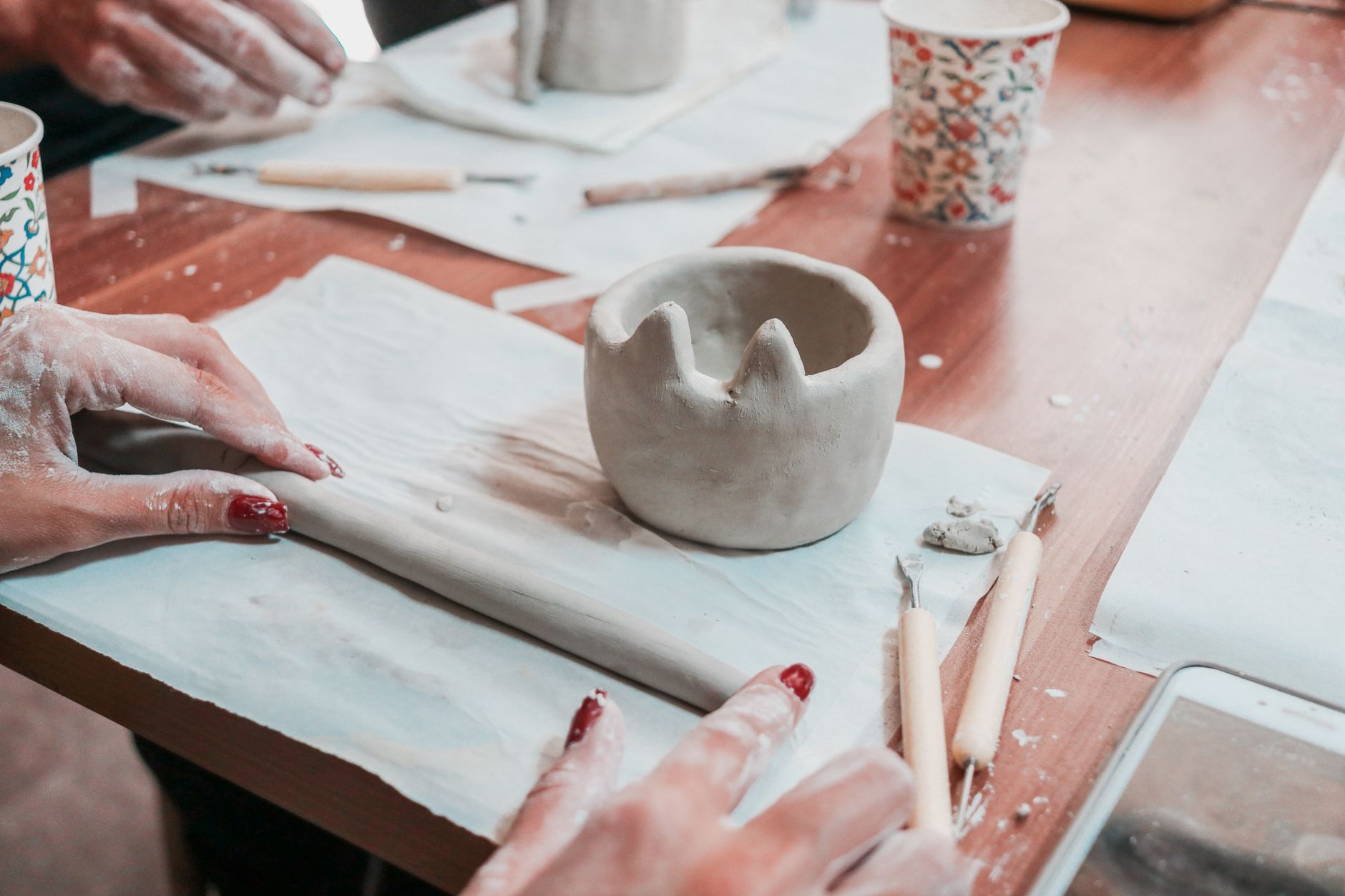
We offer craft workshops in four core traditions. Lacquer painting uses natural resins and pigments layered and polished to create depth and shine—you'll sketch, apply base coats, and add fine detail over 3 hours. Silk hand-weaving on a traditional wooden loom teaches tension and pattern-tying; you'll complete a small scarf or wall hanging. Ceramic hand-throwing on a wheel is the most physical—centering clay, opening the form, and finishing a bowl or cup; clay is then fired and shipped to you later. Wood carving covers relief techniques with chisels and mallets, creating wall panels or decorative pieces. Each craft happens in the artisan's actual studio, so you see how the space is organized, where materials come from, and how the work fits into daily production. We choose the craft based on what your group finds most appealing—no pressure to pick before you contact us.

How does a typical 3-hour session actually flow?
Hour 1: Introduction & prep. You arrive, meet the artisan (usually 1–2 people running the studio), and they explain the craft's history and their own practice—often 10–20 years in their tradition. You handle raw materials, see finished pieces, and ask questions. They demo the core technique slowly. Hour 2: First attempt. You work at your own pace on a practice piece or the real one, with the artisan nearby answering questions and adjusting your hand position. Most people feel awkward at first; the artisan expects that and normalizes mistakes. Hour 3: Refinement & finishing. You refine your piece, add details, and the artisan helps you troubleshoot. We wrap by discussing the finished work and discussing how you'll care for it (or when it'll be ready, in the case of fired ceramics). Tea and water are available throughout. The artisan often shares stories about their clients, local craft trends, and how tourism has changed their work. Total immersion: no rushing, no sales pitch.
Which craft is best for kids, couples, or seniors?
| Craft | Best for | Physical demand | Messiness | Time to result |
|---|---|---|---|---|
| Lacquer painting | All ages 6+; detail-focused | Low | Minimal | Immediate |
| Silk weaving | Couples; patient learners | Low–medium | None | 2–3 hours |
| Ceramic wheel | Teens & adults; strength OK | Medium–high | Moderate (clay dust) | Piece fired later (2–4 weeks) |
| Wood carving | Ages 10+; steady hands | Medium | Light (sawdust) | Immediate |
Kids (6–13): Lacquer painting or weaving hold focus best; wheel-throwing can frustrate younger kids if centering fails repeatedly, though older teens love the challenge. Seniors (65+): Lacquer and weaving suit lower-impact needs; we provide cushions and breaks. Wheel-throwing is fine if no joint issues; ask us about modifying grip. Couples: All crafts work; weaving is romantic (you often work on the same loom); wheel-throwing is intimate and funny when hands collide. Groups (6–8): Lacquer or carving scale easily; weaving and wheel are better in pairs or rotating turns.
What should you wear, bring, and prepare for?
Wear loose, washable clothes—clay and lacquer dust stick to fabric. Closed-toe shoes (studios have uneven floors and tools). No rings or long nails for wheel-throwing (they catch). Bring sunscreen and a hat if the studio has open sides; most are semi-open to air out fumes. Arrive 10 minutes early—traffic in Saigon is unpredictable, and we confirm the address via WhatsApp the day before. Tell us about allergies or injuries beforehand—if you have wrist pain, lacquer fume sensitivity, or clay contact allergy, we'll adapt the technique or choose a different craft. Expect to get a little dirty—that's part of the real experience. For wheel-throwing, your piece goes to a kiln after; we ship fired ceramics to a local address or hold for pickup (ask for our shipping options when you book).

What's the honest difference between a craft workshop and a tourist souvenir shop?
A souvenir shop sells pre-made lacquer boxes, silk scarves, and carved figurines made in factories or by artisans on a production timeline optimized for volume. A craft workshop is you, your hands, the raw material, and a person whose reputation rests on your learning something real. In a shop, you choose from existing designs. In a workshop, you create the design and the artisan guides you to finish it properly. The piece you walk out with is uniquely yours—shaped by your pressure, your color choices, your mistakes refined into character. It's slower, messier, and harder than buying a pretty box. That's the point. You leave with a story about how it was made, not just what it is. Many guests bring their pieces home and use them daily, or gift them with genuine weight because they can describe every step.
How do we adapt for rain, allergies, or skill gaps?
Rain: Most studios are semi-covered or indoors. We check the forecast and confirm the plan 24 hours ahead via WhatsApp. Wheel-throwing and weaving are unaffected; lacquer and carving might shift indoors or we suggest rescheduling if ventilation becomes unsafe. Allergies & sensitivities: Lacquer fume sensitivity is real—we offer mask-wearing or switch to silk weaving or carving. Clay dust affects asthma; we provide ventilation tips and can substitute. Nut or skin allergies to wood types are rare but manageable; tell us before booking. Skill anxiety: Nearly every guest says "I've never done this and my hands are clumsy." That's the norm. The artisan expects and teaches around it. There's no "failing" at a craft workshop—you're learning a 3-hour snippet of a 20-year discipline. Your hands will do things they've never done. That's the win.
What to check before you book
- Group size: 2–8 people works; larger groups can split into sessions.
- Craft choice: Pick one or ask us to suggest based on your interests.
- Duration: Confirm 3 or 4 hours fits your schedule.
- Mobility: Tell us about stairs, standing time, or lifting limits.
- Allergies or injuries: List any before we confirm dates.
- Piece take-home: Lacquer, silk, carving = same-day; ceramics = kiln-fired later (shipping discussed at booking).
- Cancellation: Ask us about our policy when you contact us.
Cáo Experiences also hosts Vietnamese cooking classes, flower arranging workshops, coffee workshops, and art and culture classes across Saigon. If you're building a multi-day itinerary, we can layer a craft session with a street food and market tour or a morning farm experience outside the city. Ask about combining experiences when you get in touch.
FAQ
Can I do a craft workshop if I have no artistic experience?
Yes—that's the majority of our guests. The artisan teaches the technique step-by-step; your job is to follow and ask questions. "Talent" doesn't matter; willingness to get a little messy does.
How long until I can take my piece home?
Lacquer, silk, and wood carving are finished same-day. Ceramic pieces go to a kiln after the session (2–4 weeks); we discuss shipping or local pickup when you book.
What if it's raining?
Most studios are covered or indoors. We check the forecast and confirm the plan 24 hours ahead via WhatsApp. Rain rarely cancels unless ventilation is unsafe.
How many people fit in one session?
2–8 people comfortably. Larger groups can do back-to-back or separate sessions. Couples and small families are most common.
Do I need to speak Vietnamese?
No. All sessions are English-hosted by Cáo Experiences. The artisan's English level varies, but we translate key moments and demonstrate as needed.
What should I wear?
Loose, washable clothes and closed-toe shoes. No rings or long nails for wheel-throwing. Expect to get a little clay or lacquer dust on you.
Ask about dates
Tell us the city, your dates and what you would like to try. We reply on WhatsApp in English with options and availability.
FAQ
Can I do a craft workshop if I have no artistic experience?
Yes—that's the majority of our guests. The artisan teaches the technique step-by-step; your job is to follow and ask questions. "Talent" doesn't matter; willingness to get a little messy does.
How long until I can take my piece home?
Lacquer, silk, and wood carving are finished same-day. Ceramic pieces go to a kiln after the session (2–4 weeks); we discuss shipping or local pickup when you book.
What if it's raining?
Most studios are covered or indoors. We check the forecast and confirm the plan 24 hours ahead via WhatsApp. Rain rarely cancels unless ventilation is unsafe.
How many people fit in one session?
2–8 people comfortably. Larger groups can do back-to-back or separate sessions. Couples and small families are most common.
Do I need to speak Vietnamese?
No. All sessions are English-hosted by Cáo Experiences. The artisan's English level varies, but we translate key moments and demonstrate as needed.
What should I wear?
Loose, washable clothes and closed-toe shoes. No rings or long nails for wheel-throwing. Expect to get a little clay or lacquer dust on you.
More like this
Craft workshops
Craft Workshop in Saigon: Small Group Classes for Beginners
Cáo Experiences runs small-group craft workshops across Saigon where you learn traditional and contemporary making in intimate studio and community spaces. Sessions suit absolute beginners, families, and skill-builders.
Craft workshops
Craft workshop in Saigon for couples: what to choose
Couples in Saigon have three main craft paths: ceramics in a family studio, natural-dye silk painting, or bamboo weaving. Each teaches differently and suits different moods.
Craft workshops
Craft Workshop in Hoi An: What to Expect Step by Step
A craft workshop in Hoi An with Cáo Experiences is a half or full-day session where you learn a traditional Vietnamese skill—lantern-making, silk painting, woodblock printing, or lacquerware—in a working studio or family workshop. You leave with a finished piece you made yourself.