
Home › Blog › Craft workshops
Craft Workshop in Vietnam for Families: A Beginner's Guide
By the Cáo Experiences team · 2026-11-06
A family craft workshop in Vietnam is a guided hands-on session—usually 2–3 hours—where parents and children (or multigenerational groups) learn a traditional or contemporary craft together in a small group or private setting. We run workshops in Hanoi, Ho Chi Minh City, Hoi An, Da Nang and Da Lat in family kitchens, studio spaces or countryside settings, teaching everything from silk painting and ceramic hand-building to lacquerware and embroidery basics. Each workshop includes all materials, English-speaking instruction tailored to mixed ages and abilities, and time to practice without pressure. We adapt for young kids (who may join shorter, simpler versions), seniors (we provide seating, larger tools, unhurried pacing) and mixed skill levels (no one leaves unsupported). Cáo Experiences coordinates everything via WhatsApp; ask us for available dates and a quote tailored to your group size and interests.
What kinds of crafts can families actually learn together?
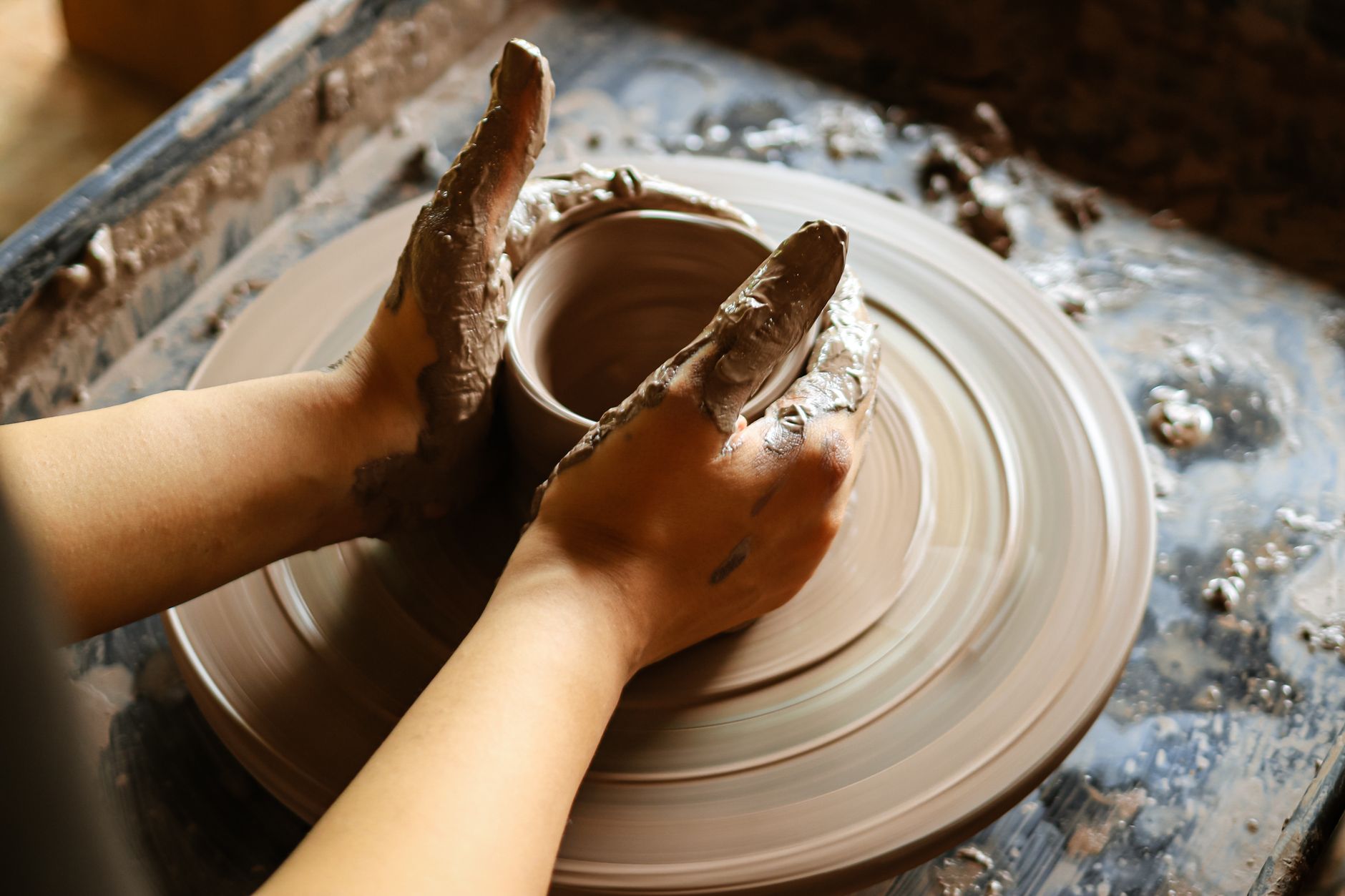
We don't run assembly-line projects. Each workshop teaches a real craft skill: silk screen printing on fabric, hand-thrown pottery on a wheel (kids 7+ with adult guidance), natural indigo dyeing of scarves, traditional woodblock carving, rice paper lantern making, or basket weaving. Families also love lacquer painting, where kids apply their own designs to small boxes or coasters under supervision. The rule is: the craft must be safe for ages 5–80, produce something tangible to take home, and teach something about Vietnamese or Southeast Asian tradition. Beginners never feel rushed. We've seen kids aged 8 and grandparents aged 75 work on the same pottery project and both leave proud.

How do we adapt for children who've never done this before?
Young kids worry they'll "mess up" or sit bored while adults finish. We split the session into three invisible phases. First (15 min): we show the craft hands-on—you watch the teacher, try one stroke, ask questions, no judgment. Second (45 min): you work at your own pace; the teacher circulates and tweaks technique, not the outcome. Third (15 min): we display all pieces together and talk about what worked, what surprised you, what you'd try next time. For kids under 6, we shorten sessions to 90 minutes max, use child-safe tools (soft clay instead of the wheel, thick brushes, non-toxic dyes), and pair them with a parent for one-on-one support. Siblings and cousins often fuel each other's confidence—we see them helping each other, which is the real point. We also run family experiences alongside other workshops so multi-generational trips feel natural.
What should families actually wear and bring?
Wear clothes you don't mind staining—dyes, clay, paint happen. Long sleeves help if you're doing indigo or lacquer work. Closed shoes if you're in a pottery studio (spinning wheels and foot pedals). Bring sunscreen if the workshop is outdoors in the countryside (some weaving and natural dye sessions happen in open sheds). We provide aprons, sleeves, and all tools. Bring water and a small snack if your group includes young kids (a 2–3 hour session is long for a 5-year-old on an empty stomach). Your phone is fine for photos—we encourage you to document what you make. Families sometimes ask if they need to bring their finished pieces home immediately; we have paper and bubble wrap on hand, or you can arrange shipping via WhatsApp after the session.
Why do multigenerational groups often choose craft over other activities?
Craft workshops level the playing field across ages. A teenager can't "win" at pottery, and a grandparent doesn't fall behind. Everyone is a beginner with the same tools. We've hosted grandparents from overseas who haven't spent focused time with grandkids in years—the quiet focus of hand-crafting opens conversation in a way sightseeing doesn't. Parents also report kids aged 8–14 are less distracted during a craft session than during lectures; their hands are busy, so their minds settle. For families with young kids, craft is safer than cooking classes (no hot stoves or sharp knives at child height) and calmer than horse riding or farm days, though we offer all of those. One honest note: if your family only wants to sit and watch or has a child who hates getting messy, a craft workshop isn't the fit—we'd suggest a tea experience or art class instead.

How do we handle allergies, mobility limits and rainy days?
We ask health details on WhatsApp before booking. If someone has a latex allergy, we skip certain clay tools. If a participant uses a wheelchair or has knee trouble, we set up a table-height workspace with side approach (no squeezing between stools). We keep sessions small—max 8 people—so adapting is natural. Rain is no problem indoors; our studio spaces and family kitchens have full cover. For countryside sessions (weaving, indigo dyeing in a village workshop), we have contingency dates and move sessions to covered areas in a light drizzle. Heavy rain, we reschedule with no penalty—WhatsApp coordination makes rebooking easy. Pregnant participants are welcome; we adjust posture, avoid strong chemical fumes (we use plant-based dyes where possible), and give you a comfortable chair. Seniors who tire easily can take breaks mid-session; we don't have a "finish line," just a time slot and a learning curve that fits your pace.
A quick comparison: which craft fits your family?
| Craft | Best for ages | Quiet focus? | Messy? | Takes home | Why it works for families |
|---|---|---|---|---|---|
| Silk painting | 6+ | High | Low | Finished artwork | Instant beautiful results, no wheel or kiln needed. |
| Hand pottery | 7+ | High | Medium | Bowl or mug | Tactile, magical, feels like real skill. |
| Indigo dyeing | 5+ | High | Medium | Scarf or shirt | Quick results, beautiful natural colours, bonding over process. |
| Lacquerware | 8+ | High | Low | Decorated box | Teaches patience, Vietnamese tradition, adult-quality finish. |
| Woodblock carving | 10+ | High | Medium | Printed card or print | Small learning curve, immediate prints to take. |
| Basket weaving | 6+ | Medium | Low | Basket | Rhythmic, meditative, takes 2–3 hours fully engaged. |
What should families check before booking a workshop?
Ask yourself these questions in order:
- Age range and attention span. Is your youngest happy sitting for 90–120 minutes? If under 5, confirm the workshop host offers a shorter version.
- Mobility and access. Does anyone need a wheelchair-accessible space, or use a mobility aid? Let us know on WhatsApp; we'll match you with the right venue.
- Allergy or sensory concerns. Latex sensitivity, asthma triggered by dust, autism and tight spaces? Tell us early. We adapt or suggest a better fit (like flower arranging, which is calmer).
- Output expectations. Do you want take-home art or are you OK with learning and photos? Some families want a finished gift-quality piece; others are here for the memory. Both are fine—just be clear.
- Group size and chemistry. Private workshop for your family only, or happy to meet other families? Private costs more but runs on your schedule and pace.
- Rainy-day backup. For outdoor countryside sessions, confirm you're happy to reschedule or move indoors.
- Dietary needs. If the workshop includes a meal or tea break, flag any vegetarian, halal, or allergy requirements.
Once you've ticked these, ask us for dates on WhatsApp—we'll confirm availability, send you a detailed itinerary, and answer any last-minute questions.
Where in Vietnam are family craft workshops available right now?
We host workshops in five regions: Hanoi (family kitchens in the Old Quarter and suburbs), Ho Chi Minh City (studio spaces in District 1 and Binh Thanh), Hoi An (lantern-making and silk workshops in heritage lanes), Da Nang (pottery studios and countryside indigo dye workshops), and Da Lat (flower arranging and highland crafts). Availability shifts by season and demand. Some workshops are easier to book April–October; others (especially countryside farm-based crafts) are best November–March when weather is coolest. There's no off-season, just variation. If you're visiting one region only, we'll tell you which craft workshops are live in that window. If you're in Vietnam longer and flexible, you can combine a craft session with a cooking class, street food tour, or coffee workshop in different cities—families often do this.
Real concerns parents voice—and honest answers
"Will my kids get bored if they're not 'good' at art?" Craft isn't graded. We've seen kids who say they "can't draw" thrive at pottery because it's 3D and tactile, not representational. If a child finishes early or struggles, we pivot: try a different technique, make a second piece, or help a sibling. Boredom is rare when hands are engaged.
"What if my group is very mixed ages—toddlers and teenagers?" We design workshops in parallel tracks. Teenagers work on detail and refinement; younger kids do the same craft with simpler steps. Everyone makes something at their level. Toddlers under 4 are tricky; ask us about family experiences that work better for that age spread—sometimes a tea experience or observational craft tour suits better.
"Can we combine a craft workshop with another activity the same day?" Yes. A 2–3 hour craft session leaves room for a street food tour or lunch in a local neighborhood. We'll coordinate timing on WhatsApp. Some families do a morning craft, afternoon cooking class, and dinner together—very popular with multi-day trips.
"What if my child has autism or sensory sensitivities?" Tell us on WhatsApp. We can brief the teacher beforehand, reduce group size (or go private), avoid overstimulation (quieter venues, minimal sensory disruption), and take breaks. Lacquer or tea workshops tend to feel calmer than pottery studios with wheels and music.
"Is this educational, or just fun?" Both. Kids learn real cultural context (why indigo is sacred in Vietnam, how ancestral crafts persist). But the session prioritizes curiosity and hands-on skill, not a test or lecture. Art and culture classes lean more educational; craft workshops lean more experience-and-memory.
FAQ
What's the typical group size for a family craft workshop?
We keep groups to 8 people max for group sessions, or run private workshops for one family only. Smaller groups mean more teacher attention and less waiting for materials. Siblings, cousins, and friends' families often book together.
Can we do a craft workshop outdoors in Vietnam during the rainy season?
We move rainy-season outdoor workshops to covered areas (village workshops, studio overhangs, market pavilions). Heavy downpours, we reschedule on your preferred date with no penalty. Ask us about seasonal timing on WhatsApp.
Do kids really take home a finished piece, or is it just practice?
Every workshop produces a real finished piece—a painted scarf, a ceramic bowl, a printed card. It's kiln-fired, varnished, or sealed depending on the craft. Kids take it with them or we arrange shipping via WhatsApp.
What if someone in the family is injured or has limited mobility?
We adapt workspaces for wheelchairs, offer seated options, provide larger or ergonomic tools, and slow the pace. Tell us specifics on WhatsApp and we'll confirm the venue can accommodate before you book.
How much does a family craft workshop cost, and what's included?
Ask us for dates and a quote on WhatsApp—pricing depends on group size, craft type, location, and session length. All materials, instruction in English, and your finished piece are included; lunch or tea is noted separately.
Ask about dates
Tell us the city, your dates and what you would like to try. We reply on WhatsApp in English with options and availability.
FAQ
What's the typical group size for a family craft workshop?
We keep groups to 8 people max for group sessions, or run private workshops for one family only. Smaller groups mean more teacher attention and less waiting for materials. Siblings, cousins, and friends' families often book together.
Can we do a craft workshop outdoors in Vietnam during the rainy season?
We move rainy-season outdoor workshops to covered areas (village workshops, studio overhangs, market pavilions). Heavy downpours, we reschedule on your preferred date with no penalty. Ask us about seasonal timing on WhatsApp.
Do kids really take home a finished piece, or is it just practice?
Every workshop produces a real finished piece—a painted scarf, a ceramic bowl, a printed card. It's kiln-fired, varnished, or sealed depending on the craft. Kids take it with them or we arrange shipping via WhatsApp.
What if someone in the family is injured or has limited mobility?
We adapt workspaces for wheelchairs, offer seated options, provide larger or ergonomic tools, and slow the pace. Tell us specifics on WhatsApp and we'll confirm the venue can accommodate before you book.
How much does a family craft workshop cost, and what's included?
Ask us for dates and a quote on WhatsApp—pricing depends on group size, craft type, location, and session length. All materials, instruction in English, and your finished piece are included; lunch or tea is noted separately.
More like this
Craft workshops
Craft Workshop in Saigon: Small Group Classes for Beginners
Cáo Experiences runs small-group craft workshops across Saigon where you learn traditional and contemporary making in intimate studio and community spaces. Sessions suit absolute beginners, families, and skill-builders.
Craft workshops
Craft workshop in Saigon for couples: what to choose
Couples in Saigon have three main craft paths: ceramics in a family studio, natural-dye silk painting, or bamboo weaving. Each teaches differently and suits different moods.
Craft workshops
Craft Workshop in Hoi An: What to Expect Step by Step
A craft workshop in Hoi An with Cáo Experiences is a half or full-day session where you learn a traditional Vietnamese skill—lantern-making, silk painting, woodblock printing, or lacquerware—in a working studio or family workshop. You leave with a finished piece you made yourself.