
Home › Blog › Craft workshops
Craft Workshop in Vietnam for Seniors: A Beginner's Guide
By the Cáo Experiences team · 2026-11-06
A craft workshop for seniors in Vietnam is a small-group or private hands-on class where you learn a traditional skill—woodcarving, weaving, pottery, lacquerware, or embroidery—in a local artisan's space or studio. Sessions run 2–3 hours; we limit groups to 6–8 people so you get personal attention. No prior skill is needed; we work at your pace and adapt for joint comfort, eyesight, and strength. Cáo Experiences hosts these across Hanoi, Ho Chi Minh City, Hoi An, Da Nang, and Da Lat, coordinating via WhatsApp. We provide materials, aprons, and guidance; many seniors find the repetitive, meditative work calming and the social rhythm energizing. Ask us for dates and a quote on WhatsApp—we'll match you with a craft and tutor your skill level.
We've learned over years that "craft workshop" means different things to different people. For seniors, it's rarely about finishing a perfect piece—it's about learning something real from someone who does it daily, moving your hands in a new way, and leaving with a small handmade object that reminds you of a good morning. That's what we design for.
What crafts suit older learners best?
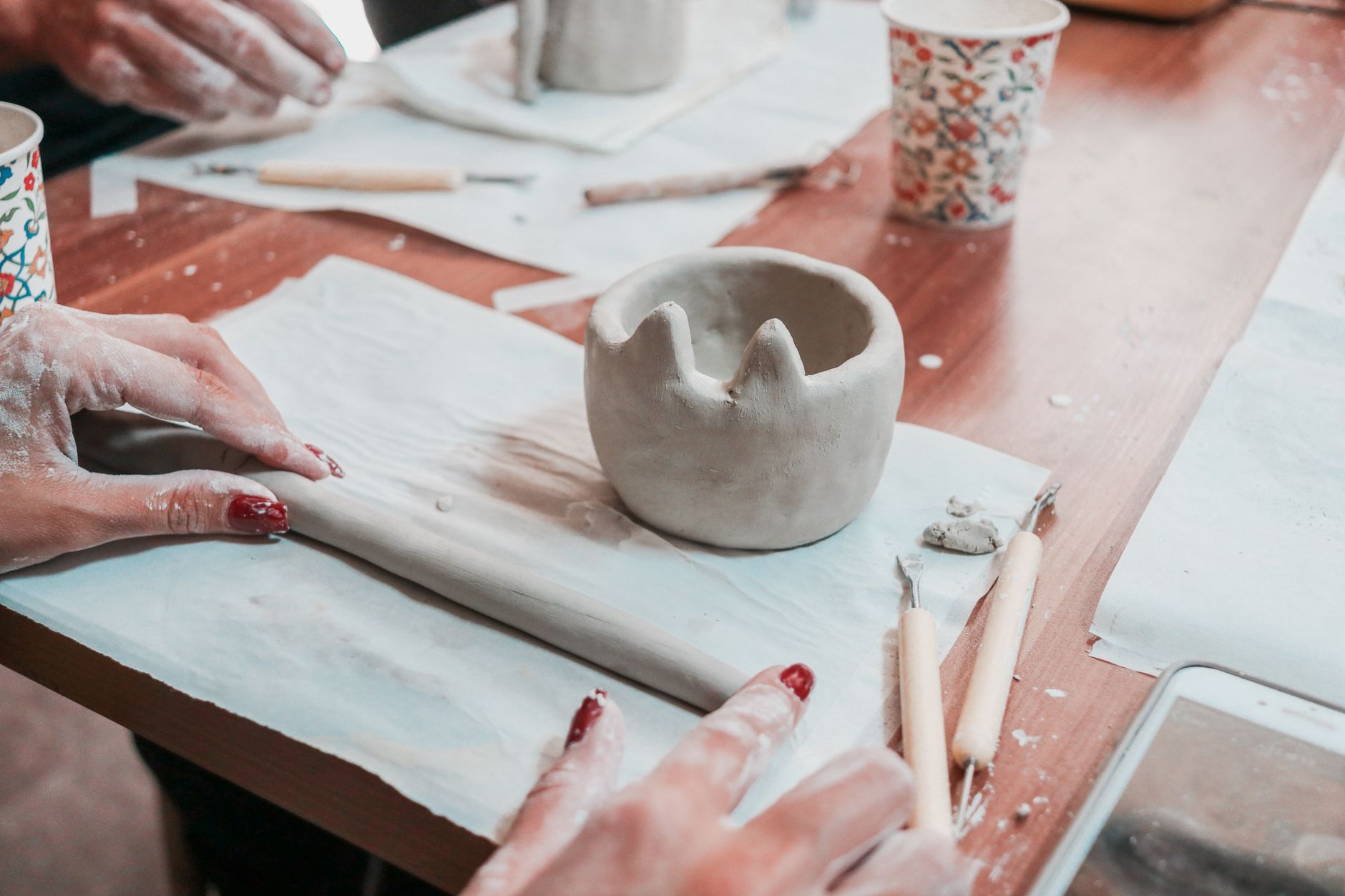
Not every craft works equally well for seniors. Pottery on a wheel demands upper-body rotation; fine embroidery strains the eyes after an hour. We've found that traditional weaving, woodblock printing, lacquerware painting, and hand-binding are gentler starting points. Weaving keeps your hands in front of you, the rhythm becomes meditative, and mistakes are invisible. Woodblock printing lets you sit the whole time and requires less grip strength than you'd think—the carver does the heavy cuts; you do the inking and pressing. Lacquerware involves building layers over hours or days; we often do a single decorative coat in one session so you see immediate results. Hand bookbinding lets you fold, crease, and stitch at a comfortable pace with clear, logical steps. Choose based on your joints, eyesight, and what appeals to you—not what sounds impressive.
How do we adapt the space and timing for comfort?
Seniors often worry about sitting on low stools or standing for hours at high tables. We scout each workshop space beforehand and make a checklist: Are there chairs with back support? Is the work surface at elbow height when seated? Is there shade or a fan in summer? Can we take a rest break without losing momentum? We've turned down beautiful studios that have no good seating or terrible light. If you have arthritis in your hands, we'll position tools closer, use padded grips, or assign a host to help with the heaviest steps—mixing lacquer, wringing out fabric—so you focus on the skilled parts. We also never rush. A 2-hour session for a senior is often 1.5 hours of actual work, with a 20-minute tea or coffee break built in. We stop if you're tired, no judgment. Some guests ask to split a class over two days; we do that.
Do I need any prior skill?
No. We've hosted absolute beginners and people who did needlework fifty years ago. The artisan-tutor assumes you know nothing and teaches from the ground up. They'll show you how to hold the brush for lacquerware, demonstrate the weaving tension, walk your hands through the first few rows. What matters is whether you're willing to try something imperfectly and slowly. If you're someone who gives up when a line isn't straight, a craft workshop may frustrate you. If you're someone who enjoys the process regardless of the result, you'll love it. Most seniors fall into the second group—they're curious and patient. We also tell you upfront what you'll make: a small woven coaster, a printed greeting card, a decorated lacquer box lid. These are achievable in a session, and you take them home.
What's the actual step-by-step flow?
Here's how a typical 2.5-hour session runs. You arrive 15 minutes early; we help you settle and show you the space. The tutor greets you in English and explains the craft's history—two minutes, conversational, no lecture. You watch them demo the key technique—five minutes. Then you prep your materials together: cutting paper, sorting threads, arranging tools. You start the first piece; the tutor sits beside you and guides your hands if needed. Around the 45-minute mark, you take a break—water, tea, snack, chat. You return and continue, often refining what you started or beginning a second small piece. In the last 20 minutes, you finish, clean up, and admire what you've made. The tutor photographs you with your work (if you like) and wraps it carefully for travel. Many workshops end with a short conversation about where the craft came from and how artisans still use these skills today. It's genuinely unhurried.
Explore craft workshops
What should you wear and bring?
Wear clothes you don't mind getting dirty—dust from woodcarving, flecks of lacquer, indigo dye stains are part of the experience. Bring a cardigan or shawl if you run cold; some workshops are in open-sided studios and you might sit still for long stretches. Leave jewelry at your hotel if you have fine pieces; we'll provide an apron with pockets for your phone and keys. Comfortable shoes are enough—you won't be standing. Don't bring sunglasses; you'll need to see the fine detail work. We provide all materials and tools. If you have a back issue or sore knee, let us know in advance via WhatsApp so we can arrange a cushion or footrest.
| Craft | Best for | Time | Why seniors enjoy it |
|---|---|---|---|
| Hand weaving | Patience, rhythm | 2.5 hours | Meditative; mistakes blend in |
| Woodblock printing | Fine motor control | 2 hours | Sitting the whole time; instant results |
| Lacquerware painting | Artistic eye, steadiness | 2–3 hours | Layered; beautiful fast results |
| Hand bookbinding | Logic, precision | 2.5 hours | Clear steps; a functional keepsake |
| Indigo dyeing | Curiosity about color | 2 hours | Minimal strength; immediate impact |
How does weather affect bookings?
Rain in Vietnam is heavy and fast. Indoor crafts—printing, weaving, lacquerware, bookbinding—go ahead in any weather; we're in covered studios or artisans' homes. If you're doing outdoor activities like farm visits or horseback riding, rain is trickier. For craft workshops specifically, rain isn't a reason to cancel. However, humidity can affect indigo dye baths or oil-based lacquer drying; we adjust the process and keep you comfortable.

Which regions and cities work best for seniors?
Hanoi has the most mature artisan communities—old-quarter woodcarvers, traditional lacquerware studios, silk-weaving families. Ho Chi Minh City offers modern craft studios with good facilities and lighter pieces like pottery or printing. Hoi An specializes in silk, lantern-making, and woodcarving in a gentler, walkable setting. Da Nang has emerging craft spaces and lower crowds. Da Lat is cooler and quieter, popular with seniors who find the climate easier. We'll match you with a location based on where you're traveling and what appeals to you.
What if you have arthritis, low vision, or other needs?
Tell us in your WhatsApp message. Arthritis in hands? We'll pick a craft that doesn't require tight grip—weaving over carving, for example—and we can pre-cut or prep materials for you. Low vision? Woodblock printing with bold imagery works better than fine embroidery; we'll also ensure excellent lighting. Hearing loss? The tutor can speak clearly and use hand gestures; we'll keep the group small and quiet. Mobility issues? We find studios with level entry and good seating near the work surface. None of these are dealbreakers; they just shape which craft and which location we choose. We're honest if a particular craft isn't a good fit, and we suggest alternatives.
How do allergies and dietary needs work?
If you join a coffee workshop or tea experience alongside a craft session, let us know about allergies to nuts, dairy, or caffeine. We'll arrange alternatives—herbal tea, fruit, plain biscuits—with the host. Most craft workshops don't involve food, so this isn't usually a concern. If you're doing a full-day farm experience or group session that includes lunch, we'll sort meals in advance.
What to check before you book
- Your hands and joints. Weaving and printing are gentler than pottery or carving. Honest about your range.
- Eyesight. Fine embroidery or detailed painting demands good light and focus. Large-scale weaving or woodblock printing is easier.
- Pace preference. Do you like trying many crafts fast, or going deep into one? We can design either.
- Travel dates. Check whether the artisan's studio is open during your visit. We coordinate this; ask on WhatsApp.
- Feedback style. Some people want gentle guidance; others want honest critique. Tell us, and we'll brief the tutor.
- Souvenir value. Do you want a polished piece to frame, or is the process itself the reward? Both are valid; it shapes the craft choice.
How to get started
Contact us via WhatsApp with your dates, location, and what interests you—weaving, printing, carving, anything else. Tell us about your fitness and any joint concerns. We'll suggest a craft and artisan match, check availability, and send a quote. Most workshops happen in small groups (4–8 people) or as private sessions. You'll receive a WhatsApp message 48 hours before with exact timing and what to bring. Show up, move your hands, learn something, and take home a real object made by you in Vietnam.

FAQ
Do I need to speak Vietnamese?
No. All our craft workshops are hosted in English. The artisan-tutor speaks English well, or we provide a bilingual host if needed. Communication is hands-on and visual; the tutor shows more than explains.
Can I do a craft workshop if I'm traveling with my family and they have different interests?
Yes. We can run parallel sessions—you in a craft workshop, your partner in a cooking class or coffee workshop, and your grandchildren in a family experience. We coordinate timing so you meet up afterward or have tea together.
How long does it take to become "good" at a craft like weaving or printing?
One session won't make you an expert, but you'll understand the core skill and finish a piece you're genuinely proud of. Many seniors return for a second session to refine technique or try a new craft. That's common and wonderful.
Can I buy the materials to continue at home?
Sometimes. Weaving yarns, printing blocks, bookbinding supplies—you can source these online or in local markets. The tutor will recommend suppliers and email you the shopping list after your session. Lacquerware and indigo dyes are trickier; we'll advise what's realistic to do abroad.
Do you offer discounts for groups or multiple sessions?
Yes. Ask us for a quote on WhatsApp and mention how many people and how many sessions you're considering. We often bundle activities or offer package rates for couples or small groups doing multiple craft workshops or combining crafts with street food tours or other experiences.
Ask about dates
Tell us the city, your dates and what you would like to try. We reply on WhatsApp in English with options and availability.
FAQ
Do I need to speak Vietnamese?
No. All our craft workshops are hosted in English. The artisan-tutor speaks English well, or we provide a bilingual host if needed. Communication is hands-on and visual; the tutor shows more than explains.
Can I do a craft workshop if I'm traveling with my family and they have different interests?
Yes. We can run parallel sessions—you in a craft workshop, your partner in a [cooking class](https://caoexperiences.com/cooking-class) or [coffee workshop](https://caoexperiences.com/coffee-workshop), and your grandchildren in a [family experience](https://caoexperiences.com/family-experiences). We coordinate timing so you meet up afterward or have tea together.
How long does it take to become "good" at a craft like weaving or printing?
One session won't make you an expert, but you'll understand the core skill and finish a piece you're genuinely proud of. Many seniors return for a second session to refine technique or try a new craft. That's common and wonderful.
Can I buy the materials to continue at home?
Sometimes. Weaving yarns, printing blocks, bookbinding supplies—you can source these online or in local markets. The tutor will recommend suppliers and email you the shopping list after your session. Lacquerware and indigo dyes are trickier; we'll advise what's realistic to do abroad.
Do you offer discounts for groups or multiple sessions?
Yes. Ask us for a quote on WhatsApp and mention how many people and how many sessions you're considering. We often bundle activities or offer package rates for couples or small groups doing multiple [craft workshops](/craft-workshops) or combining crafts with [street food tours](/street-food-tour) or other [experiences](/destinations/hanoi).
More like this
Craft workshops
Craft Workshop in Saigon: Small Group Classes for Beginners
Cáo Experiences runs small-group craft workshops across Saigon where you learn traditional and contemporary making in intimate studio and community spaces. Sessions suit absolute beginners, families, and skill-builders.
Craft workshops
Craft workshop in Saigon for couples: what to choose
Couples in Saigon have three main craft paths: ceramics in a family studio, natural-dye silk painting, or bamboo weaving. Each teaches differently and suits different moods.
Craft workshops
Craft Workshop in Hoi An: What to Expect Step by Step
A craft workshop in Hoi An with Cáo Experiences is a half or full-day session where you learn a traditional Vietnamese skill—lantern-making, silk painting, woodblock printing, or lacquerware—in a working studio or family workshop. You leave with a finished piece you made yourself.