
Home › Blog › Craft workshops
Craft Workshop in Vietnam in December: What to Expect
By the Cáo Experiences team · 2026-11-06
A craft workshop in Vietnam in December typically runs 2–4 hours in a host's studio or workshop space within or near a city center—places like Hanoi's old quarter, Hoi An's lantern district, or Da Lat's pine-forest workshops. You'll learn one traditional or contemporary technique (lacquerware, silk painting, ceramics, woodblock, embroidery, or weaving) hands-on in small groups (4–10 people) or privately. Beginners worry about making mistakes; we adapt entirely: you'll make something imperfect but real, take it home, and laugh about it later. December weather is cool and dry—ideal for most crafts—but shorter days mean afternoon sessions end by 5 p.m. Cáo Experiences runs craft workshops year-round; December bookings fill early because international travelers prefer cooler months. Ask us for dates and a quote on WhatsApp to secure your slot. Ask about dates on WhatsApp
Why December Is the Best Month for Craft Workshops in Vietnam
December offers 14–15 hours of daylight, cooler temperatures (15–22°C in the north, 20–28°C in central and southern regions), and almost no rain in most workshops' locations. You won't sweat through your clothes or dodge monsoon showers mid-session. Humidity is low, which matters for drying lacquer, adhesives on textiles, and ink on woodblocks. Fewer tourists clog the old quarters in early morning, so workshops feel intimate and unhurried. Booked sessions in Hanoi, Hoi An, and Da Lat rarely cancel for weather in December; only isolated downpours interrupt, and we reschedule same-week easily.
The trade-off: daylight fades by 5 p.m., so afternoon workshops end before sunset. If you're a slow learner or perfectionist, a morning slot lets you linger without rushing. Most travelers pair craft workshops with other experiences in Hanoi, Hoi An, or Da Lat to fill December days fully.
What Actually Happens: A Real Session, Hour by Hour
We start with tea or water while you settle into the workspace. The host shows you the raw materials—silks, clay, wood blocks, metal sheets, threads, depending on the craft. You'll handle finished pieces first: hold a lacquered bowl, feel the weight, notice the layers. Most guests say, "I can't do this"—totally normal. The host replies, "Yes, you can. It's not art competition. It's learning."
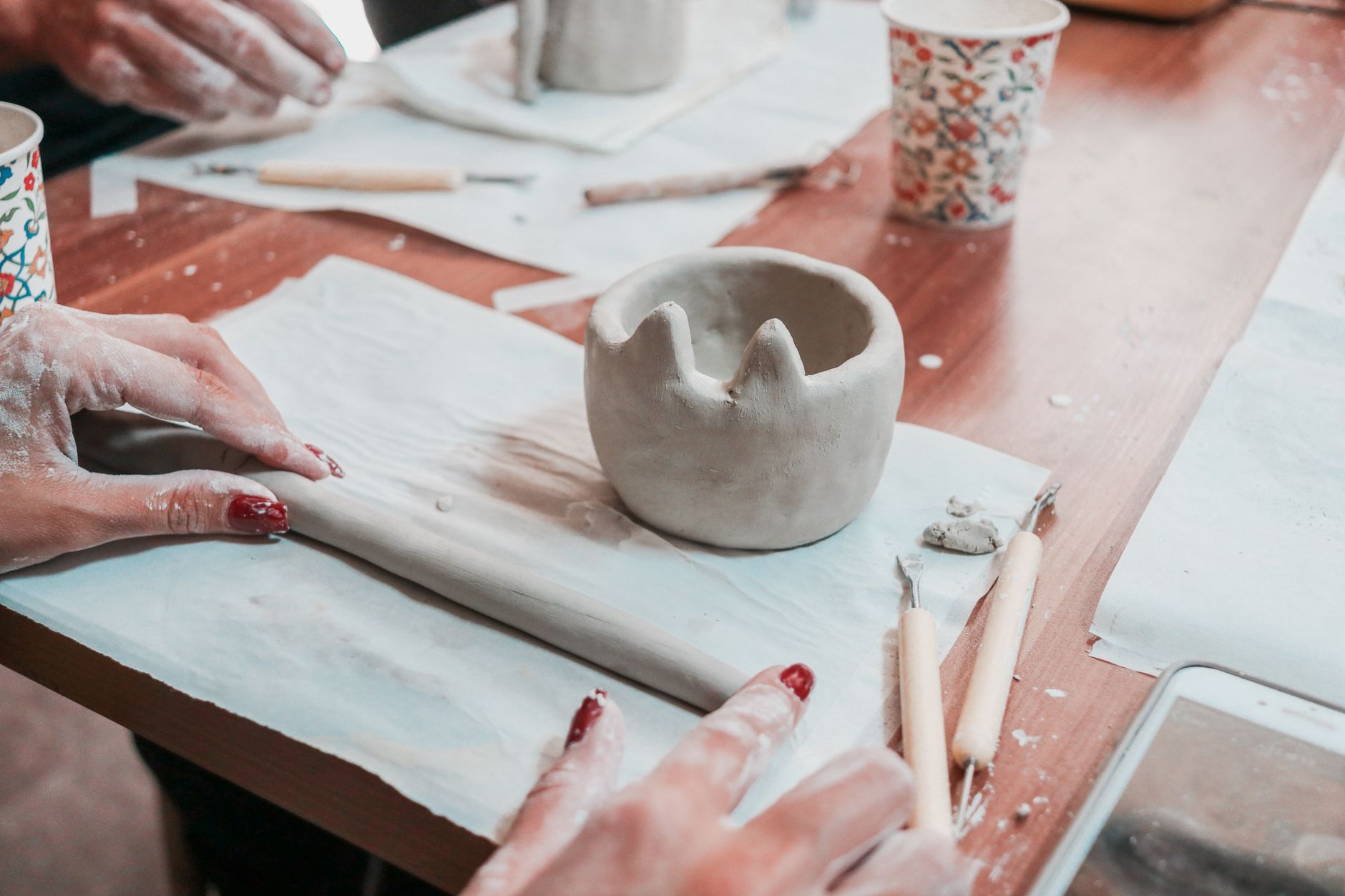
Hour one: You prepare materials. For silk painting, you stretch silk on a frame and mix dyes. For ceramics, you wedge clay, removing air bubbles. For woodblock carving, you sharpen tools and sketch your design. Your hands get messy. Expect clay under fingernails, dye on your sleeve, wood shavings in your hair.
Hour two to two-and-a-half: Guided technique. The host demonstrates once slowly, then you replicate. First attempts look rough—that's universal. We adjust your grip, show a shortcut, encourage you. If you're left-handed or have a mobility concern, we modify tools and posture without fuss. Kids (age 8+) work on simplified versions; seniors often surprise themselves with focus and steadiness.
Final hour: You refine, troubleshoot, and finish. The host photographs your piece (guests always want proof). If it's lacquerware or ceramics needing kiln time, we pack and ship it to you after firing—usually 2–4 weeks later. If it's a silk painting or woodblock print, you take it wet (we wrap it safely). Every guest leaves with something handmade, even if imperfect.
Which Craft Workshop Suits Your Skill and Interest?
| Craft Type | Time Required | Physical Demand | Best For | Take Home |
|---|---|---|---|---|
| Silk painting | 2–3 hours | Low (sitting, fine brushwork) | Calm, visual learners; decorators | Framed or rolled painting |
| Woodblock carving | 2.5–3.5 hours | Moderate (standing, hand strength) | Detail-focused; printmakers | Finished print or block |
| Ceramics (hand-building) | 3–4 hours | Moderate (standing, arm work) | Tactile learners; sculptors | Unfired piece to collect later |
| Lacquerware | 2–3 hours | Low (sitting, repetitive) | Patient; meticulous types | Sealed item (coaster, box) |
| Embroidery or weaving | 2–4 hours | Low (sitting, fine motor) | Thread enthusiasts; fiber lovers | Finished textile or sampler |
| Woodcarving (decorative) | 3–4 hours | Moderate–High (standing, tools) | Confident carvers; sculptors | Finished figurine or relief |
Our honest take: Beginners often choose silk painting (low frustration, visible result fast). Couples gravitate toward ceramics (side-by-side, tactile, forgiving). Families with kids pick embroidery or weaving (low injury risk, shared quiet focus). Solo travelers seeking challenge pick woodblock or carving (steeper learning, bigger satisfaction).
Packing and Preparing: What to Wear and Bring
Wear old clothes you don't mind staining. Dyes, clay, and varnish don't wash out easily; assume your garment will show marks. Closed-toe shoes protect toes from wet clay spatters and dropped tools. Bring a small towel (we provide water, but you'll want to wipe hands mid-session). Leave jewelry at your accommodation—rings snag thread, bracelets knock over dye bowls.
We supply aprons, tools, and materials. You don't need to bring art supplies or specialty equipment. If you have a severe latex allergy, tell us when booking—some clay dust and gloves contain latex. If you're left-handed, mention it: most hosts have adapted tool setups.
Sunscreen and a hat aren't needed indoors. But if the workshop opens onto a courtyard or garden (common in Hoi An and Da Lat), bring both. Humidity is low; sunburn happens fast.
Adapting for Kids, Seniors, and Mixed Groups
Kids (ages 8–14): We simplify designs and use child-safe tools. A 3-hour silk-painting session becomes 1.5–2 hours for kids; we don't rush. Younger siblings (5–7) can observe and play with clay scraps in a corner, not participate formally. Family experiences pages detail age-appropriate sessions.
Seniors: Arthritis and stamina are real. We offer lower stools, seated positions, larger brushes, and shorter sessions. A 3-hour ceramics class becomes 2 hours with a 10-minute rest. One-on-one hosting suits seniors better than group; ask about private bookings. We've hosted guests in their 70s and 80s who completed their pieces with joy.
Mixed-skill groups: The host paces for beginners (3–4 people learning together move slower). Experienced crafters finish early and teach a peer or refine details. No one feels left behind.
Dietary or allergy notes: If a session includes tea or snacks, we adapt for vegetarian, gluten-free, and nut allergies when you mention them at booking.

Rain Plans and Rescheduling in December
December rain in Hanoi is rare (average 5 rainy days for the month); central Vietnam (Hoi An, Da Nang) sees occasional drizzle; Da Lat, cooler and wetter, averages 8 rainy days. Indoor workshops—most are studio or kitchen-based—run rain or shine. Only outdoor sessions (e.g., courtyard weaving, open-air pottery wheel) shift indoors or reschedule.
If your booked date has heavy rain, we message you 24 hours prior and offer same-week alternatives. You won't lose your booking; you'll reschedule at no penalty.
Combining Craft Workshops with Other December Experiences
Many travelers pair one craft session with a Vietnamese cooking class (a morning craft workshop, afternoon cooking) or a coffee workshop (afternoon craft, morning coffee tasting). A few combine with flower arranging or tea experiences for a slow, creative day. Couples enjoy a private art and culture class that blends craft and conversation about Vietnamese aesthetics.
Day-trippers to farm and countryside experiences sometimes add a 2-hour craft session with a rural weaver's cooperative. Group and team experiences often book a full-day craft rotation (two crafts, lunch break) for corporate retreats.
What to Check Before You Book
- Session length: Does 2.5 hours feel rushed, or do you prefer quick sessions? Ask when booking.
- Group size preference: Private (just you/partner) or small group (4–8)? We offer both.
- Finished piece durability: Lacquerware ships safely; wet paintings need careful packing. Confirm shipping cost and timeline if mailing home.
- Fitness/mobility: Be honest about joint pain, standing tolerance, or hand strength. We adapt—just tell us.
- Shipping address: For kiln-fired ceramics, confirm your exact mailing address early.
- Weather expectations: December is mild, but ask about average temps and what to wear for your chosen location.
- Language: All sessions run in English; no translation lag.
How to Reserve Your Craft Workshop
Reach out on WhatsApp with your preferred dates, craft type (or "surprise me"), group size, and any dietary/mobility notes. Payment and final logistics follow. Most bookings secure 1–2 weeks ahead, but December slots fill fast—especially mid-month and weekends.
See how a session runs or ask us directly on WhatsApp: we'll send photos, testimonials, and a packing list once you're booked.

FAQ
Can complete beginners really finish a craft in one session?
Yes. You'll make something real—a wonky pot, a smudged print, a wobbly silk painting. It won't be gallery-worthy, but it's yours, and that's the point. We've never had a guest walk out empty-handed.
What if I hate my finished piece?
Honest answer: some guests do feel "meh" at first. But 90% say within a week they love it as a memory, not as art. If you truly hate it, we discuss what went wrong and offer a free revisit. It rarely comes to that.
Do I need previous art experience to join?
No. Most guests have never painted, carved, or wedged clay. We assume zero background and teach from step one. Fast learners and careful learners both finish happy.
Can I take my finished piece on a plane if it's wet or unfired?
Wet paintings: yes, if wrapped flat and padded (we do this). Unfired ceramics: no—they're fragile. We fire them and ship later. Lacquerware: yes, sealed pieces are sturdy. Woodblocks: yes, dry within hours.
What's the real cost difference between group and private workshops?
Private workshops are more expensive than group. We don't publish exact rates—ask on WhatsApp for a quote based on your craft, duration, and group size. Scaling up (more people, same workshop) lowers per-person cost.
How do I know which craft is right for me if I've never tried any?
Tell us: do you like fine detail work (woodblock, embroidery) or tactile, forgiving processes (ceramics, silk)? Do you prefer speed (finished in 2 hours) or depth (3.5 hours, one craft fully explored)? We recommend based on your answers.
Is there a minimum age for kids?
Age 8+ can participate fully. Ages 5–7 can observe and play alongside a parent. Under 5: bring a caregiver (not always the participating adult) or stay home. Safety and focus matter more than inclusion.
What if I'm traveling with people who don't want to do the workshop—can I join alone?
Absolutely. Solo travelers are welcome in group sessions. You'll work alongside couples and small groups; it's social but not forced.
Ask about dates
Tell us the city, your dates and what you would like to try. We reply on WhatsApp in English with options and availability.
FAQ
Can complete beginners really finish a craft in one session?
Yes. You'll make something real—a wonky pot, a smudged print, a wobbly silk painting. It won't be gallery-worthy, but it's yours, and that's the point. We've never had a guest walk out empty-handed.
What if I hate my finished piece?
Honest answer: some guests do feel "meh" at first. But 90% say within a week they love it as a memory, not as art. If you truly hate it, we discuss what went wrong and offer a free revisit. It rarely comes to that.
Do I need previous art experience to join?
No. Most guests have never painted, carved, or wedged clay. We assume zero background and teach from step one. Fast learners and careful learners both finish happy.
Can I take my finished piece on a plane if it's wet or unfired?
Wet paintings: yes, if wrapped flat and padded (we do this). Unfired ceramics: no—they're fragile. We fire them and ship later. Lacquerware: yes, sealed pieces are sturdy. Woodblocks: yes, dry within hours.
What's the real cost difference between group and private workshops?
Private workshops are more expensive than group. We don't publish exact rates—ask on WhatsApp for a quote based on your craft, duration, and group size. Scaling up (more people, same workshop) lowers per-person cost.
How do I know which craft is right for me if I've never tried any?
Tell us: do you like fine detail work (woodblock, embroidery) or tactile, forgiving processes (ceramics, silk)? Do you prefer speed (finished in 2 hours) or depth (3.5 hours, one craft fully explored)? We recommend based on your answers.
Is there a minimum age for kids?
Age 8+ can participate fully. Ages 5–7 can observe and play alongside a parent. Under 5: bring a caregiver (not always the participating adult) or stay home. Safety and focus matter more than inclusion.
What if I'm traveling with people who don't want to do the workshop—can I join alone?
Absolutely. Solo travelers are welcome in group sessions. You'll work alongside couples and small groups; it's social but not forced.
More like this
Craft workshops
Craft Workshop in Saigon: Small Group Classes for Beginners
Cáo Experiences runs small-group craft workshops across Saigon where you learn traditional and contemporary making in intimate studio and community spaces. Sessions suit absolute beginners, families, and skill-builders.
Craft workshops
Craft workshop in Saigon for couples: what to choose
Couples in Saigon have three main craft paths: ceramics in a family studio, natural-dye silk painting, or bamboo weaving. Each teaches differently and suits different moods.
Craft workshops
Craft Workshop in Hoi An: What to Expect Step by Step
A craft workshop in Hoi An with Cáo Experiences is a half or full-day session where you learn a traditional Vietnamese skill—lantern-making, silk painting, woodblock printing, or lacquerware—in a working studio or family workshop. You leave with a finished piece you made yourself.