
Home › Blog › Craft workshops
Craft Workshop in Vietnam in January: What to Expect
By the Cáo Experiences team · 2026-11-06
A craft workshop in Vietnam in January is a small-group hands-on class where international guests learn traditional making skills—lacquer, silk, ceramic, weaving, or woodblock—from local artisans in a working studio or family workshop space. Sessions run 3–5 hours and include materials, tools, instruction in English via WhatsApp coordination, and usually a finished piece to take home. January weather (12–18°C in the north, 18–22°C in the south) suits detailed work without heat stress. Cáo Experiences hosts 2–8 guests per session in Hanoi, Hoi An, Da Nang, and Da Lat; all skill levels welcome, no prior experience needed. Cost varies by craft type and location—ask us for dates and a quote on WhatsApp. Avoid booking through unmarked platforms; coordinate directly to confirm instructor, materials, and what you'll actually make. --- Ask about dates on WhatsApp
Why January is the best month for craft learning in Vietnam
January in Vietnam offers ideal conditions for focused handwork. Temperatures range 12–18°C in the north and 18–22°C in the south—cool enough that you stay alert during fine detail work, warm enough to be comfortable sitting still for hours. Humidity drops after the monsoon, so lacquer dries predictably and silk doesn't stick to your hands. Tourist seasons havenble yet peaked, so family workshops and studio artisans aren't rushed; they have time to watch your hands and correct technique. Daylight extends until 5–6 p.m., giving you good natural light in traditional studios without electric glare. Beginners find this rhythm less intimidating than summer's chaos. Parents with school-age kids can schedule around winter breaks. If rain does come, it's brief afternoon showers, not the sustained downpour of September–October.

What crafts can you actually make in a single session?
Our sessions are designed so you leave with a finished or near-finished piece, not a scrap. Here's what's realistic:
| Craft | What you make | Session length | Skill ceiling |
|---|---|---|---|
| Lacquer bowl or box | Small decorative piece, 2–3 coats | 4 hours | Intermediate |
| Silk painting | Wall hanging or card, 1 design | 3 hours | Beginner-friendly |
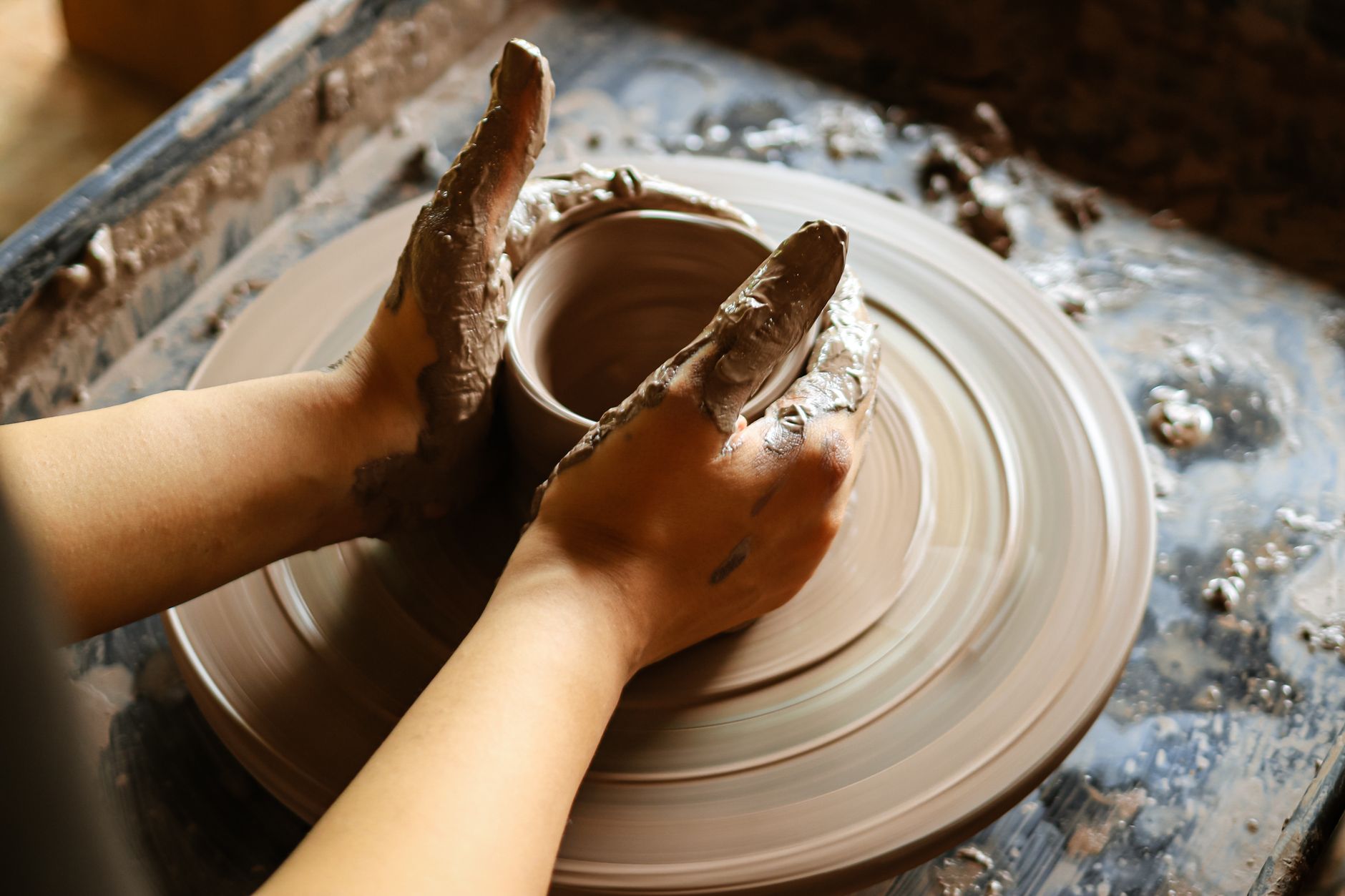
| Ceramic hand-building | Small vessel or tile | 4 hours | Beginner-friendly |
| Woodblock print | 1–3 printed designs on paper | 3 hours | Beginner-friendly |
| Weaving | Small woven band or coaster | 3–4 hours | Beginner-friendly |
| Bamboo craft | Woven basket or decorative item | 3 hours | Beginner-friendly |
Most sessions assume zero prior experience. The artisan spends the first 30–45 minutes on technique—how to hold the brush, apply pressure, recognize drying stages—then guides you through your own piece. Perfectionism isn't the goal; understanding the material is. A beginner's lacquer bowl might have an uneven edge or slight dust mark—that's authentic and part of the learning. Intermediate guests can attempt more layers or a larger canvas. Kids aged 8+ manage most crafts; we adapt tools and timings for younger hands (more breaks, simpler designs, shorter sit-down windows).
How do you prepare the day before and what to bring?
Preparation is minimal, but a few steps prevent regret. Wear old clothes or an apron—lacquer splashes, clay dust, and dye stains don't wash out easily. Avoid loose sleeves and dangling jewelry; they tangle in tools. Bring a small towel or cloth for hand-wiping between steps. If you have sensitive skin or allergies, tell us in advance—we source natural dyes and low-VOC lacquers where possible, but can source hypoallergenic alternatives or work around latex gloves if you flag it. Eat something light 1–2 hours before; you'll focus better on detail work with steady blood sugar, but a heavy meal makes sitting still for 3 hours uncomfortable. Bring a water bottle and sunscreen if the session is in a semi-open courtyard. Most importantly, come with curiosity rather than a preset idea of how your piece "should" look. Local artisans work intuitively, not by instruction manual; the best learning happens when you watch, copy, ask questions, and let your hands surprise you. A phone or camera is fine for documenting the process; we ask you not to film the artisan's face without asking, as many prefer privacy.
What happens if you're a beginner or nervous about messing up?
Beginners are the norm—most guests arrive with zero craft experience. Nervousness usually dissolves in the first 15 minutes, once you realize your hands are steadier than you thought and the artisan isn't judging. Here's how we handle common worries:
- "I'll waste the materials." The artisan budgets for learning curves. Mistakes become part of the piece; a crooked line in woodblock printing looks intentional. We use enough material that one flawed attempt doesn't derail the session.
- "My hands shake." Tremor is normal at first. Most techniques—lacquer brushing, weaving, ceramic hand-building—don't demand precision so fine that a small shake ruins the work. By hour 2, your hand finds its rhythm.
- "I'm too old/stiff to sit cross-legged for hours." We provide cushions, stools, or full chairs. You can stand and sit as needed. Sessions are timed to include a brief break mid-way.
- "I have arthritis or limited grip strength." Tell us in advance. We adapt tools (thicker brushes, lighter mallets) and pace. Some guests with hand limitations still do well with weaving or large-brush painting.
- "I don't understand the instructions." All instruction is in English with visual demonstration. The artisan shows, you copy, then they watch and adjust your hand position or grip. Language rarely becomes a barrier.
How do rainy-day sessions adapt and what's the backup plan?
January rain in Vietnam is typically short afternoon showers, not all-day downpours. Most sessions continue as planned if it's drizzle or a brief shower—working indoors under a roof with good ventilation is unaffected. However, if a session relies on outdoor natural light (e.g., certain woodblock or silk work), heavy rain can dim the space. Our backup is simple: we shift to a technique that works under electric light, provide clip-lamps, or reschedule to the next dry window if you prefer. We confirm the exact location and shelter level when you book, so there are no surprises. If you have specific concerns about rain (e.g., you need to walk through heavy weather to reach the studio), tell us and we'll advise whether that date suits you or suggest a covered alternative site.

How do you book and what's actually included in the price?
Here's what we include, and what we don't—so you know exactly what to expect. Cáo Experiences coordinates all bookings via WhatsApp. You message us with your preferred dates, craft type, group size (1–8 people), and any dietary restrictions, allergies, or mobility needs. We propose specific dates, confirm the instructor and studio location, and send you a quote. Ask us for dates and a quote on WhatsApp.
What's included:
- English-speaking instruction from a local artisan or trained guide.
- All materials, tools, and workspace.
- Your finished (or near-finished) piece to take home.
- WhatsApp support before and after the session.
What's not included:
- Transport to the studio (we give exact address and directions; most are accessible by taxi or walking from central areas).
- Meals or beverages (though some studios offer tea; ask when booking).
- Extra materials if you want to make a second piece.
What varies by craft and location:
- Session length (3–5 hours).
- Group size and instructor-to-guest ratio.
- Whether you need to bring your own apron or if one's provided.
We never quote a price in writing until we've confirmed dates and craft type, because costs shift based on material sourcing and instructor availability. Once we send a quote, it's firm. Payment is typically due 1 week before the session via bank transfer or PayPal; we'll confirm once you book.
Which locations in Vietnam have craft workshops in January?
We run craft workshops across four main hubs, each with distinct traditions:
- Hanoi. Close to silk workshops, lacquer artisans, and woodblock carvers. Winter weather is coolest (12–16°C) and ideal for precise work. Sessions often happen in the old quarter or in family studios on quiet lanes.
- Hoi An. Famous for lantern-making, silk weaving, and ceramics. Mild January weather (18–20°C) suits all crafts. The town's pedestrian-only ancient center keeps studios quiet and focused. This is where most weaving and silk-painting sessions run.
- Da Nang. A hub for ceramic workshops and some bamboo craft studios. Slightly warmer (20–22°C), with good coastal light. Less touristy than Hoi An, so you often get more personalized attention.
- Da Lat. A mountain town with flower-drying studios and some textile workshops. Cool and misty (15–18°C), great for contemplative work. Fewer craft sessions here, so plan ahead.
Each location has different artisans and craft specialties. Your choice depends on which craft appeals to you and which location suits your overall Vietnam itinerary. Ask us for specific availability by region when you message.
Should you book a private session or join a group workshop?
The choice depends on your comfort level and how much personalized feedback you want.
Group sessions (2–8 guests) are the standard. You meet other travelers, often from different countries. The artisan paces instruction for the group, so everyone advances at roughly the same speed. Cost per person is lower. The social energy can spark ideas—you see how someone else approaches the same task and try their method next. Groups work best if you're flexible about timelines and happy to learn alongside strangers.
Private sessions (just you, your partner, or your family) cost more but mean the artisan adapts entirely to your pace and questions. Kids often thrive in private sessions because there's no competitive pressure. If you're introverted, have specific questions, or want to explore a technique in unusual depth, private is worth the extra cost. Couples sometimes book private sessions for a shared creative date.
Both formats happen year-round; January availability depends on the artisan's calendar. When you ask for a quote, tell us whether you prefer group or private, and we'll let you know what's open.
What to check before you book: honest questions to ask us
- Where exactly is the studio, and how do I get there? We'll send you the address and nearest taxi drop-off. Check whether it's walkable from your hotel or if you need transport; no surprises on arrival.
- What's the student-to-instructor ratio? In a group of 6, is it one artisan plus an assistant, or one artisan only? That affects how much individual feedback you'll get.
- Can I take my finished piece on the plane? Lacquer items are technically flammable; ceramic and silk are fine. Ask when booking if you're flying within days of the session.
- What if I'm left-handed? Most tools work ambidexrously, but tell us so the artisan can position you on the correct side and mirror their demo.
- Do you offer return workshops? Some guests love a craft so much they want a follow-up session later in their trip. Yes, we can arrange back-to-back workshops or multi-day deep dives; ask us for dates on WhatsApp.
- What happens if I don't like my piece? You still own it—it's yours to take or leave. Many guests' "imperfect" pieces are their favorites because they're visibly handmade.
Explore craft options
For a deeper dive into how Cáo Experiences shapes hands-on learning, you might also explore our farm and countryside experiences, which use similar small-group, artisan-led teaching methods in nature settings. Or read more about how a session runs to get a detailed walkthrough of timing and logistics.
Pages from our team you may need
FAQ
Is January crowded for craft workshops in Vietnam?
No. January is post-holiday and pre-Tet (late January/early February), so workshops are quieter than November–December or March. You'll have more of the artisan's attention.
Do craft workshops in Vietnam cater to kids?
Yes. Most crafts suit ages 8+. We adapt tools, simplify designs, and allow more breaks. Tell us your child's age and we'll match a suitable craft. Younger kids (5–7) can join if a parent sits with them.
Can I book a craft workshop on short notice (e.g., 2 days away)?
Sometimes. It depends on the artisan's schedule and whether materials are in stock. Ask us as soon as possible via WhatsApp—we'll check availability and confirm.
What if I have a food allergy and the session includes a meal or tea?
Tell us when booking. We'll confirm what's offered and source or prepare an alternative. If no food is part of the session, we'll note that so you can plan your own meal timing.
Can I get a certificate or proof of attendance for a craft workshop?
We can provide a brief written confirmation of your attendance and the craft studied. We don't issue formal certificates, as these are learning experiences, not accredited courses.
Ask about dates
Tell us the city, your dates and what you would like to try. We reply on WhatsApp in English with options and availability.
FAQ
Is January crowded for craft workshops in Vietnam?
No. January is post-holiday and pre-Tet (late January/early February), so workshops are quieter than November–December or March. You'll have more of the artisan's attention.
Do craft workshops in Vietnam cater to kids?
Yes. Most crafts suit ages 8+. We adapt tools, simplify designs, and allow more breaks. Tell us your child's age and we'll match a suitable craft. Younger kids (5–7) can join if a parent sits with them.
Can I book a craft workshop on short notice (e.g., 2 days away)?
Sometimes. It depends on the artisan's schedule and whether materials are in stock. Ask us as soon as possible via WhatsApp—we'll check availability and confirm.
What if I have a food allergy and the session includes a meal or tea?
Tell us when booking. We'll confirm what's offered and source or prepare an alternative. If no food is part of the session, we'll note that so you can plan your own meal timing.
Can I get a certificate or proof of attendance for a craft workshop?
We can provide a brief written confirmation of your attendance and the craft studied. We don't issue formal certificates, as these are learning experiences, not accredited courses.
More like this
Craft workshops
Craft Workshop in Saigon: Small Group Classes for Beginners
Cáo Experiences runs small-group craft workshops across Saigon where you learn traditional and contemporary making in intimate studio and community spaces. Sessions suit absolute beginners, families, and skill-builders.
Craft workshops
Craft workshop in Saigon for couples: what to choose
Couples in Saigon have three main craft paths: ceramics in a family studio, natural-dye silk painting, or bamboo weaving. Each teaches differently and suits different moods.
Craft workshops
Craft Workshop in Hoi An: What to Expect Step by Step
A craft workshop in Hoi An with Cáo Experiences is a half or full-day session where you learn a traditional Vietnamese skill—lantern-making, silk painting, woodblock printing, or lacquerware—in a working studio or family workshop. You leave with a finished piece you made yourself.