
Home › Blog › Craft workshops
Craft Workshop Vietnam for Australian Travelers
By the Cáo Experiences team · 2026-11-06
Craft workshops in Vietnam let you learn traditional techniques like batik-dyeing, lacquer inlay, and hand-painted ceramics in small groups hosted in English by Cáo Experiences. Most sessions run 3–4 hours in family workshops or studios in quiet lanes near Hanoi's old quarter, Hoi An's riverside, or Da Nang's craft district. You'll leave with a finished piece you've made yourself—not a souvenir. The pace suits complete beginners; we adapt for kids, seniors, and mixed abilities. Cost depends on location, craft, group size, and materials—ask us for dates and a quote on WhatsApp. Avoid booking sight-unseen: visit the family workshop first if possible, check lighting and heat tolerance (some techniques use small kilns), and confirm whether materials are included or charged separately. Ask about dates on WhatsApp
Arriving as an Australian traveler in Vietnam, you've likely seen craft shops everywhere—silk scarves, lacquerware, ceramics—but buying an object isn't the same as understanding how it's made. We run craft workshops where you actually sit with the person who taught their parent and grandparent the same technique. You'll get dirt under your fingernails, laugh at your mistakes, and own something that carries your own hands' work.
What craft skills can Australian beginners really learn in one session?
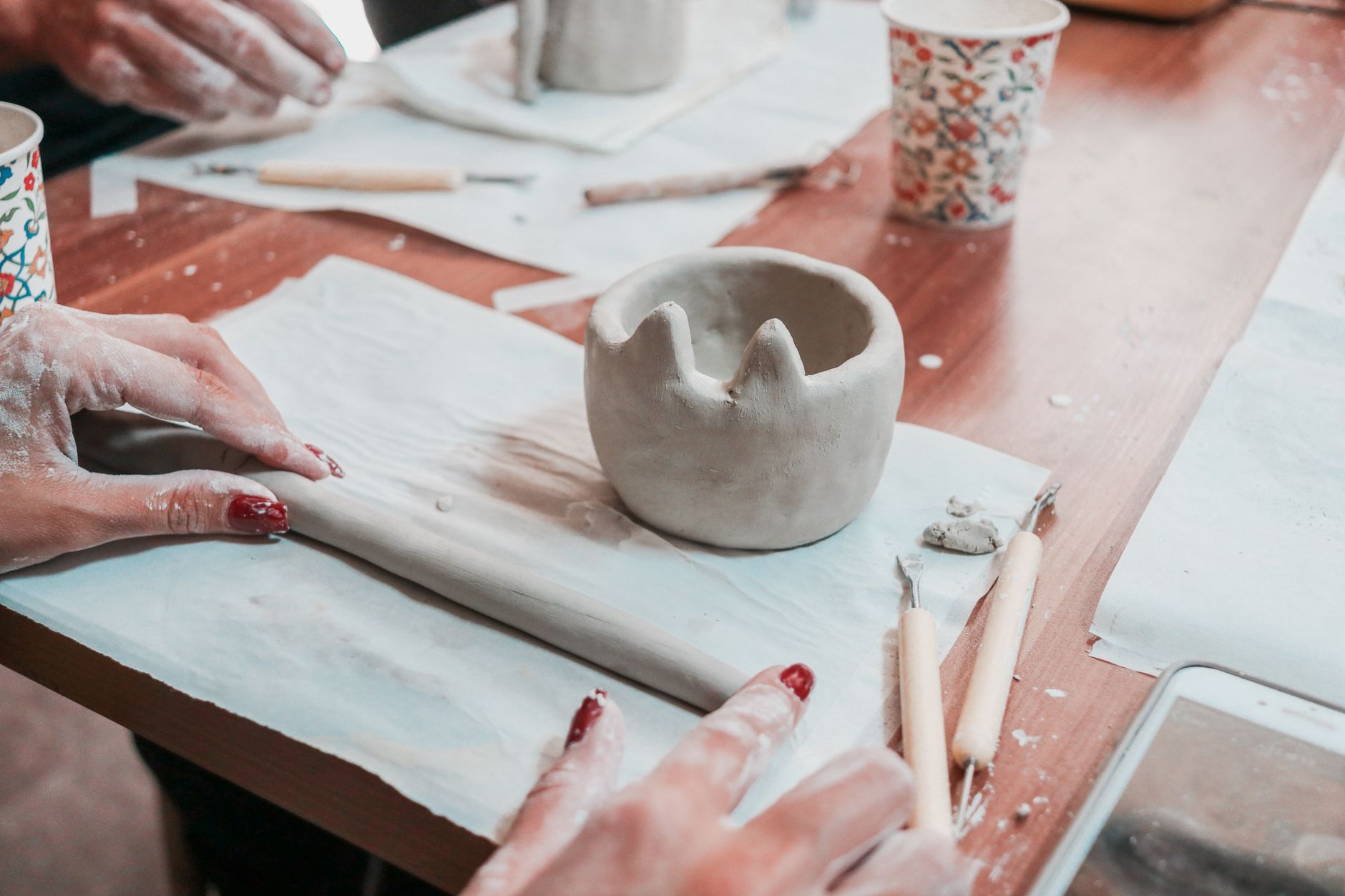
Most Australian travelers worry they'll mess it up. Honest answer: you'll produce something imperfect, and that's the whole point. In a typical batik workshop, you learn to block fabric with hot wax using wooden stamps and tjantings (a metal tool that drips controlled lines), then dip the cloth into indigo dye. Within 3 hours, you've created a wearable scarf or wall hanging with your own design. Lacquer inlay workshops teach you to inlay crushed eggshell or wood into wet lacquer—it requires patience, not strength. Ceramic hand-building (coil-pots, pinch bowls) suits all ages because clay is forgiving; you reshape and restart endlessly. The artisan isn't grading you; they're sharing a skill. Conclusion: you'll leave with a finished piece and a genuine understanding of why a handmade batik costs what it does.

Which craft should you choose—and how do you know what suits you?
| Craft | Best for | Time | What you take | Why choose it |
|---|---|---|---|---|
| Batik-dyeing | visual learners, pattern lovers | 3–4 hrs | scarf, wall cloth, tote | immediate color payoff; wearable |
| Lacquer inlay | detail-focused, patient hands | 3–4 hrs | decorative box, plate, panel | uniquely Vietnamese; gallery-quality |
| Hand-painted ceramics | sculptors, kids, families | 2–3 hrs | bowl, cup, figurine, tile | tactile; no previous skill needed |
| Silk painting | artists, confident makers | 3 hrs | small hanging, scarf, card | meditative; fine-art feel |
| Wood carving | woodworkers, sculptors | 2–3 hrs | figurine, spoon, ornament | rhythmic; satisfying muscle work |
Ask yourself: do you want to paint something or make its shape? Do you prefer fast results or slow, meditative work? Are you visiting with family or solo? We'll help you choose during WhatsApp planning. Conclusion: the right craft depends on your patience level and what you'll actually display or wear after you leave Vietnam.
Why do Australian travelers get disappointed—and how do we avoid it?
We've seen visitors sign up for "a ceramics class" via a hotel concierge and arrive at a factory-style production line where 30 people hand you a pre-made bowl to glaze. That's not a workshop; it's a photo op. Three things go wrong: the group is too large (no hands-on time), the materials are cheap (clay that cracks, dyes that fade), and the artisan speaks no English (you follow by gesture alone). We avoid this by keeping groups to 4–8 people maximum, sourcing materials the artisan uses for their own work, and hosting in English with WhatsApp coordination beforehand so you know exactly where to go and what to wear. We also check the weather—in the rainy season, we shift indoor techniques (lacquer, silk painting, ceramics) and ensure covered workspaces with good airflow. Conclusion: choose a workshop where the host meets you in advance, confirms group size, and answers your questions clearly.
How much of the finished piece is your work versus the artisan's?
Australian travelers often ask: "Will I actually make it, or will they fix it after I leave?" Full honesty. In batik, 100% is yours—you apply the wax, you dip the cloth, you peel and hang it. The artisan's role is teaching and preparing materials. In lacquer, you inlay the shell or wood; the artisan mixes the base lacquer and does the final polish (because that requires years of technique). In ceramics, you hand-build the shape; the artisan may fire it in their kiln and apply a glaze you've chosen. In wood carving, you do the carving within the design they sketched; they may sand and oil the final piece. We're transparent about this before booking so you know what percentage is your skill versus their expertise. Most Australian visitors find this balance perfect—you leave with real pride because you learned something, not because you produced gallery-ready work on day one. Conclusion: the artisan's touch at the end ensures the piece is durable and beautiful, not cheating you of the craft.

How do we adapt workshops for kids, seniors, and people with no craft experience?
Kids aged 8+ join batik and ceramic workshops easily; the short attention span doesn't matter because drying time means natural breaks. We give kids smaller pieces, provide step stools if needed, and keep instructions very visual. Seniors often excel at detail work like lacquer inlay (it's slower, rewarding) and silk painting (meditative, no heavy lifting). For arthritis or grip issues, we adjust tool handles, reduce session length to 2 hours, and offer seating alternatives. Travelers with no craft experience worry they'll feel stupid; we normalize this by starting with our own beginner mistakes and keeping language simple. Mixed-age groups (grandparent, parent, child) work well in ceramic hand-building because everyone's product looks different, no one's competing. Dietary needs: the workshop environment itself is usually allergen-free (no food involved unless tea is served mid-session). Conclusion: we pre-discuss any mobility, sensory, or anxiety needs over WhatsApp so we're ready on the day.
Why is a small-group workshop in a family studio better than a tourist-center class?
Tourist craft centers in Hanoi and Hoi An use new materials, sterile studios, and scripts. A family workshop—say, a three-generation lacquer studio in a lane off the old quarter—uses the same materials the family has used for decades, teaches in the space where their own work happens, and adapts the lesson based on your speed. You see their other pieces in progress, meet their kids, notice the humidity and light they prefer. You're not a paying visitor; you're a guest learning their family skill. This matters to Australian travelers because you get a memory, not just a souvenir. The cost is often lower because there's no middleman or marketing. The downside: the studio may be hot, cramped, or require walking through narrow lanes. We confirm comfort and accessibility beforehand. Conclusion: a family workshop costs less, teaches more honestly, and builds genuine connection.
We also run cooking classes, coffee workshops, and flower arranging sessions if you want to combine crafts with food and drink experiences during your stay.
What to check before you book a craft workshop
- Group size: ask if it's 4–8 people max (not 20+).
- Artisan language: confirm English-speaking host or WhatsApp translator.
- Material quality: ask what clay, dye, or lacquer is used (same as the artisan's own work?).
- Duration: is it 2, 3, or 4 hours? Does drying time count?
- Finished piece: what do you leave with (wet clay, drying fabric, finished item)?
- Heat, smell, stairs: ask about the studio environment—air-con? Fumes? Is it ground-floor?
- Cancellation: what if the workshop is full or weather forces a reschedule?
- Inclusions: materials, tools, tea, snacks—what's provided?
FAQ
Do I need any art experience to join a craft workshop?
No. We've hosted accountants, engineers, and tourists who haven't drawn since school. The artisan teaches from zero. Your first piece won't be perfect—that's the whole point. Conclusion: complete beginners are our most common guests.
What if I have a food allergy or dietary restriction?
We don't serve meals in craft workshops, though tea or coffee may be offered mid-session. Tell us any allergies over WhatsApp beforehand; we can skip refreshments or bring your own. Conclusion: allergies are easy to manage if you mention them early.
Can I bring my kids to a craft workshop?
Yes, ages 8+. Younger children (5–7) can join batik or ceramics if a parent stays hands-on with them; we'll reduce the session length. Kids often surprise us—they're less self-conscious about "mistakes." Conclusion: book and mention your kids' ages so we prepare the right materials and timing.
How long do the pieces last after I take them home?
Batik scarves and ceramics last years if cared for (gentle wash, no harsh heat). Lacquer pieces are extremely durable if not dropped. The artisan usually seals or fires the piece in their studio, so it's made to last. Conclusion: your workshop piece is a real keepsake, not a disposable souvenir.
What happens if it rains or it's too hot on the workshop day?
We reschedule if outdoor work (like dyeing) isn't safe. For heat, we move indoor techniques (lacquer, ceramics, silk painting) to studios with fans or air-con, or shift to early morning. Rain rarely cancels—most workshops are indoors or covered. Conclusion: we'll coordinate a comfortable date over WhatsApp if the forecast is rough.
Can I book a private workshop just for my family or couple?
Yes. Private workshops are available; cost and duration depend on the craft and group size. Ask us for dates and a quote on WhatsApp—private sessions often run longer and can be customized. Conclusion: couples and small families often prefer the intimacy and pace of a private session.
How much do craft workshops cost, and is it worth it?
Cost varies by craft, location (Hanoi, Hoi An, Da Nang, Da Lat), group size, and materials. Ask us for dates and a quote on WhatsApp—we'll give you an exact price upfront. Most Australian travelers say it's worth it because you leave with a handmade piece and a story about the person who taught you. Conclusion: price is transparent; value is personal.
Ask about dates
Tell us the city, your dates and what you would like to try. We reply on WhatsApp in English with options and availability.
FAQ
Do I need any art experience to join a craft workshop?
No. We've hosted accountants, engineers, and tourists who haven't drawn since school. The artisan teaches from zero. Your first piece won't be perfect—that's the whole point. Conclusion: complete beginners are our most common guests.
What if I have a food allergy or dietary restriction?
We don't serve meals in craft workshops, though tea or coffee may be offered mid-session. Tell us any allergies over WhatsApp beforehand; we can skip refreshments or bring your own. Conclusion: allergies are easy to manage if you mention them early.
Can I bring my kids to a craft workshop?
Yes, ages 8+. Younger children (5–7) can join batik or ceramics if a parent stays hands-on with them; we'll reduce the session length. Kids often surprise us—they're less self-conscious about "mistakes." Conclusion: book and mention your kids' ages so we prepare the right materials and timing.
How long do the pieces last after I take them home?
Batik scarves and ceramics last years if cared for (gentle wash, no harsh heat). Lacquer pieces are extremely durable if not dropped. The artisan usually seals or fires the piece in their studio, so it's made to last. Conclusion: your workshop piece is a real keepsake, not a disposable souvenir.
What happens if it rains or it's too hot on the workshop day?
We reschedule if outdoor work (like dyeing) isn't safe. For heat, we move indoor techniques (lacquer, ceramics, silk painting) to studios with fans or air-con, or shift to early morning. Rain rarely cancels—most workshops are indoors or covered. Conclusion: we'll coordinate a comfortable date over WhatsApp if the forecast is rough.
Can I book a private workshop just for my family or couple?
Yes. Private workshops are available; cost and duration depend on the craft and group size. Ask us for dates and a quote on WhatsApp—private sessions often run longer and can be customized. Conclusion: couples and small families often prefer the intimacy and pace of a private session.
How much do craft workshops cost, and is it worth it?
Cost varies by craft, location (Hanoi, Hoi An, Da Nang, Da Lat), group size, and materials. Ask us for dates and a quote on WhatsApp—we'll give you an exact price upfront. Most Australian travelers say it's worth it because you leave with a handmade piece *and* a story about the person who taught you. Conclusion: price is transparent; value is personal.
More like this
Craft workshops
Craft Workshop in Saigon: Small Group Classes for Beginners
Cáo Experiences runs small-group craft workshops across Saigon where you learn traditional and contemporary making in intimate studio and community spaces. Sessions suit absolute beginners, families, and skill-builders.
Craft workshops
Craft workshop in Saigon for couples: what to choose
Couples in Saigon have three main craft paths: ceramics in a family studio, natural-dye silk painting, or bamboo weaving. Each teaches differently and suits different moods.
Craft workshops
Craft Workshop in Hoi An: What to Expect Step by Step
A craft workshop in Hoi An with Cáo Experiences is a half or full-day session where you learn a traditional Vietnamese skill—lantern-making, silk painting, woodblock printing, or lacquerware—in a working studio or family workshop. You leave with a finished piece you made yourself.