
Home › Blog › Farm and countryside days
Farm Experience for Kids Vietnam: What to Expect & How to Plan
By the Cáo Experiences team · 2026-11-06
A farm experience for kids in Vietnam is a half- or full-day visit to a working family farm in the countryside—typically 1–2 hours outside a city—where children help with daily tasks: feeding animals, harvesting vegetables, collecting eggs, or preparing a meal with the family. Through Cáo Experiences, we arrange small-group and private sessions in English, with a host who explains each task and adapts pace and difficulty to the group's age (from age 5 upward). Kids learn how food grows, practice hands-on farming skills, and eat lunch or snacks they've helped make. Sessions cost varies by location and duration; ask us for dates and a quote on WhatsApp. Rain rarely stops work—we bring rain ponchos and shift focus to indoor craft or animal care. Children often worry about getting dirty or animal contact, but we prepare them beforehand and let them set the pace.
What do kids actually do on a farm visit?
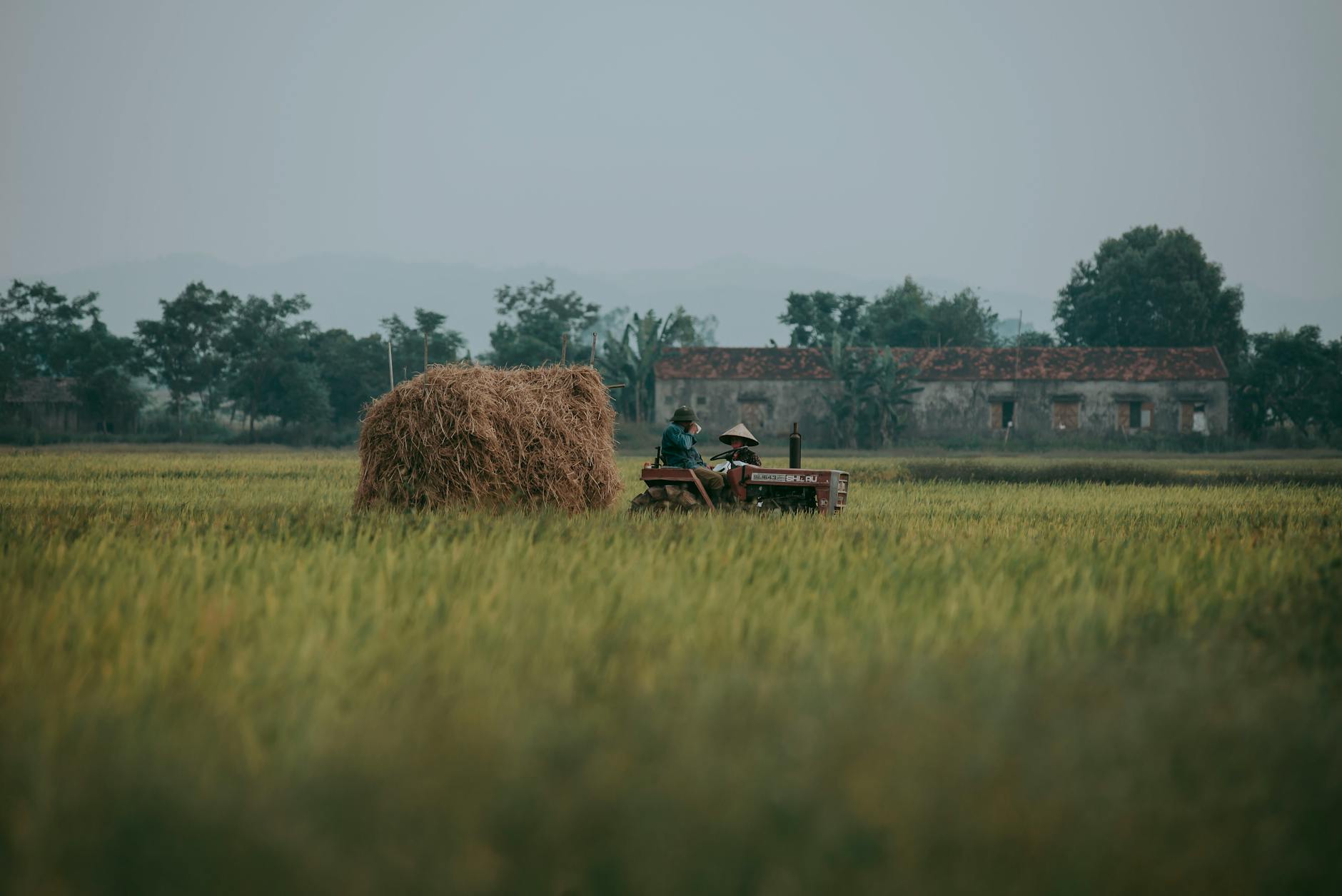
Work depends on season and farm type—vegetable plots, rice paddies, orchards, or small livestock. We've hosted children who planted leafy greens in raised beds, waded into flooded rice fields (with proper footwear), picked papaya and passion fruit, or collected duck and chicken eggs from coops. A typical morning includes 1–2 hours of hands-on work, then a cooking lesson where kids wash vegetables, crack eggs, or knead dough for lunch. Most farms raise pigs, chickens, ducks, or goats; older children help feed and water them, younger ones observe and pet. We always match tasks to age: five-year-olds do lighter picking and playing with animals, while ten-year-olds can harvest, dig soil, or help kill and pluck chickens (if the family does so—we disclose this beforehand). No child is forced to participate in any task that makes them uncomfortable.
Explore more family activities

How long does a session run, and what's the schedule?
Sessions last 4–6 hours depending on your preference and the farm's rhythm. A typical day: meet at a central location in the city (often near public transport); travel together (30–90 minutes by minivan or motorcycle taxi); arrive mid-morning and work until early afternoon. We eat lunch on the farm—usually what we've prepared—then rest or do a short craft activity (like making plant pots from coconut husks). You depart mid-afternoon, arriving back in the city by 4–5 p.m. Private sessions can start earlier or run longer; group sessions follow a fixed schedule. Very young children (under age 6) tire quickly—we recommend half-day sessions (3 hours) and suggest bringing a parent to help keep them engaged and safe.
What should kids wear and bring?
Clothes: old, washable trousers or shorts (not white); closed-toe shoes (not flip-flops—fields and coops are muddy and uneven); a hat or cap. Layers work well because early mornings are cool and midday sun is strong. Bring a small backpack with sunscreen, an insect-repellent balm, a water bottle (we refill it on the farm), and a change of socks. The farm provides rain ponchos if needed. Most children get mud on their clothes—it's part of the experience—so plan to wash them that evening. Babies should bring nappies, wipes, and a change of clothes; there's usually a basic wash area with a hose.
What if my child is anxious about animals or getting dirty?
This is the most common worry. We speak with your family before booking to understand your child's comfort level with animals, insects, and mud. On the day, our host starts gently: perhaps observing animals from a distance first, then hand-feeding them if the child wishes. Many children who say they're nervous become excited once they see a duckling or hold a warm egg. We never force contact. For mess anxiety: we explain that farms are dirty, and that's normal—washing off is part of farm life. Most kids relax once they see other children playing in mud. If your child has a phobia of specific animals or refuses all physical work, let us know early so we can adjust the experience or recommend a different activity (like a flower arranging workshop or art and culture class instead).
How do we adapt for different ages and abilities?
| Age Group | What They Do | Typical Tasks | Physical Demands |
|---|---|---|---|
| 5–7 years | Light picking, animal observation, cooking prep | Collect eggs, pick soft fruit, stir or knead | Low; frequent breaks; simple instructions |
| 8–10 years | Guided harvesting, feeding, basic cooking | Dig weeds, harvest vegetables, light farm chores | Moderate; 2–3 hour work blocks; teamwork emphasis |
| 11+ years | Full farm tasks, meal planning input | Plant, harvest, prepare meals, care for livestock | Higher; can work longer; learn why each task matters |
| Under 5 | Observation and sensory play | Watch, touch (supervised), play with safe animals | Very low; 1.5–2 hour sessions; parent involvement essential |
We also adapt for children with mobility challenges: farms near wheelchair-accessible paths or those with gentler terrain exist in most regions. Let us know, and we'll find the right fit. Kids with allergies or dietary restrictions eat what the farm cooks—we coordinate menus in advance via WhatsApp.
What happens if it rains?
Rain doesn't cancel most work—farmers work year-round. Light rain means we shift to covered areas or focus on indoor tasks: cleaning vegetables under a shelter, preparing meals in the farm kitchen, or making simple crafts (like leaf-printing or seed propagation). If heavy rain floods fields, we reschedule or offer an alternative experience, such as a craft workshop in the city. Tropical downpours are brief; we wait them out with tea and snacks. Always bring ponchos and expect the possibility of wet feet—it's part of farm life and usually thrills rather than deters kids.
Can we combine a farm visit with other experiences?
Yes. Many families pair a morning farm session with an afternoon Vietnamese cooking class to extend the farm-to-table theme, or a street food and market tour to see how farm produce reaches city markets. Some groups add a horse riding experience on a nearby property or a tea experience at a highland farm. These combinations work best over 2–3 days; ask us about tailoring a multi-day itinerary for your family.
What to check before you book
- Age and abilities: Confirm your child's age and any mobility, dietary, or animal anxieties. Sessions suit ages 5–16 best.
- Fitness level: Farm work involves walking on uneven ground, bending, and standing for 3–4 hours. Children should be comfortable with mild physical activity.
- Season: Crops vary by season. Ask which tasks will be available in your travel month.
- Group size: Private sessions (just your family) allow full flexibility; group sessions are smaller and more social. Both are available.
- Travel distance: Farms are 1–2 hours from the city. Factor in early starts and return times.
- Photography: Families often want photos on the farm. Confirm with the host if the farm family is comfortable being photographed.
- Allergies and dietary restrictions: Tell us in advance so we can brief the farm family and ensure safe, enjoyable meals.
Where can we book a farm experience?
We run farm sessions in and around Hanoi, Hoi An, Da Lat, and Ho Chi Minh City. Each region has different farm types—from vegetable gardens to fruit orchards to small livestock homesteads. Visit our farm and countryside experiences page to see what's available in your area, or contact us on WhatsApp to ask about dates and options.

FAQ
What age is too young for a farm experience?
Children aged 5+ usually enjoy farm work and can follow simple instructions. Under 5, sessions work if a parent stays close and we keep the day short (2 hours). Toddlers may find fields tiring; consider family-friendly workshops instead.
Do kids have to eat meat if the farm kills animals?
Some farms raise animals for food and may slaughter during your visit. We tell you in advance. If your family is vegetarian or uncomfortable with this, we choose a farm without livestock or let you opt out of that part.
What if my child refuses to do any farm work?
It happens. Our host pivots to observation, play, or conversation. Some children warm up after 30 minutes; others prefer to help cook. We adapt on the day. If your child is very resistant, art classes or craft workshops might suit better.
Can we arrange a private session instead of a group one?
Yes. Private sessions are available year-round and allow full flexibility on timing, tasks, and pacing. They cost more than group rates; ask us for a quote via WhatsApp.
How do we arrange follow-up, like sending thank-you notes to the farm family?
We facilitate this. You can leave a small gift or handwritten note on the day, or email us photos afterward and we'll pass them to the family. Most farm families are delighted to hear how kids enjoyed the visit.
Is transportation included in the session fee?
We arrange minivan or motorcycle-taxi transport from a central city meeting point to the farm and back. The quote covers this. If you want private pickup from your accommodation, let us know and we'll add a cost.
What if someone in our group has a food allergy or is vegetarian?
Tell us before booking. We brief the farm family so they can adapt meals or ingredients. Most farms grow vegetables and are happy to prepare vegetarian dishes; nut and shellfish allergies are taken seriously and we confirm safety before arrival.
Ask about dates
Tell us the city, your dates and what you would like to try. We reply on WhatsApp in English with options and availability.
FAQ
What age is too young for a farm experience?
Children aged 5+ usually enjoy farm work and can follow simple instructions. Under 5, sessions work if a parent stays close and we keep the day short (2 hours). Toddlers may find fields tiring; consider [family-friendly workshops](/family-experiences) instead.
Do kids have to eat meat if the farm kills animals?
Some farms raise animals for food and may slaughter during your visit. We tell you in advance. If your family is vegetarian or uncomfortable with this, we choose a farm without livestock or let you opt out of that part.
What if my child refuses to do any farm work?
It happens. Our host pivots to observation, play, or conversation. Some children warm up after 30 minutes; others prefer to help cook. We adapt on the day. If your child is very resistant, [art classes](/art-classes) or [craft workshops](/craft-workshops) might suit better.
Can we arrange a private session instead of a group one?
Yes. Private sessions are available year-round and allow full flexibility on timing, tasks, and pacing. They cost more than group rates; ask us for a quote via WhatsApp.
How do we arrange follow-up, like sending thank-you notes to the farm family?
We facilitate this. You can leave a small gift or handwritten note on the day, or email us photos afterward and we'll pass them to the family. Most farm families are delighted to hear how kids enjoyed the visit.
Is transportation included in the session fee?
We arrange minivan or motorcycle-taxi transport from a central city meeting point to the farm and back. The quote covers this. If you want private pickup from your accommodation, let us know and we'll add a cost.
What if someone in our group has a food allergy or is vegetarian?
Tell us before booking. We brief the farm family so they can adapt meals or ingredients. Most farms grow vegetables and are happy to prepare vegetarian dishes; nut and shellfish allergies are taken seriously and we confirm safety before arrival.
More like this
Farm and countryside days
Fishing Experience Vietnam for Japanese Travelers: Where to Go & What to Expect
Vietnam's waterways offer Japanese travelers a chance to learn traditional fishing methods directly from locals. Cáo Experiences runs half- and full-day sessions on rivers, lakes and the Mekong Delta where you cast nets, set traps, and cook your catch.
Farm and countryside days
Fishing Experience Vietnam for Foreigners: Hands-On Guide
Fishing in Vietnam isn't a spectator sport—you'll wade into rivers, cast nets, trap fish in baskets, and cook your catch for lunch. We run small-group and private fishing days in the countryside outside Hanoi, Ha Noi region, and the Mekong Delta.
Farm and countryside days
Fishing Experience in Vietnam: 8 Questions to Ask Before You Go
Fishing in Vietnam means wading through rice paddies, learning trap techniques, or casting in rivers with local guides. Here's what to ask before you book.