
Home › Blog › Farm and countryside days
Farm Experience in Da Nang Small Group: What to Expect
By the Cáo Experiences team · 2026-11-06
We run small-group farm experiences in the countryside near Da Nang, typically 3–4 hours in the morning or 6–7 hours full-day, with 4–8 guests and a local farmer or gardener. You'll help with seasonal tasks—weeding vegetable beds, harvesting fruit or greens, learning irrigation methods—then cook a meal together in a family kitchen using what you picked. Cost depends on group size, season, and whether you include lunch; ask us for dates and a quote on WhatsApp. Most guests worry they'll slow things down or won't be strong enough; the farmer adapts tasks to fitness level, and the work is repetitive, not hard. We don't run this on heavy rain days; if weather shifts, we reschedule or offer a countryside cooking class instead. Cáo Experiences coordinates everything by WhatsApp—transport, timing, dietary needs—before you arrive.
What happens hour by hour on a morning farm visit?
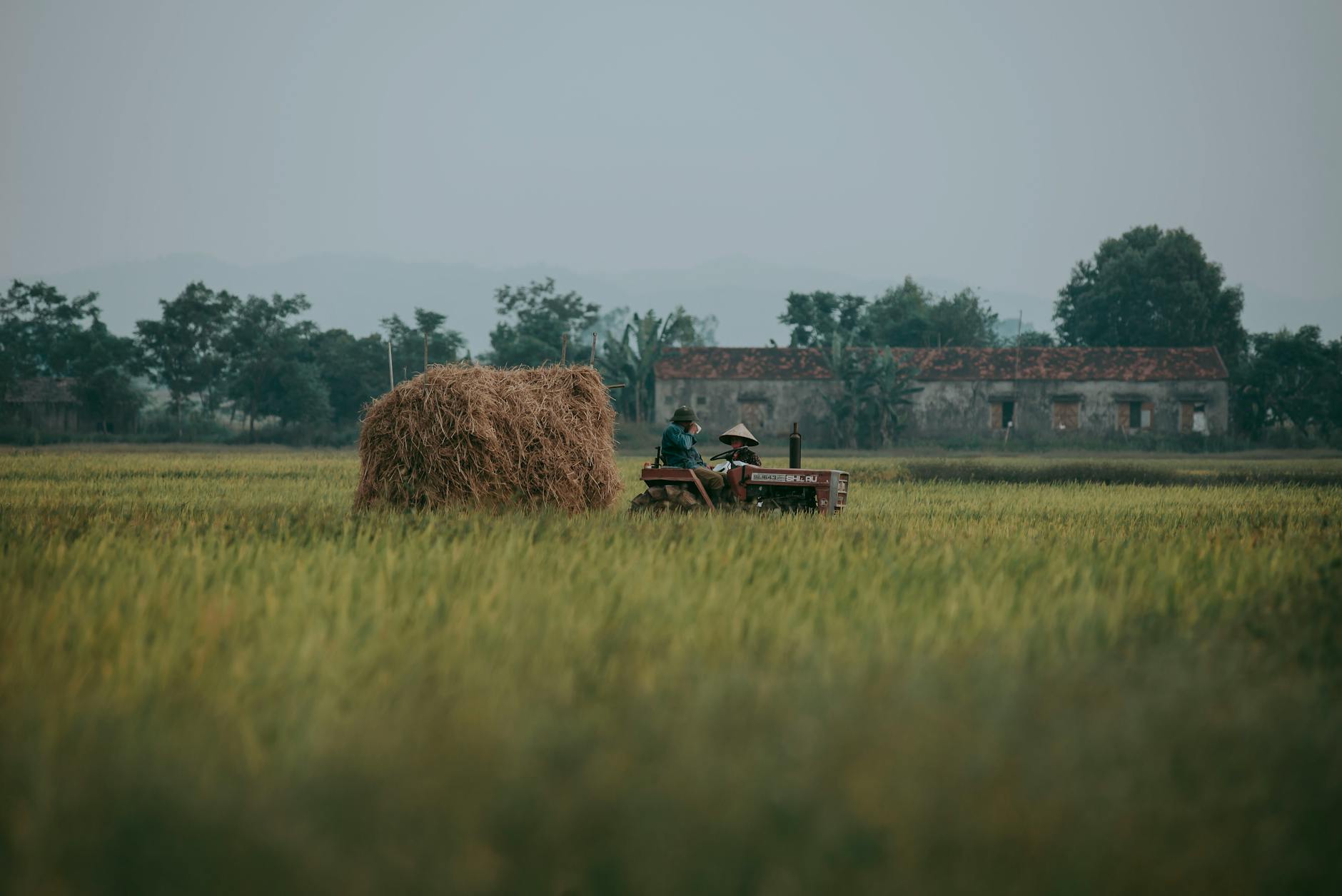
You'll meet at a pickup point in Da Nang city around 7 or 7:30 a.m., travel 30–45 minutes to a family farm or garden in the rural outskirts, and arrive as the farmer is already working. First 20 minutes: walk the land, see what's growing and what needs doing that day. Next 90 minutes: you get your hands dirty—pulling weeds, staking tomato plants, picking leafy greens, or harvesting herbs. The pace is easy; the farmer shows the technique once, then you repeat. Around 10 a.m., you sit in the shade, drink water or weak tea, and talk about crops, family, and village life. Then 60–90 minutes back to the farmhouse kitchen, where you wash, then prep and cook lunch using your harvest—usually a stir-fried vegetable dish, rice, soup, and fresh herbs. You eat together on a wooden table or mat. By 1 or 1:30 p.m., you're back in Da Nang city.

Which season offers the most hands-on work?
Summer (May–August) is intensive—rice paddies need constant weeding and water management, and vegetable beds produce heavily. Spring (February–April) means planting and transplanting seedlings, which teaches technique and patience. Autumn (September–November) is harvest-focused: fruit picking, herb drying. Winter (December–January) is quieter, with less dramatic work but more time to chat and learn about crop rotation. The farmer decides each week what's real and necessary, not what looks good for photos. Rain or drought can change the plan; we don't invent busy-work if conditions don't call for it. This honesty—doing what the land actually needs that day—is what makes it feel genuine, not staged.
Is a farm day suitable for seniors, kids, or mixed groups?
Yes, with adaptations. Seniors (60+) can work standing or sitting, picking herbs and light weeding; we'll warn you if the walk is uneven or steep and suggest rest stops. Kids (8+) thrive on the sensory side—digging, mud, picking fruit, cooking—but can't sustain heavy labor, so they do shorter bursts and help with prep more than fieldwork. Mixed groups of 4–8 work well because the farmer naturally finds roles for different strengths. Families often book family-focused experiences that pair a farm morning with a flower arranging workshop or coffee workshop the next day. If someone has a mobility concern, we ask in advance so the farmer can choose a garden closer to the road or adjust the itinerary. Allergies: tell us before booking if you have peanut, shellfish, or gluten needs; the farmer's family cooks at home and can accommodate.
What should you wear and bring?
Wear loose, lightweight clothes (cotton or linen), closed-toe shoes or sturdy sandals with grip, and a hat or cap. Bring a reusable water bottle, sunscreen, and insect repellent. The farm is muddy in wet season and dusty in dry season; don't wear anything you fear ruining. We provide a basic apron or cloth to tie around your waist. If you forget anything, the farmer usually has spare hats or cloths. Rain gear: if light rain starts, we continue; if heavy, we move to the kitchen to prep and cook indoors, or we reschedule. Most guests don't expect how much they'll enjoy getting genuinely dirty—it's freeing.
How does a farm day compare to other countryside experiences in Da Nang?
| Experience | What you do | Who it's for | Why choose it |
|---|---|---|---|
| Farm visit | Fieldwork, harvesting, cook together | Hands-on learners, families, foodies | Most physical; deepest contact with farmer |
| Countryside cooking class | Cook in a family kitchen using market ingredients | Food enthusiasts, couples | Less dirt; focus on technique and recipes |
| Street food and market tour | Walk a local market, taste snacks, learn vendors' stories | Urban explorers, food tourists | No cooking; best for quick immersion in flavor |
| Coffee workshop | Roast, grind, brew single-origin beans | Coffee geeks, gift-seekers | Sit-down skill; takes 2–3 hours, no physical labor |
| Overnight rural homestay + farm | Sleep in a village home, work the field, full meals | Slow travelers, cultural seekers | Most immersive; requires 2 days |
Many guests combine a farm morning with another half-day experience—a tea experience in the afternoon, or a horse riding lesson in a nearby stable—to build a full day. We coordinate the schedule by WhatsApp.
What's the honest learning curve, and what do beginners worry about?
Most first-timers worry they'll be too slow, too weak, or make mistakes. In reality: the farmer has done this work since childhood and doesn't expect speed from guests; "mistakes" (wrong-sized weeds pulled, uneven rows) don't matter on a family farm; and repetitive tasks—like picking greens leaf by leaf—are actually meditative, not exhausting. The real learning isn't in becoming a farmer; it's in understanding seasonal rhythm, water scarcity, pests, and why fresh vegetables taste so different from market produce. Some guests are surprised by the quiet—no background music, no Wi-Fi, just the sound of water and insects—and love it. Others feel restless. We ask on WhatsApp: Do you want to chat the whole time or work in comfortable silence? The farmer adjusts his pace.
Physical concerns: if you have a bad knee or back, tell us and the farmer will offer sitting tasks (shelling, sorting, herb-stripping). Heat: the farm starts early to avoid midday sun; we work in shade when possible and take water breaks. Bugs: yes, there are mosquitoes and ants; repellent helps, but if you're very sensitive to bites, a farm day might frustrate you. Rain: we work light rain; heavy rain we reschedule.
What's the honest pre-booking checklist?
Before asking about dates, ask yourself:
- Do I want a full day (6–7 hours) or a short morning (3–4 hours)? Full days are richer but tiring if you're not used to heat and standing.
- Am I okay with getting muddy and sweaty? If photo-perfection matters, a farm day isn't it.
- Do I have any mobility, allergy, or dietary restriction we need to know? Tell us in the first message.
- Is my group size 2–8 people? Larger groups we split or refer to other group and corporate experiences.
- Which months interest me? Peak work seasons (May–August, October–November) offer more activity. Quiet seasons (December–February) are slower but calmer.
- Do I want to cook and eat, or just harvest? Some guests prefer to work and leave; we always cook, but can shorten that part.
- What's my fitness level? Not high? Say so. We have work that suits all strengths.
Once you've answered these, ask us about dates on WhatsApp. We'll suggest farms that fit your season, group size, and interests, and send a quote.
How does Cáo Experiences coordinate this, start to finish?
First message: you tell us your dates, group size, and any dietary or mobility needs. We reply within hours with 2–3 farm options (morning or full-day) and available dates. You confirm one. We send you transport details, what to wear, what time to arrive, and the farmer's name. Three days before, we send a reminder by WhatsApp with weather info and any last-minute tweaks. Morning-of: we pick you up on time, introduce you to the farmer, and stay nearby to translate or help with logistics. After the experience, we ask for feedback and photos, and we'll invite you to other Da Nang experiences—horse riding, craft workshops, or art and culture classes—if you're extending your stay. We don't rush you; farm time is slow time.
Most repeat guests book a second farm day or invite friends. We remember dietary needs, physical limits, and personality preferences from your first visit.

FAQ
Is it okay if I've never done farm work before?
Absolutely. The farmer expects tourists and teaches everything from scratch. You'll pick it up within 10 minutes per task. Nerves fade once you start.
What if our group has young children (ages 5–7)?
Ages 5–7 can attend but have shorter attention spans; plan for 2–3 hours, not a full day. The farmer lets them play near the kitchen and do light picking. Older kids (8+) engage more deeply in the work.
Can we request a specific type of farm—rice, fruit, vegetables, flowers?
Yes. Tell us in your first message. We'll match you to a farm growing what interests you. Availability depends on season.
What if the weather forecast is bad on my booked date?
We monitor it together. Light rain, we work; heavy rain, we reschedule or switch to a Vietnamese cooking class in the farmer's kitchen. You keep your date or pick a new one; no cancellation fee.
How much is the experience, and does it include transport and lunch?
Ask us for dates and a quote on WhatsApp. Cost depends on group size, season (peak vs. quiet), and whether it's morning or full-day, and includes all coordination and lunch. Transport from central Da Nang is included; we'll detail the exact pickup point once you book.
Can we combine a farm visit with another experience the same day?
Yes. A morning farm (3–4 hours) leaves your afternoon free for a coffee workshop, tea experience, or flower arranging class. We'll coordinate the timing and transport via WhatsApp and make sure you're not exhausted between the two.
Ask about dates
Tell us the city, your dates and what you would like to try. We reply on WhatsApp in English with options and availability.
FAQ
Is it okay if I've never done farm work before?
Absolutely. The farmer expects tourists and teaches everything from scratch. You'll pick it up within 10 minutes per task. Nerves fade once you start.
What if our group has young children (ages 5–7)?
Ages 5–7 can attend but have shorter attention spans; plan for 2–3 hours, not a full day. The farmer lets them play near the kitchen and do light picking. Older kids (8+) engage more deeply in the work.
Can we request a specific type of farm—rice, fruit, vegetables, flowers?
Yes. Tell us in your first message. We'll match you to a farm growing what interests you. Availability depends on season.
What if the weather forecast is bad on my booked date?
We monitor it together. Light rain, we work; heavy rain, we reschedule or switch to a [Vietnamese cooking class](/cooking-class) in the farmer's kitchen. You keep your date or pick a new one; no cancellation fee.
How much is the experience, and does it include transport and lunch?
Ask us for dates and a quote on WhatsApp. Cost depends on group size, season (peak vs. quiet), and whether it's morning or full-day, and includes all coordination and lunch. Transport from central Da Nang is included; we'll detail the exact pickup point once you book.
Can we combine a farm visit with another experience the same day?
Yes. A morning farm (3–4 hours) leaves your afternoon free for a [coffee workshop](/coffee-workshop), [tea experience](/tea-experience), or [flower arranging class](/flower-arranging). We'll coordinate the timing and transport via WhatsApp and make sure you're not exhausted between the two.
More like this
Farm and countryside days
Fishing Experience Vietnam for Japanese Travelers: Where to Go & What to Expect
Vietnam's waterways offer Japanese travelers a chance to learn traditional fishing methods directly from locals. Cáo Experiences runs half- and full-day sessions on rivers, lakes and the Mekong Delta where you cast nets, set traps, and cook your catch.
Farm and countryside days
Fishing Experience Vietnam for Foreigners: Hands-On Guide
Fishing in Vietnam isn't a spectator sport—you'll wade into rivers, cast nets, trap fish in baskets, and cook your catch for lunch. We run small-group and private fishing days in the countryside outside Hanoi, Ha Noi region, and the Mekong Delta.
Farm and countryside days
Fishing Experience in Vietnam: 8 Questions to Ask Before You Go
Fishing in Vietnam means wading through rice paddies, learning trap techniques, or casting in rivers with local guides. Here's what to ask before you book.