
Home › Blog › Farm and countryside days
Farm Experience in Da Nang: What to Expect
By the Cáo Experiences team · 2026-11-06
A farm experience in Da Nang with Cáo Experiences runs half or full day in a family kitchen or plot outside the city center, where you work directly with growers—harvesting, planting, watering, or composting depending on the month. Morning sessions typically start before 8 a.m. when it's coolest; you'll wear simple clothes you don't mind getting soil on, bring water and sunscreen, and expect 2–4 hours of real, gentle labor alongside locals who speak Vietnamese (we translate). There's no hard cost if you're only harvesting; physical strain depends on your mobility, and we always adapt tasks for kids, seniors, and first-timers. Lunch is usually cooked in a farmhouse kitchen using what you've picked or what the family grows. Ask us for dates and a quote on WhatsApp to confirm availability and what the season offers that week.
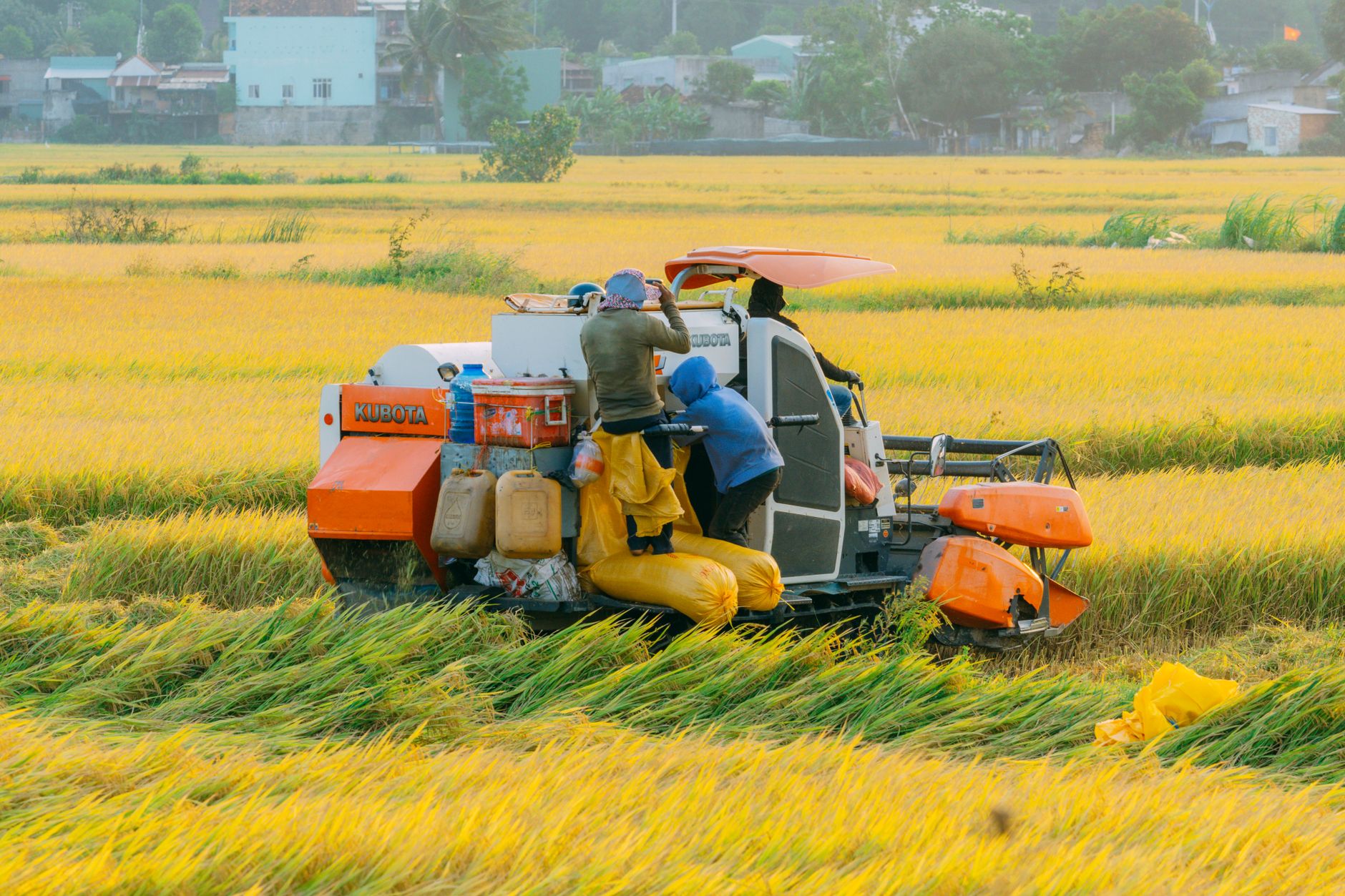
A farm experience in Da Nang means waking early, working alongside growers in vegetable plots and rice fields, and understanding how food moves from soil to table. We host small groups in family-run countryside settings where the pace and tasks shift with the season.
What time do we actually start—and why so early?
We begin between 7 and 8 a.m., before midday heat climbs above 30°C. Early start lets you work comfortably, see how farmers organize their day, and finish by lunch. Morning light is softer, insects are less aggressive, and the grower's water supply is fresher. If you're not a morning person, tell us when you book—we can sometimes arrange an afternoon session, though output and comfort will be lower. The rhythm feels unfamiliar at first: no coffee shop, no emails, just soil and tasks that have a clear, visible end.

Which crops will I actually touch—and does it depend on when I visit?
Season determines everything. January to March: leafy greens (water spinach, mustard), root crops being harvested, soil prep for spring. April to June: fruit-bearing plants (tomatoes, eggplant, melon), more watering, some weeding. July to September: post-monsoon replanting, flood recovery, herbs. October to December: cool-weather vegetables (cabbage, broccoli), heavier tillage. We don't force crop choices; you do what's real that week. Some visitors arrive hoping to pick strawberries and find we're turning compost instead—we explain why, show you the work, and many find it more honest than a tourist-scripted farm. First-timers often underestimate how much stamina even "gentle" harvesting takes; a half-day is usually right for couples and solo travelers, full-day for groups used to outdoor work.
How do we adapt for families with young kids and older guests?
Young children (under 8) can water plants, sort vegetables, play in compost, and observe, but rarely sustain 2+ hours of one task. We typically ask parents to expect kids to stay busy 90 minutes, then want to rest in the shade. Older guests sometimes worry about bending, heat, or getting muddy—we adjust. Instead of harvesting close to the ground, they might help string beans on trellises, sort produce indoors, or sit with the grower and learn about soil and crop rotation while drinking tea. Kids and seniors are equally welcome; the farm isn't a gym, it's a place where different bodies do different work at their own pace.
What happens if it rains, and what should I bring?
Da Nang has humidity year-round; June to September brings real rain. If heavy rain comes the night before, we'll reschedule—waterlogged soil is hard to work and no fun. Light drizzle during the session doesn't stop us; we carry ponchos and keep going. Bring: old shoes or sandals that dry fast, lightweight clothes (long sleeves help against sun and bugs), water bottle, sunscreen, a small towel. We provide gloves and any tools. If you're worried about mud, choose October to December when the ground is drier. Hat and water are non-negotiable.
How does this connect to other ways of learning food in Da Nang?
A farm visit is the start of the story. Many guests follow it with Vietnamese cooking class to cook what they've harvested, or a street food and market tour to see how farm produce flows into city commerce. Some book a countryside experience as part of a longer stay that includes wellness and slow experiences like tea or coffee. We can help combine them—ask when you contact us. The farm itself isn't isolated; it sits within the countryside rhythms that shape every meal in Da Nang.
| Angle | Who it suits | What happens | Why it matters |
|---|---|---|---|
| Morning harvest | Solo travelers, couples | 8 a.m.–12 p.m., picking vegetables, watering | See how volume and speed matter in farming |
| Full-day work party | Groups, team outings, families | 7 a.m.–2 p.m., mixed tasks, lunch cooked from harvest | Real fatigue + real satisfaction; deeper bonding |
| Seasonal planting | First-timers, curious adults | April–June or October–November, soil prep, sowing seeds | Hands-on from start, slower pace, visible growth |
| Rainy-season prep | Observers, older guests | July–August, composting, drainage, rotation planning | Learn why timing and resilience matter in tropics |
What actually goes wrong, and how do we help?
Blisters and sore hands: gloves are provided, but using a hoe or pulling roots for 2 hours is work. We rest often. Bring blister plasters if your hands are tender.
Insect bites and itching: mosquitoes and small flies are common, especially at dawn. Long sleeves help; we have repellent. Some people react badly to unfamiliar insect bites—take antihistamine if you know you're prone.
Heat and exhaustion: dehydration sneaks up. We stop every 30–45 minutes in shade, drink water, eat fruit. If you feel faint or overheated, we stop immediately. Tell us if you have heat sensitivity when booking.
Expecting Instagram perfection: real farms are muddy, smell of manure and wet earth, have unglamorous equipment, and sometimes look chaotic to a newcomer. That's the point. If you want a manicured photo moment, tell us—we'll position you, but the real work looks like real work.
Muscle soreness the next day: squatting, reaching, and bending use muscles you don't use at a desk. Mild soreness is normal. If you're unused to physical activity, choose a half-day or lighter tasks like sorting indoors.
What to check before you book
— Do you have a medical condition (back, knees, heat sensitivity) that might make standing and bending difficult? Tell us so we can plan safe tasks.
— Are you allergic to insect bites, or sensitive to sun? We can brief you on precautions.
— Do you expect the farm to provide all tools, water, and snacks? We do—just confirm when you ask about dates.
— Will children need entertainment beyond farm tasks? Bring a book or small toy for quiet time; farms aren't day-care.
— Are you hoping to buy produce to take home? Sometimes we can pack small amounts; sometimes not. Ask when booking.

FAQ
Do I need to be fit or experienced to join?
No. Tasks scale to your mobility: you can harvest from waist-height beds, water with a can, or sort vegetables indoors. Tell us any physical limits when booking and we'll design your session around them.
What do we eat for lunch?
Usually a simple meal cooked in the farmhouse kitchen using produce from that day or the farm's regular crops. Vegetarian, seafood, or meat—let us know dietary needs in advance. Coffee or tea after, often homegrown or sourced locally.
Can I bring my young kids?
Yes. Kids under 8 enjoy 90 minutes of play-like tasks (watering, digging, sorting). Older kids can work longer. Bring snacks and water for them; we don't supervise childcare, so a parent stays engaged.
What if the season doesn't have the crop I hoped for?
Seasons in Da Nang shift every 6–8 weeks. We explain what's growing when you book and suggest dates that match your interest. Last-minute bookings get what's real that week—sometimes that's more interesting than you expected.
How do we get to the farm?
We coordinate transport details via WhatsApp after you book. Most farms are 20–40 minutes by motorbike or car from central Da Nang. We'll tell you the meeting point and whether you arrange your own ride or we help coordinate.
Can I come back and volunteer for free, or learn farming as a longer project?
We design experiences for travelers and visitors, not ongoing volunteering programs. If you're interested in extended learning or living on a farm, ask us—we might know local agriculture schools or long-term placements, but that's outside our usual scope. Ask about dates on WhatsApp
Ask about dates
Tell us the city, your dates and what you would like to try. We reply on WhatsApp in English with options and availability.
FAQ
Do I need to be fit or experienced to join?
No. Tasks scale to your mobility: you can harvest from waist-height beds, water with a can, or sort vegetables indoors. Tell us any physical limits when booking and we'll design your session around them.
What do we eat for lunch?
Usually a simple meal cooked in the farmhouse kitchen using produce from that day or the farm's regular crops. Vegetarian, seafood, or meat—let us know dietary needs in advance. Coffee or tea after, often homegrown or sourced locally.
Can I bring my young kids?
Yes. Kids under 8 enjoy 90 minutes of play-like tasks (watering, digging, sorting). Older kids can work longer. Bring snacks and water for them; we don't supervise childcare, so a parent stays engaged.
What if the season doesn't have the crop I hoped for?
Seasons in Da Nang shift every 6–8 weeks. We explain what's growing when you book and suggest dates that match your interest. Last-minute bookings get what's real that week—sometimes that's more interesting than you expected.
How do we get to the farm?
We coordinate transport details via WhatsApp after you book. Most farms are 20–40 minutes by motorbike or car from central Da Nang. We'll tell you the meeting point and whether you arrange your own ride or we help coordinate.
Can I come back and volunteer for free, or learn farming as a longer project?
We design experiences for travelers and visitors, not ongoing volunteering programs. If you're interested in extended learning or living on a farm, ask us—we might know local agriculture schools or long-term placements, but that's outside our usual scope. [💬 Ask about dates on WhatsApp](https://wa.me/84338762340)
More like this
Farm and countryside days
Fishing Experience Vietnam for Japanese Travelers: Where to Go & What to Expect
Vietnam's waterways offer Japanese travelers a chance to learn traditional fishing methods directly from locals. Cáo Experiences runs half- and full-day sessions on rivers, lakes and the Mekong Delta where you cast nets, set traps, and cook your catch.
Farm and countryside days
Fishing Experience Vietnam for Foreigners: Hands-On Guide
Fishing in Vietnam isn't a spectator sport—you'll wade into rivers, cast nets, trap fish in baskets, and cook your catch for lunch. We run small-group and private fishing days in the countryside outside Hanoi, Ha Noi region, and the Mekong Delta.
Farm and countryside days
Fishing Experience in Vietnam: 8 Questions to Ask Before You Go
Fishing in Vietnam means wading through rice paddies, learning trap techniques, or casting in rivers with local guides. Here's what to ask before you book.