
Home › Blog › Farm and countryside days
Farm Experience in Ha Long Bay: What to Choose & How It Works
By the Cáo Experiences team · 2026-11-06
A farm experience in Ha Long Bay takes you away from cruise boats into the rural villages and smallholdings that feed the region. Most sessions run 4–6 hours, starting early morning, and include garden work (seasonal planting, weeding, harvesting), a meal cooked from what you've picked, and often a walk or visit to a family home. Cáo Experiences coordinates these in English with pre-trip WhatsApp contact; we match you with a family farm suited to your fitness level and interests—some focus on vegetables, others on fruits or herbs. Cost varies by group size and season; ask us for dates and a quote on WhatsApp. Expect to get muddy, learn about Vietnamese rural life firsthand, and eat better than you would in a restaurant. Beginners worry about language and fitness—we translate and adapt the pace. Rain doesn't stop us; we work in light cover or shift to indoor cooking and craft instead.
What happens hour by hour on a farm day?
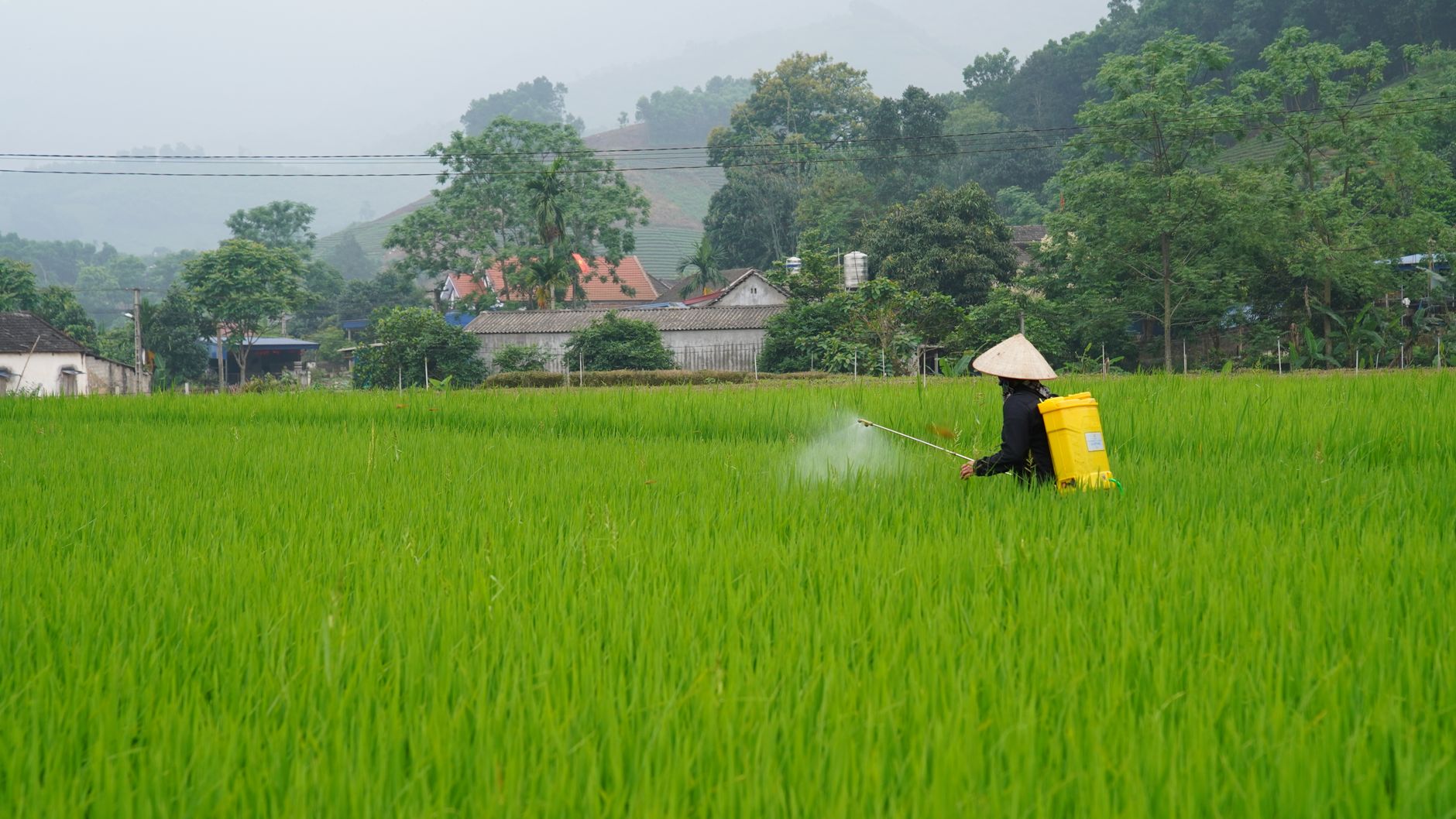
You arrive early (typically 6–7 a.m.) at a family kitchen in a rural lane outside town, often after a short motorbike or car ride. The host introduces you to the garden, explains what's in season, and hands you tools—no experience needed. For the first 1–2 hours you work: planting seedlings, pulling weeds around herbs, picking ripe vegetables or fruit. You'll kneel or crouch, so wear clothes you don't mind soiling. Around 9 a.m., you wash hands and move to the kitchen. This is the core: you chop, stir-fry, steam, or boil what you just harvested. The host cooks alongside you, teaching technique and flavor—why they use fish sauce at that moment, how to taste for salt. By 11 a.m. or noon, you eat together with the family, often sitting on low stools around a shared table. After lunch, some sessions end; others continue with a garden walk, tea in the shade, or a craft (weaving palm, making fish traps). You leave by early afternoon, full and tired in a good way.

How does a farm session differ from other countryside experiences?
Farm days are about doing and eating—you're not just observing. On a farm and countryside experience, you're actively in the soil, making decisions (which weeds to pull, how much garlic to add), and eating the result. This is different from a street food and market tour, where you walk vendor stalls and taste prepared dishes, or a horse riding experience, which focuses on skill and landscape. A farm session sits between passive sightseeing and a full Vietnamese cooking class: you learn cooking in the host's kitchen, not a studio, using their ingredients and stories. If you're older or less mobile, we can adapt a farm visit to lighter work—sorting, snapping beans, or sitting by the host while they cook and you talk. Families with kids often do morning only, letting children help with harvest and then eat. The conclusion: farm experiences suit anyone wanting slow, tactile learning tied to food.
What should you actually wear and bring?
Wear closed-toe shoes with grip (you'll be on wet or muddy ground), long trousers or capris if you dislike dirt on legs, and a shirt you can move in and get stained. Bring a sun hat, sunscreen, a small towel, and a water bottle. We provide gardening gloves, but many guests prefer none—better feel for the plants. Don't wear jewelry you'll worry about losing. Camera or phone optional; most people take a few photos but find they're too engaged to film much. Toilets are basic (squat-style, no seat, often just a bucket of water for rinsing), so use the bathroom before the session starts. We provide soap and water for hand-washing before eating. Bring any medications (antihistamines if you're allergic to insect bites, for instance). Tell us in advance if you have food allergies or dietary restrictions: we'll work with the host to modify the cooking without breaking the experience.
Which farm type suits your group: compare the main options
| Farm focus | Best for | Session feel | Time | Rainy-day switch |
|---|---|---|---|---|
| Vegetable garden (leafy greens, herbs, root crops) | Families, first-timers, anyone new to farming | Peaceful, rhythmic, all seasons | 4–5 hours | Move indoors; cook vegetable soup, paste, or rolls |
| Fruit orchard (citrus, dragon fruit, passion fruit—seasonal) | Groups, photographers, taste-lovers | Climbing, picking, sweet flavors | 4–6 hours | Harvest shift indoors; make juice, jam, or dessert |
| Rice paddy (water season, May–Oct) | Adventurers, younger groups, culture-focused | Wet, immersive, authentic | 5–6 hours | Cook rice-based dishes; learn grain storage |
| Mixed smallholding (vegetables + small livestock) | Families with older kids, all-rounder seekers | Varied tasks, animals, real-life farm | 4–6 hours | Focus on animal care, kitchen, storytelling |
| Herb & medicinal garden (mint, basil, turmeric, lemongrass) | Wellness-curious, tea experience fans, chefs | Aromatic, therapeutic, hands-on | 4–5 hours | Dry herbs; make tea, salve, or spice blends |
Most farms around Ha Long Bay are vegetable or mixed smallholdings; fruit orchards depend on season (June–Oct best). Costs vary; ask us for dates and a quote on WhatsApp.
What worries do first-timers actually have, and how do we solve them?
"I'm not fit enough / too old." Farm work is low-intensity: you kneel, crouch, or stand—no heavy lifting. We pair older guests with lighter tasks (snapping beans, tying herbs, sorting). Bring a small stool if you need to sit while working.
"I can't speak Vietnamese." We send an English-speaking host or coordinate a translator via WhatsApp. The host family usually speaks some English or French; gardening is hands-on, so much is shown not spoken.
"What if I'm allergic to the food?" Tell us before you book. We'll discuss with the host kitchen alternatives—fish sauce can be omitted, chili reduced, gluten-free crops substituted. Vietnamese farm kitchens are flexible once they know.
"It'll be too touristy / fake." These are real working farms, not theme parks. Tourists don't usually go; locals work and eat there daily. If a host wants a photo or to share their story, that's genuine hospitality, not performance.
"What if it rains?" Light rain rarely stops us—we work in it, then move to the kitchen sooner. Heavy rain shifts the focus: we work in a covered area (barn, shed), sort or prep indoors, and spend more time cooking together. We'll tell you the plan by morning via WhatsApp.
How to choose and what to check before you book
Start with your interest: Are you excited by gardening, cooking, animals, or just eating well? Pick the farm focus that matches. A vegetable plot suits cooking lovers; an orchard suits pickers and photographers.
Check your fitness realistically: Can you kneel for 30 minutes? Walk on uneven ground? If no, tell us—we'll adapt or suggest an alternative wellness or art and culture class instead.
Confirm group size and timing: Farm experiences run best with 1–6 people (beyond that, the host feels crowded). Ask us if your group is larger; we may split sessions or find a bigger holding.
Declare allergies and dietary needs: Not just nut allergy—also fish sauce aversion, vegetarianism, religious restrictions. The host needs days' notice.
Ask about weather and season: Some work is seasonal (rice planting May–June, harvest Sept–Oct). Rain plans should be confirmed in the WhatsApp chat.
Wear the right clothes: Not a mistake, but a detail that makes or breaks comfort. Review the list above.
Bring cash for tips (optional but appreciated): The host family is working for modest income. Small gifts (chocolate, coffee from your country) mean a lot.
Related experiences to combine with a farm day
If you love hands-on learning, pair a farm visit with a Vietnamese cooking class in town for deeper technique, or a tea experience if the farm grows tea or herbs. Families might add family-focused workshops in the same region. Groups doing a multi-day trip could mix a farm day with horse riding through countryside or a craft workshop in a village. Start your planning on WhatsApp—we'll suggest combinations that flow with your timeline.
Explore our farm and countryside experiences: Browse farm experience details

FAQ
How early do I need to wake up for a farm experience?
Most sessions begin 6:30–7:00 a.m. to catch cooler morning light and work before midday heat. If you're staying in Ha Long town, the ride is 20–40 minutes. We confirm pickup time via WhatsApp. Early starts feel hard beforehand, easier once you're there.
Can kids do a farm day, or is it only for adults?
Kids age 5+ work well at farms. Younger children get bored with repetitive tasks. They love picking, helping cook, and eating. Adjust expectations: they'll work 1–2 hours, then play or help in the kitchen. Tell us ages in advance so we brief the host.
What if I'm vegetarian or vegan?
Most farm cooking uses fish sauce, shrimp paste, or pork. Tell us before booking. We can arrange vegetable-only harvest, tofu or plant-based protein in the kitchen, and soy-based seasoning. The host will adapt happily.
Do I need any farming experience?
No. First-timers learn by doing. The host shows you; mistakes are part of it. You'll make clumsy rows, miss weeds, over-salt a dish—and laugh about it. That's the point.
What if the weather turns bad mid-session?
Light rain stays okay; we work under palm fronds or plastic sheets. If it's heavy, we shift to the kitchen, storage area, or a covered barn. We'll update you by 7 a.m. via WhatsApp if the plan changes significantly.
Do you offer farm experiences in other regions—Hanoi, Hoi An, Da Nang?
Yes. Our farm offerings in Hanoi focus on valley suburbs; Hoi An and Da Nang include mountain and riverside farms; Da Lat emphasizes cooler-climate crops like strawberries and lettuce. Ask us for dates and location options on WhatsApp.
Ask about dates
Tell us the city, your dates and what you would like to try. We reply on WhatsApp in English with options and availability.
FAQ
How early do I need to wake up for a farm experience?
Most sessions begin 6:30–7:00 a.m. to catch cooler morning light and work before midday heat. If you're staying in Ha Long town, the ride is 20–40 minutes. We confirm pickup time via WhatsApp. Early starts feel hard beforehand, easier once you're there.
Can kids do a farm day, or is it only for adults?
Kids age 5+ work well at farms. Younger children get bored with repetitive tasks. They love picking, helping cook, and eating. Adjust expectations: they'll work 1–2 hours, then play or help in the kitchen. Tell us ages in advance so we brief the host.
What if I'm vegetarian or vegan?
Most farm cooking uses fish sauce, shrimp paste, or pork. Tell us before booking. We can arrange vegetable-only harvest, tofu or plant-based protein in the kitchen, and soy-based seasoning. The host will adapt happily.
Do I need any farming experience?
No. First-timers learn by doing. The host shows you; mistakes are part of it. You'll make clumsy rows, miss weeds, over-salt a dish—and laugh about it. That's the point.
What if the weather turns bad mid-session?
Light rain stays okay; we work under palm fronds or plastic sheets. If it's heavy, we shift to the kitchen, storage area, or a covered barn. We'll update you by 7 a.m. via WhatsApp if the plan changes significantly.
Do you offer farm experiences in other regions—Hanoi, Hoi An, Da Nang?
Yes. [Our farm offerings in Hanoi](/destinations/hanoi) focus on valley suburbs; [Hoi An](/destinations/hoi-an) and [Da Nang](/destinations/da-nang) include mountain and riverside farms; [Da Lat](/destinations/da-lat) emphasizes cooler-climate crops like strawberries and lettuce. Ask us for dates and location options on WhatsApp.
More like this
Farm and countryside days
Fishing Experience Vietnam for Japanese Travelers: Where to Go & What to Expect
Vietnam's waterways offer Japanese travelers a chance to learn traditional fishing methods directly from locals. Cáo Experiences runs half- and full-day sessions on rivers, lakes and the Mekong Delta where you cast nets, set traps, and cook your catch.
Farm and countryside days
Fishing Experience Vietnam for Foreigners: Hands-On Guide
Fishing in Vietnam isn't a spectator sport—you'll wade into rivers, cast nets, trap fish in baskets, and cook your catch for lunch. We run small-group and private fishing days in the countryside outside Hanoi, Ha Noi region, and the Mekong Delta.
Farm and countryside days
Fishing Experience in Vietnam: 8 Questions to Ask Before You Go
Fishing in Vietnam means wading through rice paddies, learning trap techniques, or casting in rivers with local guides. Here's what to ask before you book.