
Home › Blog › Farm and countryside days
Farm Experience in Hanoi: What to Expect
By the Cáo Experiences team · 2026-11-06
A farm experience in Hanoi with Cáo Experiences is a hands-on day (usually 4–6 hours) in a working family kitchen garden or smallholding 30–45 minutes outside the city. You arrive early, help with weeding, planting, harvesting, or caring for animals depending on the season, share a meal cooked from what grows there, and return by mid-afternoon. Beginners, kids, seniors, and non-gardeners are all welcome—we adapt tasks to fitness and interest. Rain reshapes but doesn't cancel; we move indoors or focus on covered work. Cost varies by group size and season; ask us for dates and a quote on WhatsApp. Avoid wearing open-toed shoes, expect mud, bring sun protection, and be ready to move slowly and rest often.
What Does a Farm Morning Actually Look Like?
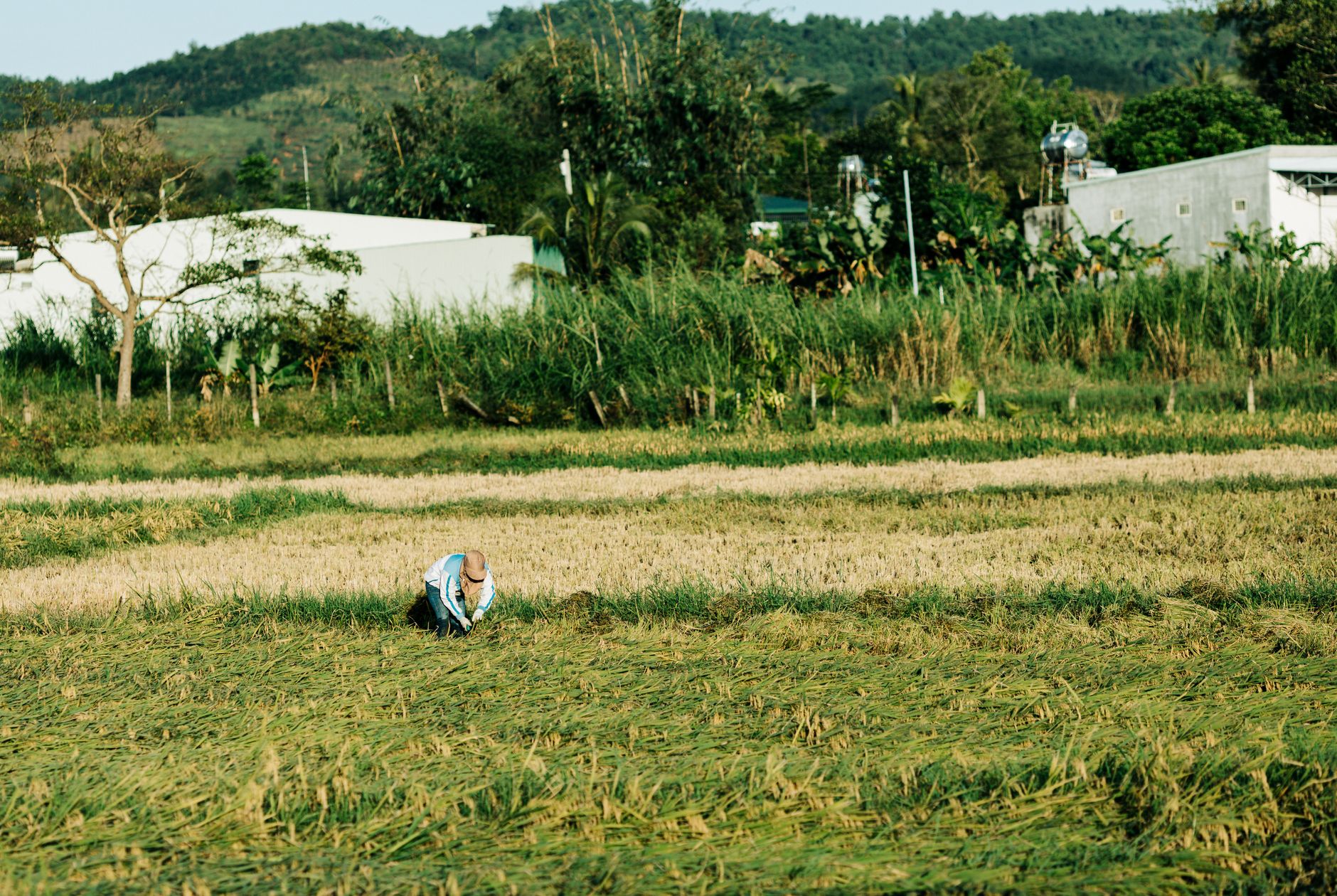
We arrive before 7 a.m., when the air is coolest and the family is already working. You'll see vegetable beds, possibly a small fruit section, chickens or ducks, and maybe a pig or goat. The hosts show you what grows right now—tomatoes, bitter melon, morning glory, herbs, pumpkin—and explain the lunar calendar, monsoon timing, and pest management without chemicals. For the first hour, you work alongside them: pulling weeds, turning soil, setting up bamboo stakes, or watering by hand. Kids often enjoy carrying seedlings or collecting eggs. Seniors choose lighter tasks—sorting vegetables, learning names and uses, sitting with the grandmother. By 8:30 a.m., hands and feet are dirty; that's the goal.
The work teaches respect for timing and patience. You feel the difference between hand-picked and store-bought; you notice insects, weeds, and soil texture. Many guests say the quiet and repetition are meditative—a sharp contrast to Hanoi traffic.

Why Seasonal Timing Changes Everything
What you do depends on which month you visit. Spring (January–March) means planting: preparing beds, sowing seeds, transplanting seedlings. Summer (April–June) is growth and heavy watering; you harvest herbs daily. Autumn (July–September) brings flood risk and new sowings; work is shorter but urgent. Winter (October–December) is harvest-heavy—pulling root vegetables, clearing beds, preserving—and the coolest time to work.
A guest who came in July worked in the morning coolness, then learned to make pickled mustard greens from the harvest by 10 a.m. The same family in November had guests digging sweet potato and taro—dirtier, slower, but richer in yield. There's no "best" time; there's your time and what grows then. Ask what's in season when you book.
What Do You Cook and Eat?
Breakfast or a mid-morning meal always uses vegetables you've harvested or helped pick. A typical farm kitchen has a wood or gas stove, a clay pot, a mortar and pestle, and a cutting board. You help chop vegetables, pound herbs, and watch or assist as the host cooks a simple soup, stir-fry, or fresh spring rolls. If you've done a Vietnamese cooking class before, this feels intimate and improvisational—no recipe card, just "we have morning glory today, so we do this."
Water comes from a well or tap. Rice is always present. Eggs from the farm's birds appear frequently. Salt, fish sauce, garlic, chilli, and oil are constants. Meals feed 4–8 people for roughly 45 minutes; eating together is the point, not speed. Allergies and dietary needs are accommodated: tell us in advance, and we alert the host. Vegetarian days work; pork-free works; nut allergies are common and handled.
Many guests compare this to food they've tasted at restaurants and realize the restaurant version is a memory of farm food, not the other way around.
How Do Kids, Seniors, and Mixed Groups Experience It?
Kids (ages 5–12): They collect eggs, carry vegetables in baskets, play in soil, meet animals, and ask endless questions. Most tire around hour four; we wrap by then. Bring a hat, water, and patience with dirt-on-clothes. The sensory learning sticks longer than any classroom.
Teens (13–17): If interested, they work seriously—digging, hauling water, learning pest management. If skeptical, they photograph, observe, and chat with the host's children. Rural kids and city visitors often bond quickly.
Seniors: Lighter tasks, plenty of sitting and shade. You might sort vegetables, shell beans, listen to farm stories, or help in the kitchen only. The pace is slow; we stop early. Mobility concerns are discussed when you book; we avoid steep slopes and adapt accordingly.
Mixed groups (families, couples, friends): Everyone works side-by-side for the first 2–3 hours, then some help in the kitchen while others rest or explore. This prevents frustration and lets people find their rhythm.
Rain affects all groups equally. We pause heavy digging, move to kitchen or covered shed work, or reschedule if flooding risks the site.
What's the Real Difference Between a Farm Day and Other Countryside Experiences?
| Experience | Focus | Duration | Physical | Takeaway |
|---|---|---|---|---|
| Farm work | Hands-in soil, seasonal tasks, learning cycles | 4–6 hours | High | Connection to land and food |
| Street food and market tour | Ingredient sourcing, vendor stories, tasting | 3–4 hours | Moderate | Where food comes from (city view) |
| Countryside experiences | Broader: work + scenery + meals + cultural rhythm | 6–8 hours | Varies | Immersion in rural life |
| Horse riding experience | Animal partnership, landscape travel | 2–3 hours | High | Movement through nature |
| Tea experiences | Terroir, ceremony, tasting, often in upland farms | 3–5 hours | Low–moderate | Appreciation of craft and place |
A farm day is the most unstructured and labor-based. You're not a tourist observing; you're a temporary worker. That's uncomfortable for some, revelatory for others.

How Do You Actually Get There, and What Do You Need?
We coordinate by WhatsApp. You tell us your dates, group size, mobility needs, and dietary needs. We confirm the farm, transportation time, and any prep. You meet us at an agreed point in Hanoi (usually central) or we arrange pickup if your group is 4+.
What to bring:
- Hat or cap (sun reflects off water and soil)
- Sturdy closed shoes with grip (mud and water, no flip-flops)
- Long trousers or capris (sun, insects, comfort in the garden)
- Sunscreen (morning work is in open light)
- Water bottle (we refill from the farm well; bring your own bottle for reassurance)
- Small towel (for sweating hands and face)
- Phone in a waterproof bag if you want photos
What we provide:
- Transport or coordination
- Host's time and knowledge
- Meal, cooked on-site
- A calm pace and cultural context
What to expect to get:
- Muddy hands and feet (normal, not a failure)
- Insect bites (rare, but possible; bring repellent if worried)
- Sunburn if you skip sunscreen (avoidable)
- Genuine exhaustion by hour five (good exhaustion, guests say)
What Common Worries Do Guests Raise, and What's Honest?
"I've never gardened. Will I be useless?" No. Pulling a weed, watering, or holding a basket teaches you more than knowing technique. The host prefers you unskilled—they enjoy explaining. Beginners often work longer because they're focused.
"Will it be too hot/cold/wet?" Summer is hot; we go early and rest. Winter is cool and pleasant. Rain is unpredictable; we have a backup plan (kitchen work, rescheduling). Heat and humidity are part of rural life; mild discomfort is the point.
"What if I get sick or injured?" Minor cuts and bites are normal. Serious issues are rare. Farms are 30–45 minutes from Hanoi hospital. If you have a condition, tell us; we assess risk. No liability, but honesty first.
"Will I understand the language?" We arrange a host who speaks English, or we translate. Some quiet time is fine; language isn't the only communication. Younger hosts often speak more English; older hosts speak slower and clearer. Gestures and laughter work everywhere.
"Is this tourism or work?" Both. You work genuinely, not for show. But you're not hired labor—you're learning, sharing, and leaving by mid-afternoon. The host feeds and teaches you; you offer help and respect. It's exchange, not employment.
What to Check Before You Book
- Group size and age range:
Tell us exactly. We pair kids with age-appropriate tasks and seniors with rest time.
- Mobility or health limits:
Arthritis, bad knees, pregnancy, asthma—mention it. Some farms are flat and easy; others have slopes. We match you.
- Dietary needs and allergies:
We need names (nut, shellfish, gluten) and vegetarian/vegan/halal status at booking, not the morning of.
- Weather tolerance:
"I hate rain" means we pick dry season or prepare you for Plan B. "I'm fine with anything" means we go unless floods threaten.
- Why you're coming:
Honeymoon? Team building? Family memory? Learning agriculture? A goal changes our choice of farm and pace. Tell us in a quick message.
- Budget and time:
Ask us for dates and a quote on WhatsApp. Don't guess pricing; it varies by season, group size, and transport.
What's Unique About Hanoi Farm Days vs. Other Regions?
Hanoi surroundings (Thai Nguyen, Ba Vi, Soc Son directions) have clay and granite soil, monsoon seasons, and three crops per year in some areas. You see smaller, family-scale farms, not industrial fields. Hosts are often multi-generational—grandparent, parent, child all working. Experiences in Hanoi are shaped by city nearness: farms sell surplus in morning markets, use city labor during crunch, and have urban visitors regularly. This means hosts are used to questions and explaining. In contrast, southern or highland farms are larger or more remote. Hanoi farm days are intimate, close, and realistic without being exotic.
Cáo Experiences runs farm days year-round. We've learned that the most memorable moments—realizing how long a carrot takes to grow, tasting a tomato still warm from the sun, laughing at your own clumsiness—happen in the quiet, the mud, and the repetition, not in a script.
FAQ
Do I need farming experience to join?
No. Beginners are ideal guests. The host enjoys teaching; you learn fastest by doing, not watching.
What happens if it rains?
Light rain means we shift to covered work—kitchen, sorting vegetables, or storytelling. Heavy rain may mean rescheduling. We decide the morning of based on ground safety.
Can I bring my kids?
Yes, ages 5+. Kids enjoy collecting eggs, carrying baskets, and playing in soil. Very young children (under 5) tire quickly; we can adapt a shorter session.
How do I get to the farm?
We arrange a meeting point in Hanoi and coordinate transport, or we can arrange pickup if your group is 4+. Details are confirmed when you book.
Will there be vegetarian food?
Yes. Tell us at booking, and we confirm with the host. Farm meals are often vegetable-heavy; protein adjustments are made.
What if I have allergies?
Essential. Tell us the allergen (nuts, shellfish, gluten, etc.) when you book. We alert the host in advance, and they cook safely for you.
How many people are usually in a group?
2–8 guests. Larger groups can be arranged with multiple hosts or split sessions.
What's the best time of year to visit?
October–December (cool, harvest time) is easiest. April–June (growth) and January–March (planting) are engaging. July–September is hot but possible. Ask us what's active when you want to come.
Ask about dates
Tell us the city, your dates and what you would like to try. We reply on WhatsApp in English with options and availability.
FAQ
Do I need farming experience to join?
No. Beginners are ideal guests. The host enjoys teaching; you learn fastest by doing, not watching.
What happens if it rains?
Light rain means we shift to covered work—kitchen, sorting vegetables, or storytelling. Heavy rain may mean rescheduling. We decide the morning of based on ground safety.
Can I bring my kids?
Yes, ages 5+. Kids enjoy collecting eggs, carrying baskets, and playing in soil. Very young children (under 5) tire quickly; we can adapt a shorter session.
How do I get to the farm?
We arrange a meeting point in Hanoi and coordinate transport, or we can arrange pickup if your group is 4+. Details are confirmed when you book.
Will there be vegetarian food?
Yes. Tell us at booking, and we confirm with the host. Farm meals are often vegetable-heavy; protein adjustments are made.
What if I have allergies?
Essential. Tell us the allergen (nuts, shellfish, gluten, etc.) when you book. We alert the host in advance, and they cook safely for you.
How many people are usually in a group?
2–8 guests. Larger groups can be arranged with multiple hosts or split sessions.
What's the best time of year to visit?
October–December (cool, harvest time) is easiest. April–June (growth) and January–March (planting) are engaging. July–September is hot but possible. Ask us what's active when you want to come.
More like this
Farm and countryside days
Fishing Experience Vietnam for Japanese Travelers: Where to Go & What to Expect
Vietnam's waterways offer Japanese travelers a chance to learn traditional fishing methods directly from locals. Cáo Experiences runs half- and full-day sessions on rivers, lakes and the Mekong Delta where you cast nets, set traps, and cook your catch.
Farm and countryside days
Fishing Experience Vietnam for Foreigners: Hands-On Guide
Fishing in Vietnam isn't a spectator sport—you'll wade into rivers, cast nets, trap fish in baskets, and cook your catch for lunch. We run small-group and private fishing days in the countryside outside Hanoi, Ha Noi region, and the Mekong Delta.
Farm and countryside days
Fishing Experience in Vietnam: 8 Questions to Ask Before You Go
Fishing in Vietnam means wading through rice paddies, learning trap techniques, or casting in rivers with local guides. Here's what to ask before you book.