
Home › Blog › Farm and countryside days
Farm Experience in Ho Chi Minh City for Tourists
By the Cáo Experiences team · 2026-11-06
A farm experience in Ho Chi Minh City with Cáo Experiences means a half-day or full-day session at a family-owned farm in the countryside outside the city, where you pick seasonal vegetables or fruit, learn how crops grow in tropical climate and soil, and often cook a meal from what you've gathered. Sessions run 4–8 hours depending on your choice; small groups or private bookings work best so the farmer can teach at a real pace. You'll wear practical clothes, get your hands dirty, and leave understanding how much labour feeds the city. Most sessions include instruction in Vietnamese (translated in English) and end with a meal you've helped prepare. Ask us for dates and a quote on WhatsApp to fit your schedule and group size.
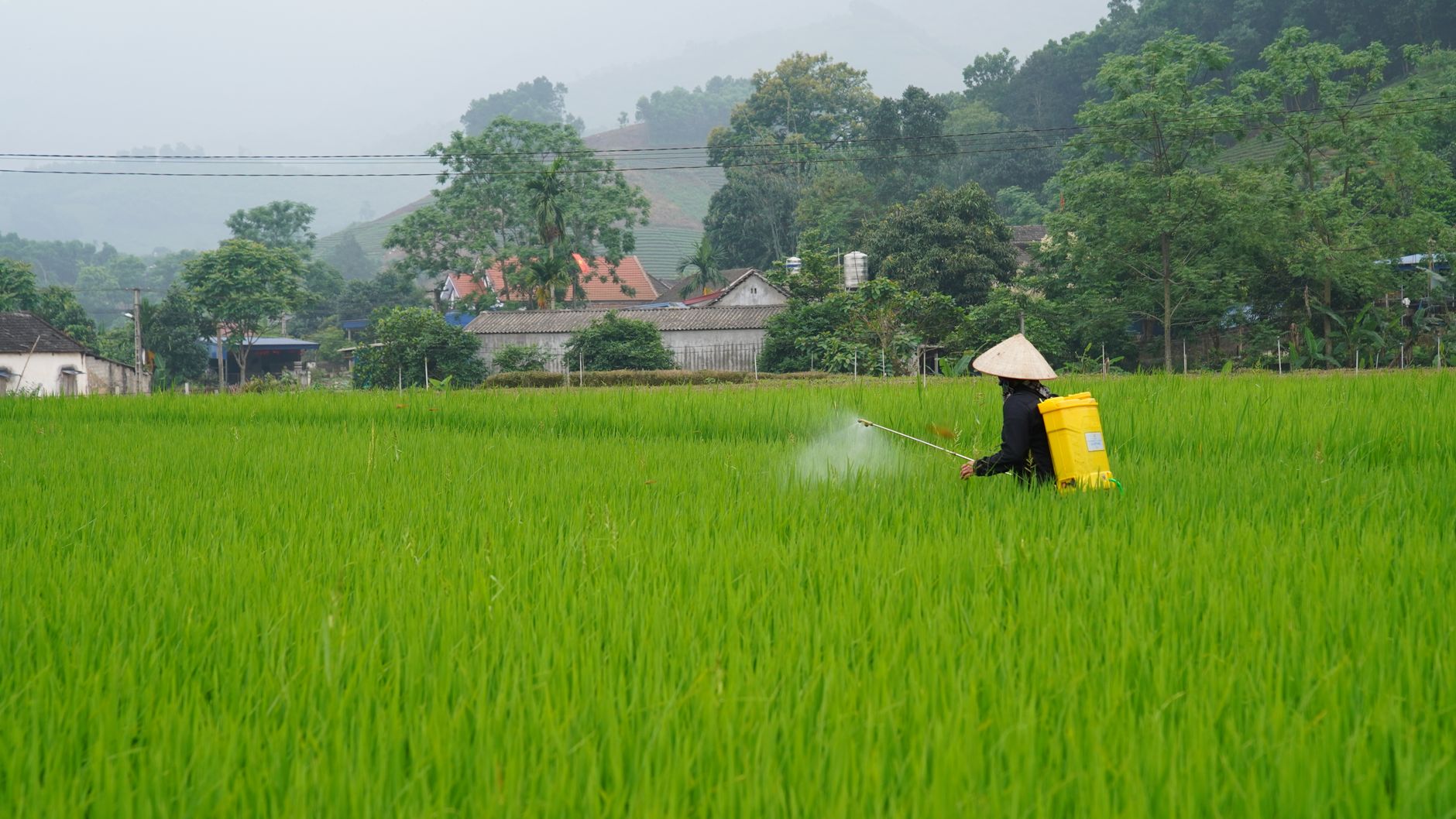
A farm day is not a tourist park with photo stages. We work on actual farms where families grow vegetables, fruit, herbs and sometimes raise small animals for their own income and the city markets. You arrive early, meet the farmer, and move into the fields or raised beds. The morning is warmest and the light is best; crops are harvested before midday heat. If you choose a full day, lunch happens in the farm kitchen or a simple shelter on the land. We sit together, often with the farmer's family, and eat the vegetables you picked an hour before.
Cáo Experiences arranges everything: WhatsApp coordination, ground transport from your hotel or a meeting point, translator if needed, and clear instructions on what to wear and bring. Rain doesn't cancel—we adapt the day to focus on indoor farm tasks, post-harvest prep, or cooking. Kids, seniors, couples and groups all work on farms; we modify the physical load and pace to suit everyone.
What actually happens hour by hour on a farm day?
You leave your accommodation or meet us at 6:30 or 7:00 a.m. (early avoids heat and crowds). A driver collects you; the farm is 30–50 minutes outside central Ho Chi Minh City depending on direction and season. You arrive as the sun clears the horizon. The farmer greets you, shows you the layout—vegetable beds, fruit trees, water sources, sometimes a small shed with tools. He explains what's in season: leafy greens and herbs in cooler months; peppers, eggplant, tomatoes, melons and squash in warmer months. You learn why certain crops grow here, what pests or weather challenge them, how water is managed. Then you pick. You use secateurs or your hands, following the farmer's demo on ripeness and technique. Kids love this; it feels like a game until they realize they're working. Seniors often sit and hand-select, and the farmer adjusts the pace. After 2–3 hours, fatigue sets in; that's genuine. You carry baskets back, wash up, and move to kitchen prep. If it's a half day (4 hours), you might sit and sort vegetables, taste fresh herbs, ask questions, and leave by 11:00 a.m. If it's a full day, you stay for a meal. The farmer's family, or we, prepare a simple lunch using your harvest: a vegetable stir-fry, soup, fresh salad, rice, and sometimes eggs or a little meat. You eat together. Conversation flows through the translator. By 1:00 or 2:00 p.m., you're back in the car heading into the city, tired and smelling of earth.
Which season offers the best farm experience?
Cooler months (November to February) mean easier fieldwork, fewer mosquitoes, and crops like water spinach, lettuce, herbs, and Asian greens thriving. Warmer months (March to October) bring peppers, eggplants, tomatoes, melons, squash and mangoes—more colourful and more abundant, but higher heat and higher effort. Neither is wrong; they're different. Choose based on your heat tolerance and what crops you want to learn. Rain during May–September is common; we don't cancel, we shift focus. Indoor work—sorting, washing, preparing post-harvest—becomes the morning. Cooking always happens. The farm experience remains real, just adapted.
How does a farm day differ from a cooking class or market tour?
| Aspect | Farm Day | Cooking Class | Market Tour |
|---|---|---|---|
| Location | Working farm, outside city | Kitchen (urban or rural) | Market stalls, vendor lanes |
| Main activity | Pick crops, learn farming | Prepare & cook a meal | Buy & taste street food |
| Physical effort | High (2–3 hours standing, bending) | Low–moderate (standing, chopping) | Low–moderate (walking, carrying) |
| Skill learned | Agriculture, seasonality, crop care | Cooking technique, Vietnamese flavours | Market navigation, vendor relationships |
| Meal outcome | Eat what you harvested | Eat what you cooked | Taste prepared food from vendors |
| Best for | Families, kids, groups, learners | Couples, food lovers, all ages | Busy travellers, foodies, solo |
| Duration | 4–8 hours | 3–4 hours | 2–3 hours |
A Vietnamese cooking class teaches you hands-on technique in a dedicated kitchen; you leave with recipes and confidence. A street food and market tour is faster-paced and urban—you taste many vendors' dishes and learn what locals actually buy. A farm day is slower, dirtier, more labour-focused, and teaches why certain crops exist, how they're grown, and what effort feeds a city. Choose based on what you want to know and how much time you have.
What should you wear and bring to a farm?
Wear closed shoes with grip (not flip-flops or canvas trainers—soil is slippery, tools are sharp). Long pants or capris that move freely; avoid jeans if possible because they're stiff and retain moisture. A light long-sleeved shirt protects from sun and insects. Bring a hat or cap, sunscreen, and a water bottle (we refill it at the farm). A small towel helps after washing. Wear clothes you don't mind getting dirty; soil doesn't always wash out completely. Bring a phone if you want photos, but the farmer will ask you to keep it safe while working—mud and water are everywhere. If you have a known back issue or knee problem, tell us when you book so the farmer can adjust your tasks. Bring any medication (anti-diarrhoea, allergy, blood-pressure tablets) in your bag. The farm has a simple toilet; hygiene is basic but functional.

What happens if you have a food allergy or dietary restriction?
Tell us before you book. If you're vegetarian or vegan, the farm meal adapts easily—vegetables are the focus anyway. If you have a shellfish or peanut allergy, we brief the farmer so he avoids those in the lunch. If you can't eat gluten, rice and fresh vegetables work; bread might not be available. Allergies to specific plants or pesticides matter: some farms use organic methods, others use permitted pesticides on certain crops—we'll match you to the right farm. The meal is always simple and fresh, so ingredients are known. We translate labels and cooking methods so you feel safe.
How does rain change the plan?
Rain doesn't cancel a farm day; it changes the focus. If it rains overnight and the farm is waterlogged, we shift to indoor work: sorting and cleaning harvested crops, preparing seeds, learning about farm tools and pest management, or practising simple cooking techniques. If it rains during your session, we move to covered areas. You'll still pick some crops if safe; soil becomes muddier, paths slippery, so the pace slows and safety comes first. Cooking always happens indoors. The farmer's shelter or kitchen becomes your workspace. You'll still eat a meal made from farm produce. Rain teaches you something genuine: how hard farming is in variable weather, and why timing harvests matters. Bring a light rain jacket if the forecast looks uncertain.
What to check before you book a farm experience
Before you ask us for dates, think through these points:
- Physical fitness: Can you stand and bend for 2–3 hours? Farm work is real labour. If you have joint pain, balance issues, or recent surgery, discuss it with us.
- Heat tolerance: Even in cool season, morning sun is direct. If you're prone to heat exhaustion, test your comfort on a shorter session first.
- Dietary needs: List every allergy, intolerance, and preference now so we match the right farm.
- Group size: Private bookings (1–4 people) let the farmer teach slower. Larger groups (5–12) are possible but louder and less intimate.
- Time of year: Check which crops matter to you. If you want to pick fruit, ask which farms have fruit trees ready.
- Language: We provide English translation, but it's not simultaneous; there are pauses. Patience with translation makes the day better.
- Photography: Some farmers welcome photos; a few don't. Ask when you arrive.
- Shoes and clothes: Wear what we suggest. Arriving in flip-flops or a silk dress doesn't work and ruins the experience.
Beyond a farm day, consider pairing it with other countryside experiences. A horse riding experience in rural areas lets you move between farms on horseback. A tea experience at a tea farm in the highlands shows a different kind of agriculture. Family experiences bundle farms with other activities—kids love staying longer in one place. For a full countryside immersion in the Mekong or Red River regions, ask us what group and corporate experiences we offer. Each adds depth to how you see rural Vietnam.

FAQ
How far is the farm from Ho Chi Minh City?
Farms are 30–50 minutes by car outside the central city, depending on direction and traffic. We arrange pickup from your accommodation, so you don't worry about navigation or parking.
Can kids do a farm experience?
Yes. Kids aged 5–12 love picking vegetables and learning from the farmer. Very young children (under 4) can come but won't work long; toddlers get tired quickly in fields. Adapt the expectation and duration with us.
Is it really okay to get dirty?
Yes. Dirty clothes and hands are part of the experience. We bring water to wash before eating. Wear clothes you're willing to ruin; soil stains can be permanent.
What if I'm vegetarian or vegan?
No problem. The farm meal is vegetable-focused anyway. Tell us when you book so the farmer knows to avoid meat or fish in your portion.
Do I need farming experience to do this?
No. Total beginners are common and welcome. The farmer teaches from zero. You're there to learn, not impress with skill.
What happens if the farm cancels due to bad weather?
We reschedule for the next available date. Extreme weather (typhoon, flooding) is rare but possible; we'll offer another date or a full reschedule conversation.
Can I eat the vegetables I picked?
Mostly yes—they go into your lunch that day. Some crops are too tender to transport; we'll cook them fresh at the farm. You leave with knowledge, photos, and a full belly, not a bag of vegetables.
What languages do the farmers speak?
Vietnamese. We provide English translation throughout the day. Some farmers speak a little English or French; it varies. Translation is not simultaneous, so there are natural pauses.
Ask about dates
Tell us the city, your dates and what you would like to try. We reply on WhatsApp in English with options and availability.
FAQ
How far is the farm from Ho Chi Minh City?
Farms are 30–50 minutes by car outside the central city, depending on direction and traffic. We arrange pickup from your accommodation, so you don't worry about navigation or parking.
Can kids do a farm experience?
Yes. Kids aged 5–12 love picking vegetables and learning from the farmer. Very young children (under 4) can come but won't work long; toddlers get tired quickly in fields. Adapt the expectation and duration with us.
Is it really okay to get dirty?
Yes. Dirty clothes and hands are part of the experience. We bring water to wash before eating. Wear clothes you're willing to ruin; soil stains can be permanent.
What if I'm vegetarian or vegan?
No problem. The farm meal is vegetable-focused anyway. Tell us when you book so the farmer knows to avoid meat or fish in your portion.
Do I need farming experience to do this?
No. Total beginners are common and welcome. The farmer teaches from zero. You're there to learn, not impress with skill.
What happens if the farm cancels due to bad weather?
We reschedule for the next available date. Extreme weather (typhoon, flooding) is rare but possible; we'll offer another date or a full reschedule conversation.
Can I eat the vegetables I picked?
Mostly yes—they go into your lunch that day. Some crops are too tender to transport; we'll cook them fresh at the farm. You leave with knowledge, photos, and a full belly, not a bag of vegetables.
What languages do the farmers speak?
Vietnamese. We provide English translation throughout the day. Some farmers speak a little English or French; it varies. Translation is not simultaneous, so there are natural pauses.
More like this
Farm and countryside days
Fishing Experience Vietnam for Japanese Travelers: Where to Go & What to Expect
Vietnam's waterways offer Japanese travelers a chance to learn traditional fishing methods directly from locals. Cáo Experiences runs half- and full-day sessions on rivers, lakes and the Mekong Delta where you cast nets, set traps, and cook your catch.
Farm and countryside days
Fishing Experience Vietnam for Foreigners: Hands-On Guide
Fishing in Vietnam isn't a spectator sport—you'll wade into rivers, cast nets, trap fish in baskets, and cook your catch for lunch. We run small-group and private fishing days in the countryside outside Hanoi, Ha Noi region, and the Mekong Delta.
Farm and countryside days
Fishing Experience in Vietnam: 8 Questions to Ask Before You Go
Fishing in Vietnam means wading through rice paddies, learning trap techniques, or casting in rivers with local guides. Here's what to ask before you book.