
Home › Blog › Farm and countryside days
Farm Experience in Hoi An for Couples: What to Expect
By the Cáo Experiences team · 2026-11-06
A farm experience in Hoi An is a half-day or full-day session on a working family farm outside the Ancient Town, where couples learn to harvest seasonal crops, meet the farmers who grow them, and often cook or eat a meal using what you've picked. Cáo Experiences runs these in English with small groups or as private bookings; you'll wear simple clothes you don't mind getting soil on, bring sun protection, and expect to be outdoors in the morning cool or afternoon heat depending on season. The rhythm is hands-on: arrive by motorbike or car, walk the fields with the farmer, learn which vegetables are ready, pick them using the right technique, ask questions about growing methods and land use, and finish with a farm-to-table meal or market visit. It suits couples of all ages and fitness levels—we adapt pacing and tasks for anyone. Ask us for dates and a quote on WhatsApp to check availability and seasonal harvests. Ask about dates on WhatsApp
Why do couples choose farm days in Hoi An over city tours?
A farm session removes you from crowds and gives you something to do together rather than side-by-side. Most couples tell us they came to Hoi An for the Ancient Town and markets, but the farm day is the memory that stuck—not because it's Instagram-pretty, but because you actually work for twenty minutes, get your hands dirty, laugh at the learning curve, and then eat food you touched five hours earlier. The farmer's rhythm is slower than a timed cooking class or market tour; you're not racing to finish before the next group arrives. You talk more, you listen more, and the setting—rice paddies, vegetable plots, fruit trees—gives you space to breathe together. It's also the only way most visitors understand where Vietnamese meals come from; the farm is the real beginning.
What exactly do you harvest and cook on a farm visit?
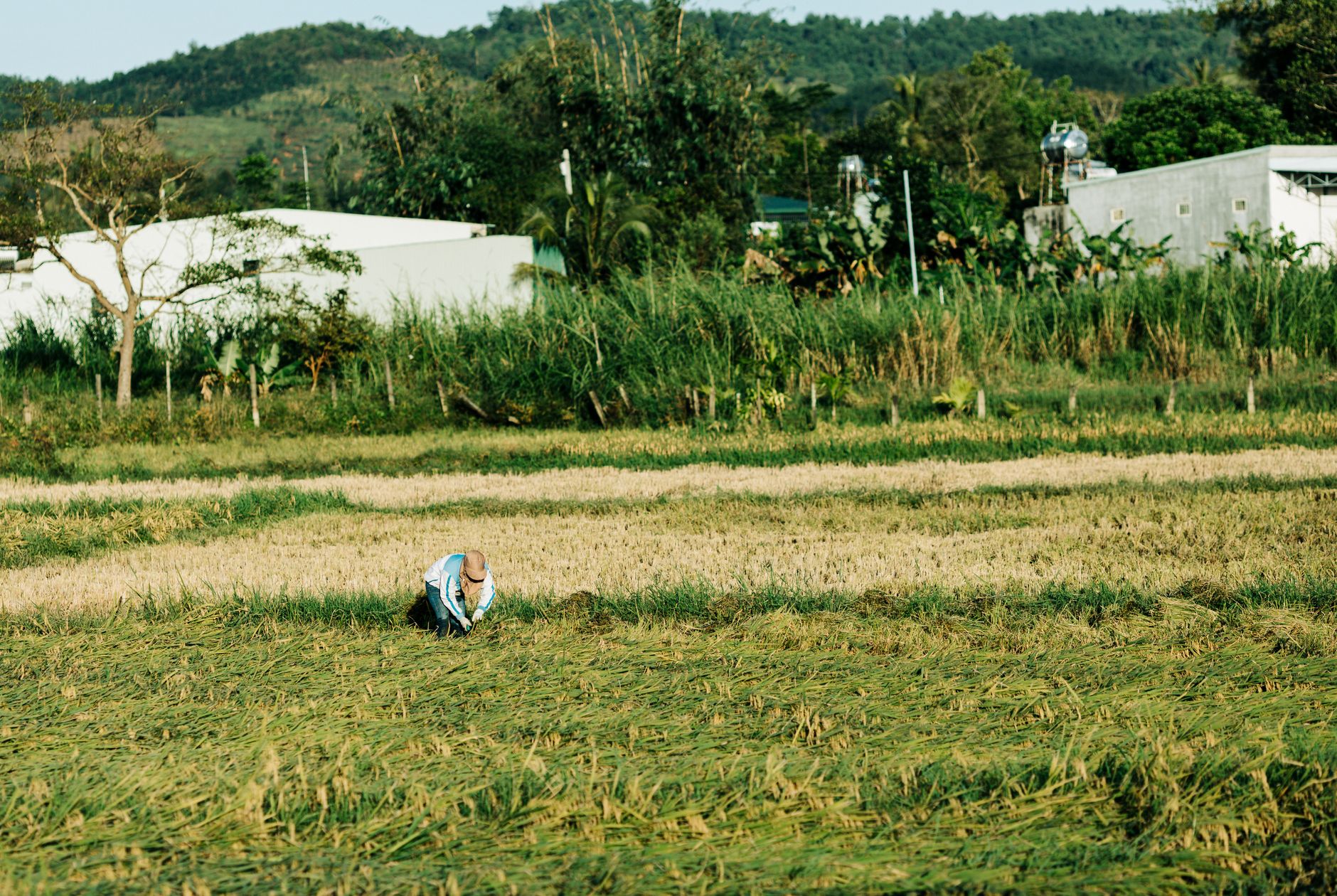
The crops change by month and what the family is growing that season. In winter (November–February), we might pick leafy greens, herbs, tomatoes, squash, or root vegetables. In summer (May–August), it's often peppers, eggplants, beans, and more herbs; in between seasons, the farm may focus on lettuce or onions. We don't plan what you'll harvest—we arrive, the farmer shows you what's ready, and you work on that. You'll use hand tools (shears, baskets) that the farmer provides; there's no heavy machinery or dangerous equipment. If you're harvesting for a meal afterward, the farmer or we'll choose crops that cook quickly—leafy greens, herbs, tomatoes—so lunch doesn't take three hours. If it's a market-focused day, we might harvest a variety, pack it into baskets, and take everything to a local market to show you how farmers sell. You'll see the price they get, how buyers choose, and what happens to unsold produce; that's the real farm-to-table story.
How long is a farm experience, and what's the daily schedule?
A half-day session (typically 7am–11:30am or 2pm–6pm) gives you harvest time, a quick meal or snack, and time to meet the family. A full day (8am–2pm or 3pm with a longer lunch) lets you harvest in the morning cool, cook a proper meal, eat together, and sometimes visit the market or pick fruit afterward. We start early on many days because farmers work before the heat; you'll be in fields when it's still cool, back indoors or under shade by midday. We bring water, hats, and long-sleeve shirts for sun and insect protection (bring your own sunscreen and hat if you prefer your fit). The farmer's family usually joins lunch—sometimes they cook, sometimes we do, sometimes it's shared. The day ends when the work is done and hunger is satisfied; no artificial time pressure. Rainy days mean we adapt: lighter harvesting work, more time in the farmhouse kitchen cooking or learning about preservation, or we reschedule with no penalty if rain is heavy. Ask us for dates and a quote on WhatsApp to confirm the exact timing for your preferred month.
How does a farm day compare to a cooking class or market tour?
| Experience | Focus | Couples fit? | How long | What you do |
|---|---|---|---|---|
| Farm visit | Growing, harvesting, farm life | Excellent—relaxed, hands-on together | 4–6 hours | Pick crops, meet farmers, cook or market |
| Cooking class | Technique, recipes, knife skills | Good—side-by-side learning | 2.5–3 hours | Chop, cook, taste multiple dishes indoors |
| Street food tour | Local eating, market energy, history | Good—eating and walking together | 2–3 hours | Taste vendors' food, learn stories, walk lanes |
| Farm + cooking combo | Harvest, then cook it same day | Best—full arc from field to table | 5–7 hours | Pick, return to kitchen, prepare and eat |
The farm experience is less structured than a cooking class (no recipes, no timed steps) and more immersive than a market tour (you're not just watching—you're doing). Many couples book farm first, then a cooking class later to deepen technique; some do both in one long day if scheduling allows. The farm wins for novelty and outdoor bonding; the cooking class wins for taking skills home. A market tour fits between—it's educational and food-focused but doesn't require physical work.
We can also connect a farm visit with a cooking class on the same day or back-to-back days if you want the full arc: you harvest in the morning, return to a kitchen in town, and cook lunch or dinner using what you picked. Ask us for dates and a quote on WhatsApp to explore multi-experience days.
What should couples check before booking a farm experience?
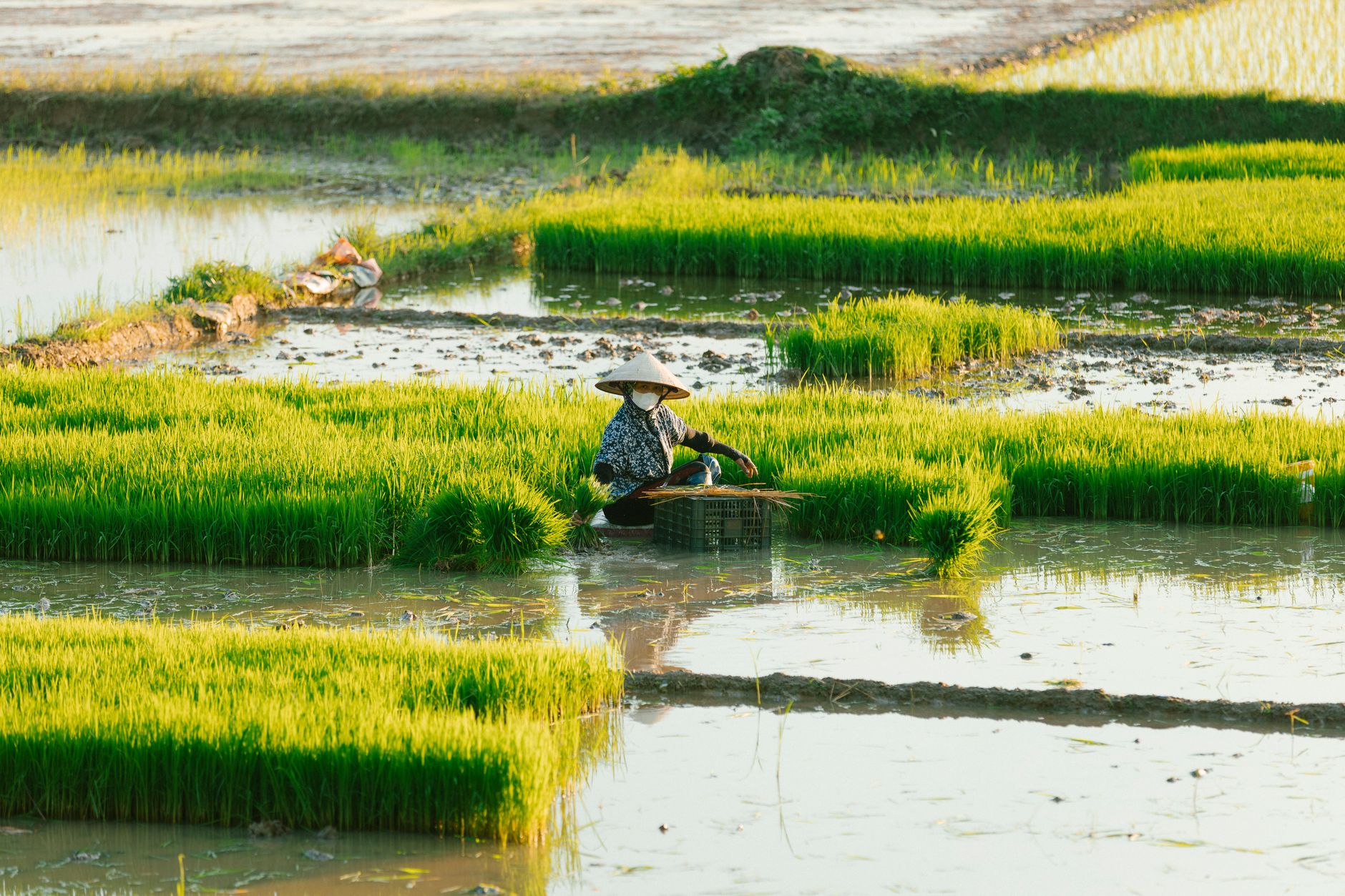
Fitness and comfort level: Harvesting involves bending, walking uneven ground, and standing in sun or humidity. If either of you has a bad knee, back, or heat sensitivity, we adapt—lighter tasks, more shade breaks, seating during lunch—but tell us ahead so we prepare. We've hosted couples in their 70s and visitors with mobility aids; it's about what's safe and fun for you, not a fitness test.
Season and what grows then: Ask which crops are being harvested in your travel month; some visitors have specific plants they want to pick (mint, tomatoes, herbs for Vietnamese food). The farm is real and seasonal—you can't order "strawberries in August"—so confirming what's ready matters.
Private vs. small group: A private farm day (just you two and a guide) costs more but gives you the farmer's full attention and no waiting for other guests. A small-group session (4–8 people) is more social and usually more affordable; you meet other travelers. Clarify which you prefer when you ask for a quote.
Meal inclusion and dietary needs: Ask if lunch is included, who cooks, and what the meal usually is. We accommodate vegetarian, pescatarian, allergies, and medical diets—mention these upfront so the farmer and guide prepare accordingly.
Sun, insects, and rain: Wear long sleeves and pants, bring sunscreen, and expect bites if there's standing water (we provide insect repellent). Rain is common in certain months; ask when the driest window is, and clarify our reschedule policy.
Transport: Confirm how you'll get to the farm—motorbike, shared van, or your own car—and whether the guide meets you in town or at the farm. Budget 20–40 minutes of travel from Hoi An Ancient Town depending on which farm.
How does a private farm day differ from a group session?
A private session is just you and your partner (or a small group of friends if you prefer). The farmer can tailor the day to your interests—if you want to learn grafting or seed storage, they might show you. You eat at your own pace, ask questions without waiting for others, and take as many photos as you like. You'll pay more per person, but you also get flexibility: start time, crops, meal style, and pacing are all negotiable.
A small-group session (usually 4–8 people including your partner) is more affordable per person and often more fun socially—you'll meet other travelers, share the harvest, and cook or eat together as a larger table. The pace is a bit faster because the guide manages multiple people. Both work well for couples; it depends on whether you want alone time or social energy. Many couples ask about private first, then book small-group when they see the difference in cost. Ask us for dates and a quote on WhatsApp and we'll show both options.
What's the best season for a farm experience in Hoi An?
The coolest months are November through February—weather is mild, harvests are varied, and you won't overheat while working. May through September is hot and humid, with afternoon rains likely, but crops are abundant (peppers, eggplants, herbs) and the farm landscape is greener. March, April, and October are in-between: warm but not scorching, fewer tourists, decent harvests. There is no "bad" season—each has advantages. Ask us which crops you'll find in your travel month, and we'll be honest about sun and rain timing. Many couples specifically choose the cooler window to be comfortable outdoors; others prefer the lush green of rainy season and don't mind the heat. We host year-round and adapt the day to seasonal reality. Ask us for dates and a quote on WhatsApp with your travel month, and we'll recommend what grows then and what to expect.
See how a session runs
Can we do other activities before or after the farm day?
Absolutely. Many couples combine a farm morning with a horse riding afternoon, a coffee workshop the next day, or a flower arranging session. Some book a farm day, then spend the afternoon exploring the Ancient Town or visiting a local pottery studio. We can help you chain experiences back-to-back or across your stay. A few couples do a full-immersion week: farm one day, cooking class another, street food tour in the evening, then a countryside bike ride the next morning. Ask us for dates and a quote on WhatsApp and mention other interests—we'll build a multi-day itinerary that flows. If you're interested in wellness and slowness, pairing a farm visit with a tea experience or wellness session also works beautifully.

FAQ
Do we need farm experience to join, or is this for beginners?
Beginners only. We've never met a couple who knew how to harvest properly; the farmer teaches you. You'll be slower than them, and that's the point. Laugh at yourself, ask questions, learn the right way. No skill required.
What if we're vegetarian or have food allergies?
Tell us when you book. The farmer and guide will plan around your diet. We've cooked vegan lunches, gluten-free meals, and adapted for nut allergies. The farm grows vegetables, so vegetarian works naturally. Mention it early so we prepare.
How do we get to the farm, and is transport included?
We coordinate transport by WhatsApp. Most farms are 15–40 minutes from Hoi An by motorbike or car. Ask us for dates and a quote—we'll confirm the pickup point, whether transport is included, and if you're renting a motorbike separately.
What if it rains on our farm day?
Rain is part of farming. Light rain means lighter work indoors (kitchen, learning, stories). Heavy rain means we reschedule with no penalty. Ask when you book what month you're visiting, and we'll be honest about rain risk and reschedule flexibility.
Can we cook the food we harvest, or do we just eat what the farmer cooks?
You choose. On some days, the farmer cooks; on others, you cook with the farmer's guidance in their kitchen; on others, the guide cooks and you watch and eat. Tell us your preference when you book. We'll adapt the session to match.
Ask about dates
Tell us the city, your dates and what you would like to try. We reply on WhatsApp in English with options and availability.
FAQ
Do we need farm experience to join, or is this for beginners?
Beginners only. We've never met a couple who knew how to harvest properly; the farmer teaches you. You'll be slower than them, and that's the point. Laugh at yourself, ask questions, learn the right way. No skill required.
What if we're vegetarian or have food allergies?
Tell us when you book. The farmer and guide will plan around your diet. We've cooked vegan lunches, gluten-free meals, and adapted for nut allergies. The farm grows vegetables, so vegetarian works naturally. Mention it early so we prepare.
How do we get to the farm, and is transport included?
We coordinate transport by WhatsApp. Most farms are 15–40 minutes from Hoi An by motorbike or car. Ask us for dates and a quote—we'll confirm the pickup point, whether transport is included, and if you're renting a motorbike separately.
What if it rains on our farm day?
Rain is part of farming. Light rain means lighter work indoors (kitchen, learning, stories). Heavy rain means we reschedule with no penalty. Ask when you book what month you're visiting, and we'll be honest about rain risk and reschedule flexibility.
Can we cook the food we harvest, or do we just eat what the farmer cooks?
You choose. On some days, the farmer cooks; on others, you cook with the farmer's guidance in their kitchen; on others, the guide cooks and you watch and eat. Tell us your preference when you book. We'll adapt the session to match.
More like this
Farm and countryside days
Fishing Experience Vietnam for Japanese Travelers: Where to Go & What to Expect
Vietnam's waterways offer Japanese travelers a chance to learn traditional fishing methods directly from locals. Cáo Experiences runs half- and full-day sessions on rivers, lakes and the Mekong Delta where you cast nets, set traps, and cook your catch.
Farm and countryside days
Fishing Experience Vietnam for Foreigners: Hands-On Guide
Fishing in Vietnam isn't a spectator sport—you'll wade into rivers, cast nets, trap fish in baskets, and cook your catch for lunch. We run small-group and private fishing days in the countryside outside Hanoi, Ha Noi region, and the Mekong Delta.
Farm and countryside days
Fishing Experience in Vietnam: 8 Questions to Ask Before You Go
Fishing in Vietnam means wading through rice paddies, learning trap techniques, or casting in rivers with local guides. Here's what to ask before you book.