
Home › Blog › Farm and countryside days
Farm experience in Hoi An small group – hands-on countryside
By the Cáo Experiences team · 2026-11-06
A small-group farm experience in Hoi An is a half or full-day immersion at a working family farm outside the tourist center, where Cáo Experiences hosts 4–8 guests with an English-speaking guide. You arrive early, meet the farmers, learn to harvest vegetables and herbs by hand, understand crop rotation and water management, then return to cook your harvest into a meal in the farm kitchen or nearby shelter. No farming experience needed; the pace suits beginners, families with kids aged 6+, and couples. We adapt for rain (move to covered areas, shift to indoor craft or cooking focus), dietary preferences, and physical limits. Ask us for dates and a quote on WhatsApp—sessions run year-round but peak during wet-season and harvest months when the fields are most active. Ask about dates on WhatsApp
What actually happens hour by hour on a farm morning?
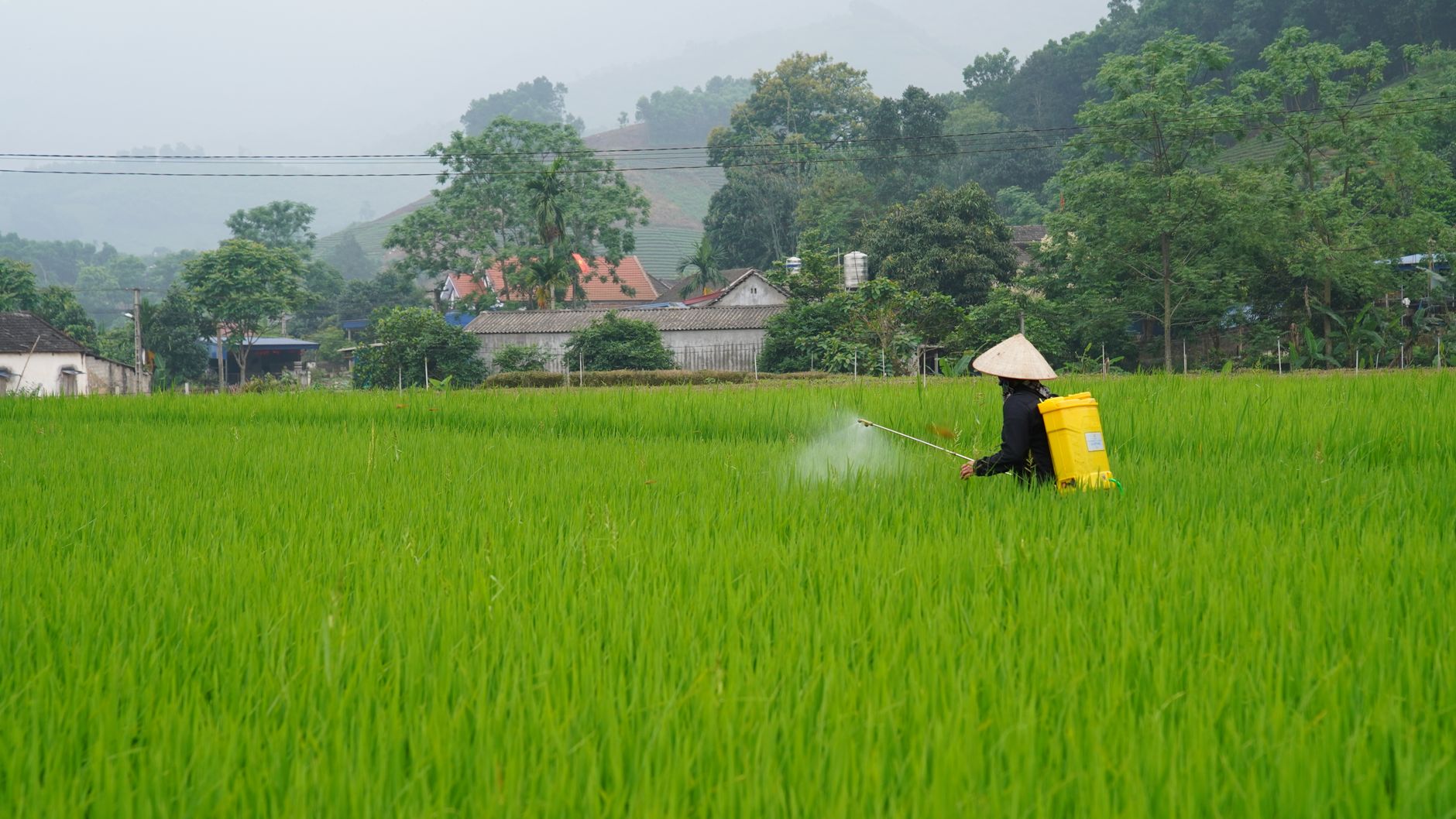
We collect guests from central Hoi An between 6:30–7:00 a.m. and drive 15–25 minutes to a family farm in the riverside delta or foothills. You'll arrive as the sun clears mist from the paddies; farmers are already working. First 30 minutes: walk the fields, meet the owners, learn what's in season (leafy greens, tomatoes, herbs, squash, peppers—varies by month). They show you proper harvesting technique—which vegetables to twist, which to cut, how to avoid bruising roots. You spend the next 60–90 minutes picking alongside them, hands in soil, asking questions. Many guests are surprised how physical it is and how quickly a basket fills. Around 9:00–9:30 a.m., we pause for fresh juice or coffee in the farm shelter—often made from fruit grown on-site. The final hour is food prep: you wash your harvest, the hosts teach basic knife skills, and you cook a simple lunch (stir-fries, soups, salads) in the farm kitchen or outdoor cooking area. You eat together, seated at a long table, swapping stories. Sessions end by 12:30–1:00 p.m., giving you the afternoon free.

How is a small-group farm day different from going alone?
Small groups (4–8 people) create energy that a solo visit lacks. You work alongside other travelers and learn from their questions; if one person asks why farmers plant in rows, everyone benefits. The shared lunch becomes a natural conversation point—you're eating food you literally just picked, together. Kids often bond instantly with other kids in the group; parents get a genuine break. Couples appreciate the guide's interpretation of farming challenges without needing to research independently. Solo travelers tell us they meet friends in the group they stay in touch with. A private group (friends, family, or corporate team) gives you the farm's undivided attention and lets you set the pace—useful if someone moves slowly or needs extra explanation. The trade-off: private groups cost more (ask us for a quote). Small-group dates run on fixed schedules; you slot into existing sessions.
When should you book—and what changes across seasons?
Booking depends on what you want to see and how wet you're willing to get. Spring (February–April): fields are greening after planting; harvest is light but vegetables are tender, soil is moist but not flooded. Summer (May–September): lush growth, heavy yields, high humidity, frequent afternoon rain. Autumn (October–November): cooler, clearer mornings, peak harvest season, drier fields. Winter (December–January): slower growth, some crops dormant, but mornings are crisp and ideal for walking. Rain is most common May–September; we shift activities to covered work areas (washing, prepping, cooking indoors) or reschedule 48 hours ahead if flooding blocks access. Harvest seasons (autumn, late spring) mean more produce to pick and busier farm activity—better if you want immersion. Slower months suit guests who prefer a gentler pace or prefer the focus on cooking technique over raw harvesting volume. We'll suggest dates when you ask us for dates and a quote on WhatsApp based on your interests.
Who is this right for—and who should choose differently?
| Traveler type | What they get | Notes |
|---|---|---|
| Families with kids (6+) | Hands-on learning, outdoor play, shared lunch | Kids under 6 welcome but less focus on farming; pick fruit instead of vegetables |
| Couples | Teamwork, intimate farm meal, quiet morning | Works best if both want physical activity; romantic but not pampered |
| Small groups (friends, colleagues) | Bonding, real conversation, free afternoon | Ideal for groups 4–8; larger groups split into sessions |
| Solo travelers | New friends, hands-on memory, local insights | Works if you're okay with unfamiliar people; introverts thrive with the focus on work, not chat |
| Seniors or limited mobility | Adapted pace, seating breaks, lighter tasks | Discuss mobility beforehand; we adjust—seated harvesting, observation, cooking focus |
| Foodies | Farm-to-table story, ingredient knowledge, lunch you cooked | Perfect if you're interested in cooking classes too—consider Vietnamese cooking class instead for more technique |
Don't choose this if: you want a leisurely spa-like experience (farms are working places—dust, sweat, sun); you have severe food allergies (we work with what's in season, not curated menus); you're unable to stand for 60+ minutes. If you prefer pure cooking without farming, try Vietnamese cooking class. If you want to explore the farm and the market, ask about street food and market tour combos.
How do we handle rain, allergies, dietary needs, and fitness levels?
Rain is part of delta life. If it's light, we continue—you'll get muddy, wear waterproof shoes and a poncho we provide. If it's heavy or fields are waterlogged, we either reschedule within 48 hours or pivot: move to a covered farm shelter, skip harvesting, and focus on Vietnamese cooking class style food prep, farm stories, and lunch. You'll know the weather plan by message the evening before. Allergies: tell us at booking (peanuts, shellfish, etc.). The farm kitchen has basic ingredients; we work around intolerances and can request specific crops or prepare separate dishes. Dietary preferences: vegetarian/vegan diets fit perfectly—farms grow vegetables; we simply don't add meat. Gluten-free works if you give us notice (farm kitchens aren't commercial, so cross-contamination is possible; we'll discuss options beforehand). Fitness: there's no "hard" mode. Harvesting is kneeling, bending, walking slowly through rows—not hiking uphill. We build in pauses, offer stools for washing, and guests self-pace. Seniors and guests with back or knee issues work comfortably if you tell us in advance; we've hosted many 65+ guests successfully by adjusting tasks.
What to check before you book
- Mobility: Can you kneel, bend, and walk for 60+ minutes on uneven ground? If no, tell us—we adapt tasks or recommend a cooking class instead.
- Allergies & diet: List all allergies and preferences. Farm kitchens are basic; we need time to prepare.
- Shoe and clothing choice: Wear closed-toe shoes with grip (mud happens), long pants to protect from sun and insects, a hat, and a light rain jacket May–September. Bring a small towel.
- Weather plan: Check the forecast; expect reschedule notice the evening before if rain is severe.
- Arrival buffer: Give yourself 30 minutes to get to the pickup point; traffic in Hoi An can be unpredictable.
- Group size: Confirm group size and names so we seat you properly at lunch.
- Photography: Farms are working places. Ask permission before photographing farmers or children.
- Comparison with similar experiences: If you're torn between a farm day and horse riding experience, farm is better for food interest; horse riding is better if you want more physical adrenaline.
Other Cáo experiences that pair well with farm days
Many guests combine a farm morning with an afternoon Vietnamese cooking class in a home kitchen, deepening their farm-to-table story. Others pair it with a street food and market tour to see where farmers sell their surplus, or a tea experience at a local tea house to understand agro-tourism beyond vegetables. Families often add family-experiences like a flower arranging workshop on a second day for variety. All sessions run small-group or private; ask us for dates and a quote on WhatsApp to explore combinations.
See how a session runs

FAQ
Do I need farming experience?
No. We teach everything—how to tell if a vegetable is ready, the right angle to cut, how to harvest without damaging roots. First-timers often become the most eager pickers.
What if I'm vegetarian or have a food allergy?
Tell us at booking. Farms grow vegetables, so vegetarian/vegan fits naturally. Allergies need advance notice so we source or prepare separately; farm kitchens are basic, not commercial, so we discuss risk honestly.
Can young kids come?
Yes, ages 6+. Younger children are welcome but may find the sustained activity tiring; we involve them in picking fruit and the cooking segment instead. Let us know the child's age and interests.
What happens if it rains heavily?
We reschedule within 48 hours or pivot to a covered shelter and shift focus to cooking, farm stories, and lunch. You'll know the plan the evening before.
How does this compare to a cooking class?
Farm days give you the harvest and farm story, then cook one meal together. Cooking classes teach technique over 3–4 hours with multiple dishes. Many guests do both: farm in the morning, cooking class another day.
Is this physically demanding?
Light to moderate. You kneel, bend, and walk slowly for 60+ minutes. No hiking or heavy lifting. Seniors and guests with limited mobility work fine if you tell us in advance.
What's the best season to book?
Autumn (October–November) and late spring (March–April) have the fullest harvests and clearest weather. Summer is lush but humid and rainy. Winter is cool and quiet. All are worthwhile; it depends on your preference.
Can I book a private group instead of joining a small group?
Yes. Private groups get more attention and a flexible schedule. Ask us for dates and a quote on WhatsApp with your group size and dates.
Ask about dates
Tell us the city, your dates and what you would like to try. We reply on WhatsApp in English with options and availability.
FAQ
Do I need farming experience?
No. We teach everything—how to tell if a vegetable is ready, the right angle to cut, how to harvest without damaging roots. First-timers often become the most eager pickers.
What if I'm vegetarian or have a food allergy?
Tell us at booking. Farms grow vegetables, so vegetarian/vegan fits naturally. Allergies need advance notice so we source or prepare separately; farm kitchens are basic, not commercial, so we discuss risk honestly.
Can young kids come?
Yes, ages 6+. Younger children are welcome but may find the sustained activity tiring; we involve them in picking fruit and the cooking segment instead. Let us know the child's age and interests.
What happens if it rains heavily?
We reschedule within 48 hours or pivot to a covered shelter and shift focus to cooking, farm stories, and lunch. You'll know the plan the evening before.
How does this compare to a cooking class?
Farm days give you the harvest and farm story, then cook one meal together. Cooking classes teach technique over 3–4 hours with multiple dishes. Many guests do both: farm in the morning, cooking class another day.
Is this physically demanding?
Light to moderate. You kneel, bend, and walk slowly for 60+ minutes. No hiking or heavy lifting. Seniors and guests with limited mobility work fine if you tell us in advance.
What's the best season to book?
Autumn (October–November) and late spring (March–April) have the fullest harvests and clearest weather. Summer is lush but humid and rainy. Winter is cool and quiet. All are worthwhile; it depends on your preference.
Can I book a private group instead of joining a small group?
Yes. Private groups get more attention and a flexible schedule. Ask us for dates and a quote on WhatsApp with your group size and dates.
More like this
Farm and countryside days
Fishing Experience Vietnam for Japanese Travelers: Where to Go & What to Expect
Vietnam's waterways offer Japanese travelers a chance to learn traditional fishing methods directly from locals. Cáo Experiences runs half- and full-day sessions on rivers, lakes and the Mekong Delta where you cast nets, set traps, and cook your catch.
Farm and countryside days
Fishing Experience Vietnam for Foreigners: Hands-On Guide
Fishing in Vietnam isn't a spectator sport—you'll wade into rivers, cast nets, trap fish in baskets, and cook your catch for lunch. We run small-group and private fishing days in the countryside outside Hanoi, Ha Noi region, and the Mekong Delta.
Farm and countryside days
Fishing Experience in Vietnam: 8 Questions to Ask Before You Go
Fishing in Vietnam means wading through rice paddies, learning trap techniques, or casting in rivers with local guides. Here's what to ask before you book.