
Home › Blog › Farm and countryside days
Farm Experience in Mai Chau: What to Expect Before You Book
By the Cáo Experiences team · 2026-11-06
A farm experience in Mai Chau with Cáo Experiences means staying or visiting a family-run agricultural household in the White Thai or Black Thai highlands, 140 km southwest of Hanoi. Sessions run full day (8 hours) or multi-day homestays, blending paddy work, buffalo care, weaving workshops, and meals cooked together in a wood-fired kitchen. No prior farm skill is needed; we adapt for ages 6–75. The landscape—limestone peaks, terraced fields, water buffalo at dusk—is the setting, not the novelty. Costs vary by group size and duration; ask us for dates on WhatsApp. What to avoid: expecting luxury comfort or a photo opportunity disguised as labour. We're here to work alongside families, rest when they rest, eat what they cook.
What Does a Day Actually Look Like in the Fields?
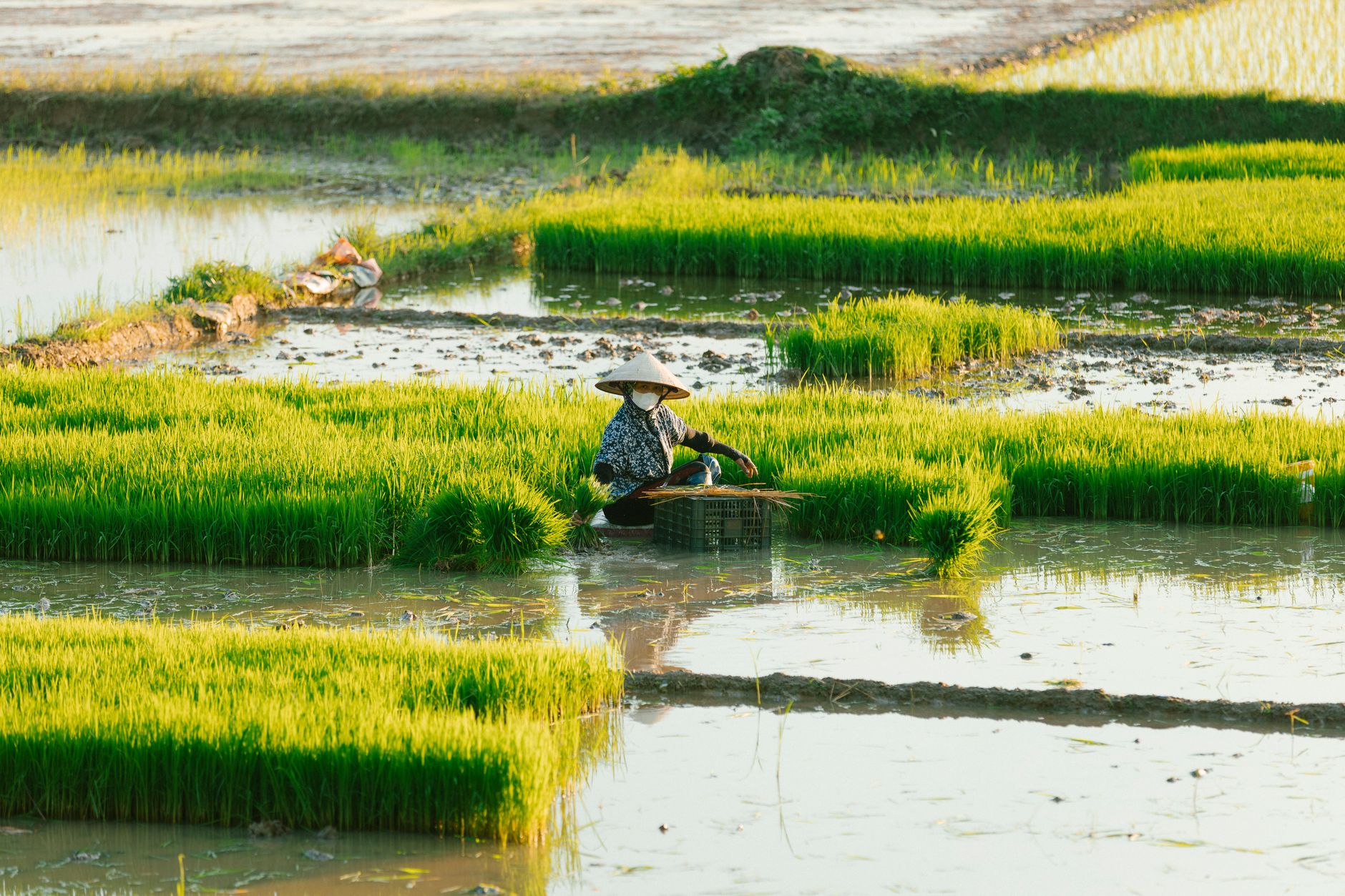
We wake at 6 a.m. with the household—no alarm needed; roosters and children handle that. First, we walk to the paddies while mist clings to the ridges, often with a thermos of corn or cassava tea. The host explains the season: wet season means planting, transplanting, or weeding; dry season means harvest or repair. You'll step into water up to your shins, mud coating your feet, and learn the rhythm of hand-transplanting rice seedlings or clearing weeds between rows. Your back will ache. Hands prune and blister mildly. By 10 a.m., the sun is direct. We stop, drink coconut water or water from the well, and rest in the shade. Many guests ask: Will I be useless? No. Farm work doesn't require strength, just patience and repetition. Children as young as 8 can help; older guests (we've hosted people in their 70s) work at their own pace. The family doesn't expect you to keep up—they expect you to try, listen, and share the tiredness. That's the contract.
Why Does Food Matter More Here Than in a Restaurant?
After fieldwork, hunger feels earned. We walk back, wash in a basin, and sit around a low wooden table in the house's central room. The host's wife—or son, or daughter—has been cooking on a clay stove: rice steamed in bamboo, a leafy green picked from the garden minutes before, fish from the pond, fermented vegetables kept in a ceramic jar. No menu. No choice. You eat what's cooked and notice, for the first time, that rice has a flavour and texture depending on soil, water, and the family's technique. Allergies and dietary needs are manageable if you tell us in advance: vegetarian, egg-free, specific allergies to peanut or shellfish—we brief the family and bring supplements if needed. Kids often won't eat unfamiliar greens; we bring rice and salt. Seniors with difficulty chewing appreciate softer vegetables and broth-based dishes. The meal isn't elegant, but it's honest. You're eating what the family eats, at their pace, and the conversation—often through a host translator—is never forced.
How Do Rainy Days and Seasonal Changes Affect Sessions?
Mai Chau has monsoon rains May–September; wet weather is unpredictable. We don't cancel for drizzle—locals work through it. But if rain is heavy and continuous, fieldwork becomes unsafe (mudslides, waterborne illness risk). On those days, we shift indoors: learning to weave on a traditional loom (labour-intensive, meditative, no skill needed), grinding corn by hand, preparing meals, or listening to the family's oral history. Some guests say rain days are the best—you're sheltered, focused, and less exhausted. Seasonal timing matters: March–May is dry and hot but less intense labour; June–August is wet, muddy, and physically demanding; September–October is harvest (most dynamic); November–February is cool and dry. Each has distinct work and beauty. Ask us which season suits your fitness and interest when you contact us.
See how a session runs
Families, Kids, and Seniors: Who Fits, Who Struggles?
| Group | What Works | What to Watch | Fitness Needed |
|---|---|---|---|
| Families (6–16) | Sensory learning, animals, no instruction pressure | Kids fatigue by afternoon; bring snacks and manage expectations about "fun" | Light; breaks built in |
| Couples | Shared unfamiliar challenge, intimate meals, quiet mornings | Some couples want leisure, not labour; discuss honestly | Moderate; 6+ hours upright |
| Older adults (60+) | Meaningful pace, storytelling, sitting tasks (weaving), local wisdom | Knee strain from bending, heat exposure, toilet access (basic squat toilets) | Light to moderate; pace negotiable |
| Fitness enthusiasts | Genuine physical work, full immersion, achievement | May find it less intense than expected; come for connection, not calories | Moderate; repetitive rather than strenuous |
Children under 8 often can't sustain field labour; they do short tasks (feeding chickens, playing with host kids) and take naps. Seniors with joint issues can focus on weaving, cooking prep, and conversation; we arrange cushions and adjust standing time. Family and kids experiences at Cáo Experiences are designed with real families, so we know what works.
Buffalo, Vegetable Gardens, and Livestock: What Hands-On Care Looks Like
Most farms keep water buffalo—gentle, essential, and alien to city guests. You'll learn to lead one to the river for a wash, feeling its warm, muscular body and understanding why they're called "living tractors." If you're afraid of large animals, tell us; we'll pair you with a family member who's confident. Vegetable gardens are smaller and more approachable: picking morning glory, digging for sweet potato, watering by hand from a well. Chickens, ducks, and pigs are part of the landscape. We don't force anyone to participate in animal slaughter (it happens on the farm; we're honest about that). Composting, manure management, and pest control by hand—not pesticide—are real parts of the day. It's not sanitized, and that's the point. Many guests say this phase resets their sense of where food comes from.
See how a session runs

How to Compare Mai Chau Farms and Choose the Right Fit
Each family household is different: some welcome 8 guests, others prefer 2–3; some have electricity and a modern kitchen, others cook entirely over fire; proximity to Hanoi varies (affecting travel time and transport cost). Before booking, check with us:
- Isolation level: Want silence and no Wi-Fi, or nearby villages with a shop? (Ask us—we know each family.)
- Guest capacity: Solo travellers often get paired with a couple or small group; families sometimes prefer private arrangements.
- Sleeping arrangements: Homestays offer basic, clean rooms (often shared walls with the family). Not hotel comfort. Bring earplugs.
- Language: Our host translates; the family speaks Thai, Kinh, or both. Communication is slow but warm.
- Physical demands: We'll match your fitness honestly. No shame in a lighter schedule.
- Dietary detail: Allergies, strict vegetarianism, texture preferences—all manageable, but mention them now.
Most guests stay one night and a full day; three nights and two days is immersive. Ask us which farms have spaces and suit your style—prices and logistics are confirmed via WhatsApp.
What to Check Before You Book
- Confirm your dates early. Mai Chau farms are small; slots fill fast. We'll give you a short list of available families and periods.
- Tell us about fitness, dietary needs, and fear of animals now. We'll match you honestly; no surprises on arrival.
- Expect basic comfort. Squat toilet, hand-washing with well water, no heating in cool months, shared sleeping space with the family nearby. If this sounds harsh, try a wellness and slow experience closer to Hanoi first.
- Pack light. Rubber sandals, sturdy shorts or pants, long sleeves (sun and insect protection), rain jacket. Leave cameras and jewellery at your hotel.
- Go offline mentally. These farms have little or no phone signal. That's by design. If you need to stay reachable for work, reconsider the timing.
Combining Mai Chau with Other Experiences
Many guests pair a farm day with learning to cook alongside our hosts, or exploring nearby craft workshops run by local artisans in the valley. Others arrive in Hanoi, do a street food and market tour and Vietnamese cooking class to understand ingredients, then head to Mai Chau to see where food grows. It's a natural sequence: city to countryside, market to field, recipe to raw life.
What Else Should I Know?
Transport from Hanoi: We arrange a shared or private driver (4–5 hours each way, winding mountain road). Some guests feel carsick; bring ginger tea or dramamine. The journey is part of the experience—you're leaving the city.
Money: Bring cash in Vietnamese dong. Farms don't accept cards. We'll advise on amounts when we confirm your stay.
Illness, weather, family emergencies—tell us as soon as you know. We work with you.
Best time for first-timers: March–April or October–November. Warm, dry, moderate labour. You'll be more comfortable, less overwhelmed.
More Stories from Hosts
For other immersive experiences in Vietnam—weaving, tea, coffee, horse riding—visit our blog. Each story is written by someone who has stood in that kitchen, field, or workshop.
FAQ
Do I need farming experience?
No. We teach by showing, not lecturing. Locals work at their own rhythm; you mirror them. Mistakes are normal and forgiven.
Can I do a shorter version—a few hours instead of overnight?
Yes. Half-day farm visits (4 hours, including a meal) are available. Homestays offer deeper immersion; ask us which suits your schedule.
What if I'm vegetarian or have a severe allergy?
Tell us immediately. Most farms eat fish and pork; we'll brief them and bring alternatives or supplements. Shellfish and peanut allergies can be managed. Contact us with specifics.
Is it safe to drink the well water?
No. We provide bottled water. Some guests do drink it after asking the family; locals' stomachs are adapted to bacteria that may upset visitors.
What happens if I get sick or injured during the stay?
The family and our host can contact a local clinic (basic, 30 mins away by motorbike). For serious injury, we evacuate to Hanoi. Bring any medications you need; pharmacies are far away.
Can I book a private farm day, just my family?
Yes. Small-group pricing applies if it's 2–4 of you; private rates differ. Ask for a quote on dates and group size.
How much luggage can I bring?
One backpack or soft bag per person. No wheels or large suitcases (roads are rough). Leave valuables in Hanoi.
Ask about dates
Tell us the city, your dates and what you would like to try. We reply on WhatsApp in English with options and availability.
FAQ
Do I need farming experience?
No. We teach by showing, not lecturing. Locals work at their own rhythm; you mirror them. Mistakes are normal and forgiven.
Can I do a shorter version—a few hours instead of overnight?
Yes. Half-day farm visits (4 hours, including a meal) are available. Homestays offer deeper immersion; ask us which suits your schedule.
What if I'm vegetarian or have a severe allergy?
Tell us immediately. Most farms eat fish and pork; we'll brief them and bring alternatives or supplements. Shellfish and peanut allergies can be managed. Contact us with specifics.
Is it safe to drink the well water?
No. We provide bottled water. Some guests do drink it after asking the family; locals' stomachs are adapted to bacteria that may upset visitors.
What happens if I get sick or injured during the stay?
The family and our host can contact a local clinic (basic, 30 mins away by motorbike). For serious injury, we evacuate to Hanoi. Bring any medications you need; pharmacies are far away.
Can I book a private farm day, just my family?
Yes. Small-group pricing applies if it's 2–4 of you; private rates differ. Ask for a quote on dates and group size.
How much luggage can I bring?
One backpack or soft bag per person. No wheels or large suitcases (roads are rough). Leave valuables in Hanoi.
More like this
Farm and countryside days
Fishing Experience Vietnam for Japanese Travelers: Where to Go & What to Expect
Vietnam's waterways offer Japanese travelers a chance to learn traditional fishing methods directly from locals. Cáo Experiences runs half- and full-day sessions on rivers, lakes and the Mekong Delta where you cast nets, set traps, and cook your catch.
Farm and countryside days
Fishing Experience Vietnam for Foreigners: Hands-On Guide
Fishing in Vietnam isn't a spectator sport—you'll wade into rivers, cast nets, trap fish in baskets, and cook your catch for lunch. We run small-group and private fishing days in the countryside outside Hanoi, Ha Noi region, and the Mekong Delta.
Farm and countryside days
Fishing Experience in Vietnam: 8 Questions to Ask Before You Go
Fishing in Vietnam means wading through rice paddies, learning trap techniques, or casting in rivers with local guides. Here's what to ask before you book.