
Home › Blog › Farm and countryside days
Farm Experience in Saigon for Families: What to Choose
By the Cáo Experiences team · 2026-11-06
A farm experience in Saigon with Cáo Experiences is a half-day or full-day countryside visit where your family works directly with a farming family—harvesting seasonal crops, feeding animals, learning about water irrigation or composting, and often cooking a meal from what you've picked. Sessions run in family kitchens and fields outside the city center, usually for 3–5 hours; the pace and tasks shift based on the season and your children's ages. Beginners and non-gardeners are welcome; we adapt the work if anyone has mobility limits or allergies. Ask us for dates and a quote on WhatsApp to discuss what your family wants most: crop harvesting, animal care, cooking, or a mix.
Why Saigon families choose farm days over city-based activities
Many parents tell us they book a farm morning or afternoon because their kids spend most of their year in classrooms and apartments. A real farm day—not a petting zoo—lets them see where food actually comes from, work with their hands in soil, and talk to the people who grow it. We find that children aged 5–16 stay more engaged when the tasks feel real, not staged: picking eggplant or morning glory for lunch, or learning why a farmer floods the fields at dawn. Adults relax faster in open air and slower rhythms. The visit also breaks the Saigon bubble; you meet multi-generational farming families, see how land use works in the river deltas, and often return home with a clearer sense of seasonal eating. No performance, no scripts—just genuine work and conversation.

What actually happens during a half-day farm visit
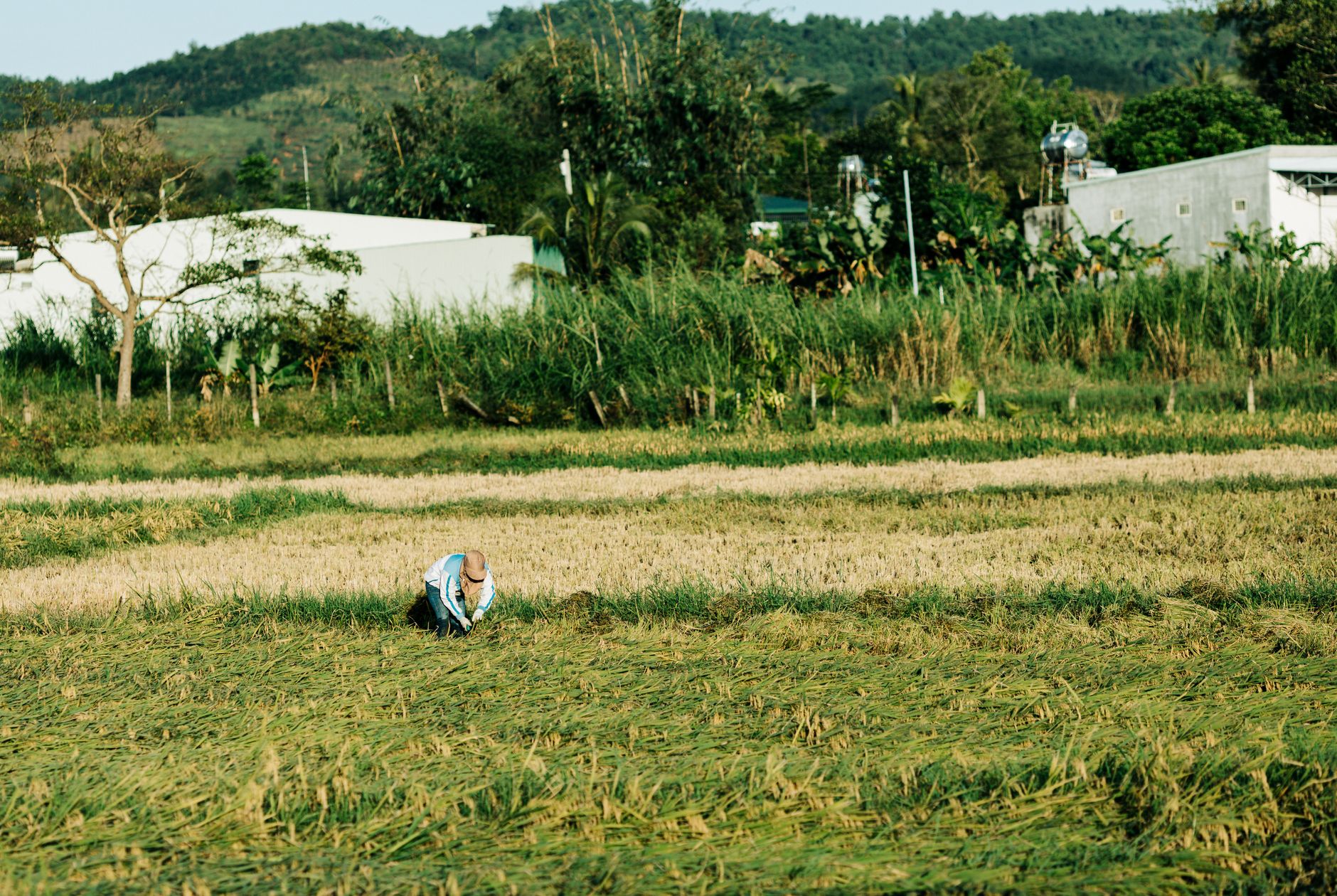
We arrive at a family farm (outside the city, usually 45–60 minutes by car or minibus) around 8:30 or 9:00 a.m., when the light is best and the main work of the day is underway. Your host—the farmer or a family member fluent in English—walks you through the fields and explains what's growing, what the season means, and what needs doing that day. You'll spend 1.5–2 hours in practical work: harvesting ripe vegetables into baskets, checking irrigation channels, weeding by hand, or learning to identify insect damage. We stop for water and shade; younger children often pair with an adult host. Around midday, you head to the family kitchen—a simple, open room in or near the farmhouse—and cook lunch from what you've just picked. You'll wash, chop, and cook with the family, then eat together at a communal table. The meal is always rice, soup, and stir-fried greens or vegetables, sometimes eggs or small fish from their own sources. By 1:00 or 2:00 p.m., you're back in the car heading to Saigon. Total time: 4–5 hours, no rushing.
Full-day farm experiences: what changes when you stay longer
A full-day session runs from morning (8:00 a.m.) through late afternoon (4:00 or 5:00 p.m.), letting you experience two work periods—early morning and late afternoon—when energy and light are ideal. You'll begin with a longer orientation to the farm: its layout, water sources, crops, animals, soil conditions. Midday, you cook and eat lunch in the family kitchen. Afterward, instead of leaving, you might help with afternoon harvesting, learn to make compost or prepare seed beds, or sit and talk with the farmer about seasonal cycles, market pressures, or land inheritance—real topics. Some families bring a picnic blanket and rest in a shaded area while the hosts do their own afternoon routines; kids often nap or play with farm dogs. By late afternoon, you participate in evening watering or feeding animals. A full day costs more and demands more stamina, but families with school holidays or visiting grandparents often find it worth the deeper immersion. Seniors sometimes prefer a half-day, though we've hosted capable 70-year-olds who'd rather do a full day and sit during the hot hours.
Seasonal differences: what changes month to month
Farm work and crop calendars shift constantly in the Mekong and Red River regions. In the cooler months (October–February), you'll harvest leafy greens, tomatoes, cucumbers, and herbs—lighter work, gentler on children. Spring (March–May) brings more intensive digging and replanting; water management becomes the focus. Summer (June–September) is wet-season rice or vegetable work, muddier and hotter; fewer children book then, but families who do often love the sensory richness. We always ask in your first WhatsApp message what time of year you're planning, then suggest a farm that has active, engaging work for that season. If you're dead-set on visiting in August but the main crops are resting, we might propose a fish-farming family or one focused on herb nurseries instead. Ask us for dates and a quote on WhatsApp to check seasonal fit.
Choosing between half-day and full-day, and what each costs
| Session type | Best for | Duration | Work focus | Meal(s) | Stamina needed |
|---|---|---|---|---|---|
| Half-day farm visit | Families with young kids (5–10), tight schedules, first-timers | 4–5 hours | One harvest cycle, light animal care | Lunch cooked on-site | Moderate; breaks included |
| Full-day farm experience | Older kids (10+), grandparents, keen gardeners, multi-generational groups | 7–8 hours | Two work periods, deeper farm talk, compost/prep tasks | Lunch + snacks/tea | Higher; afternoon rest built in |
| Farm + cooking combo | Families wanting extended kitchen time, food-focused | 5–6 hours | Harvest + full meal prep (multiple dishes, sauces, dessert) | Breakfast or lunch, tea | Moderate; mostly kitchen-based |
Prices vary by group size, season, and whether you book private (your family only) or join a small group of 4–8. Private sessions cost more but let you set the pace and focus. Small-group rates are lower per person and suit families comfortable mixing with others. Both half and full days include the car ride from central Saigon, the farmer's time, kitchen use, ingredients, and all meals cooked on-site. Ask us for dates and a quote on WhatsApp to lock in a date and confirm what's in scope.
What to check before booking your farm day
Before you commit, clarify these points with us:
- Ages and mobility: We adapt tasks for ages 5 and up; toddlers can come but get bored during active harvest. If anyone has difficulty walking long distances or bending, tell us—we choose a farm with gentler terrain and desk work options.
- Dietary needs: Most farm meals are rice, vegetables, and simple proteins (eggs, fish). Vegetarian or vegan is easy (we just skip the fish). Allergies to nuts, shellfish, or soy—tell us immediately; some families do eat fermented pastes on-site, so we'll agree alternatives beforehand.
- Rain plan: In the wet season, a downpour can make fields impassable. We don't cancel, but we shift to lighter tasks—kitchen prep, compost turning, animal care—or reschedule if the farm is flooded. Always ask what the farm's contingency is.
- What to wear: Closed-toe shoes or sandals with grip, loose clothes that can get muddy, a hat, and sunscreen. Many families bring a change of shirt. No new white trainers.
- Language: We speak English; the farmer speaks Vietnamese. We translate, but if your family wants deeper conversations about farming philosophy, let us know—we might arrange for a host with more English or build in more question-and-answer time.
Comparing farm experiences to other countryside activities in Saigon
If you're torn between a farm day and other options, here's how to think about it:
Farm experience = hands-on work, real meals cooked by you and a family, slow pace, learning by doing. Best if your kids like getting dirty and eating immediately after harvest. Explore our farm and countryside experiences.
Horse riding in countryside stables = mounted outdoor time, usually 1–2 hours, faster action, less cooking. Good for kids who want motion and less dirt tolerance.
Cooking classes in city kitchens = focused kitchen learning, more structured recipes, urban comfort, no farm work. Great if you want to cook but not harvest.
Day trips to flower markets or craft workshops = shorter, skill-focused, less about food sourcing. Better for families wanting a specific output (a bouquet, a lantern).
Street food and market tours in Ben Thanh or Binh Tay let you taste and buy, but you don't cook or harvest. Suits families who want cultural immersion without physical labor.
Our family and kids experiences page shows all sessions we tailor for under-16s—farm days are one of several options.
Red flags and honest limits
We won't promise that every farm visit is transformative or that your child will suddenly love vegetables. Some kids find the heat or mud uncomfortable; some parents overestimate their own fitness. Here's the truth:
- Very young children (under 5) rarely sustain interest in real farm work. You're welcome to bring them, but expect to hold or entertain one while the other family members harvest.
- Expect to get muddy and tired. It's not a spa or a leisurely stroll. If you want relaxation without exertion, try our wellness and slow experiences instead.
- Not every farm has exciting animals. Some focus purely on vegetable or herb cultivation. We tell you what the farm specializes in; if you want goats or ducks, we match you to a family-run place that has them.
- Rain happens. We adapt, but full-day sessions are harder in heavy downpour. Half-days are more flexible.
- Cooking is real cooking. You'll stand, chop, stir, and learn—not watch a demo. If anyone has hand or back pain, let us know and we'll adjust roles.
We keep groups small—usually 4–6 people per session—so the farmer isn't overwhelmed and you get genuine conversation. Private bookings (just your family) are possible and often preferred if you want to set the rhythm entirely. Contact us on WhatsApp with your family size, kids' ages, preferred season, and what draws you most: the work, the meal, meeting the family, or learning about farming itself. We'll sketch out a date, confirm the farm type, and send you a quote.
FAQ
Can we bring a baby or toddler to a farm day?
Yes, though they won't do harvest work. Bring a carrier or expect a parent to hold them during busy periods. The kitchen and meal time are toddler-friendly. Let us know in advance so we arrange seating and shade.
What if my child has never gardened and is nervous about not knowing what to do?
All children are beginners. Your host shows every step—which end of the eggplant to pull, how hard, where to cut. They work alongside kids the whole time. Nervousness usually vanishes after 10 minutes of real work.
Do we have to eat everything cooked on the farm, even if we don't like it?
No. You participate in cooking, so you'll know what's going in. If anyone dislikes a dish, they fill up on rice or other components. Speak up about preferences when we book, especially allergies or strict vegan/vegetarian needs.
How much walking and standing is involved in a half-day session?
Usually 1.5–2 hours of gentle walking between field areas and maybe 1–1.5 hours standing and chopping in the kitchen. Seniors with arthritis or mobility limits can join; we'll ask about this and adapt tasks. Some of the work can be done sitting down.
What's the best time of year to visit a farm with kids?
October–February, when weather is cool and leafy greens are abundant. Work feels lighter and kids don't overheat. Spring is busier (replanting) and summer is hot/rainy, but both are doable if you're keen and we've warned you.
Can we visit the same farm twice, or does it need to be different each time?
You can return to the same farm if you loved it. Returning visitors often deepen their relationship with the family and see seasonal shifts. Or try a different farm next time—each has its own personality, crops, and animals.
Do we need any special equipment or just clothes?
Just wear closed-toe shoes with grip, a hat, and clothes that can get muddy. We provide all tools, gloves, and produce baskets. Bring sun block and a water bottle; we refill at the farm.
What if it rains heavily on the day we've booked?
We don't cancel—we shift to kitchen prep, indoor tasks, or lighter field work. Full-day bookings can be rescheduled if the farm is waterlogged. Half-day sessions are more flexible. Always agree the rain contingency when you book.
Can we bring guests who aren't family, like a friend or au pair?
Yes. Let us know the final headcount and mix when you confirm dates. The farmer can accommodate family friends; groups stay small either way.
Ask about dates
Tell us the city, your dates and what you would like to try. We reply on WhatsApp in English with options and availability.
FAQ
Can we bring a baby or toddler to a farm day?
Yes, though they won't do harvest work. Bring a carrier or expect a parent to hold them during busy periods. The kitchen and meal time are toddler-friendly. Let us know in advance so we arrange seating and shade.
What if my child has never gardened and is nervous about not knowing what to do?
All children are beginners. Your host shows every step—which end of the eggplant to pull, how hard, where to cut. They work alongside kids the whole time. Nervousness usually vanishes after 10 minutes of real work.
Do we have to eat everything cooked on the farm, even if we don't like it?
No. You participate in cooking, so you'll know what's going in. If anyone dislikes a dish, they fill up on rice or other components. Speak up about preferences when we book, especially allergies or strict vegan/vegetarian needs.
How much walking and standing is involved in a half-day session?
Usually 1.5–2 hours of gentle walking between field areas and maybe 1–1.5 hours standing and chopping in the kitchen. Seniors with arthritis or mobility limits can join; we'll ask about this and adapt tasks. Some of the work can be done sitting down.
What's the best time of year to visit a farm with kids?
October–February, when weather is cool and leafy greens are abundant. Work feels lighter and kids don't overheat. Spring is busier (replanting) and summer is hot/rainy, but both are doable if you're keen and we've warned you.
Can we visit the same farm twice, or does it need to be different each time?
You can return to the same farm if you loved it. Returning visitors often deepen their relationship with the family and see seasonal shifts. Or try a different farm next time—each has its own personality, crops, and animals.
Do we need any special equipment or just clothes?
Just wear closed-toe shoes with grip, a hat, and clothes that can get muddy. We provide all tools, gloves, and produce baskets. Bring sun block and a water bottle; we refill at the farm.
What if it rains heavily on the day we've booked?
We don't cancel—we shift to kitchen prep, indoor tasks, or lighter field work. Full-day bookings can be rescheduled if the farm is waterlogged. Half-day sessions are more flexible. Always agree the rain contingency when you book.
Can we bring guests who aren't family, like a friend or au pair?
Yes. Let us know the final headcount and mix when you confirm dates. The farmer can accommodate family friends; groups stay small either way.
More like this
Farm and countryside days
Fishing Experience Vietnam for Japanese Travelers: Where to Go & What to Expect
Vietnam's waterways offer Japanese travelers a chance to learn traditional fishing methods directly from locals. Cáo Experiences runs half- and full-day sessions on rivers, lakes and the Mekong Delta where you cast nets, set traps, and cook your catch.
Farm and countryside days
Fishing Experience Vietnam for Foreigners: Hands-On Guide
Fishing in Vietnam isn't a spectator sport—you'll wade into rivers, cast nets, trap fish in baskets, and cook your catch for lunch. We run small-group and private fishing days in the countryside outside Hanoi, Ha Noi region, and the Mekong Delta.
Farm and countryside days
Fishing Experience in Vietnam: 8 Questions to Ask Before You Go
Fishing in Vietnam means wading through rice paddies, learning trap techniques, or casting in rivers with local guides. Here's what to ask before you book.