
Home › Blog › Farm and countryside days
Farm Experience in Sapa for Foreigners: What to Expect
By the Cáo Experiences team · 2026-11-06
Farm experiences in Sapa for foreigners are half-day or full-day immersions in the highlands' agriculture, hosted by Cáo Experiences in partnership with family farms outside town. You arrive mid-morning or early dawn, work shoulder-to-shoulder with farmers in rice paddies or gardens (planting, harvesting, or weeding—depending on season), share lunch cooked in a family kitchen, and return by early afternoon or sunset. No farming skill is needed; we adapt the workload for fitness level, age, and interest. Beginners often worry about pace and getting dirty—we explain the rhythm beforehand and provide aprons and boots. Costs vary by group size and duration; ask us for dates and a quote on WhatsApp. Rain happens in monsoon months; we either reschedule or pivot to indoor craft or cooking in the family home.
What Actually Happens Hour by Hour?
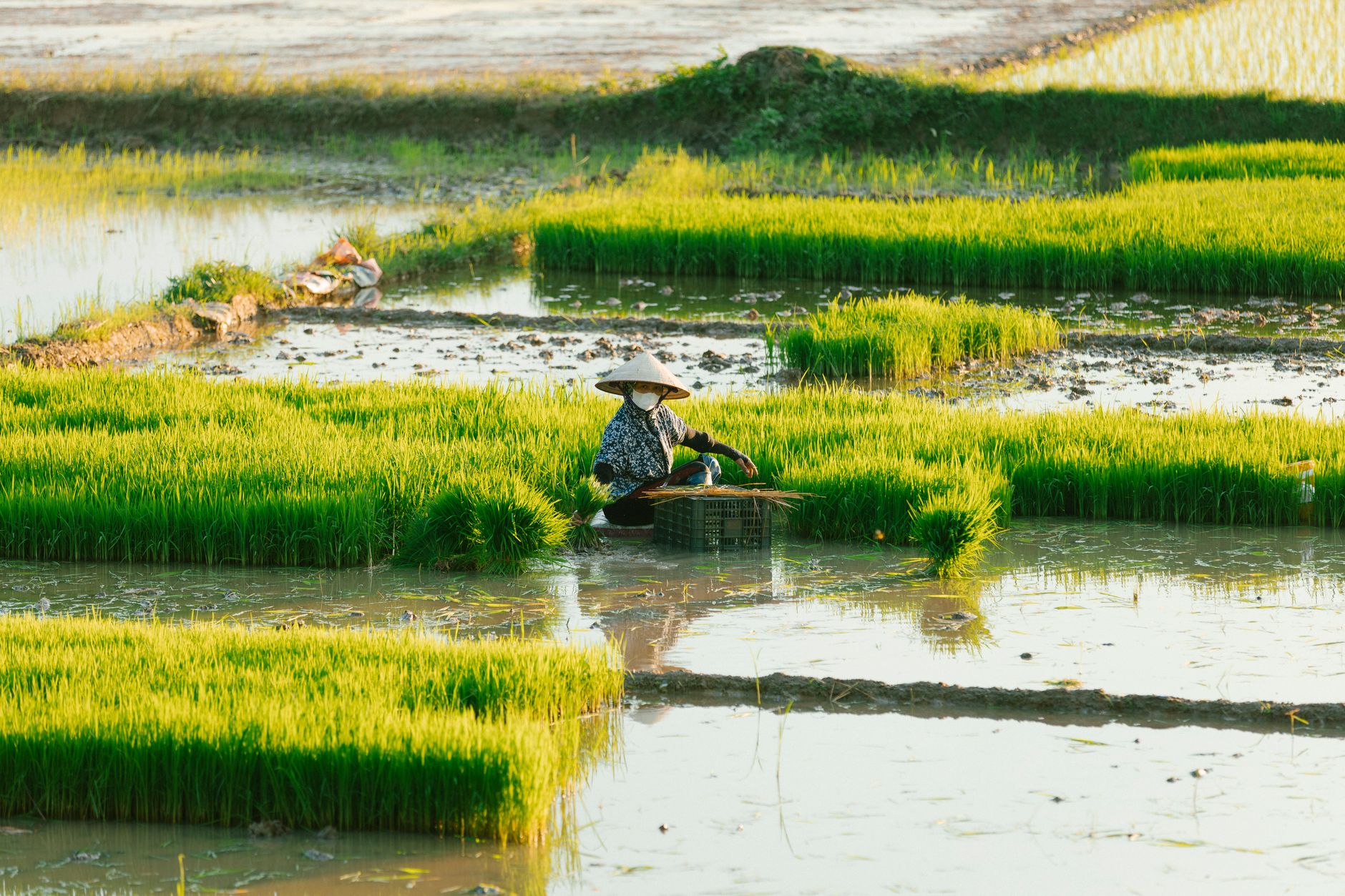
A typical half-day session starts at 7 a.m. when we collect you from town and drive 15–20 minutes into the surrounding valleys. You arrive at a family farm—fruit orchards, rice fields, or vegetable plots—where the family has set out water and tools. The farmer walks you through the day's task: if it's dry season, you might help transplant rice seedlings into flooded paddies, feeling the mud and learning hand motions. If it's harvest, you cut ripe vegetables or bundle paddy stalks. By 10 a.m. you pause, wash your hands in a basin, and sit on woven mats for tea made from herbs grown on the farm. Work resumes until noon. Lunch is cooked indoors—a simple meal of rice, greens, pickled vegetables, and sometimes fish or tofu—that the family prepared using produce you may have just picked. Stories flow naturally here; many farmers speak basic English or we translate. By 1 p.m. the session ends and we drive back.
Full-day experiences extend into afternoon: after lunch, you might walk to a neighbor's orchard, help with water-carrying systems, or learn about crop rotation. The pace is always the family's pace—not rushed, not staged for cameras.
How Do We Adapt for Kids, Seniors, and Fitness Levels?
Children aged 7 and up thrive here. They work for shorter stretches—20 minutes of planting, then 10 minutes of play—and eat smaller portions. Seniors often find the calm rhythm and outdoor air more valuable than hard labor. We adjust the workload: lighter tools, sitting tasks like bundling or sorting, and frequent water breaks. Guests with joint or back issues can help with planning tasks or observation instead. We ask about mobility when you book so we can match you with a farm accessible by a shorter walk. If someone tires quickly, the farmer never makes them feel rushed; the goal is connection, not output.
Allergies require advance notice—we learn what you can't eat and brief the family cook beforehand. Vegetarian, vegan, and gluten-free diets are easy to accommodate with rice, greens, and tofu.
What Should You Wear and Bring?
Wear old clothes you don't mind muddying: long pants or leggings (insect and sun protection), closed-toe shoes or boots you can get muddy, and a hat. Bring a light sweater or long-sleeve shirt for early morning cool air. A reusable water bottle is essential—we fill it at the farm, but carrying it keeps you hydrated. Sunscreen and insect repellent help. Don't bring your phone unless you're comfortable risking mud on it; take photos early or late. The farm has a bathroom (squat toilet, bucket shower) if you need to rinse off mid-morning—not luxurious, but functional. We provide aprons and gloves. No jewelry or watches needed; you'll be wet anyway.
Sapa Farm Days vs. Cooking Classes and Other Experiences
Many travelers want to blend farm exposure with other skills. Compare what suits your trip:
| Experience | Duration | What You Do | Best For | Next Steps |
|---|---|---|---|---|
| Farm day (Sapa) | 4–8 hours | Hands-on planting, harvesting, meals in family kitchen | Understanding rural agriculture, physical learning, quiet reflection | Ask us for dates on WhatsApp |
| Vietnamese cooking class | 3–4 hours | Shop a market, cook 4–5 dishes in a kitchen, eat your meal | Learning recipes to recreate at home, food-focused travelers | Pair with a farm day to source fresh ingredients |
| Street food and market tour | 2–3 hours | Walk a market, taste local snacks, haggle and learn stories | Quick cultural dip, taste-focused, less physical | Combine with farm day in the same trip |
| Group and corporate experiences | 4–8 hours | Team-building via farm, cooking, or craft combined | Companies, family reunions, friend groups (6+) | Farm + cooking combo energizes teams |
Why choose farm over others? You'll understand where your food comes from. You'll meet the people who grow it and hear their routines, challenges, and seasonal rhythms. Most visitors never leave town. A farm day is the opposite—total immersion, no curated village performance.

What Rain, Monsoons, and Seasons Mean for Your Booking
Sapa's wet season (May–September) brings afternoon showers and cooler mornings. Rain doesn't always cancel farm work—farmers work in light rain, and we have ponchos. But heavy downpour risks slippery slopes and muddy access roads. If weather looks severe 2 days before, we contact you to reschedule or pivot to an indoor alternative: a cooking class in a family kitchen, or a craft workshop in a local community space, using the same host family for continuity.
Dry season (October–April) is peak: cool mornings, dry fields, best for outdoor comfort. Spring (February–March) has high tourist flow; book early. Summer (June–August) is warmest but wettest; visibility in mountains suffers. Late autumn (November–December) is crisp and clear—many guests' top choice.
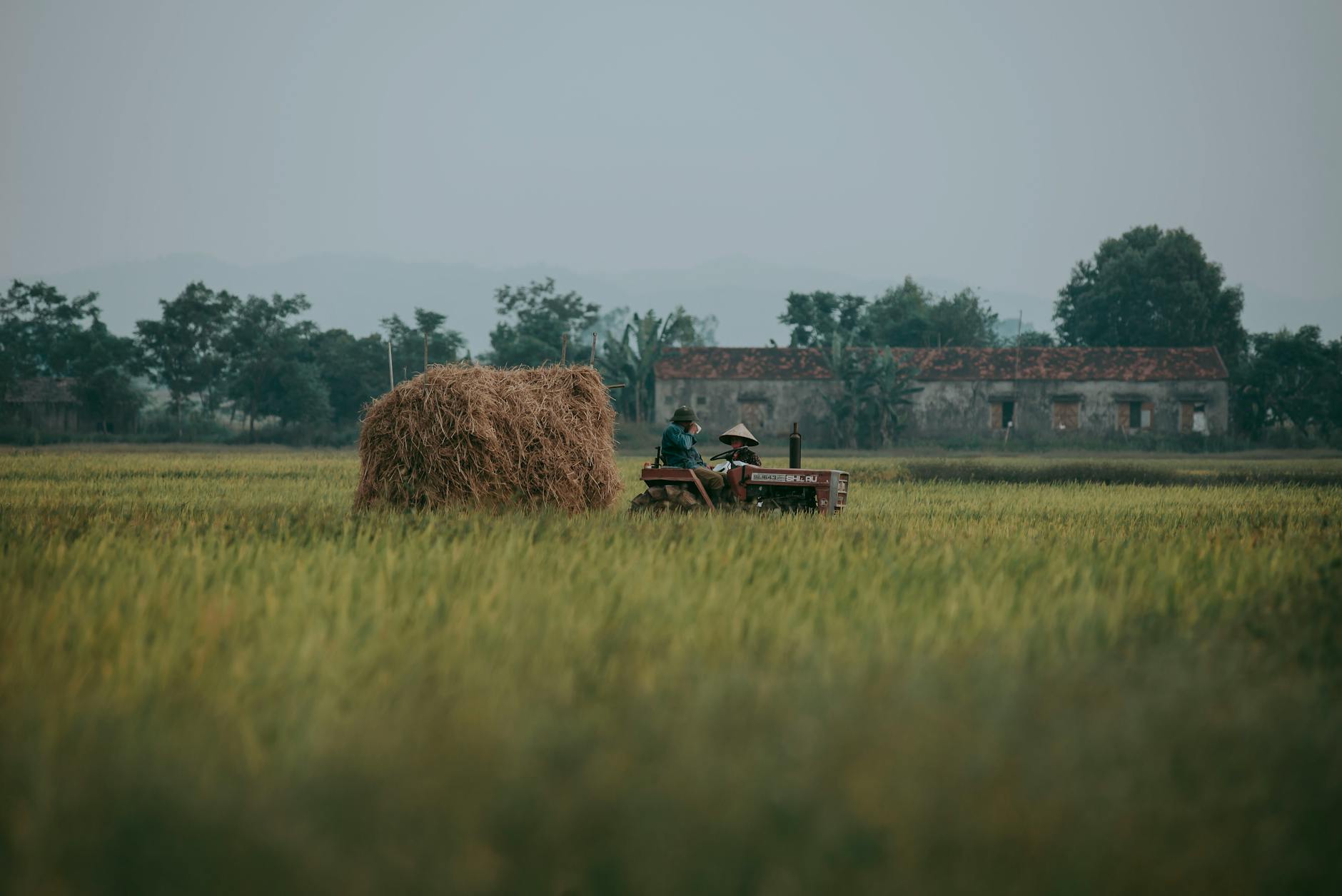
Plant-heavy work dominates April–May (transplanting) and September–October (harvest). If you're visiting another month, we adapt to whatever the farm is doing: pruning, weeding, water-system maintenance, or post-harvest preparation.
How to Choose Between Half-Day, Full-Day, and Overnight Options
Half-day (morning or afternoon, 4 hours): Suits travelers on tight schedules, families with young kids, or those testing whether farm work appeals. You get genuine work time and a meal without exhaustion. This is most visitors' choice.
Full-day (dawn to sunset, 8 hours): For deeper engagement. You experience two or three different tasks, walk the whole property, meet extended family, hear longer stories. The second meal (lunch or a light afternoon snack) keeps you energized. Requires moderate fitness and genuine interest in the rhythm—not for tourists wanting a quick Instagram moment.
Overnight stays: Some farms offer simple homestay rooms. You arrive afternoon, have dinner with the family, wake at 5 a.m. for the real farm day, and leave the next morning. This is rare and requires high comfort with basic amenities. Ask us for dates and options on WhatsApp if interested.
What to Check Before You Book: A Practical Checklist
- Fitness level: Be honest. Muddy rice paddies require balance and leg strength. Vegetable plots are gentler. Let us know and we'll match you fairly.
- Dietary needs: Any allergies, vegetarian, vegan, or gluten-free? Tell us now. The family cook adapts easily but needs warning.
- Age and physical abilities: Kids under 7 are possible but less engaged. Seniors thrive if mobility is okay. Pregnancy is fine for light tasks only.
- Rain tolerance: Are you okay getting wet and muddy? If not, monsoon months may frustrate you. Dry season or a rain-date rescheduling agreement help.
- Pace expectations: If you want fast-paced activity, a farm day may feel slow. If you seek calm and observation, it's perfect.
- Language: You don't need to speak Vietnamese; we translate. But interest in listening (via translation) matters—silent, rushed visits feel hollow.
- Scheduling: Book 2–3 weeks ahead for the best dates. Peak times (Nov–Dec, late Jan–Feb) fill quickly.
- What's included: Transport from Sapa town, tools, aprons, gloves, water, meal cooked on-farm, farmer's time, and translation. Personal gear (boots, hat, sunscreen) is your responsibility.
Ask us for dates and a quote on WhatsApp with your preferences and constraints—we'll design a session that fits.
Sapa farm experiences work because they're not tourism theater. You're not harvesting for a show; the farmer is harvesting because it's Tuesday and the vegetables are ready. You sit at a family table eating food they grew. That realness—the quiet, the work, the mud—is what changes how you think about agriculture and community. Many guests tell us afterward that a day on the farm reset something they didn't know needed resetting.
Can We Combine a Farm Day with Other Experiences?
Yes. A Vietnamese cooking class the next day teaches you to prepare what you saw grown. A horse riding experience in the valleys gives you another way to explore the landscape. A tea experience introduces the region's tea culture (Sapa grows oolong). A group and corporate experience can weave farm work with team activities. A flower arranging workshop uses flowers from local gardens. The more you mix, the deeper your picture of rural life becomes.
FAQ
Do I need farming experience?
No. Cáo Experiences runs all sessions for complete beginners. The farmer teaches each task and works alongside you. Worry is normal—everyone feels awkward the first 10 minutes, then relaxes into rhythm. Wear old clothes and expect to get dirty; that's the point.
What if the weather is bad the day I book?
We monitor forecasts and contact you 48 hours before if rain looks heavy. Options: reschedule to a clear day, pivot to an indoor cooking or craft session with the same family, or cancel and rebook. Avoid peak monsoon (July–August) if you're risk-averse.
Is there a bathroom and shower?
Yes, basic ones at the farm: a squat toilet and a bucket-and-basin wash station. Not luxurious, but functional and private. Some homestays have a simple shower. Bring a towel and change of clothes if you want to wash up before heading back to town.
Can I bring my kids?
Yes, ages 7 and up work best. Younger children tire quickly and may find the pace boring. We adjust tasks for kids: shorter stretches, lighter tools, lots of breaks. Families find this memorable—kids remember real work, not guided tours.
How much does a farm experience cost?
Costs vary by group size (individual, couple, family, group), duration (half or full day), and season. Ask us for dates and a quote on WhatsApp. Transport, meals, and tools are included; personal gear is your responsibility. Peak season (Nov–Feb) may have a small premium.
Ask about dates
Tell us the city, your dates and what you would like to try. We reply on WhatsApp in English with options and availability.
FAQ
Do I need farming experience?
No. Cáo Experiences runs all sessions for complete beginners. The farmer teaches each task and works alongside you. Worry is normal—everyone feels awkward the first 10 minutes, then relaxes into rhythm. Wear old clothes and expect to get dirty; that's the point.
What if the weather is bad the day I book?
We monitor forecasts and contact you 48 hours before if rain looks heavy. Options: reschedule to a clear day, pivot to an indoor cooking or craft session with the same family, or cancel and rebook. Avoid peak monsoon (July–August) if you're risk-averse.
Is there a bathroom and shower?
Yes, basic ones at the farm: a squat toilet and a bucket-and-basin wash station. Not luxurious, but functional and private. Some homestays have a simple shower. Bring a towel and change of clothes if you want to wash up before heading back to town.
Can I bring my kids?
Yes, ages 7 and up work best. Younger children tire quickly and may find the pace boring. We adjust tasks for kids: shorter stretches, lighter tools, lots of breaks. Families find this memorable—kids remember real work, not guided tours.
How much does a farm experience cost?
Costs vary by group size (individual, couple, family, group), duration (half or full day), and season. [Ask us for dates and a quote on WhatsApp](https://wa.me/84338762340). Transport, meals, and tools are included; personal gear is your responsibility. Peak season (Nov–Feb) may have a small premium.
More like this
Farm and countryside days
Fishing Experience Vietnam for Japanese Travelers: Where to Go & What to Expect
Vietnam's waterways offer Japanese travelers a chance to learn traditional fishing methods directly from locals. Cáo Experiences runs half- and full-day sessions on rivers, lakes and the Mekong Delta where you cast nets, set traps, and cook your catch.
Farm and countryside days
Fishing Experience Vietnam for Foreigners: Hands-On Guide
Fishing in Vietnam isn't a spectator sport—you'll wade into rivers, cast nets, trap fish in baskets, and cook your catch for lunch. We run small-group and private fishing days in the countryside outside Hanoi, Ha Noi region, and the Mekong Delta.
Farm and countryside days
Fishing Experience in Vietnam: 8 Questions to Ask Before You Go
Fishing in Vietnam means wading through rice paddies, learning trap techniques, or casting in rivers with local guides. Here's what to ask before you book.