
Home › Blog › Farm and countryside days
Farm experience in Vietnam for kids: what actually works
By the Cáo Experiences team · 2026-11-06
A farm experience for kids in Vietnam means spending a half or full day on a working family farm where children plant, harvest or tend animals alongside local farmers. Sessions run in countryside locations outside Hanoi, Da Lat and Hoi An, coordinated through WhatsApp with Cáo Experiences. A typical half-day includes a farm tour, hands-on work (vegetable picking, animal feeding, water drawing), a simple meal cooked together, and time to rest or play. Most farms welcome kids aged 4 onwards; younger siblings can come but may need adult supervision on their lap. The pace is slow—expect mud, insects, real farm sounds—not a manicured visit. Ask us for dates and a quote on WhatsApp to check what's growing and which farm suits your family's energy level and interests. Ask about dates on WhatsApp
Why do kids learn better on a real farm than in a classroom?
Because work is real, results are immediate, and failure has no judgment. A child who picks a tomato eats it an hour later; a child who learns about photosynthesis in a book forgets by next week. We've watched kids who resist food at home ask for seconds of a vegetable they harvested themselves—not because it tastes different, but because they own it. There are no safety rails, no sanitized narratives. Kids see chickens laying eggs, notice which crops need water, handle soil with their hands. That sensory and causal chain—effort → plant → food → meal → shared eating—is what rural childhood used to teach everywhere. A farm day restores it briefly.

Which farm region fits your family's timeline and interests?
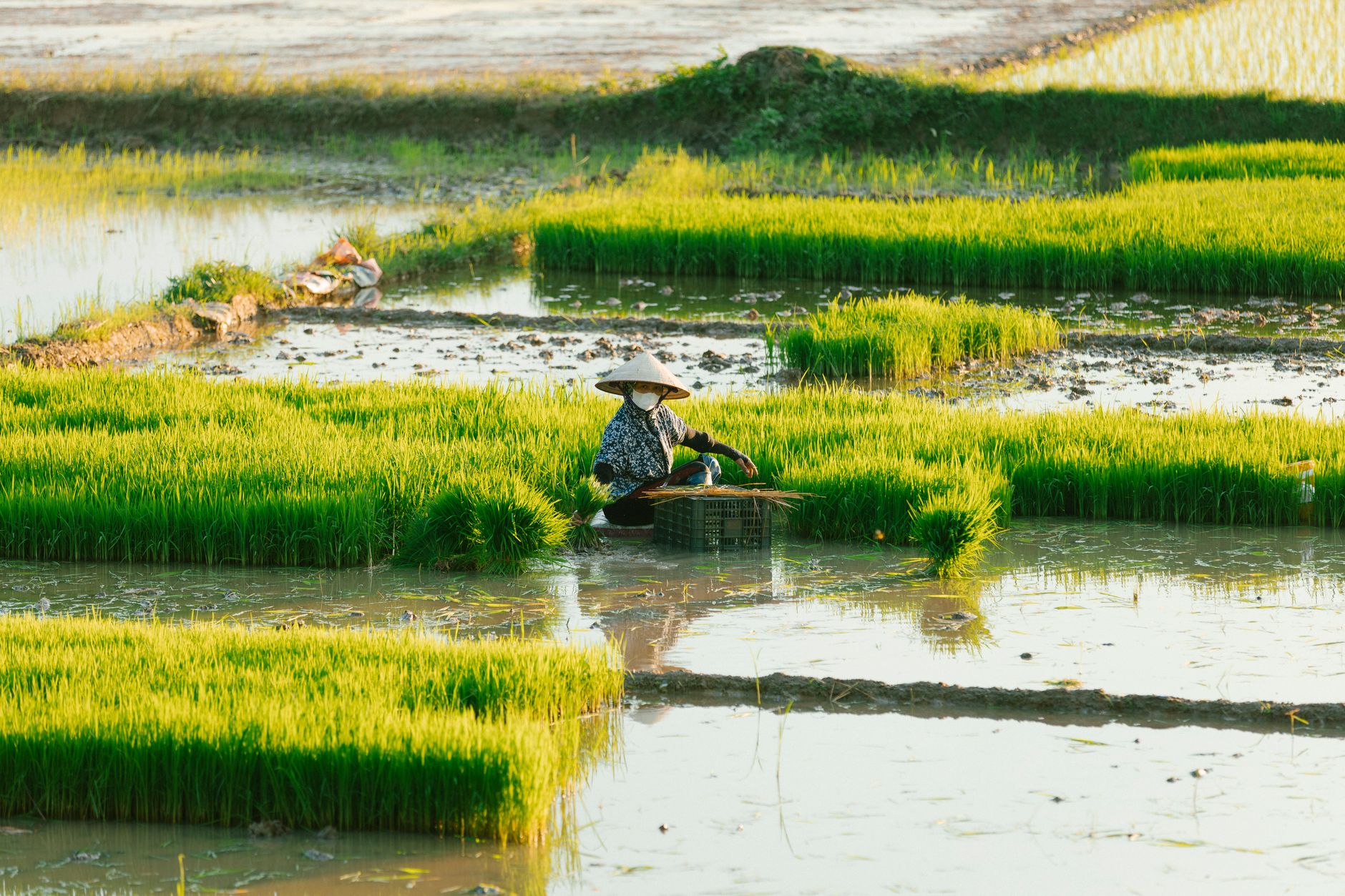
Our farm and countryside experiences operate near Hanoi (wet rice paddies, vegetable orchards, small livestock), Da Lat (temperate crops, flower gardens, quieter tempo), and Hoi An (tropical mix, less crowded, shorter travel). Hanoi farms are closest for city-based families; a half-day means 90 minutes travel each way. Da Lat requires a longer commitment—many families stay overnight—but the cooler climate, fruit orchards and slower rhythm suit kids who get overwhelmed by heat or pace. Hoi An sits between: greener than the capital, busier than Da Lat, good for families wanting countryside without a full road trip. Each region has different crops by season (rice, leafy greens, herbs in winter; melons, peppers, beans in summer). Ask what's in season before you book.
See farm experiences near you
What do kids actually do for 4–6 hours on a farm?
| Task | Age range | What it teaches | How messy? |
|---|---|---|---|
| Vegetable picking | 4+ | When food is ripe, gentle handling | Mud on knees |
| Animal feeding | 3+ | Routine care, animal behaviour | Straw in hair, sometimes animal contact |
| Water drawing/watering | 4+ | Irrigation, plant needs, physical effort | Wet clothes; can be very wet |
| Egg collecting | 5+ | Where eggs come from, living cycles | Low mess but emotionally intense for some |
| Cooking a simple meal | 6+ | seasoning, heat, teamwork, eating together | Hot water, steam, flour dust |
| Free play in fields/with animals | All ages | Unstructured joy, risk-taking, boredom resolution | Very messy; usually the best part |
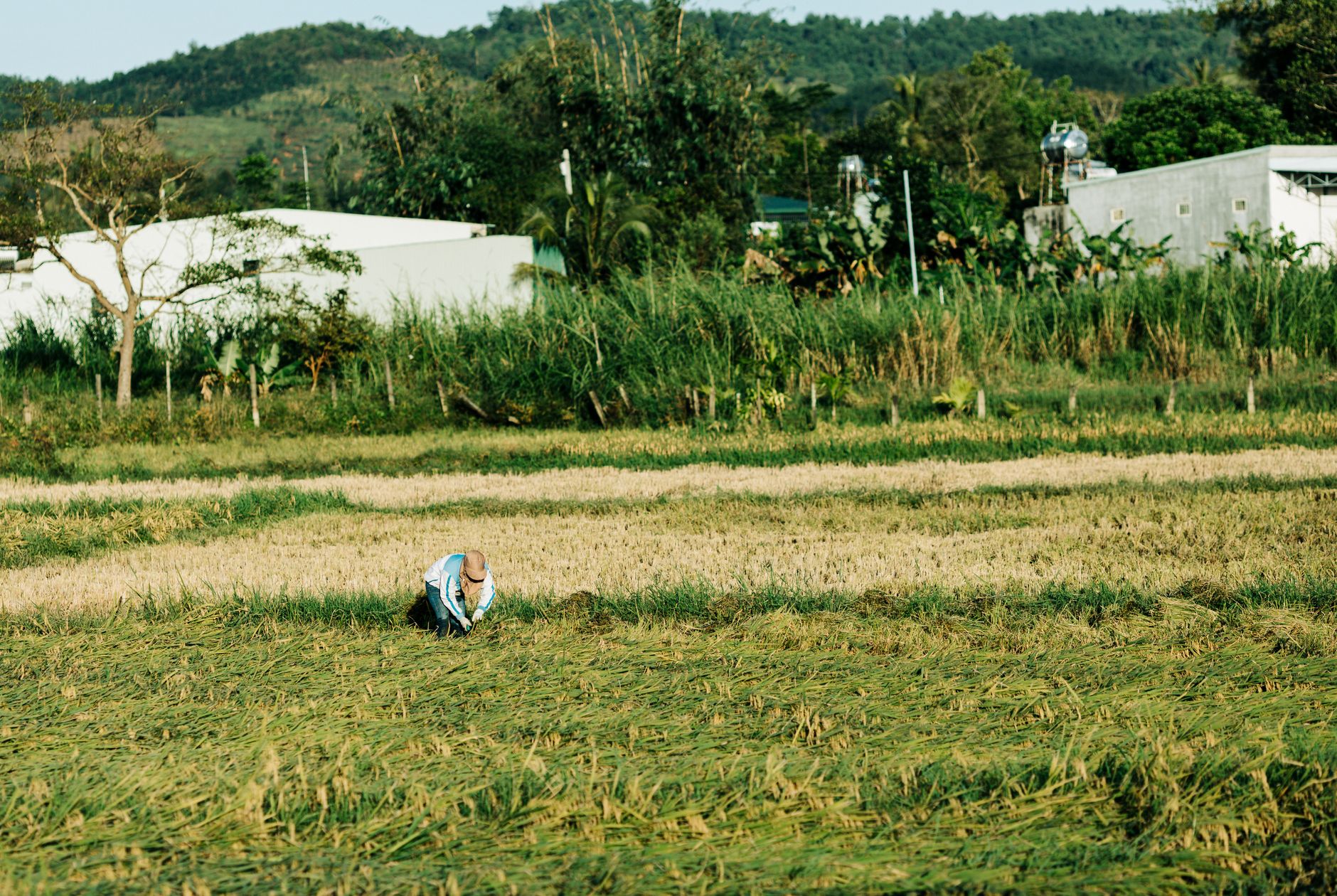
A typical morning: we arrive at 8 a.m., meet the farmer family, walk the crops with kids pointing out what's growing. By 9 a.m. kids are picking (or digging, or feeding). By 11 a.m. we prep a meal together—usually rice, vegetables they picked, eggs, fresh herbs. Lunch happens at noon outdoors or in a simple family kitchen. Afternoon is either a second work session (planting, composting, animal care) or free time for kids to play with farm animals, splash in water, nap, or explore on their own. We leave by 3 p.m. for a half-day; full-day sessions run until 5 p.m. and feel less rushed.
What do parents worry about, and what actually happens?
Allergies & food: We ask about all dietary restrictions on WhatsApp before the date. Most farms keep simple ingredients—rice, eggs, vegetables, salt, oil. If your child needs specific foods, bring them. Cooking happens together so you control what goes in. No hidden sauces, no fish sauce unless you ask. We've hosted vegan kids, gluten-free kids, and kids who only eat white rice; it works fine because the farmer family is used to flexibility.
Rain: Vietnamese countryside rains come hard and fast. If it pours, the farm becomes slippery and less safe for young kids. We reschedule or shorten the session to essential tasks under shelter—animal feeding in a barn, cooking indoors, learning about irrigation. Bring waterproof jackets and accept that mud happens.
Animals and fear: Not every child is comfortable with livestock. We ask about this beforehand. If your kid fears chickens, we spend more time on vegetable work and less on the coop. If they love animals, we spend extra time there. The farmer family reads kids well and moves at their pace.
Heat and exhaustion: Vietnamese farm work in summer is hot. Kids under 4 or those who tire easily should do a half-day, start early, and have shade and water always available. We pause for rest and don't push. Bring a hat, sunscreen, and water.
Language: We run sessions in English. The farmer family speaks Vietnamese. We translate key instructions and let kids and farmers communicate through gesture and laughter—which often works better than words anyway.
How do you adapt for age groups from 3 to 13?
Under 5: Half-day only, shorter sessions, more free play, animal interaction over hard labour. Parents stay close. We focus on sensory experience—mud, plants, animals—not output.
5–8: Full half-day works well. These kids can focus on one task (picking, watering) for 30 minutes, understand cause-and-effect (seed → plant → food), and take pride in small contributions. Cooking together is a huge draw.
9–13: Full day suits them. They can learn basic farm systems (composting, irrigation, crop rotation), take on real tasks (hoeing, harvesting for market), and often become fascinated with the work itself. Teenage visitors sometimes ask if they can come back and work for pay.
Siblings of different ages: Bring them. The older kids help the younger ones; the farmer family has practice with multi-age groups. It often works better than same-age groups.
What should you check before booking a farm day?
- Season: What's actually growing? Check with us on WhatsApp. Off-season farms might have less to do.
- Travel time & transport: How long is the drive from your accommodation? Hanoi farms are 45–90 minutes; Da Lat can be 20–60 depending on the farm.
- Your child's stamina: Can they walk 30+ minutes on uneven ground? Do they need a quiet environment or thrive on chaos?
- Dietary needs: List allergies, aversions and preferences when you message us.
- Clothing: Kids need closed shoes (not flip-flops; animals and machinery), long pants (tick and mosquito protection), and clothes they can get dirty. Avoid expensive trainers.
- Expectations: A farm is not a petting zoo. It's work, mud, sweat, and unglamorous reality. That's the point—and why kids remember it.
Ask us for dates and a quote on WhatsApp; we'll match your family to the right farm and timing.
We also run cooking classes where kids cook meals that pair well with farm-grown ingredients, group and corporate experiences if you're organising a family gathering, and wellness sessions for parents who need slow time while kids play safely on the farm. Many families combine a farm day with a street food and market tour in the nearest town to complete the food chain—from harvest to market to plate.
FAQ
Can toddlers (under 3) come to a farm experience?
Yes, but a half-day is essential and a parent must stay close. Toddlers can't do sustained farm work but love touching soil, watching animals and running. Bring a pram if the farm track allows it, and expect them to nap afterward.
What if my child refuses to get dirty?
Some kids are cautious on day one and confident by hour three. We don't force it. If your child wants to observe only, that's fine—many learn by watching first. Bring extra clothes and accept that farm work happens, not imagination of it.
Do we need to book a private session or can we join a group?
Both work. Group sessions (mixed families) cost less and kids often feel braver with peers. Private sessions mean the farmer adjusts entirely to your family's pace. Ask us which suits you—we have both running most weeks.
Is there wifi or phone signal on the farm?
Usually yes, but spotty. Don't rely on it for work calls. Enjoy the digital pause.
What's the best time of year to visit a farm in Vietnam?
October to March (cool and dry, many crops growing). Summer (May–September) is hot and humid, and crops are fewer. Rainy season (May–September) brings sudden downpours. Winter is perfect; book then if you can.
Ask about dates
Tell us the city, your dates and what you would like to try. We reply on WhatsApp in English with options and availability.
FAQ
Can toddlers (under 3) come to a farm experience?
Yes, but a half-day is essential and a parent must stay close. Toddlers can't do sustained farm work but love touching soil, watching animals and running. Bring a pram if the farm track allows it, and expect them to nap afterward.
What if my child refuses to get dirty?
Some kids are cautious on day one and confident by hour three. We don't force it. If your child wants to observe only, that's fine—many learn by watching first. Bring extra clothes and accept that farm work happens, not imagination of it.
Do we need to book a private session or can we join a group?
Both work. Group sessions (mixed families) cost less and kids often feel braver with peers. Private sessions mean the farmer adjusts entirely to your family's pace. Ask us which suits you—we have both running most weeks.
Is there wifi or phone signal on the farm?
Usually yes, but spotty. Don't rely on it for work calls. Enjoy the digital pause.
What's the best time of year to visit a farm in Vietnam?
October to March (cool and dry, many crops growing). Summer (May–September) is hot and humid, and crops are fewer. Rainy season (May–September) brings sudden downpours. Winter is perfect; book then if you can.
More like this
Farm and countryside days
Fishing Experience Vietnam for Japanese Travelers: Where to Go & What to Expect
Vietnam's waterways offer Japanese travelers a chance to learn traditional fishing methods directly from locals. Cáo Experiences runs half- and full-day sessions on rivers, lakes and the Mekong Delta where you cast nets, set traps, and cook your catch.
Farm and countryside days
Fishing Experience Vietnam for Foreigners: Hands-On Guide
Fishing in Vietnam isn't a spectator sport—you'll wade into rivers, cast nets, trap fish in baskets, and cook your catch for lunch. We run small-group and private fishing days in the countryside outside Hanoi, Ha Noi region, and the Mekong Delta.
Farm and countryside days
Fishing Experience in Vietnam: 8 Questions to Ask Before You Go
Fishing in Vietnam means wading through rice paddies, learning trap techniques, or casting in rivers with local guides. Here's what to ask before you book.