
Home › Blog › Farm and countryside days
Farm Experience in Vietnam on a Budget: Real Costs & Honest Tips
By the Cáo Experiences team · 2026-11-06
A budget farm experience in Vietnam typically means a half-day or full-day hands-on session at a family-run property outside town—vegetable picking, animal care, cooking with farm produce—rather than a resort stay. Cáo Experiences hosts farm and countryside experiences in rural Hanoi, Hoi An, and Da Lat, where groups of 2–8 spend 4–6 hours learning from working farmers; no entrance fees, no markup on local ingredients. Cost runs low because we work directly with families and use what's already there. Budget wisely: private sessions cost more per person than group dates; meals included cost less than eating in town afterward; transport and tips are separate. Avoid "eco-resort" packages labeled "farm experiences"—they're hotels with a vegetable patch.
What exactly happens on a farm day—start to finish?
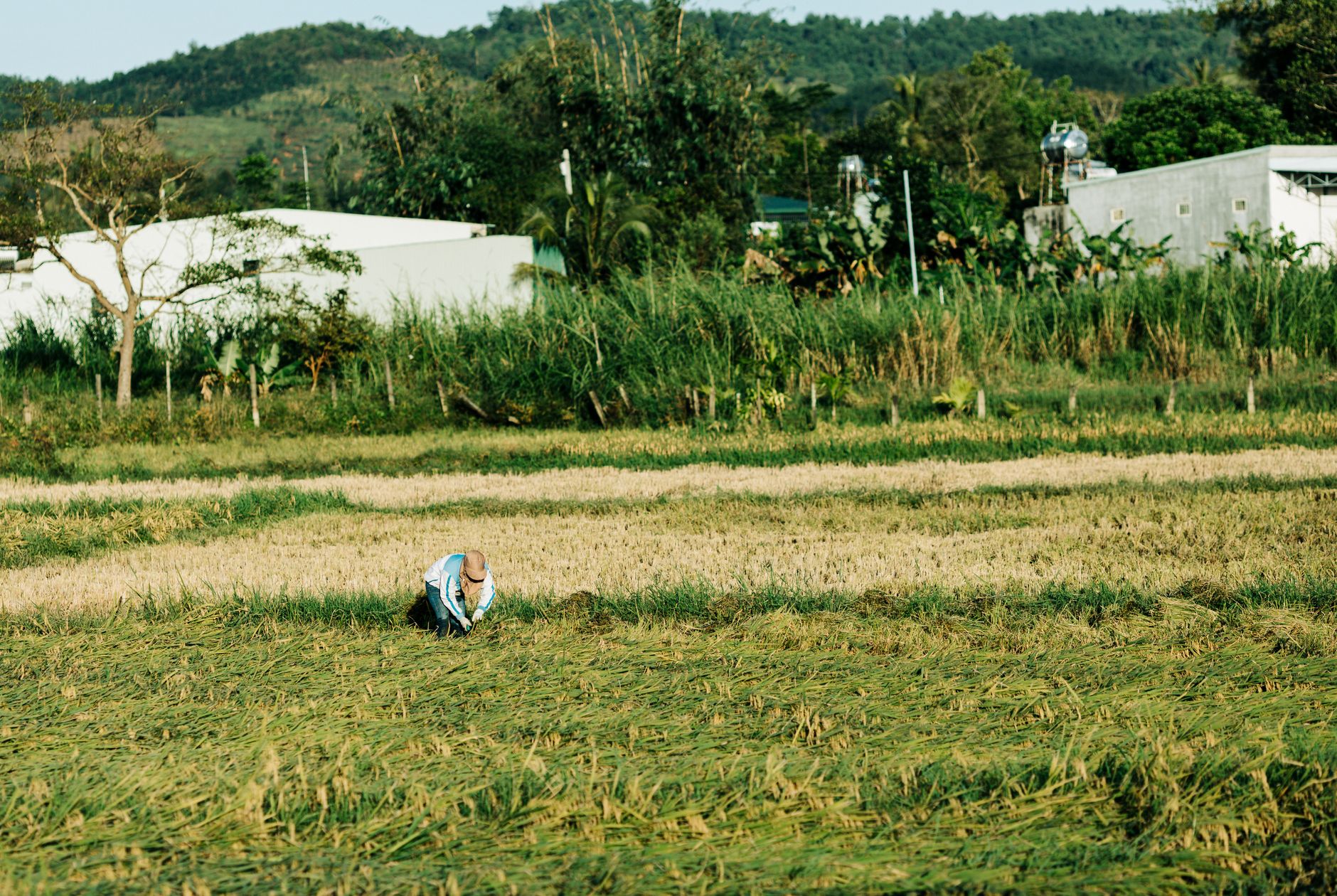
We meet you at a pickup point (usually a familiar landmark in the old quarter) at sunrise or mid-morning. A host drives the group 30–45 minutes to a family kitchen in a rural lane, where the farmer or a family member greets us in their home language first—a real moment, not staged. Then we work: if it's harvest season, you pick leafy greens or herbs alongside whoever tends that plot; if animals are part of the routine, you help feed chickens or goats; if there's a fish trap to check, we walk to the water together. By mid-session, someone starts a fire or charcoal stove, and you prepare lunch using what you've picked or the farm raises. Eating happens at a wooden table or on mats, often with the family. A host translates and answers questions. We leave by early afternoon. Total: 5–6 hours, no rushing.
Why is a farm day cheaper than a cooking class or resort tour?
Farm experiences have no venue rental, no staff beyond the host, and no retail markup on produce. When you book a cooking class at a school or kitchen studio, you're paying for the space, utilities, and sometimes instructor fees on top of ingredients. A farm day uses the family's own land and tools. We split the host cost across the group, and if your group is 4+ people, the per-person fee stays low. Resort "farm experiences" (or "farm-to-table" packages at hotels) add lodging, parking, and profit margins. A real farm day often includes the meal you cook; a hotel package charges separately for food and drinks. Check whether your quote covers lunch—ours do. The trade-off: a real farm is basic. No air-con, no wifi, squat toilet most likely. If you need comfort, a farm day won't feel cheap; it'll feel rustic. If you're okay with rustic, it's genuinely affordable.
Which regions offer the best farm experiences on a tight budget?
| Region | Best for | Season | Why budget-friendly |
|---|---|---|---|
| Hanoi outskirts (Red River Delta) | Vegetable & herb harvesting | Year-round | Closest to city; short drive reduces fuel cost split |
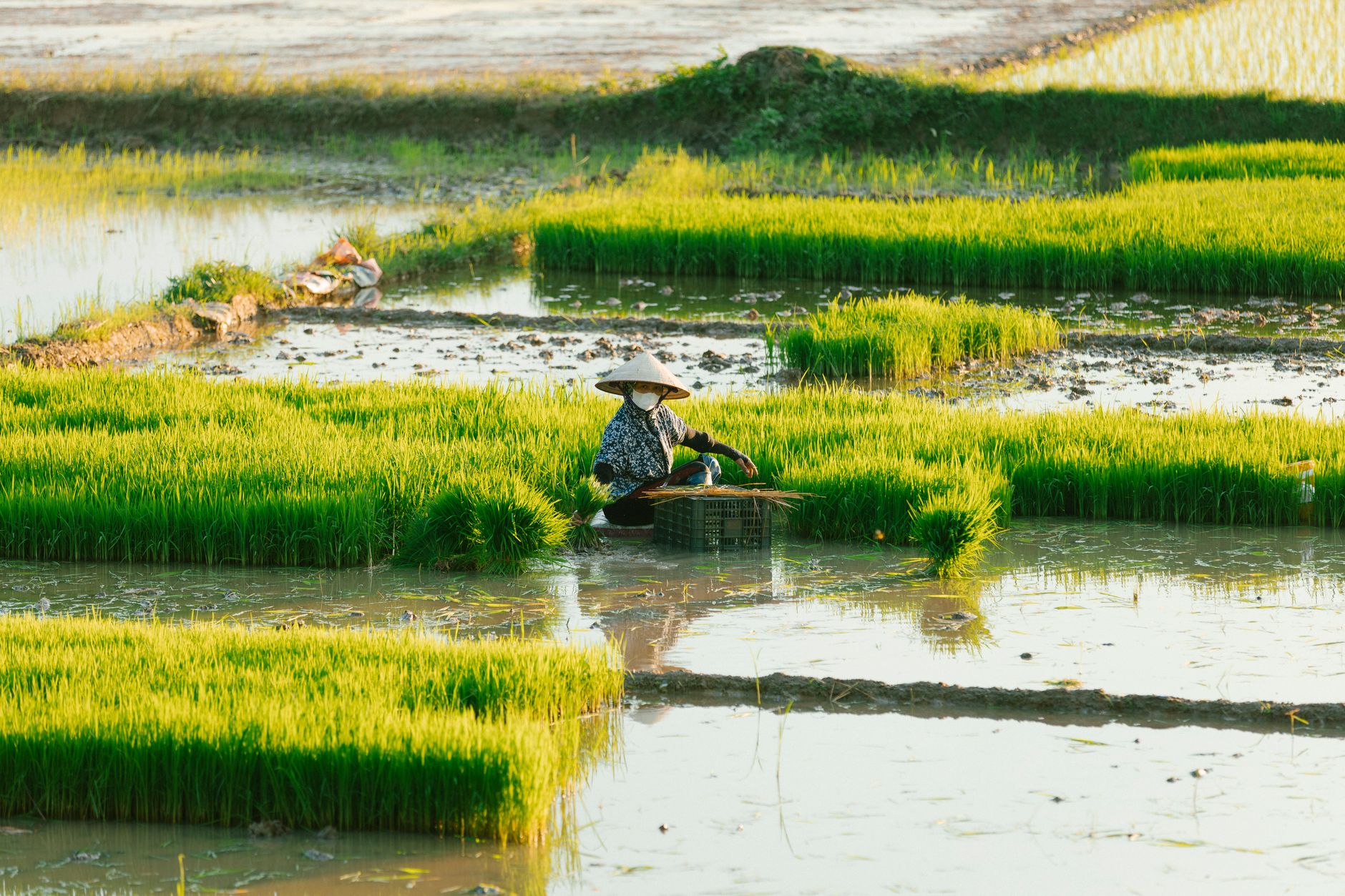
| Hoi An countryside | Rice paddies, river fishing | Oct–May | Flat land, no guide mountain fees; family-run operations |
| Da Lat highlands | Coffee picking, temperate crops | Sept–Nov | Cooler climate cuts water use; farms eager for off-season groups |
The Red River Delta (an hour from Hanoi) has the most family farms offering day visits; travel time is short, so your group's transport cost per person stays minimal. Hoi An's countryside is flatter and less touristy than mountain regions, so farms haven't inflated prices. Da Lat in the highlands offers coffee-farm experiences that feel exotic but cost less than a coffee workshop in town because the farm itself is the classroom. Avoid Sapa and other mountainous tourist hotspots if budget is tight—guides and logistics are pricier.
How do you actually save money without skipping the real experience?
Go in a group. A family farm costs the same whether 2 or 8 people show up; we split the host fee, so four people pay roughly half what a couple pays alone. Join a scheduled group date instead of booking private. Pick the right season. Harvest times vary. Off-season (summer in the north, June–Aug) is quieter and often cheaper because labor is less tight; you'll learn differently but you'll still work and eat real farm food. Skip add-ons. Some farms offer photo packages or craft workshops after the main session—lovely, but they cost extra. A core farm day includes picking and cooking; that's where the value is. Don't expect lunch to be fancy. We eat what the farm produces and what's quick to cook. You might have herb soup, greens stir-fried, rice, and boiled eggs. It's delicious and filling but plain. If you're used to restaurant plating, manage expectations. Walk or bike instead of motorized tours. Some hosts offer optional motorbike rides to distant plots; skip them if your legs work. Learn to say "no" to snacks and drinks vendors. Once word spreads that tourists are at the farm, small vendors may appear. A cold coconut is nice but costs 3× the farm experience itself. Bring water from town.
What's included vs. what costs extra—a clear breakdown?
| What's in the quote | What you pay separately | Common mistakes |
|---|---|---|
| Host fee (translation + guidance) | Transport to pickup point | Assuming lunch is fancy |
| Farm entry (if any) | Tips for the family (optional but kind) | Bringing valuables to a rustic setting |
| Ingredients for cooking | Drinks/snacks if you want them | Showing up unprepared for dirt, no wifi |
| Lunch meal (prepared by you + farm) | Photography permits (rare; ask first) | Not telling us dietary needs in advance |
| Apron/gloves if needed | Craft add-ons (embroidered keepsake, pressed flowers) | Expecting A/C or western toilets |
A quote from us covers the host, your share of farm access, and the meal. You pay separately for transport to meet us (usually a short taxi), tips if you want to thank the family (we suggest a small amount in cash), and anything you buy on impulse. Some families love a gift—a small item from your home country, a photo sent later, or flowers from town. Be honest in advance about food allergies, mobility limits, or religious dietary rules. We adapt every session. No surprises on the invoice: ask us for dates and a quote on WhatsApp, and you'll see exactly what's included.
How does rain or bad weather change a farm day?
Rain is normal in rural Vietnam, and it doesn't cancel the work—it just changes it. If it's drizzling at dawn, harvesting greens is easier because soil stays moist. If it pours, we move under a shelter (most farms have a covered work area) and shift to indoor tasks: cleaning and sorting vegetables, preparing ingredients, cooking, learning about farm tools or local plant use. We never waste your time sitting idle waiting for sun. What stops a session: flooding that makes the lane impassable, or a typhoon warning (rare, and we'd reschedule). For cold-season visits in the north (Nov–Feb), bring a light jacket; morning mist clears by mid-morning. For hot seasons, wear a long-sleeve shirt to block sun and insects; a hat and sunscreen matter. Waterproof shoes or sandals you don't mind soaking are smarter than sneakers. If you're truly uncomfortable with mud or rain, a farm isn't the right fit—consider a street food and market tour instead, which works in any weather.
What to check before you book
- Mobility: Ask if the farm involves long walking or uneven ground. We can modify tasks but can't change terrain.
- Diet: Tell us allergies, vegetarian needs, or religious restrictions when you inquire. We cook with the farm's produce; we adapt, but we can't magic up ingredients not there.
- Group size: Confirm whether you're joining a scheduled date or booking private. Prices differ.
- Distance: Confirm drive time and pickup location so you know your own transport cost to meet us.
- Photos: Some families prefer no photos of their workspace or children. Ask the host when you arrive.
- Language: We host in English. If you need another language, tell us early.
Quick decision: is a farm day right for me?
Choose a farm experience if: You're curious how real food grows, you're okay with basic conditions, you want to work with your hands, you like eating simply and seasonally, you're traveling in a group (cheaper), or you want to support a working family directly. Skip it if: You need comfort (A/C, wifi, nice bathrooms), you're on a very tight schedule, you have mobility issues that make uneven ground unsafe, or you expect resort-level hospitality. Consider instead: A tea experience or flower arranging workshop if you want a hands-on cultural session in a comfortable studio setting. A group and corporate session if you're coordinating a team and want options beyond farms.
See how a session runs

FAQ
Is a farm experience actually cheaper than a resort day trip or tour company package?
Yes, usually half the cost. We work directly with farming families—no venue rent, no markup on food. A typical day with us (host, farm access, lunch) is under most restaurant meals in town. Resort packages add lodging and profit margins.
Can beginners really do farm work, or do I need experience?
Absolutely beginners do this. Picking greens, feeding animals, and basic cooking are taught as you go. The family shows you how. Many guests have never set foot on a farm; that's exactly why they come.
What if I'm vegetarian or have food allergies?
Tell us when you book. We cook with farm produce; we absolutely adapt. If the farm raises meat animals, you don't prepare or eat them. We'll confirm what's available before the day starts.
Can kids go on a farm experience?
Yes, and many families bring them. We have experiences designed for families and kids too. Children under 5 may find the day long; children 6+ usually thrive. Let us know the child's age and interests, and we'll adjust tasks and timing.
What should I wear and bring?
Long pants or a long skirt, closed-toe shoes or sandals that can get wet, a hat, sunscreen. Bring water. Leave valuables at your hotel—farms are secure but basic, and there's nowhere safe for phones or cameras when you're working wet. An old shirt is fine; you will get dirty.
Do I need to tip, and how much?
Tips aren't required, but they're kind. If the family and host gave you a good day, a small amount in cash (Vietnamese dong, modest) or a gift from home is appreciated. We'll guide you if you ask.
Ask about dates
Tell us the city, your dates and what you would like to try. We reply on WhatsApp in English with options and availability.
FAQ
Is a farm experience actually cheaper than a resort day trip or tour company package?
Yes, usually half the cost. We work directly with farming families—no venue rent, no markup on food. A typical day with us (host, farm access, lunch) is under most restaurant meals in town. Resort packages add lodging and profit margins.
Can beginners really do farm work, or do I need experience?
Absolutely beginners do this. Picking greens, feeding animals, and basic cooking are taught as you go. The family shows you how. Many guests have never set foot on a farm; that's exactly why they come.
What if I'm vegetarian or have food allergies?
Tell us when you book. We cook with farm produce; we absolutely adapt. If the farm raises meat animals, you don't prepare or eat them. We'll confirm what's available before the day starts.
Can kids go on a farm experience?
Yes, and many families bring them. We have [experiences designed for families and kids](/family-experiences) too. Children under 5 may find the day long; children 6+ usually thrive. Let us know the child's age and interests, and we'll adjust tasks and timing.
What should I wear and bring?
Long pants or a long skirt, closed-toe shoes or sandals that can get wet, a hat, sunscreen. Bring water. Leave valuables at your hotel—farms are secure but basic, and there's nowhere safe for phones or cameras when you're working wet. An old shirt is fine; you will get dirty.
Do I need to tip, and how much?
Tips aren't required, but they're kind. If the family and host gave you a good day, a small amount in cash (Vietnamese dong, modest) or a gift from home is appreciated. We'll guide you if you ask.
More like this
Farm and countryside days
Fishing Experience Vietnam for Japanese Travelers: Where to Go & What to Expect
Vietnam's waterways offer Japanese travelers a chance to learn traditional fishing methods directly from locals. Cáo Experiences runs half- and full-day sessions on rivers, lakes and the Mekong Delta where you cast nets, set traps, and cook your catch.
Farm and countryside days
Fishing Experience Vietnam for Foreigners: Hands-On Guide
Fishing in Vietnam isn't a spectator sport—you'll wade into rivers, cast nets, trap fish in baskets, and cook your catch for lunch. We run small-group and private fishing days in the countryside outside Hanoi, Ha Noi region, and the Mekong Delta.
Farm and countryside days
Fishing Experience in Vietnam: 8 Questions to Ask Before You Go
Fishing in Vietnam means wading through rice paddies, learning trap techniques, or casting in rivers with local guides. Here's what to ask before you book.