
Home › Blog › Farm and countryside days
Farm Experience in Vietnam Reviews: What Guests Actually Do
By the Cáo Experiences team · 2026-11-06
Farm and countryside experiences in Vietnam typically run half-day or full-day sessions (4–8 hours) at family-run operations in rural provinces near Hanoi, Ho Chi Minh City, or Da Lat. Guests help with seasonal tasks—planting, harvesting, feeding animals, composting—under the guide's direction, eat simple meals cooked on-site, and learn how small-scale farming operates. Based on reviews we hear from returning guests, the most common surprises are morning starts between 6–7 a.m., mud after rain, and physical tiredness from unfamiliar movement. Cost varies by location and group size; ask us for dates and a quote on WhatsApp. Most beginners worry about fitness and language; we match tasks to ability and translate as we work. What to avoid: booking in heavy rain season without a backup plan, or expecting a spa-like "retreat"—these are real farms with real dirt.
What do guests actually do on a farm morning?
We start early—usually 6:30 a.m.—to work before heat peaks. Depending on the season and what the farm family is managing, you might water vegetable beds, pull weeds, feed chickens or pigs, or help collect eggs. If it's planting season, you'll learn the spacing and depth the way the farmer teaches it, not from a book. We don't rush; the pace is the farm's pace. Guests always notice how much the work feels different from home—the soil texture, the insects, the quiet. By 10 a.m., we pause for fresh juice or tea made right there, and review what we've done so far. Most guests find the rhythm genuinely calming, even if their hands are sore.
Why do reviews mention rain and mud as unexpected challenges?
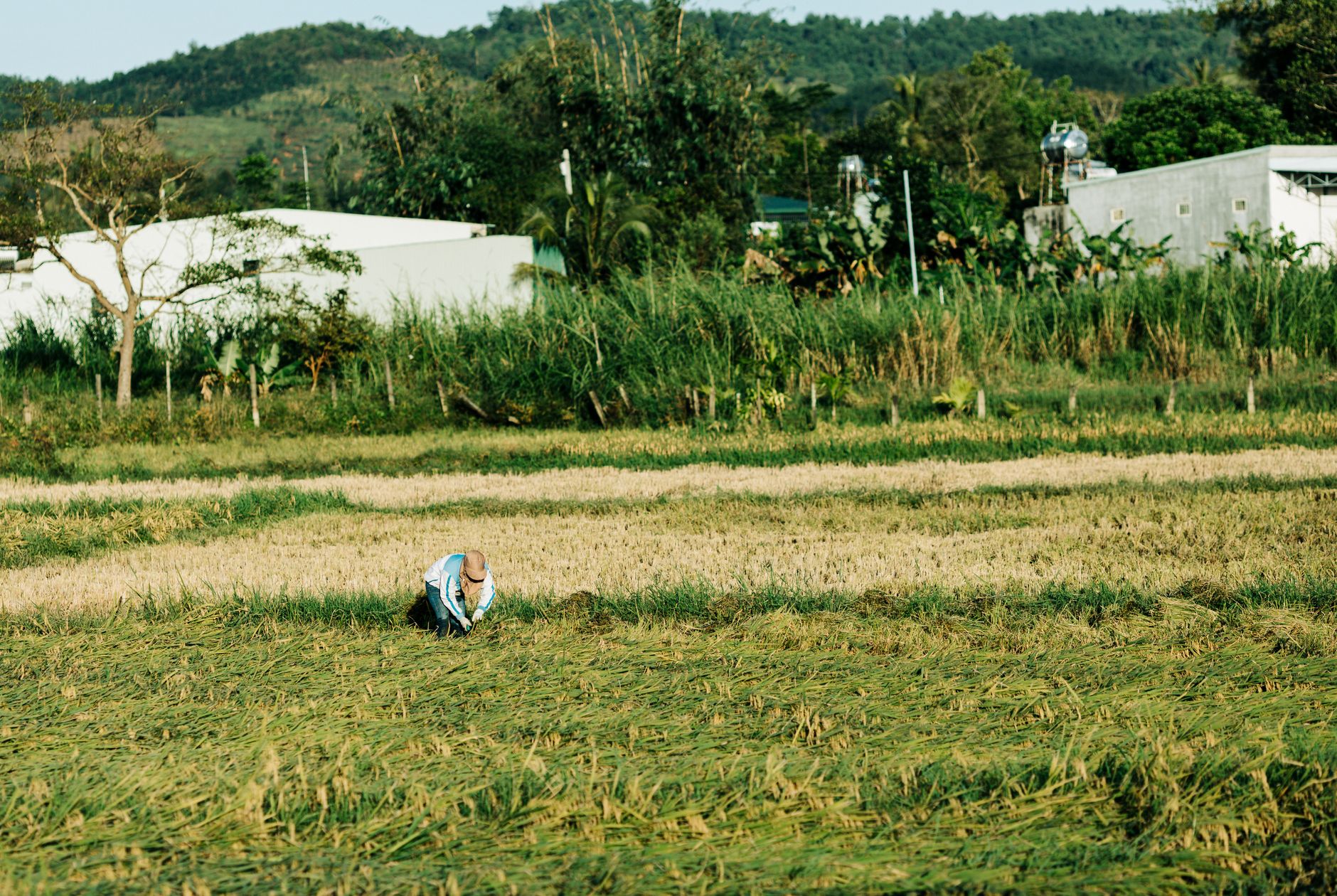
Vietnam's rainy season (May–September in the north, May–October in the south) turns fields into mud within minutes. Some guests book thinking "I'll learn farming in sunshine"—then arrive to drizzle. Our honest hosts tell you: mud is part of it. We adapt the same day. If the field is too waterlogged, we shift to animal care, composting lessons in covered areas, or helping in the kitchen garden. We always have rain gear on-site; bring extra socks and waterproof shoes you don't mind losing traction on wet earth. One detail guests don't expect: mud on your phone and camera. Keep them in a dry bag. What to check before you book: ask us the typical weather for your dates and whether the farm has indoor backup tasks. That honesty changes your experience from "ruined" to "authentic."
What's the real cost comparison: half-day versus full-day farm sessions?
| Session type | Duration | Includes | Best for | Reality check |
|---|---|---|---|---|
| Half-day morning | 4 hours (6:30–10:30 a.m.) | Work, light breakfast, tea, farm tour | Solo travelers, short stays, skeptics | Energy high, hands on. No lunch fatigue. |
| Half-day afternoon | 4 hours (1–5 p.m.) | Work, late lunch, kitchen tour | Groups, families with young kids | Heat is intense. Less dramatic than dawn work. |
| Full-day | 8 hours (6:30 a.m.–2:30 p.m.) | Morning + afternoon work, two meals, market/compost deep-dive | Couples, committed learners, multi-day itineraries | Sore muscles next day. Most memorable. Most mud. |
Ask us for dates and a quote on WhatsApp. Pricing depends on farm location (Da Lat countryside is different from Hanoi peri-urban operations), group size (1–2 guests pay higher per-person rates; 6+ brings it down), and seasonal demand. Transport from the nearest city is usually included but confirm. What catches guests off-guard: the farm may not accept cards—bring cash in small notes.
How do beginners prepare if they worry about fitness or language?
We don't expect you to be strong or know Vietnamese. Language: we translate as we work, often teaching you the name of tools and plants in Vietnamese so you remember it. The farm family usually speaks no English; part of the experience is learning through gesture and repetition—it's how farming knowledge actually passes down. Fitness: farming is repetitive, not intense. A 65-year-old moving slowly at their own pace learns as much as a 25-year-old rushing. Knee or back pain? Tell us before you book. We'll choose a farm task list that doesn't stress your joints—you might focus on lighter work like watering or egg collection instead of digging. Wear clothes that let you move; old jeans or loose trousers work. Closed shoes with grip (not sandals). Bring a hat and sunscreen even if it looks cloudy. One thing beginners don't think about: your hands. Blisters happen if you're not used to tool grip. We show you how to hold tools correctly, but bring a blister plaster just in case.
What do guests say surprises them most after the experience?
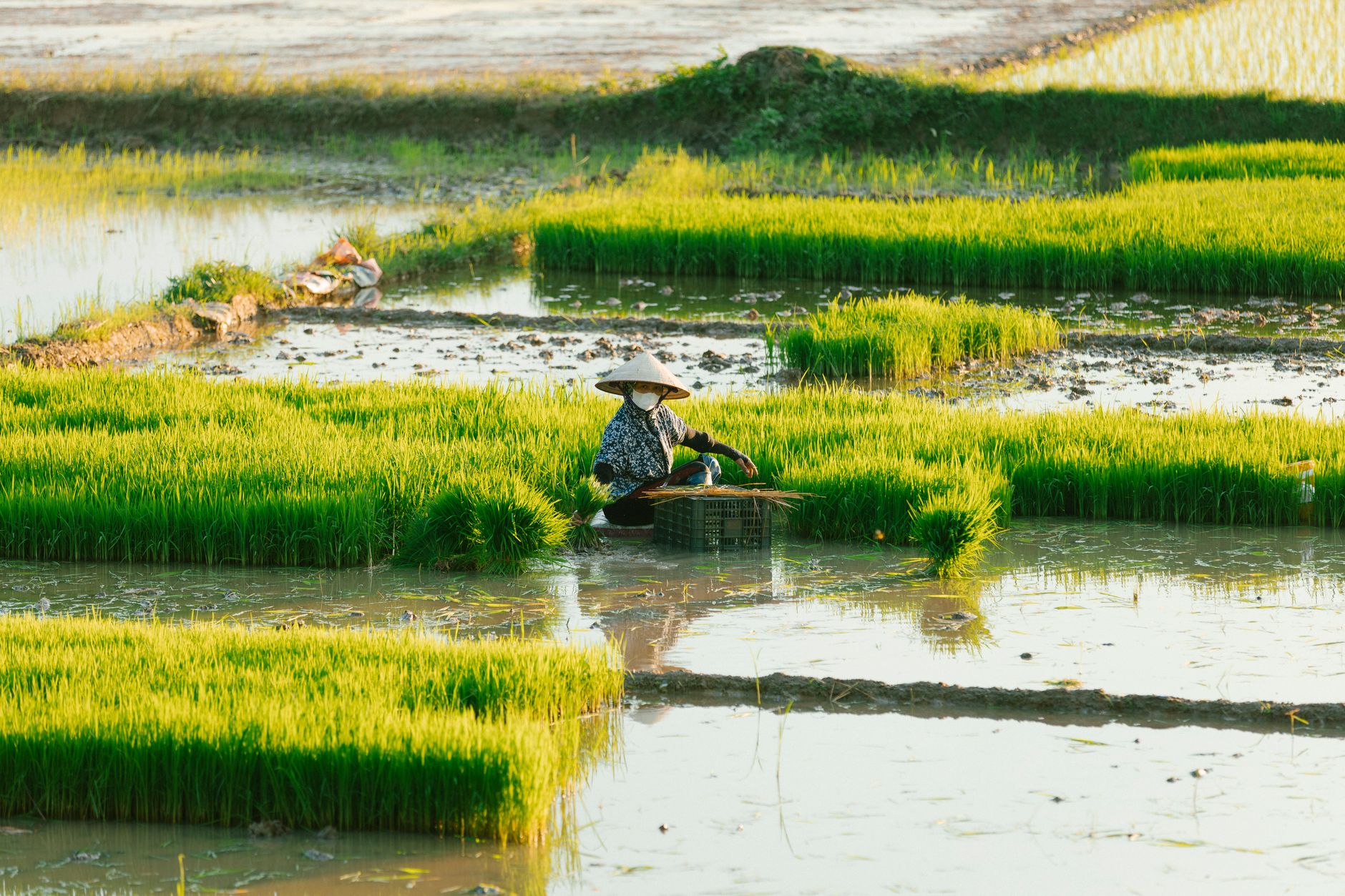
Returning guests tell us three things they didn't expect. First: how different the food tastes when you've grown or helped cook it. A simple stir-fry of vegetables you picked an hour ago tastes like restaurant food, but better—you taste the soil, the freshness. Second: how tired you feel in a good way. It's not gym tired; it's the kind of tiredness that comes with having done something real with your hands. You sleep deeply that night. Third: how much you notice the farm family's knowledge—not written down anywhere, just practiced for years. One farmer we work with can tell soil health by touching it wet; another knows which plants will survive the next cold spell by looking at leaf color. Guests often message us weeks later saying they can't stop thinking about it. That's not marketing; that's genuine impact. The farm and countryside experiences at Cáo Experiences aren't spa days. They're memory days.
How do we adapt for families and kids?
Children under 10 usually find the animals more interesting than the plants, so we prioritize animal-care tasks: feeding, gentle touching, watching. Kids tire quickly in heat, so morning sessions are better. We shorten the total time (2–3 hours instead of 4) and build in breaks for juice and snacks. Families tell us their kids ask about the farm for months afterward—not because it was "fun" in a theme-park way, but because they actually did something. Parents get real work in while kids do lighter versions nearby; the farm family is used to this. If a child is anxious around animals or new people, warn us before you come. We'll ease them in. Experiences for families and kids need different pacing, and we plan for it.
What to check before you book
Before committing, confirm these with us on WhatsApp:
- Dates and season. Is it rainy season? Ask about backup indoor tasks.
- Your fitness or injuries. Tell us any joint, heart, or mobility concerns.
- Dietary needs. Farm meals are simple, often meat-based. Vegetarian, allergy, or religious diet? We coordinate with the farm family in advance.
- Transport. From which city or hotel do we pick you up? How long is the drive?
- Group size. Solo, couple, group of friends? Some farms prefer groups of 4+.
- What to bring. Old shoes, hat, sunscreen, blister plaster, cash (small notes), empty water bottle for refilling on-site.
If you want to combine the farm with another skill, Vietnamese cooking classes or tea experiences pair beautifully—you learn how to cook or brew what the farm grows.
Regional differences: Hanoi, Ho Chi Minh City, Da Lat, and Hoi An
Farm experiences differ by region. Experiences in Hanoi center on rice paddies, root vegetables, and water spinach in the Red River Delta—early morning mist, muddy fields, ancient family methods. Experiences in Ho Chi Minh City focus on tropical fruit, coconut, and intensive small-plot gardening—heat is relentless, work is heavy. Experiences in Da Lat involve highland vegetables (tomato, lettuce, strawberry), cooler mornings, and terraced hillside farms. Experiences in Hoi An are quieter, often mixed with riverside water-hyacinth or traditional herb gardens. Ask us which region suits your dates and interests.
See how a session runs

FAQ
How early do we actually have to wake up?
6–6:30 a.m. to catch the cool hours before 9 a.m. heat. If you're a late sleeper, consider the afternoon half-day session instead, though heat is stronger and the pace slower. We pick you up from your hotel.
What if I have a food allergy or dietary requirement?
Tell us before you book. We brief the farm family in advance. Most farms cook simple rice, vegetables, and fish; we can arrange vegetarian, nut-free, or gluten-aware meals, but options are basic, not restaurant-style.
Do I need to be fit or have farming experience?
No. We match tasks to your pace. Beginners and retirees do the same farm work, just modified—lighter tools, shorter durations, break pauses. Language? We translate constantly.
What if it rains heavily on the day I'm booked?
We either postpone (with you, on WhatsApp) or pivot to indoor tasks: kitchen work, composting, animal shelter tidying, farm history lessons. Full rain safety: no field work in thunder or lightning.
Can I bring my camera or phone?
Yes. Keep it in a dry bag if there's rain or mud splashes. The farm is photogenic but muddy—your phone will get dirty. Farm families are usually comfortable with photos; ask permission when photographing people or animals.
How many other guests will be there?
Sessions are small: 1–8 people. Couples and solo travelers often get paired with another couple or small group. Ask us about private sessions if you prefer a farm family all to yourselves.
Will I understand what's happening if I don't speak Vietnamese?
Yes. We guide you through every step in English and teach you key words (plant names, tool names) in Vietnamese so you learn alongside locals. Gesture, repetition, and doing are how farmers actually teach—language is secondary.
Ask about dates
Tell us the city, your dates and what you would like to try. We reply on WhatsApp in English with options and availability.
FAQ
How early do we actually have to wake up?
6–6:30 a.m. to catch the cool hours before 9 a.m. heat. If you're a late sleeper, consider the afternoon half-day session instead, though heat is stronger and the pace slower. We pick you up from your hotel.
What if I have a food allergy or dietary requirement?
Tell us before you book. We brief the farm family in advance. Most farms cook simple rice, vegetables, and fish; we can arrange vegetarian, nut-free, or gluten-aware meals, but options are basic, not restaurant-style.
Do I need to be fit or have farming experience?
No. We match tasks to your pace. Beginners and retirees do the same farm work, just modified—lighter tools, shorter durations, break pauses. Language? We translate constantly.
What if it rains heavily on the day I'm booked?
We either postpone (with you, on WhatsApp) or pivot to indoor tasks: kitchen work, composting, animal shelter tidying, farm history lessons. Full rain safety: no field work in thunder or lightning.
Can I bring my camera or phone?
Yes. Keep it in a dry bag if there's rain or mud splashes. The farm is photogenic but muddy—your phone will get dirty. Farm families are usually comfortable with photos; ask permission when photographing people or animals.
How many other guests will be there?
Sessions are small: 1–8 people. Couples and solo travelers often get paired with another couple or small group. Ask us about private sessions if you prefer a farm family all to yourselves.
Will I understand what's happening if I don't speak Vietnamese?
Yes. We guide you through every step in English and teach you key words (plant names, tool names) in Vietnamese so you learn alongside locals. Gesture, repetition, and doing are how farmers actually teach—language is secondary.
More like this
Farm and countryside days
Fishing Experience Vietnam for Japanese Travelers: Where to Go & What to Expect
Vietnam's waterways offer Japanese travelers a chance to learn traditional fishing methods directly from locals. Cáo Experiences runs half- and full-day sessions on rivers, lakes and the Mekong Delta where you cast nets, set traps, and cook your catch.
Farm and countryside days
Fishing Experience Vietnam for Foreigners: Hands-On Guide
Fishing in Vietnam isn't a spectator sport—you'll wade into rivers, cast nets, trap fish in baskets, and cook your catch for lunch. We run small-group and private fishing days in the countryside outside Hanoi, Ha Noi region, and the Mekong Delta.
Farm and countryside days
Fishing Experience in Vietnam: 8 Questions to Ask Before You Go
Fishing in Vietnam means wading through rice paddies, learning trap techniques, or casting in rivers with local guides. Here's what to ask before you book.