
Home › Blog › Farm and countryside days
Farm Experience in Vietnam: What to Choose and How to Book
By the Cáo Experiences team · 2026-11-06
A farm experience in Vietnam is a hands-on day (usually 4–6 hours) spent in a working family farm or market garden outside a main city, harvesting seasonal vegetables, learning traditional techniques from local farmers, and preparing a meal with your own produce. Cáo Experiences hosts small groups (typically 4–8 people) or private sessions in English, matched to skill levels and physical ability—no farming background needed, and beginners are the norm. The day runs from early morning (when farmers work) through lunch; you bring comfortable clothes, closed shoes, a hat, and willingness to get soil on your hands. Cost varies by location, group size, and what's in season; ask us for dates and a quote on WhatsApp. What to avoid: expecting a polished garden-tour feel; farms are working places, muddy and real. Families with kids aged 5+, seniors who can stand and bend, and anyone curious about where food comes from are all welcome—we adapt for fitness, diet, and weather. Ask about dates on WhatsApp
Where in Vietnam can you experience working farm life?
Farm experiences operate in four main regions, each with different crops, landscapes, and farming rhythms. Around Hanoi, family farms in the Red River Delta grow leafy greens, herbs, and melons on small plots; mornings start early because of the city's proximity and heat. Saigon-area farms near the Mekong fringe grow tropical fruit, coconut, and rice in the wet season; humidity is intense but the biodiversity is richer. Hoi An sits among vegetable gardens and tobacco farms in the river plains—quieter, with stronger family-farming traditions. Da Lat's cool-climate farms (pine forests, red soil) specialize in strawberries, avocados, tomatoes, and flowers—a completely different feel from the lowland farms. Each region offers a distinct version of the same core experience: early starts, hands-on work, and eating the results. Choose based on where you're already traveling and what season appeals to you—wet-season rice paddies look different from dry-season vegetable beds.
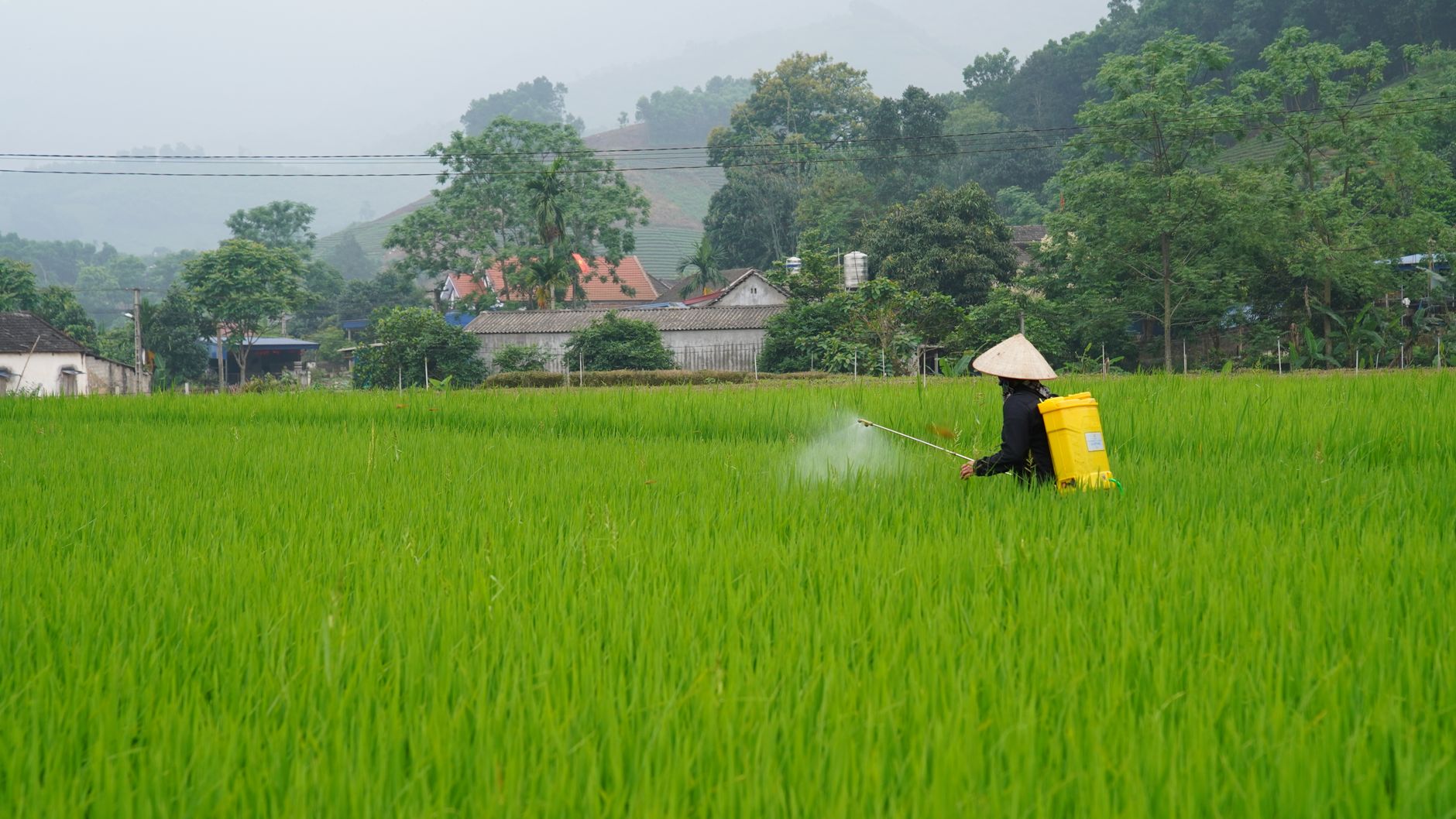
What exactly do you do for a full day on a farm?
A typical full-day farm session runs like this: we meet you at a central point (or arrange pickup from your accommodation) before dawn or early morning, then drive 30–45 minutes into countryside. You arrive at a family kitchen garden or small farm as the farmers begin their day. First hour: introduction to the crops in season, the soil, the tools. Then 2–3 hours of actual work—picking vegetables, weeding, watering, maybe learning to transplant seedlings or bundle herbs. Mid-morning: a drink and rest under a shade tree or in the farmhouse. Lunch (usually 12–1 p.m.): you wash hands, move to the family kitchen, and cook a meal using what you've harvested, with the farmer's family as guides and teachers. Afternoon: eat together, sit with the family, ask questions, photograph the landscape. By 3–4 p.m., you're heading back to town. The pace is slow, the conversation is real, and there's no script—every day is shaped by the season, the crops, and who the family is. Rain doesn't cancel a farm day; we reschedule or adapt the work (harvesting in light rain is fine; heavy downpour means moving indoors and learning food preservation or cooking instead).
How do farm experiences compare to cooking classes and market tours?
| Experience Type | Main Activity | Time | Best For | Depth of Food Story |
|---|---|---|---|---|
| Farm day | Grow, harvest, cook in family kitchen | 4–6 hours | Couples, families, foodies wanting soil-to-table | Deepest—you know the farmer |
| Cooking class | Technique, multiple dishes, restaurant or home kitchen | 3–4 hours | Groups, skill-builders, recipe collectors | High—focus on technique and ingredients |
| Street food & market tour | Explore market, taste street vendors, learn vendor stories | 2–3 hours | Solo travelers, quick learners, snackers | Medium—breadth over depth |
A farm day is slower and muddier than the other two. If you want to learn why a vegetable tastes a certain way or how the farmer chooses what to plant, a farm experience is unmatched. If you want to master 4 dishes fast or sample a dozen street foods in one morning, cook or tour instead. Most visitors who do both a farm day and a cooking class say the farm day changed how they see food, while the cooking class taught them techniques they'll actually use at home.
Who is a farm experience really suited for?
Farm work attracts certain types of travelers—and doesn't suit others. Families with kids aged 5+ thrive: digging, picking, getting dirty, and cooking are natural for children, and farmers love showing kids how seeds grow. We adapt the physical tasks (a 6-year-old picks strawberries, not heavy squash). Couples seeking a slow activity find it romantic and conversation-deepening—you're working side by side, eating outside, meeting locals. Solo travelers and foodies often book farms as the centerpiece of their trip, sometimes doing one farm in multiple regions. Seniors in decent health (able to stand and bend for 2–3 hours with breaks) are welcome and often move slowly and ask deeper questions—farmers appreciate that. People with food allergies or dietary restrictions work well here because you're cooking your own meal and can control every ingredient; tell us in advance and we brief the family. Large groups (8+) are possible but require extra coordination and sometimes split into two sessions. Avoid if you have severe mobility issues, heat intolerance, or expect a spa-like cleanliness—farms are real places, and physical effort is part of the point.
Ask for family-friendly farm dates
What physical preparation or gear do you actually need?
Preparation is minimal because we handle logistics; gear is simple and practical. Wear: closed-toe shoes with grip (not sandals or heels—soil is slippery when wet), long lightweight pants or capris (sun protection, insect barrier), a long-sleeve shirt or light jacket (same reasons), a wide-brimmed hat, and a scarf if sun sensitivity is high. Bring: a small backpack with water (1.5 liters), sunscreen, a light snack, a small towel or cloth, phone and camera, any personal medications, and insect repellent (optional but smart in wet season). Physical need: you should be able to stand and crouch repeatedly for 2–3 hours and carry a light basket of vegetables. If you have joint pain, tell us—we reduce the bending tasks or arrange a stool. Weather adaptation: rain is fine for light farm work; we provide ponchos or move indoors to cooking, preservation, or storytelling. Extreme heat (above 38°C) we reschedule or do an early-morning-only half-day. Before you arrive, tell us: any allergies, mobility limits, dietary wishes, or fear of insects—honest answers help us prepare you and the family correctly.

How do you choose which region's farm experience to book?
Decision-making comes down to your location and what's growing. If you're in Hanoi and have 1 day: pick a Red River Delta farm 45 minutes out—quick travel, diverse crops, strong family-farming culture. If you're in Saigon or the Mekong region: book a tropical farm; you'll see coconut, mango, papaya, rice in season—slower pace, very green. If you're in Hoi An or Da Nang: local farms in the river plains are walkable by bike in some cases, and quieter than big-city farms; tobacco and vegetable gardens dominate. If you're in Da Lat: highland farms are the only choice in Vietnam—strawberry picking, cool mornings, pine forests—completely different ecosystem. Season matters: wet season (May–September) means rice paddies and lush greens; dry season (October–April) means vegetable gardens and harvest. Book a half-day farm experience if you have only 3 hours free, then pair it with a Vietnamese coffee workshop or flower arranging the same afternoon—many travelers do this to deepen their time in one region.
What should you ask before booking a farm experience?
Before you contact us, decide three things: location (which city you're in or traveling to), timing (how many hours, what day of the week), and group size (solo, couple, family, or larger group). Then WhatsApp us with those details and any allergies or mobility notes—we'll confirm availability, the specific farm, and the cost quote. What we'll tell you in return: the exact pickup time and location, the farm family's names and what they grow, any physical demands specific to that day, what food will be involved, the weather forecast, and what to bring. Red flags to avoid: farms claiming to be "luxury," "Instagram-perfect," or "carefully made"—real farms are humble, sometimes chaotic, and focus on the work, not the photo. If a farm experience website shows heavily edited pictures or promises a certain cuisine (farm food is seasonal and simple), it's not us. Ask us what the meal will actually be—it's always based on what you harvest and what the kitchen has, not a set menu. If the experience costs significantly less than our quoted range, it may not include a meal or may be a garden tour, not a working farm.
See farm experiences by region
How does a farm experience fit into a longer Vietnam trip?
Many travelers weave farm days into multi-region itineraries. A typical structure: Hanoi (2–3 days): spend one half-day on a Red River farm, then use the rest of the time for city walking and street food tours. Hoi An (2–3 days): a full-day farm experience (leaves room for the Ancient Town), or a half-day farm + afternoon cooking class if you want to cook more formally. Da Lat (1–2 days): the highland farm is slower and smaller—one full day is enough. Saigon (2–3 days): a Mekong-area farm is a day trip, or combine with tea experiences or craft workshops on the return. Wellness-focused travelers often pair a farm day with slow experiences—a farm, a cooking class, a tea session, and a cooking class gives you a week of food-focused, grounded activities that feed both body and mind. Ask us to suggest a sequence based on your route and interests; we'll help coordinate dates across regions.
What to check before you buy (or book)
- Location: confirm the farm is in the region you're actually traveling to—Hanoi farms are not accessible from Saigon in one day.
- Duration: ask for the exact time (start time and return time), not just "half-day" or "full-day"—travel time eats 1–2 hours.
- Season: check what's in season and ask if it matches what you want to harvest (strawberries in Da Lat aren't available year-round).
- Group size: confirm the maximum group size and whether you're joining a mixed group or booking private—prices differ.
- Meals: ask what's included—most farms include a lunch you cook; some include breakfast or snacks.
- Allergies and mobility: email or WhatsApp any dietary restrictions or physical limits before booking, not the day before.
- Weather: ask what happens if it rains or is extremely hot—we reschedule or adapt, but confirm the policy.

FAQ
Do I need farming experience or any special skills to join a farm day?
No. Beginners are the standard. Farmers teach you as you work. Kids pick, adults dig, no one has done this before. It's learning by doing, not a class.
What if I'm vegetarian or have a food allergy—will the farm cook around it?
Yes. Tell us when you book, we brief the family. You'll cook your own meal using what you harvest, so you control every ingredient. Allergies are common; we manage them.
Is a farm experience only in English, or do you offer other languages?
We host in English. The farmer typically speaks Vietnamese; we translate key instructions and conversations. Language is never a barrier—farming is visual and hands-on.
How much does a farm experience actually cost, and what's included?
Ask us for dates and a quote on WhatsApp—cost depends on location, group size, season, and whether it's half-day or full-day. Typically includes transportation, the farmer's time, a meal you cook, and a drink. Ask for a full breakdown.
Can I do a farm experience if I'm not very fit or I have joint pain?
Yes. Tell us your limits upfront. We reduce bending tasks, arrange a stool, shorten the work portion, or focus on cooking and storytelling instead. Farms are adaptable—no one gets hurt here.
What's the difference between a farm day and the market tours or cooking classes you also run?
Farm = you grow and harvest, meet the farmer, eat outdoors. Market tour = you taste street food and meet vendors. Cooking class = you learn technique in a kitchen. Farms are slowest and deepest. Often travelers do all three in one trip.
If it rains heavily, do farm experiences get cancelled?
Light rain is fine—we work or move indoors. Heavy downpour we reschedule or pivot to indoor activities like cooking, preservation, or sitting with the family and hearing their stories. Ask us the rain policy when you book. --- Ask about dates on WhatsApp | Browse farm experiences
Ask about dates
Tell us the city, your dates and what you would like to try. We reply on WhatsApp in English with options and availability.
FAQ
Do I need farming experience or any special skills to join a farm day?
No. Beginners are the standard. Farmers teach you as you work. Kids pick, adults dig, no one has done this before. It's learning by doing, not a class.
What if I'm vegetarian or have a food allergy—will the farm cook around it?
Yes. Tell us when you book, we brief the family. You'll cook your own meal using what you harvest, so you control every ingredient. Allergies are common; we manage them.
Is a farm experience only in English, or do you offer other languages?
We host in English. The farmer typically speaks Vietnamese; we translate key instructions and conversations. Language is never a barrier—farming is visual and hands-on.
How much does a farm experience actually cost, and what's included?
Ask us for dates and a quote on WhatsApp—cost depends on location, group size, season, and whether it's half-day or full-day. Typically includes transportation, the farmer's time, a meal you cook, and a drink. Ask for a full breakdown.
Can I do a farm experience if I'm not very fit or I have joint pain?
Yes. Tell us your limits upfront. We reduce bending tasks, arrange a stool, shorten the work portion, or focus on cooking and storytelling instead. Farms are adaptable—no one gets hurt here.
What's the difference between a farm day and the market tours or cooking classes you also run?
Farm = you grow and harvest, meet the farmer, eat outdoors. Market tour = you taste street food and meet vendors. Cooking class = you learn technique in a kitchen. Farms are slowest and deepest. Often travelers do all three in one trip.
If it rains heavily, do farm experiences get cancelled?
Light rain is fine—we work or move indoors. Heavy downpour we reschedule or pivot to indoor activities like cooking, preservation, or sitting with the family and hearing their stories. Ask us the rain policy when you book. --- [💬 Ask about dates on WhatsApp](https://wa.me/84338762340) | 🌾 Browse farm experiences
More like this
Farm and countryside days
Fishing Experience Vietnam for Japanese Travelers: Where to Go & What to Expect
Vietnam's waterways offer Japanese travelers a chance to learn traditional fishing methods directly from locals. Cáo Experiences runs half- and full-day sessions on rivers, lakes and the Mekong Delta where you cast nets, set traps, and cook your catch.
Farm and countryside days
Fishing Experience Vietnam for Foreigners: Hands-On Guide
Fishing in Vietnam isn't a spectator sport—you'll wade into rivers, cast nets, trap fish in baskets, and cook your catch for lunch. We run small-group and private fishing days in the countryside outside Hanoi, Ha Noi region, and the Mekong Delta.
Farm and countryside days
Fishing Experience in Vietnam: 8 Questions to Ask Before You Go
Fishing in Vietnam means wading through rice paddies, learning trap techniques, or casting in rivers with local guides. Here's what to ask before you book.