
Home › Blog › Farm and countryside days
Farm Experience Vietnam for Japanese Travelers: What to Expect
By the Cáo Experiences team · 2026-11-06
A farm experience in Vietnam with Cáo Experiences is a half- or full-day immersion in rural life: you arrive at a family farm or smallholding outside a main city (Hanoi, Saigon, Da Lat, or Da Nang region), work alongside the owner doing seasonal tasks—planting, harvesting, tending animals, making rice paper or tofu—eat what you help prepare, and leave with calloused hands and real stories. Most sessions run 4–7 hours depending on the season and your fitness. Japanese guests often worry about language, pace, and whether they'll actually understand the work; we adapt every detail: our hosts speak English, we break tasks into clear steps, and we adjust difficulty for age and stamina. The experience is genuinely rural—no manicured "agritourism" set piece—so you see real farming, get tired, learn from mistakes, and eat simply.
What actually happens during a farm day?
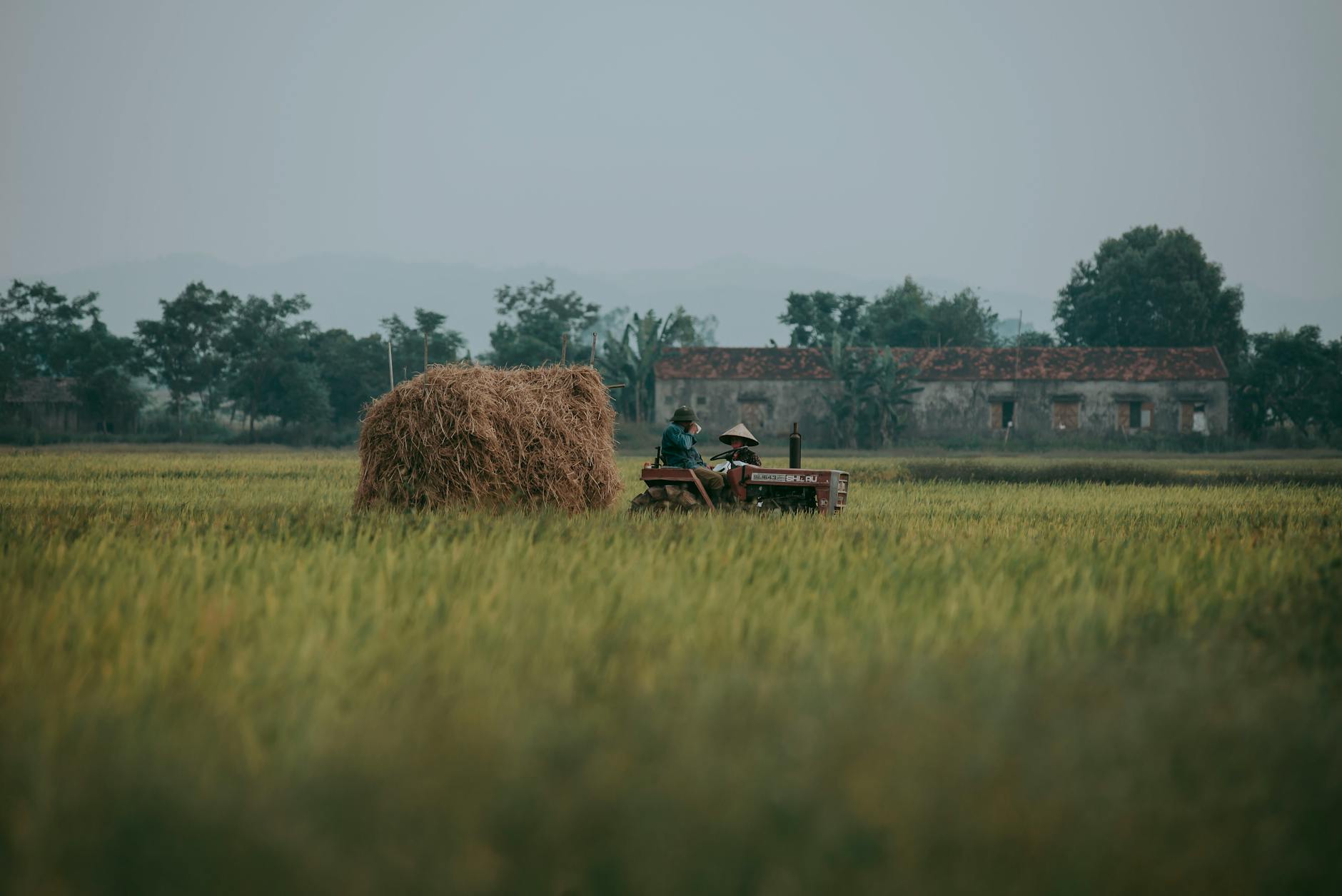
You arrive early—often 7:30 or 8:00 a.m.—by motorbike or van with your host. The light is soft; the farm is already working. Your host introduces you to the family, shows you the tools, and explains the day's task in simple English: maybe harvesting herbs and vegetables, mixing feed for pigs, or helping lay out rice to dry. You work for 90 minutes, take a water break, work again. Around midday you help wash vegetables, chop herbs, or light cooking—never alone, always alongside someone who knows the rhythm. Lunch is what the farm ate that morning: rice, vegetables you just picked, maybe fish or eggs. You eat sitting on a bench or low stool, sometimes with the family's children. Afterward, lighter tasks or a walk through back plots. You leave around 1:00 or 2:00 p.m., tired but not destroyed. The honesty: your hands blister, the insects are real, the pace is slow, and you learn why Vietnamese farmers wake before dawn.

Why do Japanese guests choose farm experiences over tourist day tours?
Japanese travelers often tell us they want to see how people actually live, not what's packaged for cameras. A farm day removes the performance: there's no script, no staged photo moment, no shop at the end. You arrive at a real place where real work happens with or without you—you're not the focus. Many Japanese guests also value discipline, repetition, and learning a craft properly; farm work offers all three. You do the same motion fifty times until your body understands it. You see the farmer's expertise—born from decades, not tourism training. You eat food made by the person who grew it, an hour before. This directness, where cause and effect are visible, appeals strongly to guests accustomed to precision and transparency in their own culture. By the end, you've earned your lunch and understand, in your muscles, why farmers rest after eating.
Which regions and seasons work best for Japanese travelers?
| Region | Best season | Main tasks | Fitness level | Travel time from city |
|---|---|---|---|---|
| Hanoi countryside | Oct–Nov, Mar–Apr | Rice harvest, herb picking, tofu making | Moderate | 45–90 min |
| Da Lat highlands | Sep–Apr | Vegetable harvesting, flower care, chicken tending | Moderate–high | 30–60 min |
| Saigon delta | Jan–Mar | Rice threshing, coconut work, aquaculture | Moderate | 60–120 min |
| Da Nang surrounds | Oct–May | Vegetable plots, water buffalo work, corn | Moderate | 30–75 min |
Da Lat suits travelers who enjoy cooler weather and intricate vegetable work—the farms are on hillsides, the light is misty, and tasks involve precision. The Hanoi countryside offers rice and tofu, cultural depth, and proximity to the city. Saigon's Mekong region is wettest, most physically demanding, and least touristed. Da Nang balances accessibility, moderate pace, and variety. Japanese guests often choose autumn or spring because the heat is gentler and the work is lightest; summer is possible but hot. We check your age, fitness, and interests before matching you to a farm.
Explore farm and countryside experiences
How do we adapt the experience for different fitness levels and ages?
Farmers don't stop working because a guest is 70 or 8; we stop a guest from overexerting. Here's what we actually do: before booking, we ask your age, any joint or breathing issues, and what physical activity you do at home. On the morning of the session, we watch your movement for the first 15 minutes—how you bend, breathe, climb—and adjust the day. If you're 60+ and your knees are tight, we give you seated tasks: sorting vegetables, bundling herbs, mixing feed in a bucket. If you're 8, we keep you alongside a family child, doing the same work at a smaller scale. If someone has an injury, we shift to observational work and detailed conversation instead. Japanese guests sometimes feel they should push hard to prove themselves; our hosts gently insist: "We do this every day. You enjoy. No race." The work is the same; the pace and intensity flex. Families often split: one person does heavy planting while another helps with animal care or cooking. Kids remember the work more than the comfort—they talk about the mud, the smell of pig feed, the taste of fresh corn, for months.
What do you need to know about language, food, and surprise moments?
Our hosts speak English at a practical level: they explain tasks, answer questions about farming, chat about family. They won't discuss politics or philosophy in English, but they'll tell you why they chose to plant cabbage this season or how they lost money in a flood. You'll hear Vietnamese spoken around you—family, neighbors, a radio—which is real and sometimes creates quiet moments; we don't fill silence with translation. Food: every meal is rice-based, vegetable-heavy, and made in a simple kitchen. No spice warnings or menus—you eat what's cooked. If you're vegetarian, tell us weeks ahead; we'll warn the farmer so they don't feel insulted. If you're allergic to peanuts or shellfish, we brief the host carefully. Surprises: the toilet is often a squat or basic sit-down in a separate structure—not a Western bathroom. The shower is cold water from a tank, or you wash at a pump. There's no wifi. If it rains, we adapt—lighter work, more kitchen time, a longer meal. Japanese guests often arrive with anxiety about these details; by hour two, they stop noticing.
Pair your farm day with a coffee workshop
When should you book, and what's the honest best-case and worst-case?
Book 2–3 weeks ahead during peak season (October–April); off-season (May–September) you can often arrange dates with less notice. The best case: you arrive on a crisp morning, the family is warm and patient, the work is tangible (harvesting, not just observing), lunch tastes like a gift, and you leave understanding one small piece of rural Vietnam deeply. The worst case: the weather turns (rain that cancels the session), your body aches more than expected (soreness lasts 2–3 days—this is normal), or the language barrier means you misunderstand a task and feel clumsy. We prepare you for both: we choose farms where the host speaks English well enough to adapt, we tell you to wear old clothes and bring blister plasters, and we confirm the session 48 hours before to check weather. Japanese travelers sometimes expect farming to feel "spiritual" or "restorative"; it's often just tiring and real. That realness is the point.
What to check before you book
- Fitness: Can you walk on uneven ground for an hour without joint pain? Be honest.
- Season: October–April is coolest and best for most guests; ask us which month suits your schedule.
- Dietary needs: Vegetarian, allergies, and religious food rules must be declared 3 weeks ahead.
- Language comfort: You'll hear Vietnamese; our host speaks English, but silences happen. Bring a phrasebook or a translation app if it helps your confidence.
- Footwear: Closed shoes that can get muddy and wet. Sandals and white trainers won't work.
- Weather backup: If it rains heavily 24 hours before, we'll reschedule or offer an alternative farm and countryside experience on a different date.
- Pace expectation: A farm day is not a trekking adventure. It's slow, repetitive, quiet, and deeply ordinary. If you want excitement, book something else.
Why combine your farm day with other experiences?
Many Japanese guests pair a farm morning with a Vietnamese cooking class in the afternoon—you work on a farm, harvest vegetables, then cook them in a kitchen in town the same day. Others add a street food and market tour to understand where farm products end up in the city economy. Some book a tea experience the next morning to rest and reflect. A few combine horse riding experience in Da Lat with farm work on the same trip. We can coordinate dates across experiences to build a coherent farm-to-table journey. Contact us on WhatsApp to design a multi-day itinerary.
See how a session runs

FAQ
Do I need farming experience to join?
No. We work with complete beginners every week. The host assumes you've never done this and teaches each step. You'll be slower than a farmer, and that's expected.
What if I get injured or very tired during the day?
Tell your host immediately. We stop, rest, and shift to easier tasks or observation. Farmers are practical—they've done this work for decades and know when to pause.
Can I take photos of the farm family?
Always ask first. Many families are happy to pose; some prefer you photograph the work, not their faces. Respect their answer. Don't post images online without checking with us first.
Is the food safe to eat if I'm not used to Vietnamese water?
The food is cooked with boiled water and is safe. Drink the tea and water offered—it's safe. If your stomach is sensitive to new cuisines, eat gently and bring your own rehydration salts.
What happens if the weather is very bad?
We reschedule to a date that works for you. If you can't reschedule, we'll offer a craft workshops session in town instead, so your trip isn't wasted.
Can kids go on a farm day?
Yes. Kids aged 6+ enjoy it most. Younger kids get tired and bored during repetitive tasks. We match kids with the farmer's children so they work together and play during breaks.
Do I need to speak Vietnamese?
No. Our host speaks English. Basic politeness—"thank you," "yes," "no"—helps, but isn't required. Smiling works everywhere.
How much will I spend on a farm experience?
Ask us for dates and a quote on WhatsApp. Costs vary by region, season, group size, and duration. We'll give you a clear price before you confirm.
Ask about dates
Tell us the city, your dates and what you would like to try. We reply on WhatsApp in English with options and availability.
FAQ
Do I need farming experience to join?
No. We work with complete beginners every week. The host assumes you've never done this and teaches each step. You'll be slower than a farmer, and that's expected.
What if I get injured or very tired during the day?
Tell your host immediately. We stop, rest, and shift to easier tasks or observation. Farmers are practical—they've done this work for decades and know when to pause.
Can I take photos of the farm family?
Always ask first. Many families are happy to pose; some prefer you photograph the work, not their faces. Respect their answer. Don't post images online without checking with us first.
Is the food safe to eat if I'm not used to Vietnamese water?
The food is cooked with boiled water and is safe. Drink the tea and water offered—it's safe. If your stomach is sensitive to new cuisines, eat gently and bring your own rehydration salts.
What happens if the weather is very bad?
We reschedule to a date that works for you. If you can't reschedule, we'll offer a [craft workshops](/craft-workshops) session in town instead, so your trip isn't wasted.
Can kids go on a farm day?
Yes. Kids aged 6+ enjoy it most. Younger kids get tired and bored during repetitive tasks. We match kids with the farmer's children so they work together and play during breaks.
Do I need to speak Vietnamese?
No. Our host speaks English. Basic politeness—"thank you," "yes," "no"—helps, but isn't required. Smiling works everywhere.
How much will I spend on a farm experience?
Ask us for dates and a quote on WhatsApp. Costs vary by region, season, group size, and duration. We'll give you a clear price before you confirm.
More like this
Farm and countryside days
Fishing Experience Vietnam for Japanese Travelers: Where to Go & What to Expect
Vietnam's waterways offer Japanese travelers a chance to learn traditional fishing methods directly from locals. Cáo Experiences runs half- and full-day sessions on rivers, lakes and the Mekong Delta where you cast nets, set traps, and cook your catch.
Farm and countryside days
Fishing Experience Vietnam for Foreigners: Hands-On Guide
Fishing in Vietnam isn't a spectator sport—you'll wade into rivers, cast nets, trap fish in baskets, and cook your catch for lunch. We run small-group and private fishing days in the countryside outside Hanoi, Ha Noi region, and the Mekong Delta.
Farm and countryside days
Fishing Experience in Vietnam: 8 Questions to Ask Before You Go
Fishing in Vietnam means wading through rice paddies, learning trap techniques, or casting in rivers with local guides. Here's what to ask before you book.