
Home › Blog › Farm and countryside days
Farm Experience Vietnam for Korean Travelers: What to Know
By the Cáo Experiences team · 2026-11-06
A farm experience in Vietnam typically means a full or half-day visit to a working rice, vegetable or fruit farm in the Mekong Delta, Red River Valley, or Central Highlands—or a multi-day countryside homestay. Cáo Experiences hosts Korean travelers on farm and countryside experiences where you learn to harvest seasonal crops, cook traditional meals using what you pick, and spend time with a farming family in English-guided small groups (2–8 people, sometimes private). Sessions run 4–8 hours for day visits, or 1–3 nights for homestays. You'll wear simple clothes (no heels), bring sun protection, and expect hands-on mud and water. Rain doesn't cancel—we adapt activities and reschedule if flooding occurs. Cost varies by location, group size, and season; ask us for dates and a quote on WhatsApp. Korean travelers often worry about language, food allergies, and whether their fitness level suits farm work—we've never turned anyone away, and we scale everything from age 5 to 85. Ask about dates on WhatsApp
Why do Korean travelers choose farm stays over resort days?
Korean travelers often seek cultural depth over luxury—farm stays flip the usual tourism arc. Instead of watching Vietnam from a tour bus, you spend a morning in muddy paddies learning why rice matters, then eat lunch you harvested yourself. The labor is real (bending, walking, getting wet), but rhythm-based—not strenuous cardio. Many Korean guests tell us they came for the "authentic experience" Instagram promise, but stay because the family's story becomes personal. Farm families speak limited English; we translate and bridge moments—a grandmother showing you her 40-year-old buffalo, a child laughing at your mud-covered face. Those memories outlast any souvenir.
What crops and seasons work best for Korean groups?
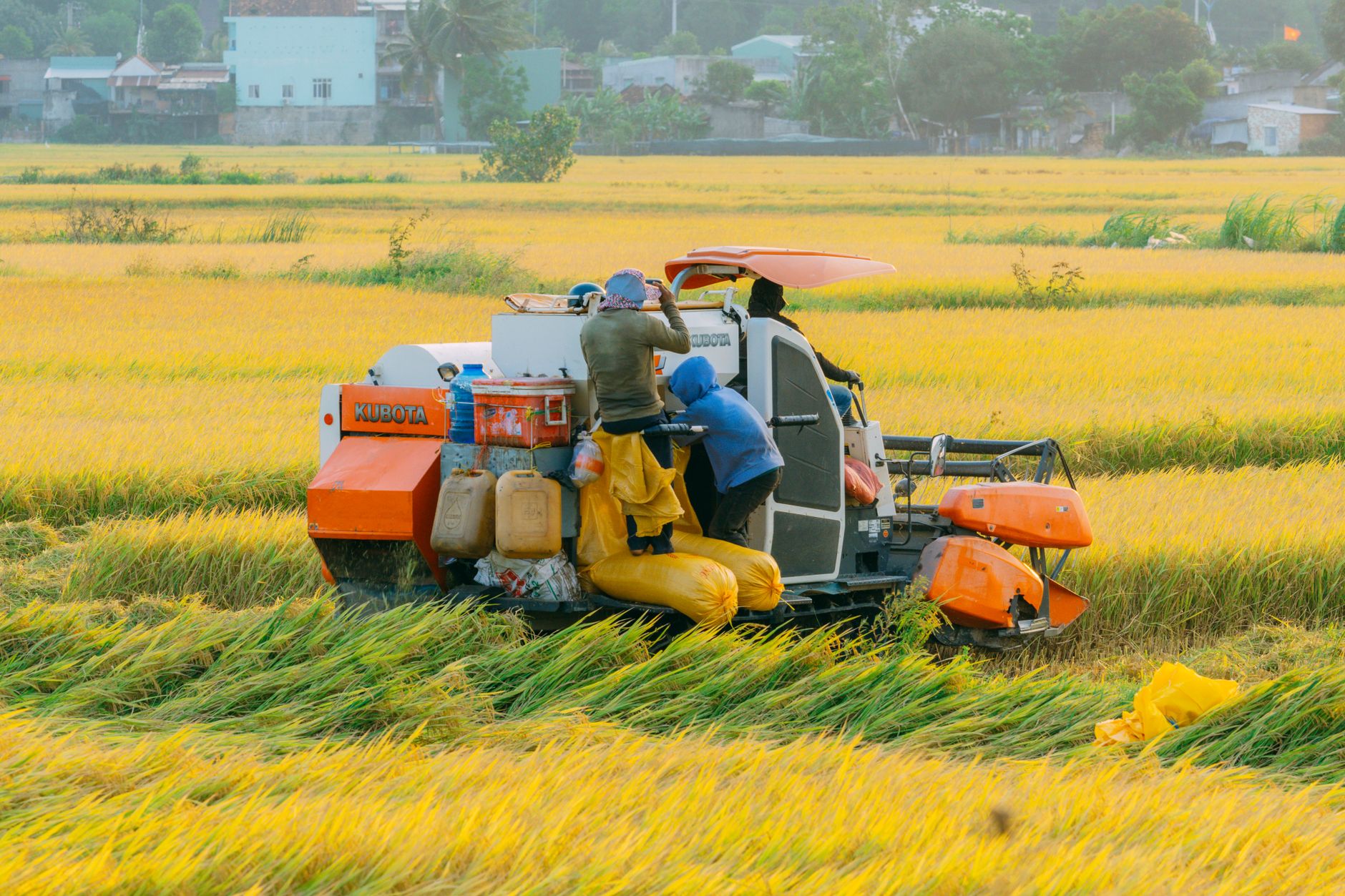
Vietnam's seasons and crops differ sharply by region. The Mekong Delta grows rice (May–October wet season planting, November–March harvest); fruit orchards year-round. The Red River Valley around Hanoi harvests rice autumn and spring, and grows vegetables winter–spring. The Central Highlands run coffee, tea, and fruit plantations with longer seasons. We match your arrival month to what's actually growing: arriving in January? Red River Valley vegetable farms and rice harvest are ideal. July? Mekong Delta waterfalls and flooded paddies (stunning, wet, muddy). December? Coffee and tea picking in Da Lat or pepper farms in the south. We don't invent harvests—if something isn't in season, we tell you and offer an alternative activity, like cooking, craft workshops, or a different region. Korean travelers often ask if they can "do everything"—we advise: pick one region, stay 2–3 days minimum, and accept the weather as part of the story.
How do language and cultural differences shape the experience?
Few farming families speak English; that's honest. Our hosts speak fluent English, translation is constant, and awkward silences happen—and they're often the best moments (shared laughter at your first foot in the mud, a child mimicking your Korean accent). Korean guests sometimes expect to "manage" the experience (schedule, pace, cleanliness)—farms don't work that way. You follow the family's rhythm: sunrise work, midday heat break, afternoon tasks, evening cooking. If you're frustrated by unpredictability, a farm stay isn't your session. If you're curious about how a family actually eats, sleeps, and spends money, you'll love it. We've hosted Korean couples, multigenerational groups, and solo travelers; what matters is openness, not fitness or language skill.
What's included, and what isn't—a checklist before booking
| What You Get | What You Don't | Why It Matters |
|---|---|---|
| Hands-on harvesting or planting | Perfect Instagram backdrops | Farms are working places, not stages |
| Meals cooked from farm ingredients | Vegetarian/vegan guarantee | We adapt diets; alert us in advance |
| Transport to/from central town | Alcohol or meat if allergic | We respect restrictions; tell us upfront |
| Family interaction & translation | Solo female safety guarantee | We assess each family & group mix carefully |
Ask us for dates and a quote on WhatsApp—we'll confirm what's seasonal, what you're allergic to, and which family best suits your group.

What should Korean travelers pack, and what will disappoint them?
Pack: lightweight cotton clothes (long sleeves/pants guard sun and insects), waterproof bag, sunscreen, hat, slip-on shoes (mud and water), any medications, and a positive attitude. Don't pack: rigid schedules, high heels, white clothes, or expectations of Wi-Fi and hot water. What disappoints: tourists expecting a "farm resort" with spa and gourmet meals—you're sleeping in a family home, eating simple home cooking. Expect: no shower might mean a bucket of well water, toilet might be squat, electricity might flicker, and breakfast at 6 a.m. because the family works. Korean travelers often worry about cleanliness—farm homes are clean by rural standards, not sterile. If you need modern plumbing and air-con, book a wellness and slow experiences retreat in a town instead. If you're ready to be genuinely present, a farm stay rewards you.
How do we adapt for kids, seniors, allergies, and rain?
Children (age 5+) love farm work if it's short and playful—we let kids chase ducks, plant seedlings, and get gloriously muddy. Seniors (70+) can do lighter tasks: sit with the family, shell beans, help cook, ride a buffalo cart at walking pace. We've never excluded anyone by age. Allergies: tell us immediately on WhatsApp (peanut, shellfish, gluten, tree nuts)—we coordinate with the family kitchen and bring alternatives if needed. Rain: it happens, and it doesn't cancel. We shift to covered activities (cooking, craft, oral history with the family), reschedule outdoor harvest for the next morning, or offer a different farm location. We once ran a session in monsoon rain; guests helped mend a roof tarp and ate hot soup by an oil lamp—they called it the best day of their trip.
To explore farm and countryside sessions tailored to your dates and diet, visit our farm experiences page or ask us on WhatsApp.
What to check before you book
- Arrival month: Tell us your dates; we confirm what's actually in season and offer alternatives if your month is off-peak.
- Mobility & fitness: Farms involve walking on uneven ground, bending, and standing in heat. Tell us any injuries or conditions; we'll be honest if a farm isn't suitable.
- Dietary needs & allergies: Message us a full list (dairy, shellfish, gluten, nuts, vegetarian, vegan). We coordinate with the family; no surprises.
- Solo female travelers: We match you with safe families and co-host if needed. Ask us directly about group composition.
- Bathroom expectations: Rural homes have squat toilets and bucket showers. If this is a dealbreaker, choose a wellness retreat in town instead.
- Language confidence: You don't need to speak Vietnamese. You do need patience for translation and comfort with silence.
Interested in rural immersion? Ask us for dates and a quote on WhatsApp. Or explore other experiences for families and kids if you're traveling with young children.
Pages from our team you may need

FAQ
Do Korean travelers need a visa for farm experiences in Vietnam?
Yes, most Korean nationals need a tourist visa (typically 30 or 90 days). We don't handle visas—apply via your nearest Vietnamese embassy or use an online visa service. Once you have your stamp, we'll coordinate your farm dates and pickup from your accommodation.
Can we do a farm experience in Hanoi or Ho Chi Minh City, or do we have to travel far?
Farms are outside city centers (30 min to 2 hours by minivan). Red River Valley farms near Hanoi are closest. Mekong Delta farms near Ho Chi Minh City are accessible. We pick you up from your hotel and return you the same day or after an overnight stay—no extra driving needed on your part.
What if our group includes teenagers who don't want to farm—can we mix activities?
Yes. We've combined farm mornings with cooking classes or craft workshops in a nearby town in the afternoon. Ask us about two-day itineraries that balance hands-on farm work with cultural classes—we'll quote a package.
Is the food safe, and will we get sick?
Farm family cooking is home-cooked and safe—they cook for themselves daily. If you have a sensitive stomach, tell us in advance; we'll brief the family on extra hygiene and offer mild, familiar dishes. Bring any personal digestive medications. We've hosted 100+ international guests with no major food-related issues; most travelers' stomachs adapt within 24 hours.
Can we bring our elderly parents (80+) who walk slowly and need frequent breaks?
Absolutely. We scale activities: lighter harvesting, sitting in the shade, cooking prep indoors, and water buffalo cart rides at walking pace. Tell us exact mobility limits (stairs, standing time, medications) when you inquire—we'll confirm the farm is suitable or suggest a wellness retreat in a town with more comfort and care facilities.
What happens if it rains heavily the day of our farm experience?
We don't cancel for rain—it's part of farming. We shift to covered cooking, indoor craft, or stories with the family. If flooding makes the farm impassable, we reschedule to the next day (if you're staying overnight) or offer a nearby alternative location. We'll confirm your rescheduled date on WhatsApp before you arrive.
Ask about dates
Tell us the city, your dates and what you would like to try. We reply on WhatsApp in English with options and availability.
FAQ
Do Korean travelers need a visa for farm experiences in Vietnam?
Yes, most Korean nationals need a tourist visa (typically 30 or 90 days). We don't handle visas—apply via your nearest Vietnamese embassy or use an online visa service. Once you have your stamp, we'll coordinate your farm dates and pickup from your accommodation.
Can we do a farm experience in Hanoi or Ho Chi Minh City, or do we have to travel far?
Farms are outside city centers (30 min to 2 hours by minivan). Red River Valley farms near Hanoi are closest. Mekong Delta farms near Ho Chi Minh City are accessible. We pick you up from your hotel and return you the same day or after an overnight stay—no extra driving needed on your part.
What if our group includes teenagers who don't want to farm—can we mix activities?
Yes. We've combined farm mornings with [cooking classes](/cooking-class) or [craft workshops](/craft-workshops) in a nearby town in the afternoon. Ask us about two-day itineraries that balance hands-on farm work with cultural classes—we'll quote a package.
Is the food safe, and will we get sick?
Farm family cooking is home-cooked and safe—they cook for themselves daily. If you have a sensitive stomach, tell us in advance; we'll brief the family on extra hygiene and offer mild, familiar dishes. Bring any personal digestive medications. We've hosted 100+ international guests with no major food-related issues; most travelers' stomachs adapt within 24 hours.
Can we bring our elderly parents (80+) who walk slowly and need frequent breaks?
Absolutely. We scale activities: lighter harvesting, sitting in the shade, cooking prep indoors, and water buffalo cart rides at walking pace. Tell us exact mobility limits (stairs, standing time, medications) when you inquire—we'll confirm the farm is suitable or suggest a [wellness retreat](/wellness) in a town with more comfort and care facilities.
What happens if it rains heavily the day of our farm experience?
We don't cancel for rain—it's part of farming. We shift to covered cooking, indoor craft, or stories with the family. If flooding makes the farm impassable, we reschedule to the next day (if you're staying overnight) or offer a nearby alternative location. We'll confirm your rescheduled date on WhatsApp before you arrive.
More like this
Farm and countryside days
Fishing Experience Vietnam for Japanese Travelers: Where to Go & What to Expect
Vietnam's waterways offer Japanese travelers a chance to learn traditional fishing methods directly from locals. Cáo Experiences runs half- and full-day sessions on rivers, lakes and the Mekong Delta where you cast nets, set traps, and cook your catch.
Farm and countryside days
Fishing Experience Vietnam for Foreigners: Hands-On Guide
Fishing in Vietnam isn't a spectator sport—you'll wade into rivers, cast nets, trap fish in baskets, and cook your catch for lunch. We run small-group and private fishing days in the countryside outside Hanoi, Ha Noi region, and the Mekong Delta.
Farm and countryside days
Fishing Experience in Vietnam: 8 Questions to Ask Before You Go
Fishing in Vietnam means wading through rice paddies, learning trap techniques, or casting in rivers with local guides. Here's what to ask before you book.