
Home › Blog › Farm and countryside days
Farm Experience Vietnam for Singaporean Travelers: What to Expect
By the Cáo Experiences team · 2026-11-06
A farm experience in Vietnam is a full day (usually 7–8 hours) spent working in a family's fields, orchard, or garden outside a main city—typically in the Red River Delta near Hanoi, the Mekong villages near Ho Chi Minh City, or the upland areas around Da Lat. You arrive mid-morning, change into work clothes we suggest, learn a skill (planting rice, picking vegetables, tending fruit trees), share a home-cooked lunch with your host family, and return to the city by late afternoon. Cáo Experiences coordinates all transport, language support, and preparation; most participants need no farming background. The cost varies by location and group size—ask us for dates and a quote on WhatsApp. What to avoid: wearing open-toed shoes, arriving late, or assuming you'll be clean by day's end. Singaporean travelers often underestimate the heat and humidity, so hydration and a hat are non-negotiable.
Why do Singaporean travelers choose farm days over market tours?
Markets teach you about food; farms teach you why it tastes the way it does. You'll spend two to three hours doing actual work—not observing from a tour bus—then sit in a kitchen watching your host prepare lunch from ingredients you just harvested. Most Singaporean visitors tell us afterward that this moment—eating rice you helped plant or a stir-fry of vegetables you picked—changes how they eat at home.

What does a typical farm day look like, hour by hour?
7:30–8:00 AM: We collect you from your Hanoi hotel or a central meeting point. The drive takes 45 minutes to an hour, often through villages where motorbikes outnumber cars.
8:30 AM: Arrive at a family kitchen in a lane off the main road. The host explains the day's work while you have tea or coffee. We translate, clarify expectations, and adjust tasks if anyone has physical limits.
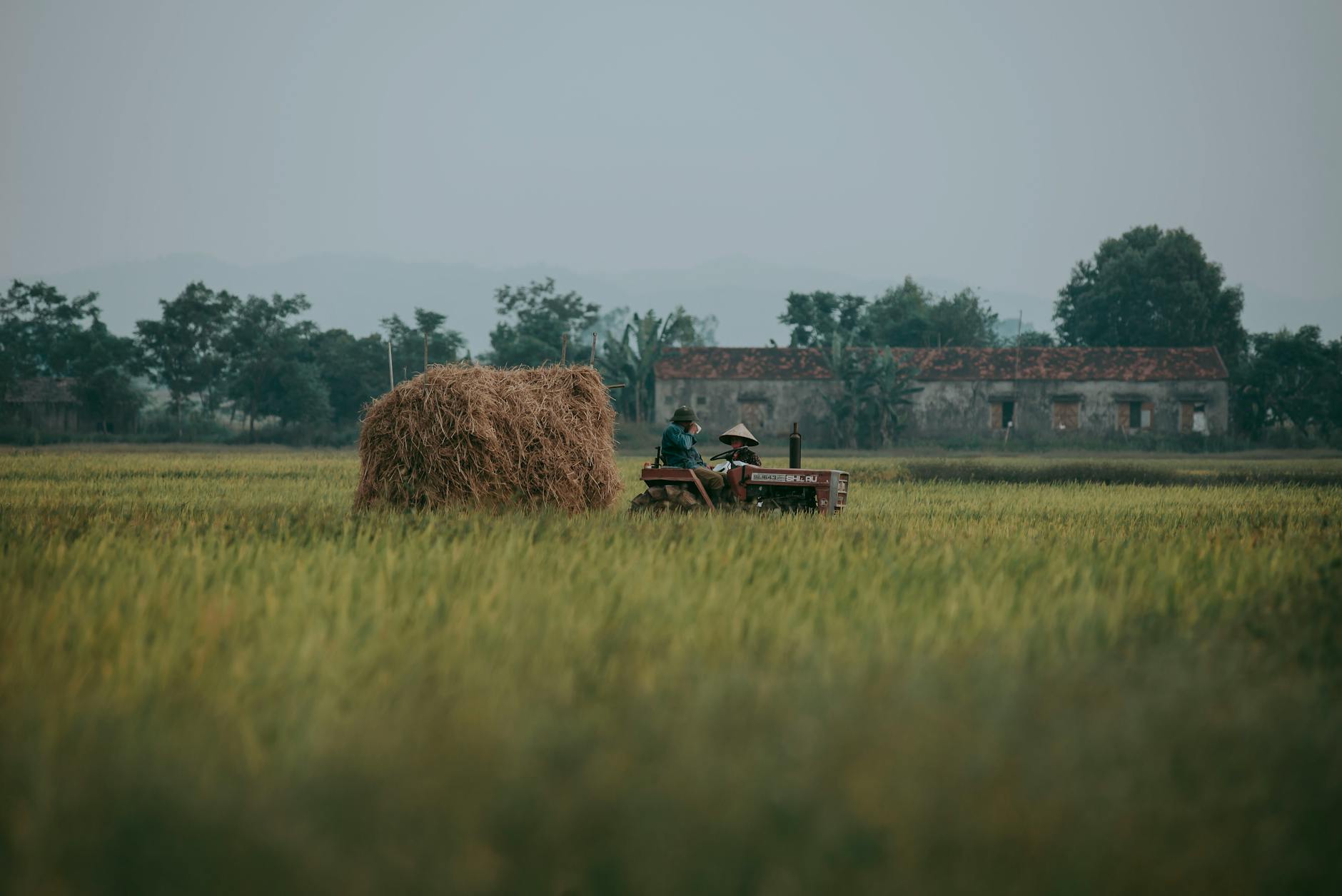
9:00 AM–12:00 PM: Work phase. In rice season (May–September), you wade into paddies, learn to plant seedlings in rows, or help with weeding. In dry months, you pick vegetables, harvest fruit, or help prepare compost. Kids (ages 5+) do lighter tasks alongside adults. Seniors often work sitting—sorting, shelling, or cleaning vegetables.
12:30 PM: Lunch. Your host's family cooks in a traditional wood-fired kitchen or gas stove. You sit on low stools, eat from communal bowls, and practice chopsticks if you're learning. Lunch always includes rice, a protein stir-fry, boiled vegetables, and soup. We communicate any allergies beforehand.
1:30–2:30 PM: Rest and conversation. Many families invite guests to see their home, photos of relatives, or livestock. Children may play or help feed animals.
2:30–3:30 PM: Optional second work phase or a walk through the farm and surrounding fields. We discuss crops, seasonal cycles, and local life.
4:00 PM: Return journey to the city, arriving by 5:00–5:30 PM.
What should Singaporean travelers pack and wear?
Wear lightweight, loose, long pants (cotton, not synthetic—it holds sweat). Closed-toe shoes with grip are essential: muddy paddies are slippery. Bring a wide-brimmed hat, high SPF sunscreen, and a 1.5-liter water bottle—refillable at the farm. A small towel and changes of clothes in your bag mean you won't track mud into your hotel. Insect repellent helps, especially at dawn or dusk. Don't wear jewelry or anything you fear losing in mud or water. Most people underestimate humidity; a lightweight long-sleeve shirt actually keeps you cooler and protects your skin.
How do we adapt farm days for kids, seniors, and different fitness levels?
Children aged 5–12 work alongside adults but with gentler tasks: picking beans, sorting vegetables, feeding animals, or playing in a safe corner of the farm while you work. We've never turned a child away due to age; we just adjust expectations. Seniors (60+) typically work sitting or at their own pace; many tell us they prefer this to standing tours. If you have a knee, back, or heart condition, tell us before booking. We've hosted people with limited mobility who spent the day in the kitchen, learning to cook and chopping vegetables for lunch. Rain is rare during summer, but if it comes, we shift to indoor work: cooking lessons, handicraft activities, or extended rest and conversation time. Allergies: tell us in advance. We'll brief your host family, and they'll prepare or exclude specific ingredients.
Can you compare farm experiences to other countryside activities in Vietnam?
| Activity | Duration | Physical level | Skill learned | Best for |
|---|---|---|---|---|
| Farm day | 7–8 hours | Moderate–high | Planting, harvesting, local food | Hands-on learners, families, off-the-beaten-path seekers |
| Vietnamese cooking class | 3–4 hours | Low | Recipe-building, technique | Food-focused, limited time, kitchen-comfortable |
| Horse riding experience | 2–3 hours | Moderate | Horsemanship, trail confidence | Adventure-seekers, outdoor lovers |
| Flower arranging workshop | 2 hours | Low–moderate | Design, seasonal blooms | Art-minded, gift-hunters, relaxation-focused |
| Farm and countryside experiences pillar | Varies | Varies | Site-specific skills | Custom groups, corporate teams, longer stays |
A farm day differs from a Vietnamese cooking class in that you're not in a dedicated kitchen studio; you're eating in someone's home after harvesting the ingredients yourself. Horse riding experience offers outdoor time but focuses on animals, not food production. If you want to combine both, ask us about group and corporate or custom multi-day itineraries.
What do Singaporean travelers often worry about—and what's the reality?
"Will I be able to do the work?" Yes. We've hosted people ages 8 to 78. Tasks are modular: if you're tired, you rest. If you're energetic, you keep going. No one's graded.
"What if I feel awkward around the host family?" Language barriers dissolve fast when you're both mud-covered and laughing. We translate the important bits, and work creates its own conversation.
"Is the food safe?" Your host has fed their own family the same meal for decades. We brief them on allergies and dietary restrictions. Tap water isn't recommended; we bring bottled water or stick to boiled drinks and cooked food.
"Will I get bitten by insects or snakes?" Mosquitoes are rare in midday heat. Snakes are rarer still and shy away from humans. Wear repellent and long sleeves, and ask your host where to step.
"Is it too hot?" Yes, it's hot. Singaporean humidity is familiar; Vietnamese countryside humidity is heavier. That's why you hydrate constantly, wear light clothes, and rest midday. Many guests say it feels less stressful than a city walking tour.
What should you check before booking a farm experience?
1. Season and crop type. Rice planting is May–June and September–October. Fruit picking is year-round but varies by region (Da Lat is cooler and grows different crops than the Delta). Ask us what's happening on the dates you're available.
2. Location match. Hanoi hosts work in the Red River Delta (1 hour away); Ho Chi Minh City hosts work in Mekong villages (1.5–2 hours); Da Lat farm experiences involve cooler uplands and are best June–October. Pick based on where you're staying.
3. Physical demands. We rate each day as easy (sitting-heavy), moderate (mix of standing and bending), or active (sustained fieldwork). Tell us your comfort level.
4. Group size. Private days (2–6 people) let you go at your own pace. Small-group days (up to 8) cost less but move at one speed. Ask for both options.
5. Dietary needs. Communicate allergies, vegetarianism, or religious restrictions at booking. Your host will plan accordingly. We cannot guarantee nut-free or gluten-free kitchens in rural homes, so have a backup plan if you have severe allergies.
6. Weather. Rainy season (May–September) means muddy work and possible rescheduling. Dry season (October–April) is cleaner but hotter in the lowlands. Ask us what weather typical for your dates.
7. Photography. Always ask permission before photographing your host family. We encourage memory-keeping but respect privacy.
Why do farm experiences beat short city tours for Singaporean travelers?
A 2-hour market or temple tour leaves you entertained but unchanged. A farm day leaves you with a host family's email, a story to tell your colleagues, and a different relationship to rice. You've earned the meal. You understand the work. That shift sticks with you.
If you're traveling solo, with family, or on a team-building trip, we tailor farm and countryside experiences to your dates, fitness level, and food needs. We handle the details—transport, translation, rain plans, dietary swaps—so you show up ready to work.
See how a session runs

FAQ
Do I need farming experience to join a farm day?
No. Most guests have never worked in a field. Your host teaches as you go. Willingness to try and laugh at yourself matters far more than skill.
Can I do a farm day in a single afternoon, or is it a full day?
We run full days (7–8 hours) because the rhythm—arrival, work, lunch, rest, walk—matters. You need time to settle in and eat with the family. Shorter visits feel rushed and miss the point.
Are farm days safe for solo travelers or families traveling together?
Yes to both. Solo travelers often team up with other guests on a small-group day. Families (including young kids and grandparents) are welcome. We adjust tasks to match everyone's pace.
What happens if it rains?
Light rain doesn't stop fieldwork; you keep going. Heavy rain shifts the day indoors: cooking lessons, kitchen work, home tour, or rest and conversation. We reschedule only in dangerous weather (flooding, lightning).
How far in advance should I book a farm day?
Two to three weeks is ideal, especially if you have dietary restrictions or specific crop interests. Last-minute bookings (5–7 days) work if we have availability, but it limits customization. Ask us for dates and a quote on WhatsApp.
Will the host family speak English?
Most don't speak English fluently. We provide a translator or host via WhatsApp during the day. Communication is slow but real; many guests say the non-verbal parts—shared work, laughter, food—transcend language.
Can I bring a friend or family member who isn't into farming?
Yes. We adjust roles so one person cooks while another harvests, or one rests while another works. The day is flexible. Tell us upfront so we plan accordingly.
Ask about dates
Tell us the city, your dates and what you would like to try. We reply on WhatsApp in English with options and availability.
FAQ
Do I need farming experience to join a farm day?
No. Most guests have never worked in a field. Your host teaches as you go. Willingness to try and laugh at yourself matters far more than skill.
Can I do a farm day in a single afternoon, or is it a full day?
We run full days (7–8 hours) because the rhythm—arrival, work, lunch, rest, walk—matters. You need time to settle in and eat with the family. Shorter visits feel rushed and miss the point.
Are farm days safe for solo travelers or families traveling together?
Yes to both. Solo travelers often team up with other guests on a small-group day. Families (including young kids and grandparents) are welcome. We adjust tasks to match everyone's pace.
What happens if it rains?
Light rain doesn't stop fieldwork; you keep going. Heavy rain shifts the day indoors: cooking lessons, kitchen work, home tour, or rest and conversation. We reschedule only in dangerous weather (flooding, lightning).
How far in advance should I book a farm day?
Two to three weeks is ideal, especially if you have dietary restrictions or specific crop interests. Last-minute bookings (5–7 days) work if we have availability, but it limits customization. Ask us for dates and a quote on WhatsApp.
Will the host family speak English?
Most don't speak English fluently. We provide a translator or host via WhatsApp during the day. Communication is slow but real; many guests say the non-verbal parts—shared work, laughter, food—transcend language.
Can I bring a friend or family member who isn't into farming?
Yes. We adjust roles so one person cooks while another harvests, or one rests while another works. The day is flexible. Tell us upfront so we plan accordingly.
More like this
Farm and countryside days
Fishing Experience Vietnam for Japanese Travelers: Where to Go & What to Expect
Vietnam's waterways offer Japanese travelers a chance to learn traditional fishing methods directly from locals. Cáo Experiences runs half- and full-day sessions on rivers, lakes and the Mekong Delta where you cast nets, set traps, and cook your catch.
Farm and countryside days
Fishing Experience Vietnam for Foreigners: Hands-On Guide
Fishing in Vietnam isn't a spectator sport—you'll wade into rivers, cast nets, trap fish in baskets, and cook your catch for lunch. We run small-group and private fishing days in the countryside outside Hanoi, Ha Noi region, and the Mekong Delta.
Farm and countryside days
Fishing Experience in Vietnam: 8 Questions to Ask Before You Go
Fishing in Vietnam means wading through rice paddies, learning trap techniques, or casting in rivers with local guides. Here's what to ask before you book.